









NEFCISA
NEFCISA

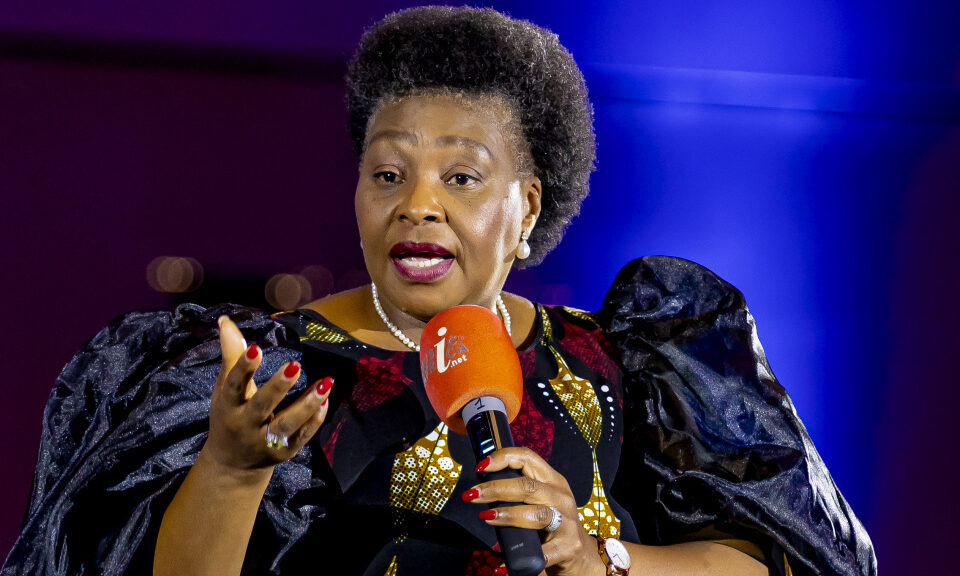
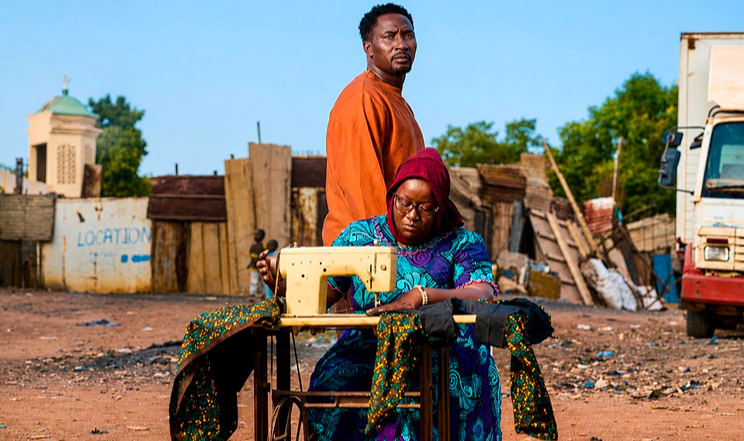
The Music In Africa Foundation (MIAF) is proud to announce its partnership with the Industrial Development Corporation (IDC) as a Strategic Implementing Partner (SIP) for its Social Employment Fund (SEF). Through this collaboration, MIAF is launching a new national programme designed to create jobs, address skills gaps, and strengthen South Africa’s creative industries — in line with the SEF’s overarching goal to generate work for the common good and build community value through employment, social contribution, and inclusive economic participation. Operating under the banner NEFCISA (National Employment Facility for Creative Industries in South Africa), the initiative will recruit and train participants, match them with host organisations, and place a minimum of 1 000 workers across the country. Key Objectives: Support employment and entrepreneurship in the creative industries. Offer skills development and training programmes. Foster partnerships between public and private creative sectors. Promote South African creativity at both provincial and national levels Foster community development through social contribution.

ACCES
ACCES

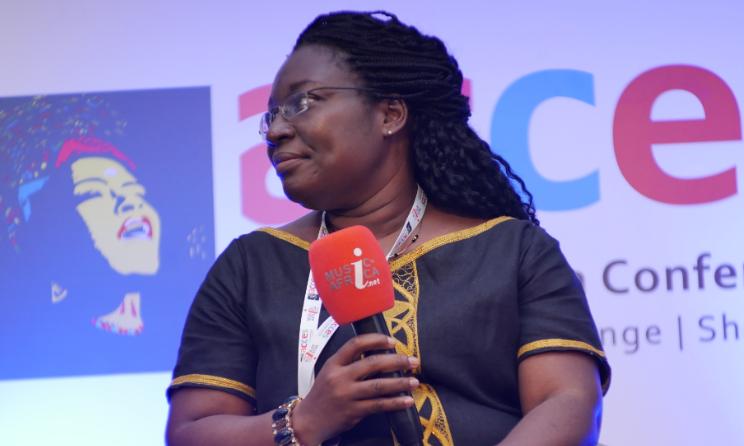
Chaque année, nous fournissons des informations générales afin de guider les participants dans la préparation de leur voyage. En plus de ce site, des mises à jour importantes seront envoyées par e-mail à tous les délégués inscrits. Assurez-vous de vous inscrire dès que possible. Pour plus d'informations, veuillez contacter [email protected] Continuez à consulter cette page pour plus d'information.  

Gender@Work
Gender@Work

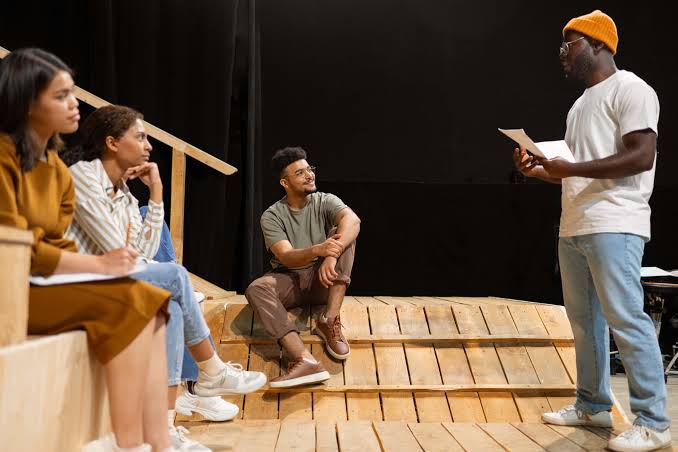
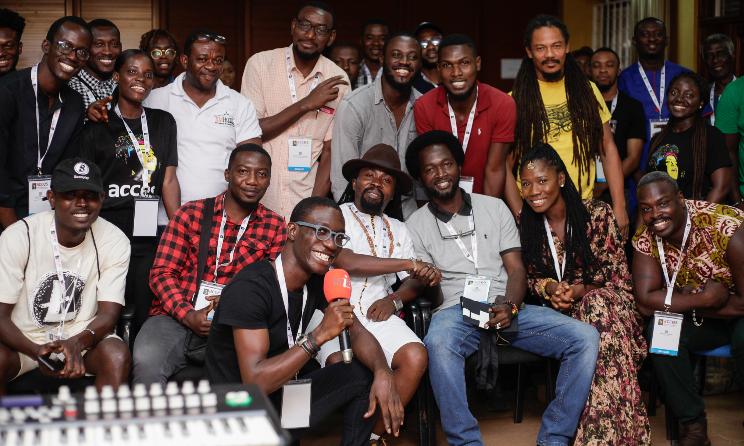
Music In Africa Gender @ Work is a three-year training programme aimed at upskilling and increasing the participation of female professionals in the African music sector. Launched by the Music In Africa Foundation (MIAF) in April 2019, the programme is connected to the MIAF’s ACCES music conference – a pan-African event held in a different African country every year. This connection enables the programme to reach new participants in a different African country every year. The programme marks the beginning of a more concerted effort by the Foundation to support the participation and inclusion of women in all facets of its programmes and the music sector in Africa as a whole. Over the three years, the programme will aim to address gender imbalances in the sector through training, lobbying, facilitating knowledge exchange and dialogues that foster the interest of women. The broader objectives of the programme are to: Provide industry training for women on critical music industry skills, focusing on: Stage management Electronic music production and recording Music business management Technical knowledge Provide an opportunity for both professional and aspiring women to benefit from the Music In Africa network and its broad range of activities in 2019, 2020 and 2021. Provide a solution-based platform in the form of a round table at ACCES with a view to identify challenges, discuss opportunities and lobby for the interests of female practitioners. Offer participants the opportunity to benefit from programmes offered by MIAF’s partners. Increase access to educational materials. Integrate participants in the broader ACCES programme to maximise experience and exposure to the industry. Record and present training materials on the www.musicinafrica.net, including but not limited to tutorials, templates and other best-practice materials. Communicate women-based themes that support the initiatives and messages of the programme. MAIN TRAINING ACTIVITIES Training in first country (Ghana): In the first year, participants will be trained on all aspects of stage management by a team of experienced stage managers from 10 to 17 November 2019. The programme will offer robust classroom training as well as practical, hands-on training in which participants will also be given the opportunity to manage various aspects of the ACCES performance programme. Training in second country: The second training iteration will take place at ACCES 2020 when the programme will diversify its course to include music production lessons and training on other music business topics. A round-table platform will also be introduced to coincide with the ACCES programme. Training in third country: The third training iteration will take place at ACCES 2021 in a different country, offering an advanced course. HOW DO YOU GET INVOLVED?  As a participant, facilitator or trainer: The programme enrolls up to 12 trainees every year. All opportunities are advertised publicly on this website, and will be added to this page. Please keep checking this page for new calls (below under UPDATES & CURRENT OPPORTUNITIES). As a partner Please contact Claire Metais at [email protected]. APPLY The call for applications for 2020 will be announced soon. The Music In Africa Gender @ Work programme is made possible with the support of the Prince Claus Fund, Siemens Stiftung and Goethe-Institut.

Sound Connects Fund
Sound Connects Fund

Pour les praticiens et les organisations culturels et créatifs opérant en Afrique australe, l’accès au financement reste un défi majeur. La pandémie de COVID-19 a également eu un impact massif sur les politiques gouvernementales, les dépenses et l’économie en général, et a vu les dépenses consacrées à la culture reléguées plus bas dans la liste des priorités. De plus, les industries culturelles et créatives citent régulièrement quatre domaines principaux où l’investissement est nécessaire pour la croissance : une visibilité accrue, la mobilité incluant l’accès à de nouveaux marchés, le financement et les structures de soutien.

Music In Africa Live

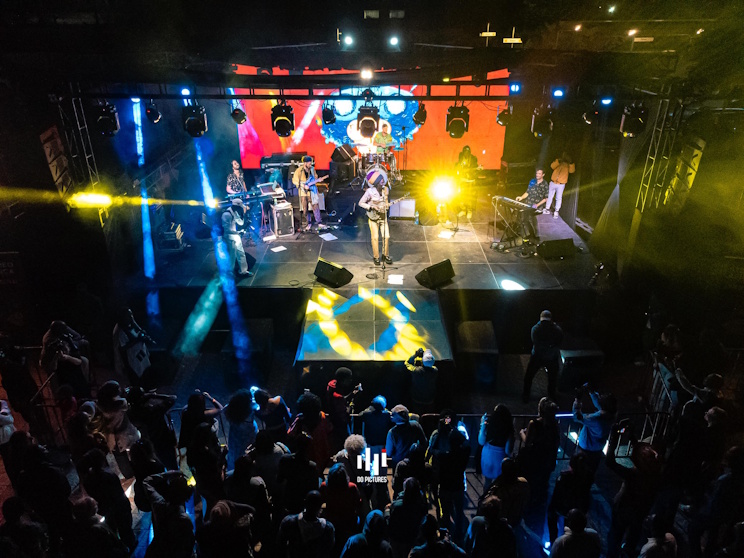
MUSIC IN AFRICA LIVE Lancé en 2020 pour une durée de 3 ans, Music In Africa Live est une initiative visant à soutenir l'écosystème de la musique africaine face aux contraintes imposées par la pandémie de COVID-19 ; le projet a été lancé par la Fondation Music In Africa (MIAF) en partenariat avec le ministère fédéral allemand des Affaires étrangères, Siemens Stiftung et le Goethe Institut. Plus de 30 aides sont disponibles dans le cadre de la troisième édition de Music In Africa Live, dans 3 catégories :  showcases, renforcement des compétences et plaidoyer, en conformité avec les modalités énoncées.

Instrument Building And Repair Project

The overarching objective of Music In Africa Foundation’s Instrument Building and Repair (IBR) project is to encourage the formalisation and professionalisation of instrument-making and repair in Africa, especially in relation to indigenous African instruments. Background In 2014, the Music In Africa Foundation (MIAF) identified as one of its focus areas for development the need to encourage young people from music and music-related sectors to consider instrument-making as a career. This need extended itself from the recognition that the making of traditional African instruments is not a widely practiced skill and seems to be limited to the older generation. Traditional African instrument makers are also few and far between, making communication and logistics between teachers and learners an obstacle. When instrument building workshops take place, budgetary constraints do not allow teachers or learners the time to explore the finer details of an instrument. Based on these observations, the MIAF designed and piloted the first IBR workshop at the Dhow Countries Music Academy (DCMA) in Zanzibar in February 2015. In 2016, the foundation received funding from the South African National Lotteries Commission to implement a much bigger version of the project in Johannesburg. The project drew participants from five African countries. 25 students from South Africa, Ghana, Senegal, Kenya and Ethiopia were trained on how to build and repair musical instruments. The instruments that they made were: Traditional Instruments: Umakhweyana and Marimba Conventional Instrument: Dulcimer guitar The workshop culminated in a traditional instruments concert at the Wits Theatre in Johannesburg. It is the MIAF’s aim to roll out similar workshops in as many African countries as possible over the next few years. Objectives Developing awareness of musical instrument makers in Africa with a view to promote their work to a wider global audience. Facilitating the sharing and transfer of skills in indigenous instruments between countries on the continent. Encouraging the formalisation and professionalisation of instrument-making and repair in Africa, especially in relation to indigenous instruments. Helping instrument makers develop their careers. Fostering the rapid monetisation and sustainable development of instrument-making and repair in Africa. Promoting constant exchange of ideas, expertise, experiences and know-how among instrument makers in Africa. Facilitating the identification of existing gaps in the field with a view to contribute new solutions. Facilitating the transfer of knowledge and skills of indigenous instruments between younger and older generations. 2020 edition The MIAF has also announced that multi-instrumentalist and instrument maker Joe Makhanza will facilitate one of the workshops on the building of the kamale ngoni instrument. Kamale ngoni is a kora-like, stringed instrument that originated in West Africa. The instrument contributed to the rise of Wassoulou music in the 1970s and 1990s. Makhanza was born in Giyani in South Africa's Limpopo province. He completed a bachelor of music degree and a post-graduate diploma in arts marketing from Wits University. He is currently completing his masters in ethnomusicology and is a part-time lecturer in African music studies at Rhodes University. He plays the kora, mbira, valiha, masenqo, xiwewe, ngoni ba and xizambi, among others. He also manufactures the aforementioned instruments. The MIAF will confirm more trainers who will join the workshops as well as the other instruments that will be featured in the 2020 IBR programme.  Apply to participate here. Connect with us on Twitter, Instagram and Facebook, and subscribe to our monthly newsletter. The Music In Africa Instrument Building and Repair project is funded by the National Lotteries Commission. It is implemented in partnership with Siemens Stiftung, Goethe-Institut, Wits Theatre and Kaya FM.

banner image

Telecel Ghana Music Awards board corrects nomination list

Accueil/Non classé/Telecel Ghana Music Awards board corrects nomination list

Formerly known as the Vodafone Ghana Music Awards, the awards show will commemorate its 25th anniversary this year, honouring outstanding musical accomplishments by Ghanaian artists in genres such as highlife, hiplife, Afropop and traditional music.

The latest nominee update, ahead of the awards ceremony on 1 June and as part of a “commitment to fairness”, came in a statement published on 16 April.

The corrections involve artists Amerado, O’Kenneth and Xlim Kid. “After careful evaluation of all submissions, the board confirms that there were neither errors nor omissions in the nominations list, except for the following: ‘Lonely Road’ by O’Kenneth and Xlim Kid and ‘Kwaku Ananse’ by Amerado,” the TGMAs said. 

Regarding ‘Lonely Road’, the TGMAs clarified that the submission was initially filed as a featured work, but both artists’ management highlighted that it was a joint project. Consequently, the nomination has been corrected to reflect that.

In the case of ‘Kwaku Ananse’, the board admitted to initially nominating the remixed version of the song in the Best Highlife Song category instead of the original. This affected its consideration for the Most Popular Song of the Year category. However, after a review, the board has nominated the original version of ‘Kwaku Ananse’ in the Best Highlife Song category and included it for the Most Popular Song of the Year Award. With these corrections, Amerado now boasts six nominations at the awards. 

Meanwhile, nominees have been announced for outstanding categories including Producer of the Year, Audio Engineer of the Year and Best Video Director of the Year.

In the Producer of the Year category, the nominees include Kuami Eugene, Killbeatz, MOG Beatz, Liquid Beatz, IzJoe Beatz and Beatz Vampire, while contenders for the Audio Engineer of the Year trophy include Mix Master Garzy, Liquid Beatz, Killing Skills, Josh Blakk & Richard Nkwankwo, Loudaa, and Daniel Ayittah.

The Best Video Director of the Year nominees include Yaw SkyFace, Lauren Dunn, David Nicole Sey, Xbill Ebenezer, Rex, The Boldz, Babs Direction, Bani Wxrld, JWillz, and XBill Ebenezer.

Kuami Eugene now heads into this year’s awards as the most nominated artist after being shortlisted 18 times, followed by Stonebwoy with 17 and Sarkodie with eight. Last year’s biggest winner, Black Sherif, who converted five of his nominations into victories including for Artist of the Year, has also been nominated eight times.

Below is the updated nominee list:

Best Hiplife Song

  • ‘Insha Allah’ – Okyeame Kwame ft. King Paluta
  • ‘M’asesa’ – Jay Bahd ft. Kweku DMC, SkyFace SDW
  • ‘Oh My Linda’ – Reggie Osei, Jay Bahd, O’Kenneth, Kweku DMC
  • ‘Twatis’ – Oseikrom Sikana ft. Kwaku Smoke
  • ‘Y’ahite Remix’ – King Paluta ft. Kuami Eugene
  • ‘Eny3 Nwanwa’ – Guru

Best Highlife Song

  • ‘Adoley’ – Camidoh
  • ‘Party’ – Adina ft. Kofi Kinaata
  • ‘Kweku Ananse’ – Amerado ft. Fameye
  • ‘Manodzi’ – Stonebwoy ft. Angelique Kidjo
  • ‘My Darling’ – Akwaboah ft. Kwabena Kwabena
  • ‘Overthinking’ – Kofi Kinaata
  • ‘Vero’ – Kelvyn Boy
  • ‘Yolo’ – Kuami Eugene
  • ‘You Dey Feel The Vibe’ – FRA! ft. Nana Yaw Ofori Atta
  • ‘Africa Money’ – Wendy Shay

Best Hip Hop Song

  • ‘Lonely Road’ – O’Kenneth, Xlimkid
  • ‘Otan’ – Sarkodie
  • ‘Scar’ – Gyakie ft. JDee
  • ‘Sowutuom’ – Medikal
  • ‘Dear God’ – Strongman
  • ‘Yaya’ – Black Sherif
  • ‘Akatanii’ – Kweku Smoke
  • ‘The Hardest’ – Amerado

Best Afrobeats Song

  • ‘Hossana’ – Banzy Banero
  • ‘Broken Heart’ – DJ Vyrusky ft. Kuami Eugene
  • ‘Otello’ – Fancy Gadam ft. Kuami Eugene
  • ‘Liquor’ – KiDi
  • ‘Monica’ – Kuami Eugene
  • ‘Case Remix’ – Mr. Drew ft. Mophty
  • ‘Goodsin’ – Olivetheboy

Best Afropop Song

  • ‘Super Super’ – Efya
  • ‘Not God Remix’ – Fameye ft. Stonebwoy
  • ‘Rent Free’ – Gyakie
  • ‘I Lied’ – KiDi
  • ‘Terminator’ – King Promise
  • ‘Bad Boy’ – Lasmid
  • ‘Till We Die’ – Sarkodie ft. Ruger
  • ‘Into The Future’ – Stonebwoy

Best Gospel Song

  • ‘Tears of Joy’ – Patience Nyarko
  • ‘Anuonyam’ – Mabel Okyere
  • ‘Aseda’ – Nacee
  • ‘Kaafo’ – Perez Muzik
  • ‘Mo’ – Piesie Esther
  • ‘100%’ – Scott Evans
  • ‘Say Amen’ – Diana Hamilton
  • ‘Victory’ – Joyce Blessing

Best Reggae/Dancehall Song

  • ‘Truth’ – DSL
  • ‘Stubborn SoulJah’ – Epixode
  • ‘Efiekuma Love’ – Kofi Kinaata
  • ‘San Bra’ – Samini
  • ‘Non-Stop’ – Stonebwoy
  • ‘Eyeball Remix’ – Ras Kuuku ft. Samini

Collaboration of the Year

  • ‘Liquor’ – KiDi ft. Stonebwoy
  • ‘Lonely Road’ – O’Kenneth, Xlimkid
  • ‘Case Remix’ – Mr Drew ft. Mophty
  • ‘Twatis’ – Oseikrom Sikani ft. Kweku Smoke
  • ‘Kwaku Ananse Remix’ – Amerado ft. Fameye
  • ‘Y’ahitte Remix’ – King Paluta ft Kuami Eugene
  • ‘You Dey Feel The Vibe’ – FRA ft Nana Yaw Ofori Atta
  • ‘My Darling’ – Akwaboah ft Kwabena Kwabena

International Collaboration of the Year

  • ‘Scar’ – Gyakie ft. JBee
  • ‘Butter My Bread’ – Jyzno ft. Lasmid
  • ‘Terminator’ – King Promise ft. Yung Jon
  • ‘Manodzi’ – Stonebwoy ft. Angelique Kidjo
  • ‘Cryptocurrency’ – Kuami Eugene ft. Rotimi
  • ‘Wotowoto Season’ – Odumodublvck ft. Black Sherif
  • ‘Till We Die’ – Sarkodie ft. Ruger
  • ‘Perfect Combi’ – King Promise ft. Gabzy

Best Highlife Artist

  • Abiana
  • Akwaboah
  • Kofi Kinaata
  • Kuami Eugene
  • FRA

Best Rap Performance

  • ‘The Hardest’ – Amerado
  • ‘Warning’ – Eno Barony
  • ‘Boasiako’ – FimFim
  • ‘5th August (7)’ – Lyrical Joe
  • ‘We Made It’ – Medikal
  • ‘Otan’ – Sarkodie
  • ‘Dear God’ – Strongman

Best Male Vocal Performance

  • ‘Don’t Cry (Kaafo)’ – Perez Muzik
  • ‘Gyidie’ – Kyei Mensa
  • ‘You Are Great’ – Kofi Karikari ft Eternity
  • ‘Hankipanki’ – Josh Blakk
  • ‘Brown Skin Girl’ – Camidoh
  • ‘I Lied’ – KiDi

Best Female Vocal Performance

  • ‘Baby’ – Adina
  • ‘Far Away’ – Abiana
  • ‘His Grace’ – Lordina The Soprano
  • ‘Hold My Hands’ – Queendalyn Yurglee
  • ‘Temple’ – Niiella
  • ‘Make Me Believe’ – TiTi Owusu

Record of the Year

  • ‘Reckless & Sweet’ – Amaarae
  • ‘Far Away’ – Abiana
  • ‘Manodzi’ – Stonebwoy ft. Angelique Kidjo
  • ‘Iyawo’ – Josh Blakk
  • ‘Me Dan Wo’ – Joe Mettle ft. Kweku Teye
  • ‘My Helper’ – Efya

Best Music Video

  • ‘Manodzi’ – Stonebwoy ft. Angelique Kidjo
  • ‘Wasted Eyes’ – Amaarae
  • ‘Paradise’ – Black Sherif
  • ‘Fate’ – Kuami Eugene
  • ‘Broken Heart’ – DJ Vyrusky ft. Kuami Eugene
  • ‘100%’ – Scott Evans
  • ‘Oil In My Head’ – Black Sherif
  • ‘Kweku Playman’ – Kweku Smoke
  • ‘Into the Future’ – Stonebwoy
  • ‘Cryptocurrency’ – Kuami Eugene ft. Rotimi

Album/EP of the Year

  • Taste of Africa – Abiana
  • Fountain Baby – Amaarae
  • Love & Chaos – Kuami Eugene
  • Planning & Plotting – Medikal
  • 5th Dimension – Stonebwoy

Most Popular Song of the Year

  • ‘Hossana’ – Bandy Banero
  • ‘Kwaku Ananse’ – Amerado
  • ‘Yaya’ – Black Sherif
  • ‘Scar’ – Gyakie ft. JBee
  • ‘Victory’ – Joyce Blessing
  • ‘Liquor’ – KiDi ft. Stonebwoy
  • ‘Terminator’ – King Promise
  • ‘Monica’ – Kuami Eugene
  • ‘Case Remix’ – Mr Drew ft. Mophty
  • ‘Aseda’ – Nacee
  • ‘Goodsin’ – Olivetheboy
  • ‘Otan’ – Sarkodie
  • ‘Into the Future’ – Stonebwoy

Best Hiplife/Hip Hop Artist

  • Amerado
  • Black Sherif
  • Medikal
  • Jay Bhad
  • King Paluta
  • Sarkodie

Best Reggae/Dancehall Artist

  • Epixode
  • Ras Kuuku
  • Stonebwoy
  • Samini

Best New Artist

  • Bandy Banero
  • DSL
  • King Paluta
  • Maya Blu
  • Olivetheboy
  • Oseikrom Sikanii

Best Afrobeat/Afropop Artist

  • Gyakie
  • Camidoh
  • KiDi
  • King Promise
  • Mr. Drew
  • Efya
  • Wendy Shay

Best Gospel Artist

  • Diana Hamilton
  • Joe Mettle
  • Joyce Blessing
  • Mabel Okyere
  • Nacee
  • Perez Muzik
  • Piesie Esther
  • Scott Evans

Best African Artist

  • Rema
  • Asake
  • Burna Boy
  • Tyla
  • Davido
  • Jzyno

Songwriter of the Year

  • Perez Muzik 
  • Fameye
  • DSL 
  • Sarkodie
  • Akwaboah 
  • Stonebwoy 

Artist of the Year

  • Black Sherrif
  • King Promise
  • Kuami Eugene
  • Nacee
  • Sarkodie
  • Stonebwoy

Producer of the Year

  • Kuami Eugene
  • Killbeatz
  • MOG Beatz
  • Liquid Beatz
  • IzJoe Beatz
  • Beatz Vampire

Audio Engineer of the Year

  • Mix Master Garzy
  • Liquid Beatz
  • Killing Skills
  • Josh Blakk & Richard Nkwankwo
  • Loudaa
  • Daniel Ayittah

Best Video Director of the Year (awarded to both director and artist)

  • Yaw SkyFace (‘Manodzi’ by Stonebwoy ft Angelique Kidjo)
  • Lauren Dunn (‘Wasted Eyes’ by Amaarae)
  • David Nicole Sey (‘Paradise’ by Black Sheriff)
  • Xbill Ebenezer (‘Fate’ by Kuami Eugene)
  • Rex (‘Broken Heart’ by DJ Vyrusky ft. Kuami Eugene)
  • The Boldz (‘100%’ by Scott Evans)
  • Babs Direction (‘Oil In My Head’ by Black Sheriff)
  • Bani Wxrld (‘Kweku Playman’ by Kweku Smoke)
  • JWillz (‘Into The Future’ by Stonebwoy)
  • XBill Ebenezer (‘Cryptocurrency’ by Kuami Eugene ft. Rotimi)

newsletter banner

Abonnez-vous à notre newsletter

Retrouvez-nous sur les réseaux sociaux