














































Copyrights, royalties and music piracy in Rwanda
10 Nov 2015 - 11:32


By Francis Bazatsinda
Music copyrights in Rwanda have been strengthened over the past years. In 2009 the Rwandan Government enacted the intellectual property law. In collaboration with leading bodies such as the World Intellectual Property Organization (WIPO) the government has been at the forefront in sensitizing artists and songwriters to register their copyrights with the Rwanda Development Board (RDB) to be able to protect their innovation and keep earning from it. This text explores three elements of Intellectual property as it relates to the music sector in Rwanda.
Copyrights
Under the Ministry of trade and commerce, in April 2015 Rwanda celebrated the International Intellectual Property day[i] where the minister of trade and industry urged all Rwandan artists to register their innovations. Rwanda is an active member of the World Intellectual Property Organization and joined the African Regional Intellectual Property Organization[ii] (ARIPO) in 2011. Article 95 of Law N: 31/2009 of 26/10/2009 on the protection of intellectual property provides protection for original works among which musical works with or without accompanying words, dramatically-musical works are inclusive.
Rwanda currently takes infringements on intellectual copyrights serious. In early 2015, King James one of the most celebrated local artist was involved in a copyrights scandal over his hit ‘Ganyobwe’ where the Abadahigwa cultural troupe claimed to have original rights over the song, this issue was later solved amicably though with the artist accepting to shoot another version of the video with the Abadahigwa members featuring in the video. Today most artists have learned the importance of owning rights over their innovations, at Rwanda Development Board (RDB), there is a department of Intellectual property rights registration and artists are always sensitized to register their music.
The Rwanda Society of Authors (RSAU) was legally established and officially registered with the Rwanda Development Board in May 2010. Rwanda’s first collective management society, RSAU comprises the Association of Musicians (INGOMA Music Association), the Association of Cinema Artists (IRIZA CARD), the Association of Writers (LA PLUME D’OR) and ISOKO Arts Rwanda in partnership with different government entities. The major importance of RSAU was to follow up and enhance the rights of the artist especially the patents of the artists’ production, be it film or music as well as guiding the users of those productions like night clubs, restaurants and the rest of the hangout places around the country.
Royalties
Generally all over the world music industry relies on royalties generated by the licensing of copyrighted songs and recordings as a primary form of payment for musicians. For Rwanda however generating money from music is challenging as the music sector is still growing. Today any artist can reach fans and sell music to them in any part of the world but few Rwandan artists take advantage of this opportunity.
The Government together with stakeholders in the music sector is increasingly sensitizing the artists on how to make money out of their innovations instead of regarding music as a hobby. The minister of sports and culture, ministry of trade and industry and Rwanda development Board have encouraged artists to make music a profession that earns them a living.
One of the local entities Inyarwnanda.com initiated Afrifame[iii]; a service platform in 2014 to assist artists in the region with music distribution and monetization in global digital stores such as iTunes, Google Play, Amazon MP3, and Spotify. Afrifame’s mission is to monetize music in any way possible and pay royalties to artists. When an artist is signed, he or she is granted full rights to control his or her music distribution over the Internet. About 85% of local artistes have signed up with Afrifame; about six compilations have been created and over 800 songs worldwide. Afrifame pays royalties to artists quarterly when the artist’s share is above a threshold of $25; the service has paid royalties three times since inception; two quarters in 2014 and the first quarter of 2015.
Twenty one artists who reached the required threshold at the end of each quarter have been receiving their royalties. Artists have expressed their positive support of the application and have suggested future improvements and strategies that could expose their work to more users and as a result boost sales, music is through downloads and online streaming. A download is when you pay to own a song on your devices; iTunes, Google Play, and Amazon are great examples.
A stream is when you choose to listen to a song directly from the Internet; Spotify and YouTube are the most popular, the price for downloads varies from market to market. ITunes for example charges $0.99 for one mp3 audio and about $9.99 for an album. The streaming model on the other hand is very complex: fans can either pay a monthly subscription for an ad-free account or can listen freely in exchange for commercials; however royalties’ distribution channels vary from store to store. In general, the trend for musicians to start earning money out of their songs is just starting but with times it will grow stronger and as artists and their fans adopt that culture.
Piracy
Globally the music business success depends on certainty in the legal environment and copyright laws, this is a continuous ever changing challenge as the music industry continues to be distorted by unfair competition from unlicensed services especially internet users.
Music piracy in Rwanda has been evident over the past years with several cases of people and media being sued against piracy and other illegal playing of artists’ music. In 2012 Rwanda’s renowned cultural songster, Cécile Kayirebwa filed a lawsuit at the Commercial High Court against local radio stations, including Rwanda Office of Information[iv] (ORINFOR) for illegally airing her music which is interpreted as piracy. The case ended in court by the Commercial court of Nyarugenge ordering ORINFOR the state broadcaster and Isango star (Private radio) to pay Rwf 8.6M to Cecil Kayirebwa for playing her songs illegally.
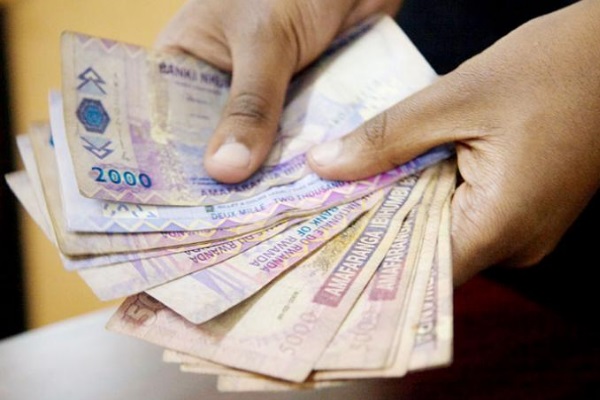
The Government of Rwanda is committed to supporting the music industry to stop this illegal practice. The Rwanda national Police are working with different stakeholders to fight this crime; in September 2014 the National Police arrested 36 people in Kigali-Nyarugenge district over music piracy in a crackdown carried out. The police spokesman explained that these music pirates were selling a CD at as low as Rwf 500 ($0.7) yet an original CD costs around Rwf5,000 ($6.78) which was affecting the artists’ earning from their products. The Ingoma Association a Rwandan artists association also works close with the National Police to fight music piracy.
To conclude, Copyrights, royalties and piracy in relation with music industry normally go hand in hand. When the copyrights and intellectual property protection laws and procedures are firm in a country or region, artists will enjoy a great deal of royalties from their talents and the reverse is true when these are not firm. In Rwanda specifically, this is still growing but at a steady speed the police is committed to preventing piracy, Local artists have formed music associations’ help in one way or the other and local entrepreneurs have ventured in such businesses like Inyarwanda.com’s Afrifame.


Most popular

Top amapiano songs of 2026
16 Feb 2026
Call for applications: ACCES 2026 Emerging Artist Spotlight Competition
01 Oct 2026

Top Naija songs of 2026
31 Mar 2026

Top Afrobeats songs of 2026
19 Mar 2026
Open call: 2026 Gender@Work music industry training in Johannesburg
03 Oct 2026
AFRIMA 2026: All the winners
12 Jan 2026
Disclaimer: Music In Africa provides a platform for musicians and contributors to embed music and videos solely for promotional purposes. If any track or video embedded on this platform violates any copyrights please inform us immediately and we will take it down. Please read our Terms of Use for more.

Subscribe to our monthly Newsletter
Follow us on social media


Please log in to post a comment.