




















































TuneCore Africa exec gives independents pointers on digital distribution
26 Jan 2021 - 08:53

For 15 years, DIY distributor TuneCore has provided independent musicians the tools they need to release their music, grow their fan base and stay in control of their careers. And now, with its comprehensive campaign, the leading digital music distributor wants to bolster its presence in Africa.
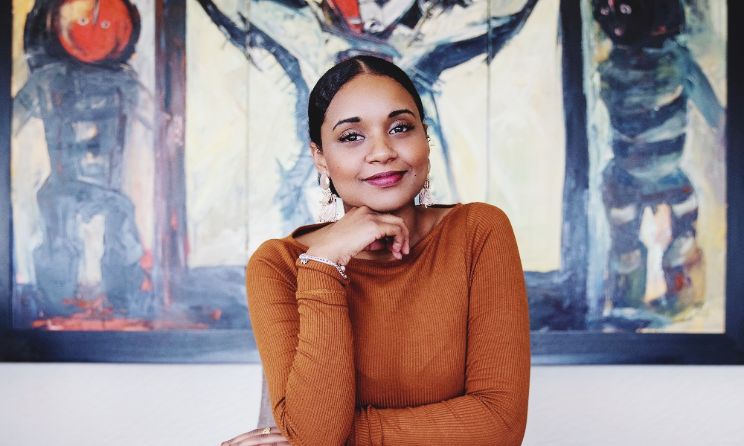
TuneCore’s parent company, Believe, is a global leader in digital music distribution for independent artists and labels. The group boasts offices in 45 countries and distributes a large share of the world’s digital music through platforms such as iTunes, Deezer, Spotify, Amazon Music and Tidal, among others. More than 1 million artists have used TuneCore for online distribution, and the company has pledged its unwavering commitment to users. The company reached the milestone of $2 billion earned by artists in October last year without taking any cut. It is currently pursuing a growth strategy on the African continent and its primary focus for the future is to innovate and offer an unbeatable service for independent artists.
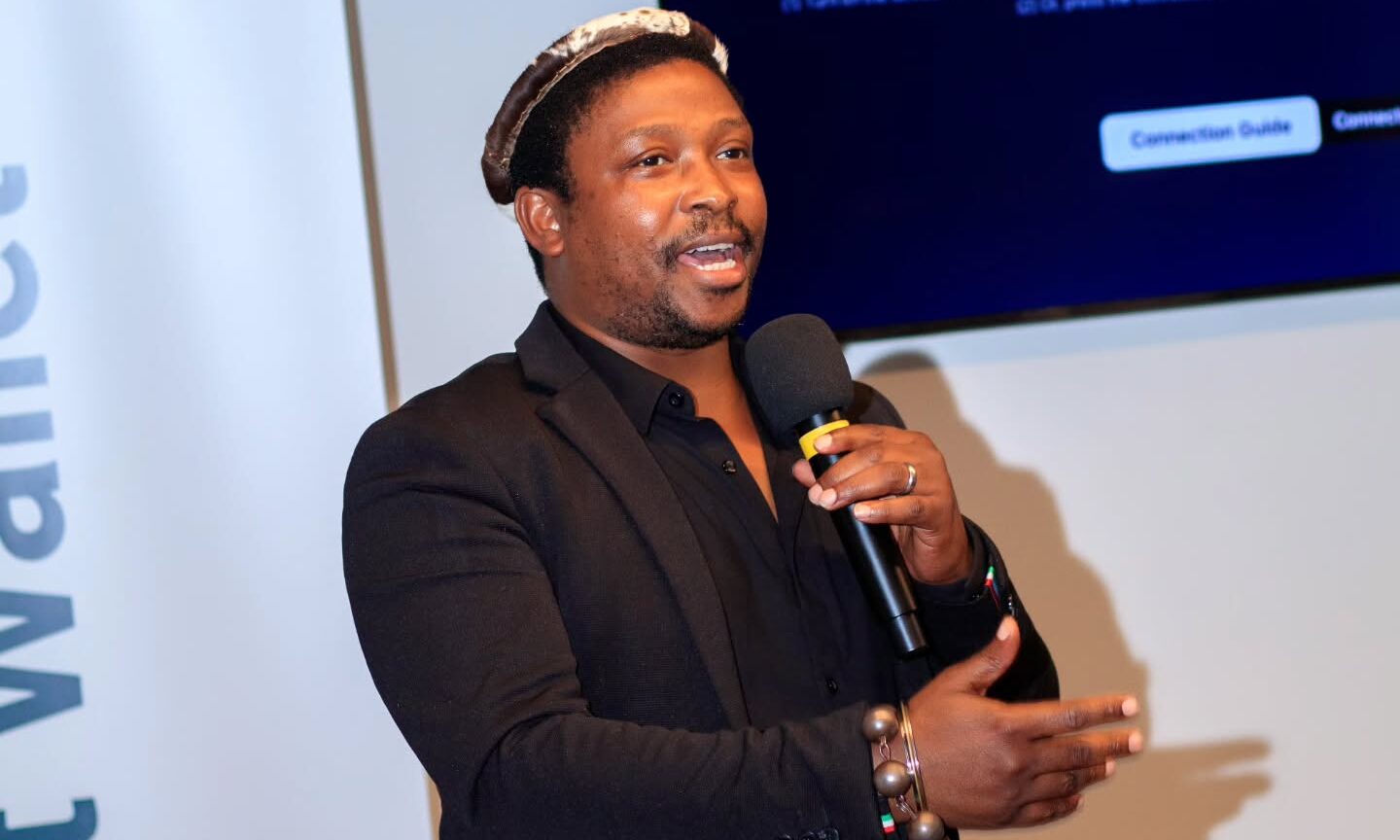
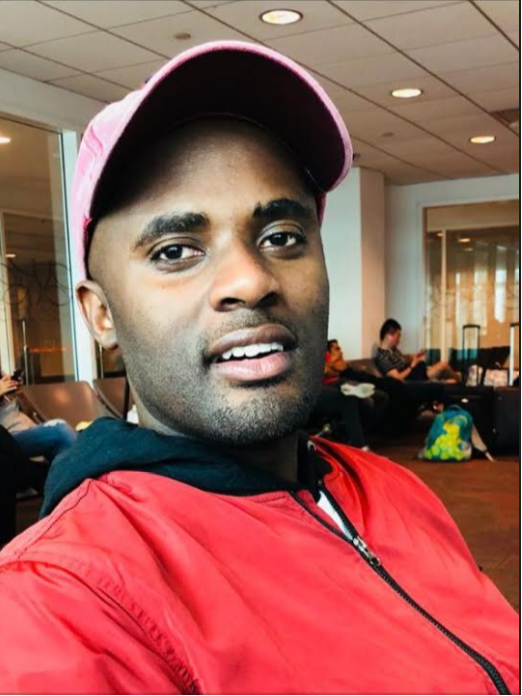
Music In Africa spoke to TuneCore’s new Head of Southern and East Africa, Jade Leaf, about the company’s plans to launch a localised service in Africa this year. Leaf also gave independent artists in Africa important advice about the digital distribution and marketing space.
MUSIC IN AFRICA: Why should African musicians join TuneCore and what differentiates TuneCore’s core business model from that of CD Baby, DistroKid or Ditto?
JADE LEAF: Artists who use TuneCore make more money. Unlike DistroKid and CD Baby, TuneCore works directly with digital stores and streaming platforms. We never use a middleman and pay 100% of 100% of all revenue from the stores directly to artists. TuneCore does not take a percentage unlike other distributors, many of which claim to pay artists 100% of their revenue, but in fact are distributed by or affiliated with third parties who take a percentage off the top. It costs $9.99 to release a single with TuneCore and you’re able to keep all of your rights to the music. TuneCore is also able to get your music into twice the number of stores than DistroKid and CD Baby, extending the reach of the artist’s music around the world. We have the best-in-class customer care team who have helped independent musicians for more than 15 years. Additionally, we offer Facebook, YouTube and Instagram monetisation of an artist’s music.
TuneCore has had operations in Africa for some time. What has been your experience servicing local clients?
It’s no secret that there has been a digital boom that’s happened in Africa with streaming services being available to African audiences over the past few years. And because of this, we’ve seen an increase in African artists who use TuneCore for their online distribution and in turn build successful careers from being able to receive 100% of their revenue from their releases. Our parent company, Believe, has operated on the African continent for a number of years and has worked with some of the best independent artists on the continent. They have built a network of local experts who continuously advise on the needs of artists in the region. Because of this, we believe that with TuneCore’s investment locally over the next few months, we’ll be able to service artists in a way that contributes to the infrastructure for music in Africa.
Do you have any additional services that are specifically aimed at the African market?
As we work towards customising our service, there are key areas that we plan to focus on, such as reviewing the local stores for online distribution and a big focus on education for artists to better equip themselves with the tools to release music independently.
What are some of the biggest misconceptions that musicians have when getting their music on digital platforms, and what are the biggest challenges that musicians need to know about?
The biggest misconception is that there is no money in it. The commercialisation of music is an important piece in the puzzle as we work towards building a sustainable ecosystem for artists in Africa. In South Africa, specifically, there is a piracy issue where artists are willing to circulate their music on WhatsApp without putting it up on the DSPs [digital service providers] because they don’t see the need for the music to be available on digital stores. There is a belief that the distribution of music at street level is more successful than online distribution. We often find that initially the biggest songs in Africa, especially from the dance genres like amapiano, cannot be found on Shazam, for example, because the song has not been uploaded to DSPs.
Additionally, the biggest challenges that artists face has to do with ownership of their masters and their music rights. As we watch the global conversation around music rights and how artists find themselves in situations where they are unable to fully own their catalogue, there is a need for artists to understand the various options when it comes to distributing their music. With the rise of social media and streaming, there has never been a better time than right now to be an independent artist.
What important advice would you give emerging artists in Africa?
Online distribution is the first step in building a fan base where an artist is able to promote their single or project across various DSPs. Being an independent artist takes a lot of work, but the Internet has given rise to powerful tools like social media and online distribution. You’re able to have full creative control in terms of marketing and messaging and you’re able to reap the rewards of that once you gain a steady fan base. I would encourage artists to create often, put their music out via online distribution and promote it because there are few things as exciting as discovering new music. The possibilities are endless.
What important lessons can musicians learn from the COVID-19 pandemic?
I think the pandemic has put a spotlight on being able to monetise your core offering through releasing music. Our local artists rely on live bookings for their livelihood and COVID-19 has made this almost impossible. As an industry, we have to rethink how we approach the live space through content production and partnerships between traditional media like TV & radio and streaming.
The running theme this year has been, ‘there is no time like the present to get started.’ We have probably seen more music releases globally during this period because experiences, good and bad, inspire creativity.
How can musicians effectively monetise their craft on digital platforms?
Independent artists need to look at the earning potential for their music holistically and make sure that they’re ticking all the revenue boxes when releasing music. TuneCore is a one-stop solution helping artists collect all their money. It provides all the tools they need to be independently successful, such as music distribution, publishing administration, sync and video monetisation on YouTube, Facebook and Instagram.
Would you say the current digital music ecosystem offers fair compensation and, if not, what needs to change?
I think that the current ecosystem has the potential to become much more profitable, specifically for African artists. Our situation is unique because Internet penetration is not at full capacity yet. We suffer from power outages quite regularly in some parts of the continent, and most importantly, we have a majority of people living below the poverty line, so prioritising basic needs takes precedence over most things. I think our focus needs to be on the potential earning power as we seek to find solutions for the challenges and educate music creators, artists and music fans on the importance of online distribution versus piracy.
What, in your opinion, will be the most important and sustainable revenue stream for musicians going forward?
Going forward, I would like to see the switch happen from artists in Africa being reliant on multiple channels of income like live, tours and inauthentic partnerships to earning steady revenue from their music via streaming platforms. The switch will not happen overnight, but as internet penetration grows and the use of smartphones increases, knowledge of online distribution will become greater and present an opportunity for a stable income from streaming.
Apart from live streaming, what other trends have you noticed in the African and global music markets since the onset of the pandemic?
Globally, we have seen an increase in live streams, whether its talks, performances or rap battles, and it’s been no different in Africa. However, because of high data costs, live streaming has not managed to bring in large audience numbers. So we’ve seen more music properties look for partnerships with TV platforms to make the content more accessible and reach wider audiences.
What future activities and programmes has TuneCore lined up for its clients?
We are really excited about our global expansion as we enter new markets and create localised solutions for local independent artists. At the centre of our 2021 plans for Africa is partnerships with local entities to reach as many independent artists and music creators on the continent.
Interested musicians can find more information and sign up to TuneCore here.


Most popular
Open call: 2026 Gender@Work music industry training in Johannesburg
09 Oct 2026

Top amapiano songs of 2026
16 Feb 2026

Gambia: Suntou Susso announce UK tour for ‘The Path of a Griot’
09 Oct 2026

Top Afrobeats songs of 2026
19 Mar 2026
Call for applications: ACCES 2026 Emerging Artist Spotlight Competition
01 Oct 2026

Top Naija songs of 2026
31 Mar 2026
Disclaimer: Music In Africa provides a platform for musicians and contributors to embed music and videos solely for promotional purposes. If any track or video embedded on this platform violates any copyrights please inform us immediately and we will take it down. Please read our Terms of Use for more.

Subscribe to our monthly Newsletter
Follow us on social media


Please log in to post a comment.