


































NEFCISA
NEFCISA

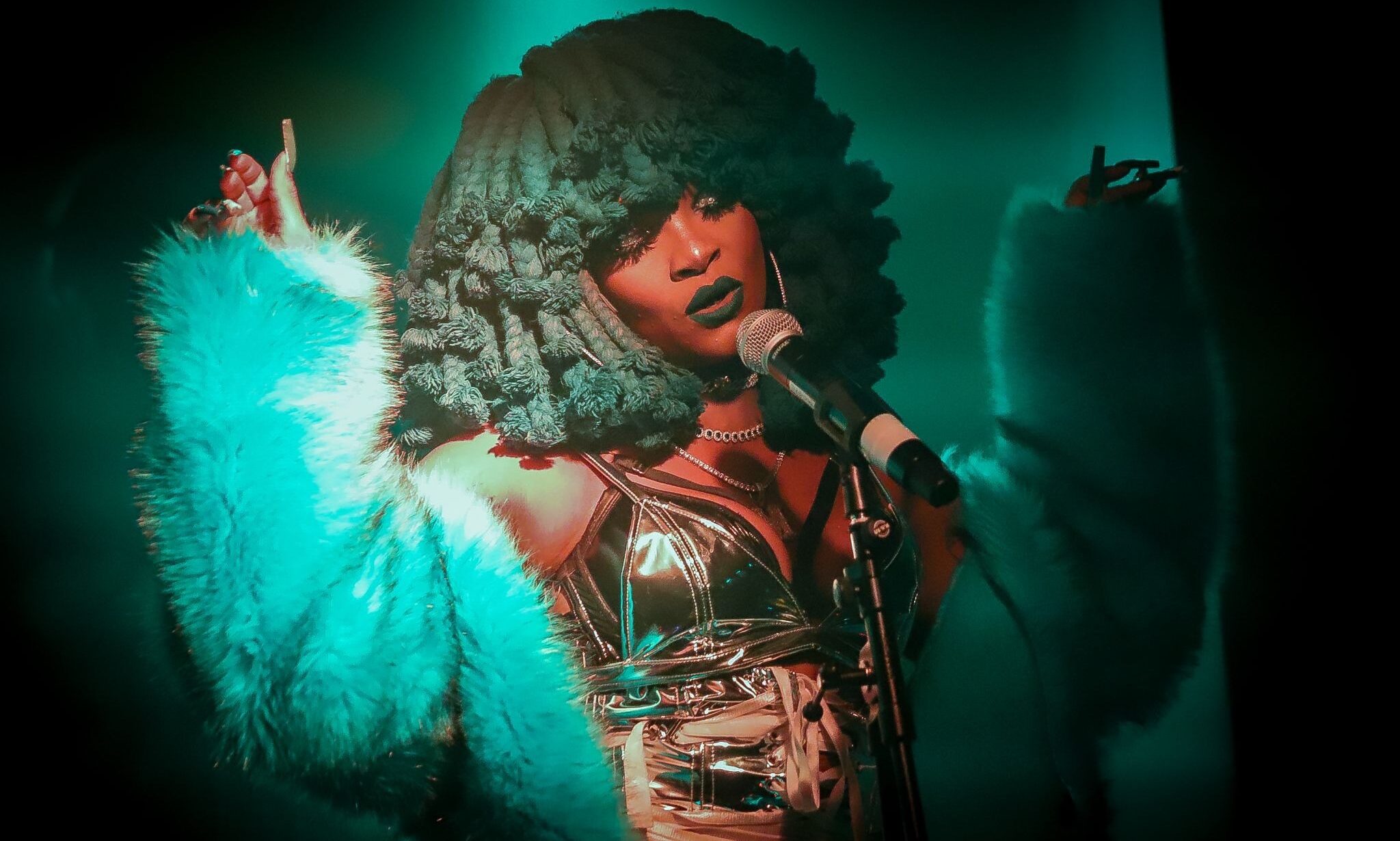
The Music In Africa Foundation (MIAF) is proud of its partnership with the Industrial Development Corporation (IDC) as a Strategic Implementing Partner (SIP) for its Social Employment Fund (SEF). Through this collaboration, MIAF is running a national programme that is creating jobs, addressing skills gaps, and strengthening South Africa's creative industries — in line with the SEF's overarching goal to generate work for the common good and build community value through employment, social contribution, and inclusive economic participation. Operating under the banner NEFCISA (National Employment Facility for Creative Industries in South Africa), the initiative is recruiting and training participants, matching them with host organisations, and has already placed 1 500 workers across the country — surpassing its original target of 1 000. NEFCISA is delivered through a network of 20 host organisations spanning five provinces, who are actively hosting participants and contributing to work for the common good across South Africa's creative and cultural industries. Key Objectives: Support employment and entrepreneurship in the creative industries. Offer skills development and training programmes. Foster partnerships between public and private creative sectors. Promote South African creativity at both provincial and national levels Foster community development through social contribution.

ACCES
ACCES

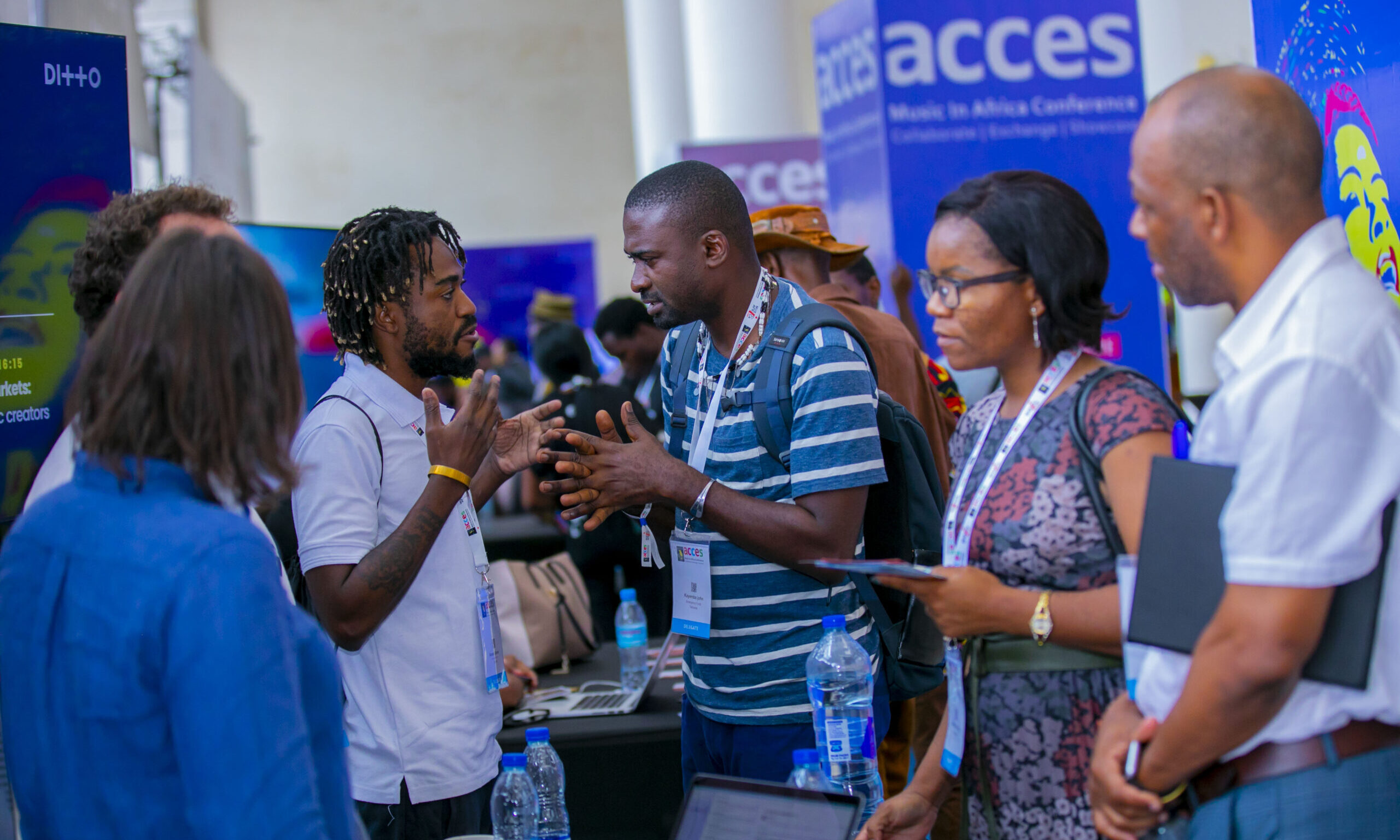
ACCES Conference and Showcase Festival is Africa's leading music industry gathering, bringing together the people shaping the future of the continent's music business. Artists, entrepreneurs, executives, investors, policymakers and cultural leaders from across Africa and around the world come to ACCES to build partnerships, exchange ideas, discover talent and create new business opportunities. Since its launch in 2017, ACCES has become the continent's premier platform for professional exchange and music market development. Combining a high-level conference with a curated showcase festival, networking, exhibitions and industry programmes, ACCES offers a unique space where creativity meets business and where African music connects with the global industry.

Gender@Work
Gender@Work

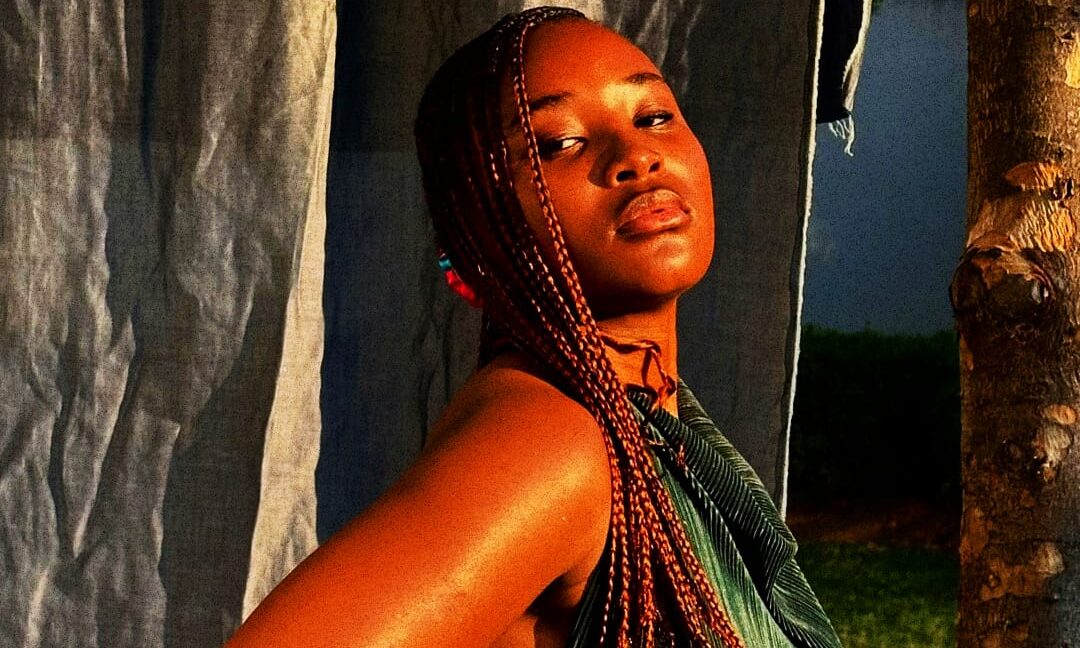
Music In Africa Gender @ Work is a three-year training programme aimed at upskilling and increasing the participation of female professionals in the African music sector. Launched by the Music In Africa Foundation (MIAF) in April 2019, the programme is connected to the MIAF’s ACCES music conference – a pan-African event held in a different African country every year. This connection enables the programme to reach new participants in a different African country every year. The programme marks the beginning of a more concerted effort by the Foundation to support the participation and inclusion of women in all facets of its programmes and the music sector in Africa as a whole. Over the three years, the programme will aim to address gender imbalances in the sector through training, lobbying, facilitating knowledge exchange and dialogues that foster the interest of women. The broader objectives of the programme are to: Provide industry training for women on critical music industry skills, focusing on: Stage management Electronic music production and recording Music business management Technical knowledge Provide an opportunity for both professional and aspiring women to benefit from the Music In Africa network and its broad range of activities in 2019, 2020 and 2021. Provide a solution-based platform in the form of a round table at ACCES with a view to identify challenges, discuss opportunities and lobby for the interests of female practitioners. Offer participants the opportunity to benefit from programmes offered by MIAF’s partners. Increase access to educational materials. Integrate participants in the broader ACCES programme to maximise experience and exposure to the industry. Record and present training materials on the www.musicinafrica.net, including but not limited to tutorials, templates and other best-practice materials. Communicate women-based themes that support the initiatives and messages of the programme. MAIN TRAINING ACTIVITIES Training in first country (Ghana): In the first year, participants will be trained on all aspects of stage management by a team of experienced stage managers from 10 to 17 November 2019. The programme will offer robust classroom training as well as practical, hands-on training in which participants will also be given the opportunity to manage various aspects of the ACCES performance programme. Training in second country: The second training iteration will take place at ACCES 2020 when the programme will diversify its course to include music production lessons and training on other music business topics. A round-table platform will also be introduced to coincide with the ACCES programme. Training in third country: The third training iteration will take place at ACCES 2021 in a different country, offering an advanced course. HOW DO YOU GET INVOLVED?  As a participant, facilitator or trainer: The programme enrolls up to 12 trainees every year. All opportunities are advertised publicly on this website, and will be added to this page. Please keep checking this page for new calls (below under UPDATES & CURRENT OPPORTUNITIES). As a partner Please contact Claire Metais at [email protected]. APPLY The call for applications for 2020 will be announced soon. The Music In Africa Gender @ Work programme is made possible with the support of the Prince Claus Fund, Siemens Stiftung and Goethe-Institut.

Sound Connects Fund
Sound Connects Fund

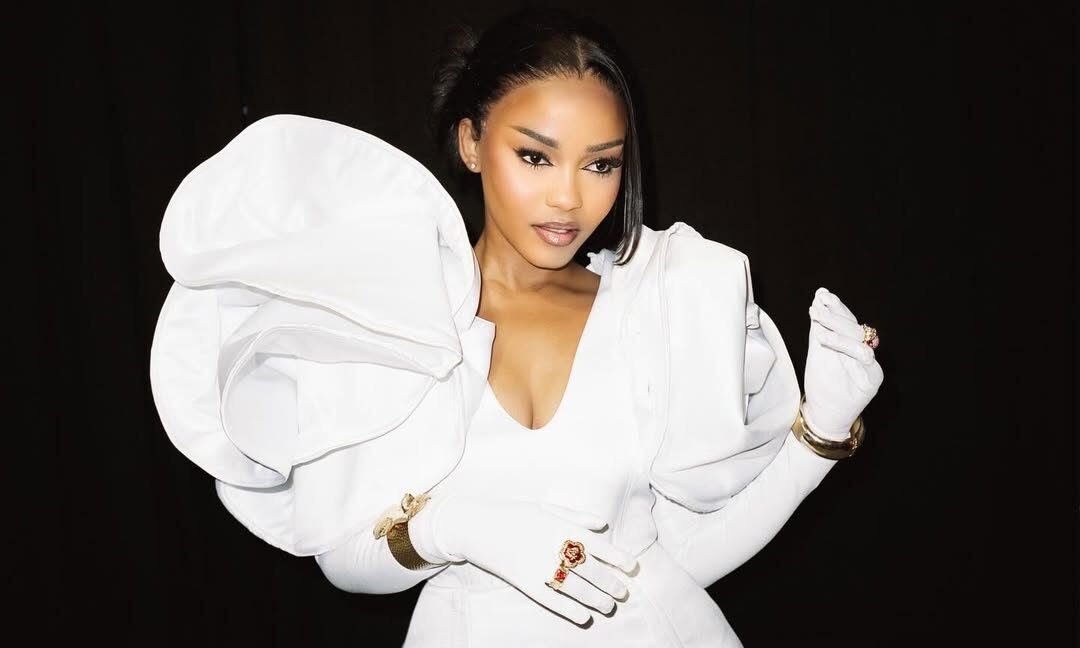
For cultural and creative practitioners and organisations operating in southern Africa, access to funding remains a major challenge. The COVID-19 pandemic has also had a massive impact on government policy, spending and the economy in general, and has seen spending on culture being moved further down the list of priorities. Further, the cultural and creative industries repeatedly cite four main areas where investment is needed for growth, which are increased visibility, mobility including access to new markets, finance and support structures.

Instrument Building And Repair Project

Experience the Vibrations African Instruments Exhibition online in 3D

# Afro pop

It’s Time for Wizkid to Start Considering Legacy

23 Aug 2018 - 12:29

cc-img flag-img

It’s Time for Wizkid to Start Considering Legacy

By Ama Udofa

Nigerian artiste Wizkid is well on his way to attaining legendary status and has already has been compared to Fela Kuti in some circles, but the pop star hasn’t just done enough performance-wise and his PR needs serious revival. He needs to wake up to the reality of changing times. Music is becoming more than just pretty faces and catchy hooks; music artistes are now making statements. This article examines his career so far and looks into why Wizkid should up his game in order to make his music as well as his person worthy of immortalization.

Wizkid

Love him, hate him, or find a comfy spot atop the fence, the hitmaker has arguably earned bragging rights as the most prominent entertainment export from Africa.

Perhaps with an uncanny sense of foretelling, Wizkid had already acknowledged this superstar status since 2011. Since then, his growth has been swift, sustained and with no significant breaks in transmission. At just 27, having won every major award on the continent, broken into the international scene with a bang, the highlight of his career so far was selling out at the Royal Albert Hall late last year.

A famous venue which has played host to the likes of Fritz Lang, Shirley Bassey, and Stevie Wonder, you cannot help but feel proud of the young man even if you’re not a fan of his music (or lifestyle). The show which was filmed live ubiquitously on the internet as well as on his official social media pages was met with generally effusive reactions from the crowd. He held the racially diverse 500+ audience spellbound for the full duration of his headlining act, belting out throwback songs such as ‘Jaiye Jaiye,’ ‘Ojuelegba,’ and his more recent crossover sounds.

Before this, he was ranked fifth on Top 10 Richest/Bankable African Artists on Forbes and Channel O's 2013 lists. He was also the first Nigerian music artist to reach one million followers on Twitter. Add these to his very weighty collection of local, continental and international awards, Wizkid is quite the achiever.

However, his career has not always been smooth roads and red wine. The very things that make people famous can often also be the things that cause their downfall. And while Wizkid’s sheer brilliance have over the years overshadowed his long list of faux pas, his career is currently in danger of the cumulative effect of his mistakes adding up.

Wizkid is a product of a generation of artistes who prioritize lavish spending and rolling out hit singles and net busters over craft and technicality; an “anyway na way” approach if you like. For many players in the current Nigerian music demography, artistry and stagecraft are unknown concepts. This can be seen in the pervading culture of lip-synching at live performances and a general lack of lyricism.

This is a pitfall that Wizkid has not been able to escape.

The somewhat hidden danger that comes with having such a massive cache of hit songs across Africa is that it’s not difficult to get complacent. Lip synching often does not speak well for the art. What is the point of having fans pay crazy amounts of money to watch their favorite acts perform, yet making them sit through a cacophony of auto-piloted performances geared to help the artistes cheat their way through live shows?

We could have just stayed at home and played your songs on the stereo.

A sharp contrast to Phyno or Dagrin, Wizkid is neither a pacesetter nor an innovator. He merely rides on trends rather than create them. Also, while he has a distinctive vocal play, he isn’t exactly a great singer, especially as his vocal range has reduced significantly since Superstar days. Songwriting skills? Suffering from a chronic case of Chronic Deficiencia.

Sure enough, Wizkid is well on his way to attaining legendary status (already has been compared to Fela Kuti in some circles, but the pop star hasn’t just done enough as a performing artiste. He needs to wake up to the reality of changing times. Music is becoming more than just pretty faces and catchy hooks; artistes are now making statements. Sure, hit singles will make you famous, but consistent excellent live performances usually separate the sheep from lions.

There is also the issue of under-par PR. He has had his share of distasteful fights on social media, trolling naysayers and spewing misogyny-laden rants directed at bloggers. All of these may win him love among Twitter’s ‘children of anger,’ but you cannot get over the feeling that his brand is now bigger than his ego, and his energies could instead be directed at creating a legacy.

Right now, Wizkid is firmly at the apogee of contemporary Afro-pop culture and packaged alongside his reedy voice and self-belief, can become even an even bigger icon. But he needs to realize that while his ascent to such a high level was rapid, it takes discipline, effort, and character to sustain it.

And he simply has to start showing more.

Please log in to post a comment.

Most popular

Disclaimer: Music In Africa provides a platform for musicians and contributors to embed music and videos solely for promotional purposes. If any track or video embedded on this platform violates any copyrights please inform us immediately and we will take it down. Please read our Terms of Use for more.

newsletter banner

Subscribe to our monthly Newsletter

Follow us on social media