






















NEFCISA
NEFCISA

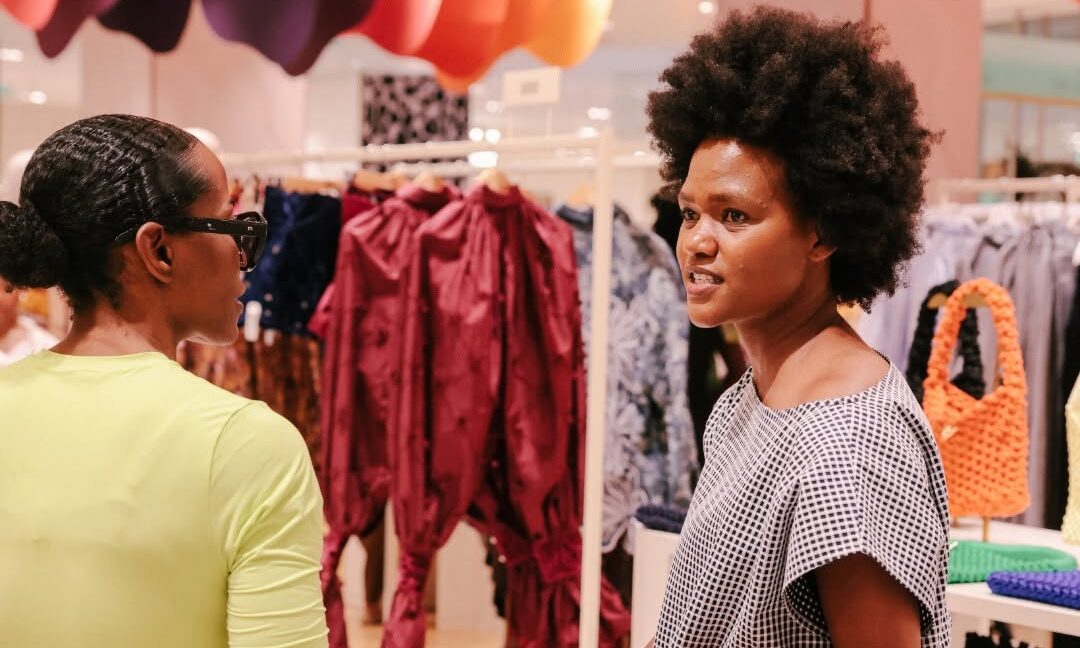
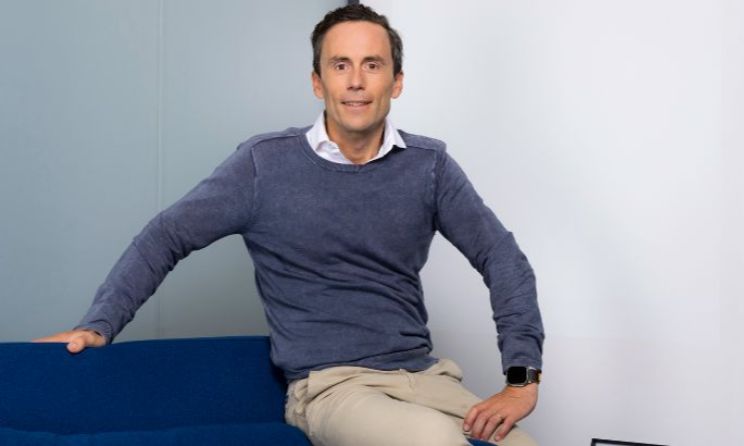
The Music In Africa Foundation (MIAF) is proud of its partnership with the Industrial Development Corporation (IDC) as a Strategic Implementing Partner (SIP) for its Social Employment Fund (SEF). Through this collaboration, MIAF is running a national programme that is creating jobs, addressing skills gaps, and strengthening South Africa's creative industries — in line with the SEF's overarching goal to generate work for the common good and build community value through employment, social contribution, and inclusive economic participation. Operating under the banner NEFCISA (National Employment Facility for Creative Industries in South Africa), the initiative is recruiting and training participants, matching them with host organisations, and has already placed 1 500 workers across the country — surpassing its original target of 1 000. NEFCISA is delivered through a network of 20 host organisations spanning five provinces, who are actively hosting participants and contributing to work for the common good across South Africa's creative and cultural industries. Key Objectives: Support employment and entrepreneurship in the creative industries. Offer skills development and training programmes. Foster partnerships between public and private creative sectors. Promote South African creativity at both provincial and national levels Foster community development through social contribution.

ACCES
ACCES

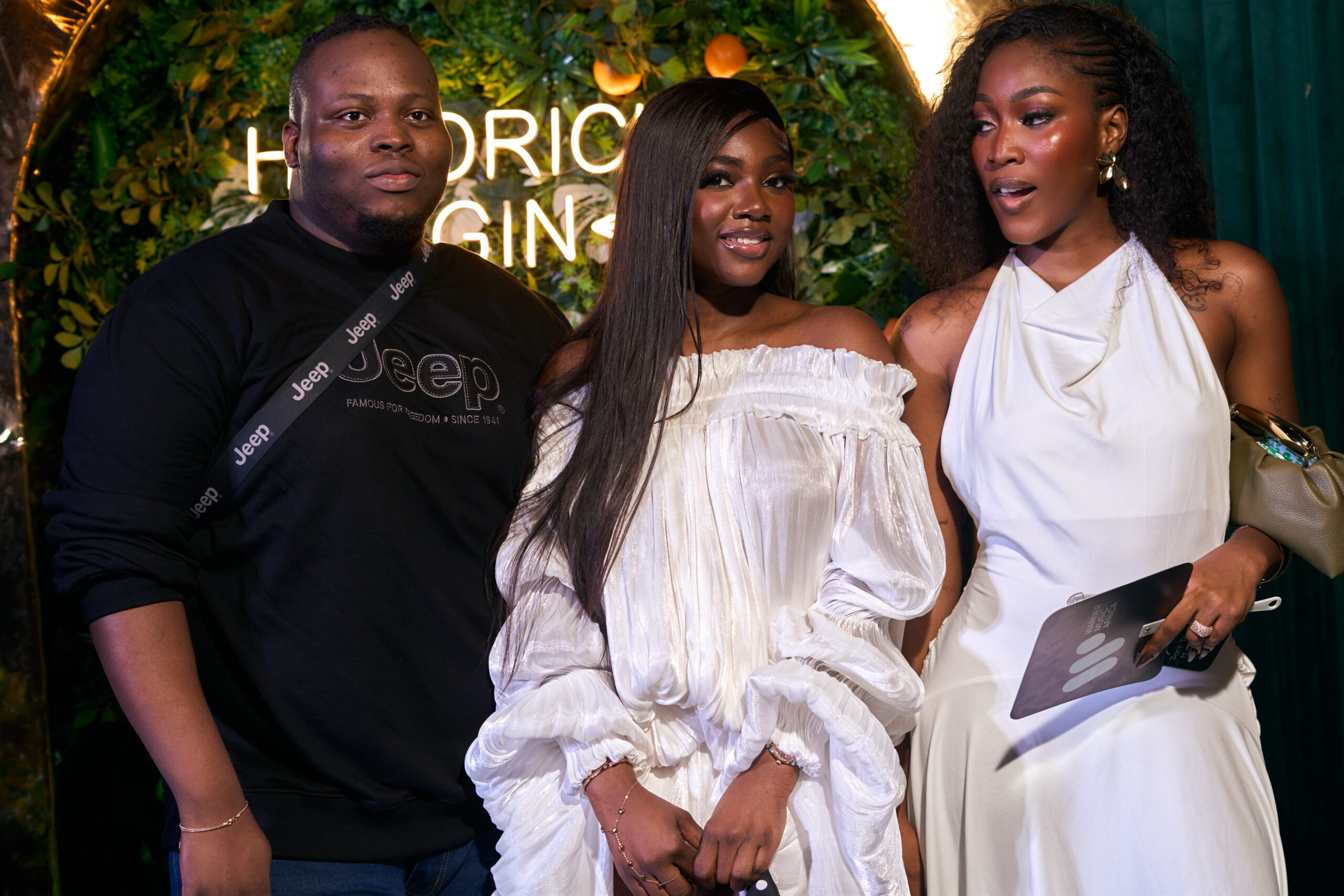
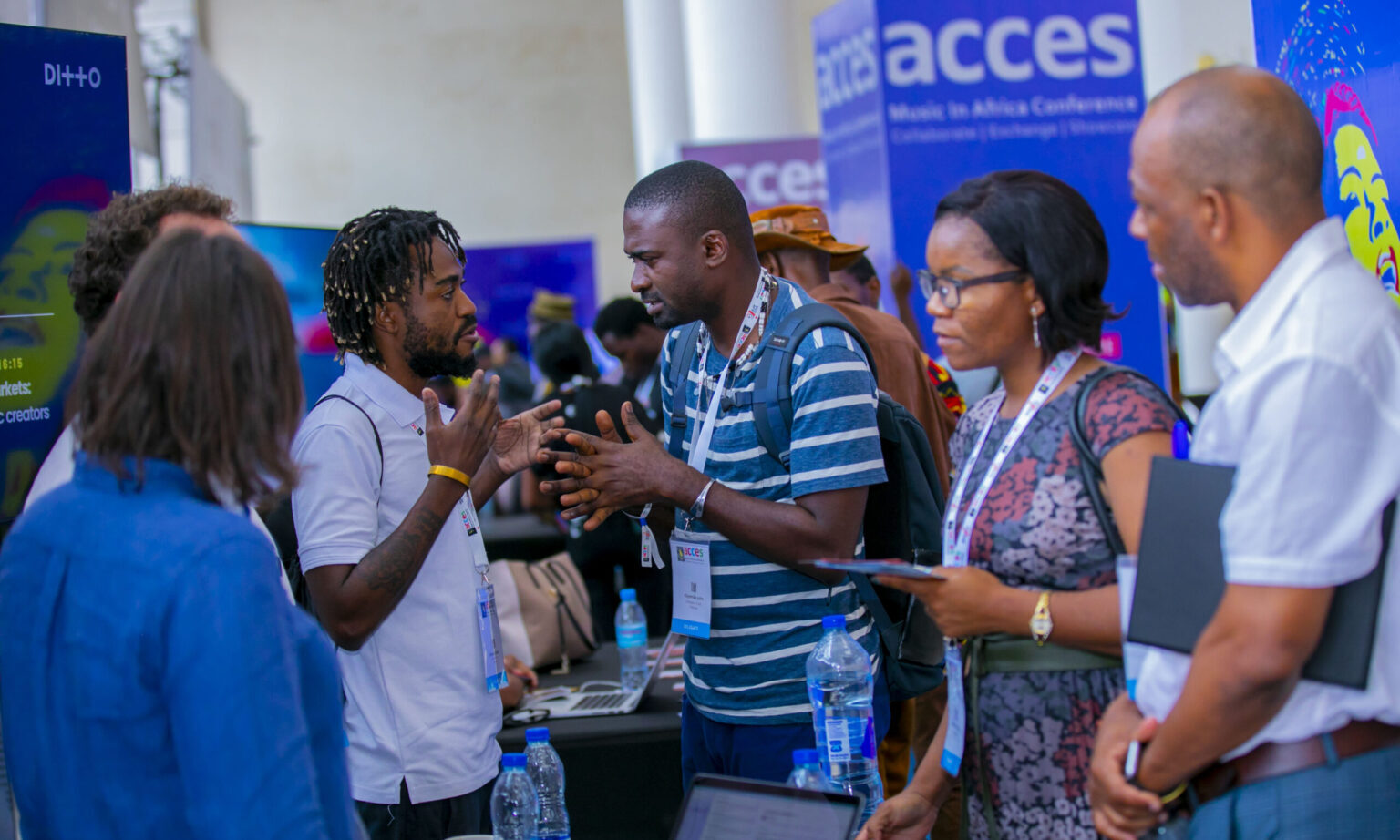
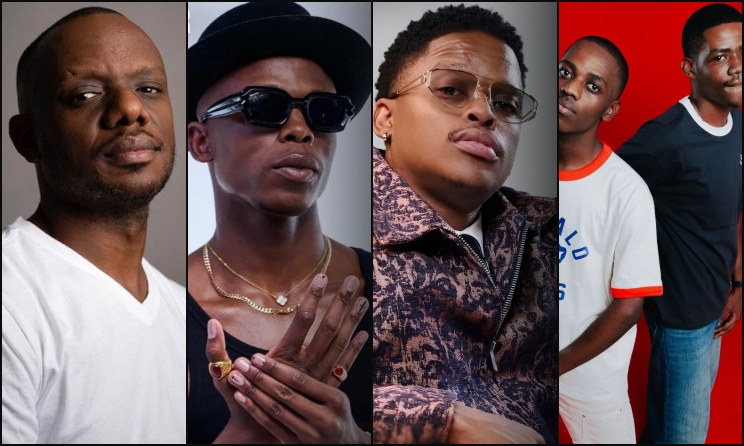
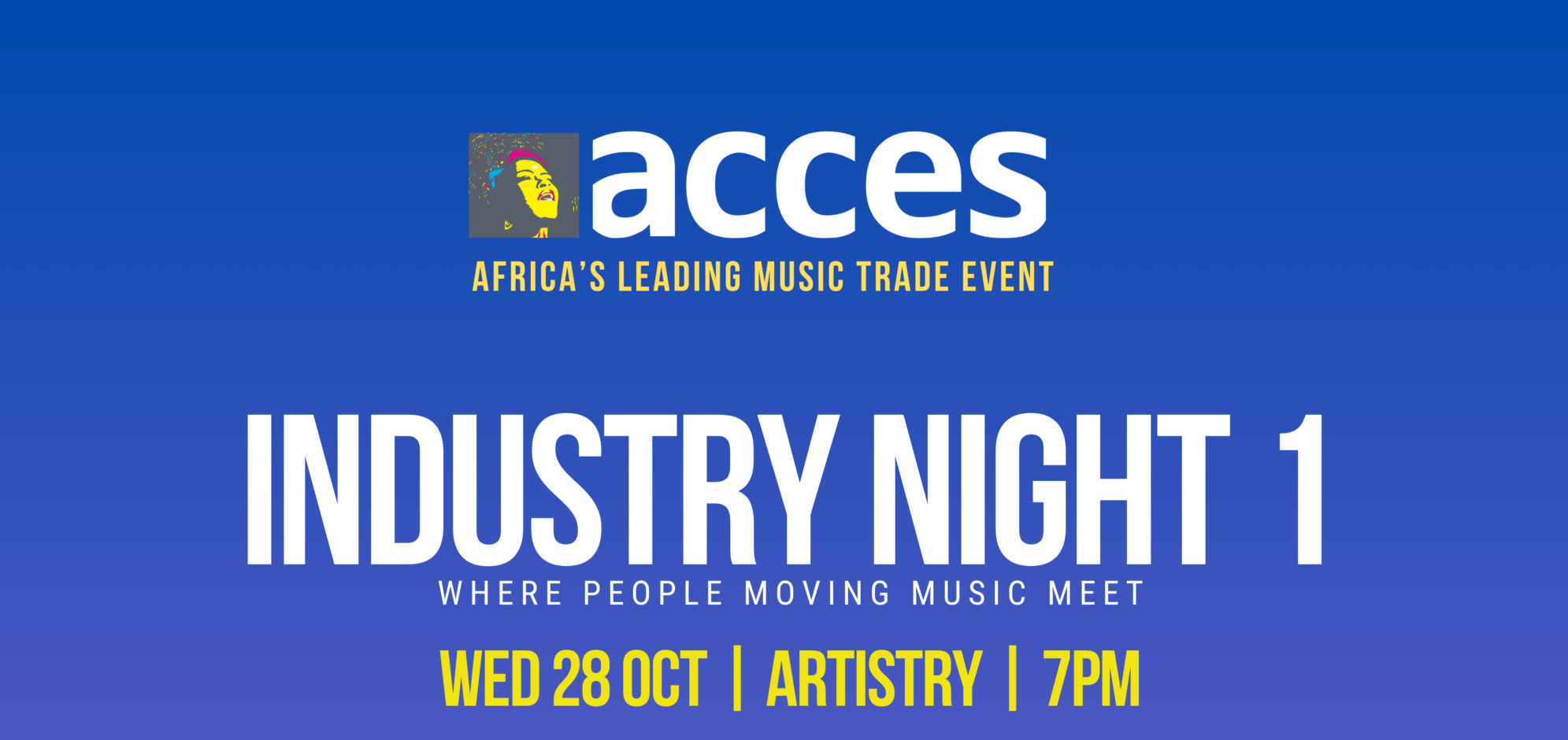
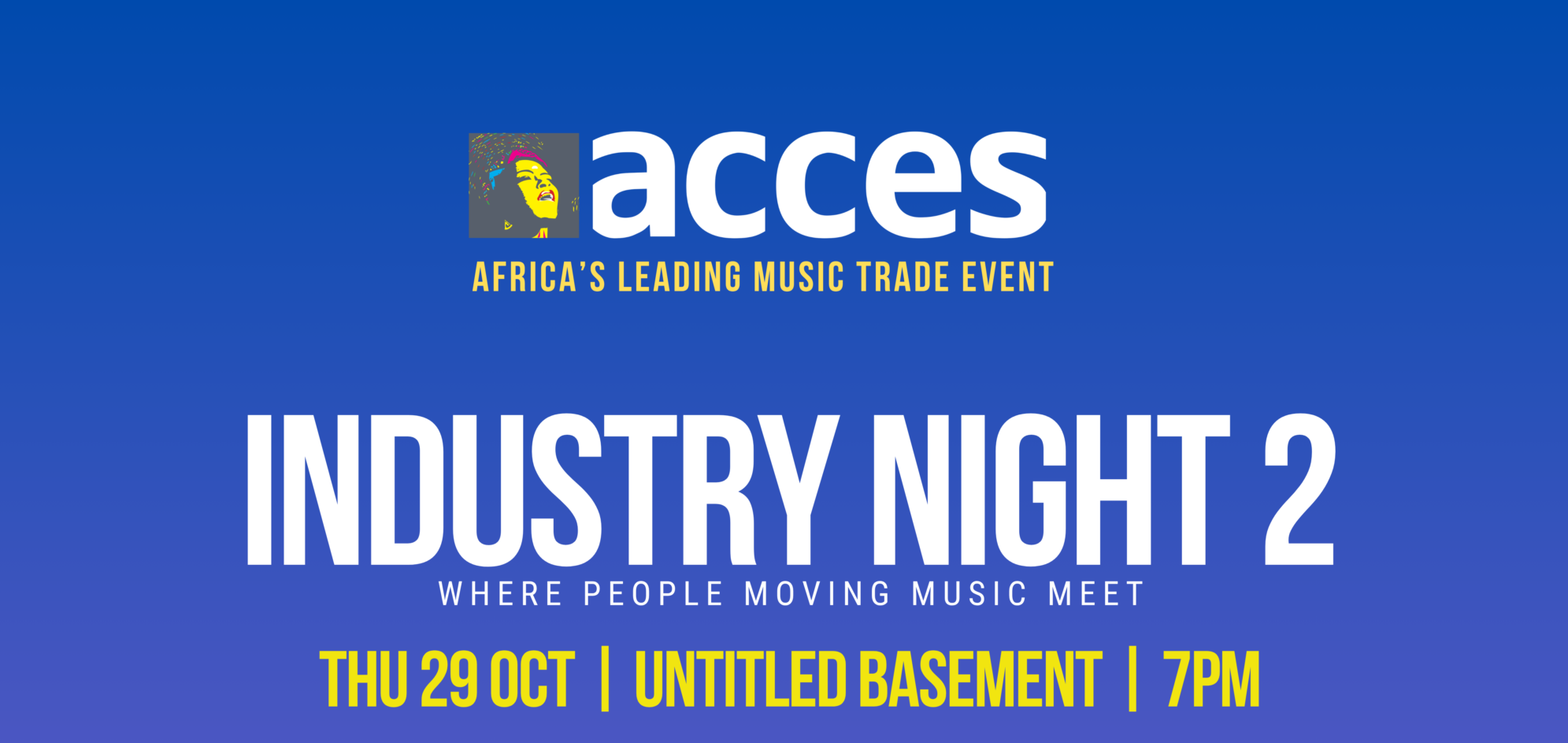
ACCES Conference and Showcase Festival is Africa's leading music industry gathering, bringing together the people shaping the future of the continent's music business. Artists, entrepreneurs, executives, investors, policymakers and cultural leaders from across Africa and around the world come to ACCES to build partnerships, exchange ideas, discover talent and create new business opportunities. Since its launch in 2017, ACCES has become the continent's premier platform for professional exchange and music market development. Combining a high-level conference with a curated showcase festival, networking, exhibitions and industry programmes, ACCES offers a unique space where creativity meets business and where African music connects with the global industry.

Gender@Work
Gender@Work

Music In Africa Gender @ Work is a three-year training programme aimed at upskilling and increasing the participation of female professionals in the African music sector. Launched by the Music In Africa Foundation (MIAF) in April 2019, the programme is connected to the MIAF’s ACCES music conference – a pan-African event held in a different African country every year. This connection enables the programme to reach new participants in a different African country every year. The programme marks the beginning of a more concerted effort by the Foundation to support the participation and inclusion of women in all facets of its programmes and the music sector in Africa as a whole. Over the three years, the programme will aim to address gender imbalances in the sector through training, lobbying, facilitating knowledge exchange and dialogues that foster the interest of women. The broader objectives of the programme are to: Provide industry training for women on critical music industry skills, focusing on: Stage management Electronic music production and recording Music business management Technical knowledge Provide an opportunity for both professional and aspiring women to benefit from the Music In Africa network and its broad range of activities in 2019, 2020 and 2021. Provide a solution-based platform in the form of a round table at ACCES with a view to identify challenges, discuss opportunities and lobby for the interests of female practitioners. Offer participants the opportunity to benefit from programmes offered by MIAF’s partners. Increase access to educational materials. Integrate participants in the broader ACCES programme to maximise experience and exposure to the industry. Record and present training materials on the www.musicinafrica.net, including but not limited to tutorials, templates and other best-practice materials. Communicate women-based themes that support the initiatives and messages of the programme. MAIN TRAINING ACTIVITIES Training in first country (Ghana): In the first year, participants will be trained on all aspects of stage management by a team of experienced stage managers from 10 to 17 November 2019. The programme will offer robust classroom training as well as practical, hands-on training in which participants will also be given the opportunity to manage various aspects of the ACCES performance programme. Training in second country: The second training iteration will take place at ACCES 2020 when the programme will diversify its course to include music production lessons and training on other music business topics. A round-table platform will also be introduced to coincide with the ACCES programme. Training in third country: The third training iteration will take place at ACCES 2021 in a different country, offering an advanced course. HOW DO YOU GET INVOLVED?  As a participant, facilitator or trainer: The programme enrolls up to 12 trainees every year. All opportunities are advertised publicly on this website, and will be added to this page. Please keep checking this page for new calls (below under UPDATES & CURRENT OPPORTUNITIES). As a partner Please contact Claire Metais at [email protected]. APPLY The call for applications for 2020 will be announced soon. The Music In Africa Gender @ Work programme is made possible with the support of the Prince Claus Fund, Siemens Stiftung and Goethe-Institut.

Sound Connects Fund
Sound Connects Fund

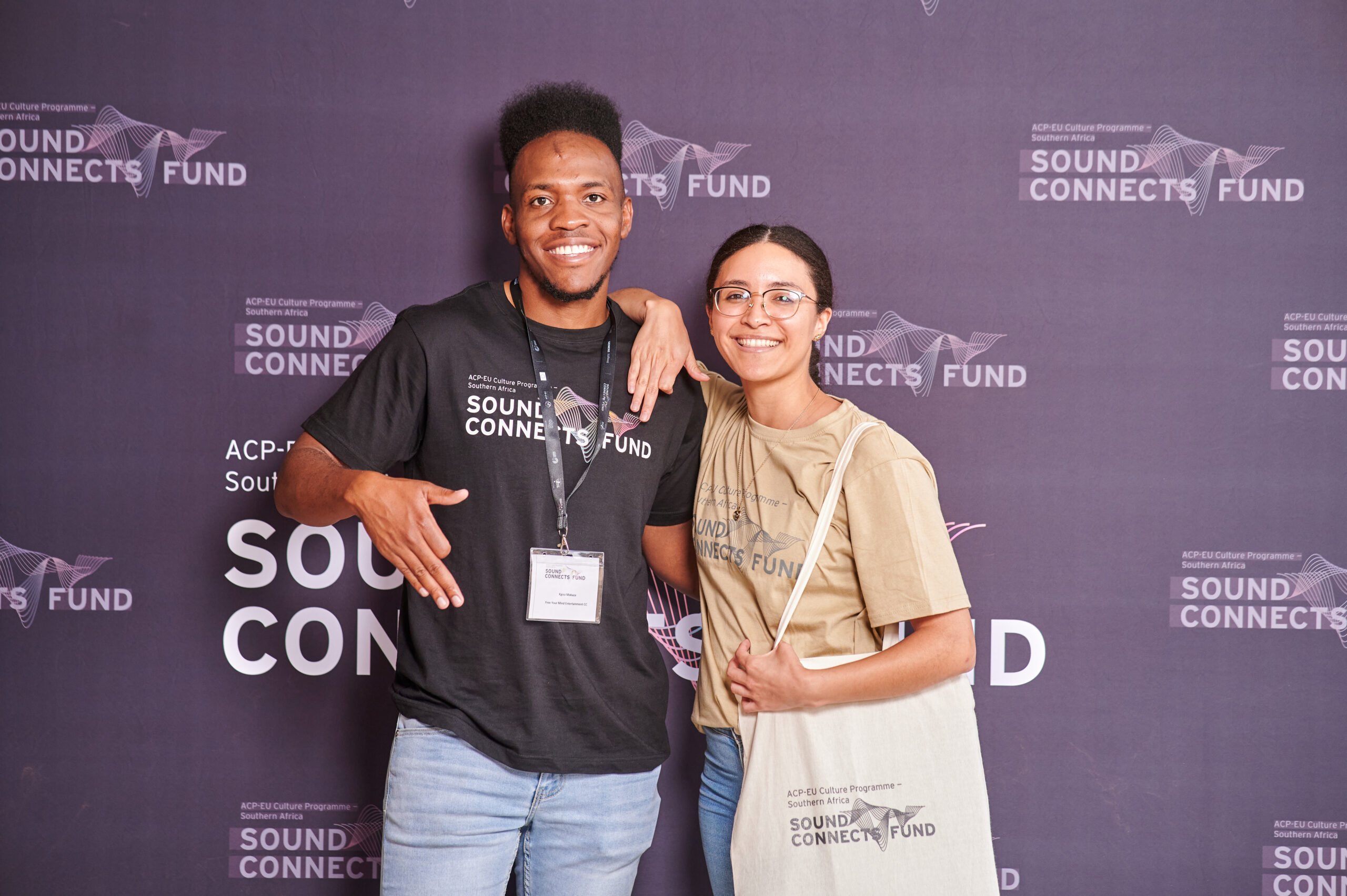
For cultural and creative practitioners and organisations operating in southern Africa, access to funding remains a major challenge. The COVID-19 pandemic has also had a massive impact on government policy, spending and the economy in general, and has seen spending on culture being moved further down the list of priorities. Further, the cultural and creative industries repeatedly cite four main areas where investment is needed for growth, which are increased visibility, mobility including access to new markets, finance and support structures.

Instrument Building And Repair Project

Experience the Vibrations African Instruments Exhibition online in 3D

Umm Kulthum
linkedin

Profile added by Ndumiso Duze on 26 Mar 2026

Claim this profile

flag-img

Egypt

In operation since:

2026

Contact person:

Umm Kulthum

BIO

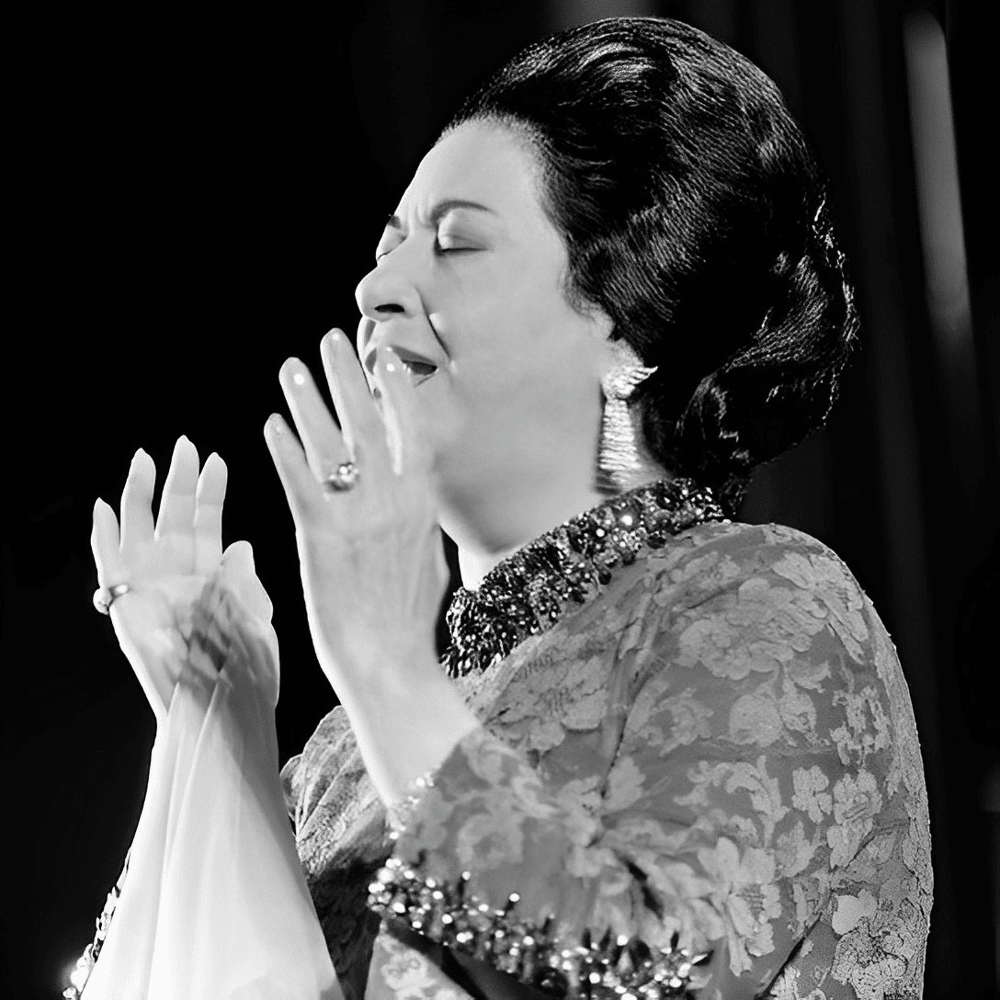
Umm Kulthum (Fatima Ibrahim es-Sayyid el-Beltagi). Fatima Ibrahim es-Sayyid el-Beltagi (31 December 1898 – 3 February 1975), widely known by her stage name Umm Kulthum, was a legendary Egyptian singer and film actress. She was honored with the title “Kawkab el-Sharq”, meaning “Star of the Orient.”

Renowned across the Middle East and beyond, Umm Kulthum is regarded as a national icon of Egypt and is often referred to as “The Voice of Egypt” and “Egypt’s Fourth Pyramid.” In 2023, Rolling Stone ranked her at number 61 on its list of the 200 Greatest Singers of All Time.


Early Life and Background:

  • Full Name: Fatima Ibrahim as-Sayed El-Beltagi
  • Date of Birth: 31 December 1898
  • Place of Birth: Tamay ez-Zahayra, Senbellawein, Dakahlia, Egypt
  • Date of Death: 3 February 1975 (aged 76)
  • Place of Death: Cairo, Egypt


Born into a religious family, her father, Ibrahim es-Sayyid el-Beltagi, was an imam, and her mother, Fatmah el-Maleegi, was a homemaker. Umm Kulthum began singing at a young age, learning by listening to her father teach her brother. She also memorized the Qur’an, which influenced her vocal strength and pronunciation.

Because public singing was not considered appropriate for girls at the time, her father initially dressed her as a boy during performances. She began by singing religious hymns before transitioning into mainstream music.


Career:

Umm Kulthum moved to Cairo in the early 1920s, where her career flourished. She collaborated with prominent poets and composers, including:

  • Ahmed Rami
  • Mohamed El Qasabgi
  • Zakaria Ahmed
  • Riad El Sunbati
  • Baligh Hamdi
  • Mohammed Abdel Wahab


Musical Style:

Her music blended traditional Arabic music with classical poetry and modern composition. She was known for:

  • A powerful contralto voice
  • Deep emotional expression
  • Long, complex musical performances

Her concerts often lasted several hours, typically featuring only two or three songs, allowing for deep improvisation and audience interaction.


Notable Works:

Some of her most famous songs include:

  • Ya Laylat al-Eid
  • Wallāh Zamān
  • Yā Silāḥī
  • Inta Omri
  • Al Atlal
  • Alf Laila wa Laila
  • Seret El Hob
  • Rubaiyat Omar Khayyam


Film Career:

She also starred in six films, including:

  • Weddad (1936)
  • Sallama (1945)
  • National Influence and Legacy

Umm Kulthum played a significant cultural and political role in Egypt. Her music symbolized Egyptian identity and unity, particularly during times of national struggle. After the 1967 Arab-Israeli War, she toured Arab and European countries, performing concerts to raise funds for Egypt’s war effort under the slogan “Art for the War Effort”. Although health issues prevented her from performing during the 1973 victory celebrations, she remained actively involved by visiting wounded soldiers and supporting national morale. She received official recognition from President Anwar Sadat for her contributions.


Photos

No photos available

Music

Coming soon

Videos

Coming soon

Social Networks and Websites

Disclaimer: Music In Africa provides a platform for musicians and contributors to embed music and videos solely for promotional purposes. If any track or video embedded on this platform violates any copyrights please inform us immediately and we will take it down. Please read our Terms of Use for more.

newsletter banner

Subscribe to our monthly Newsletter

Follow us on social media