





































NEFCISA
NEFCISA

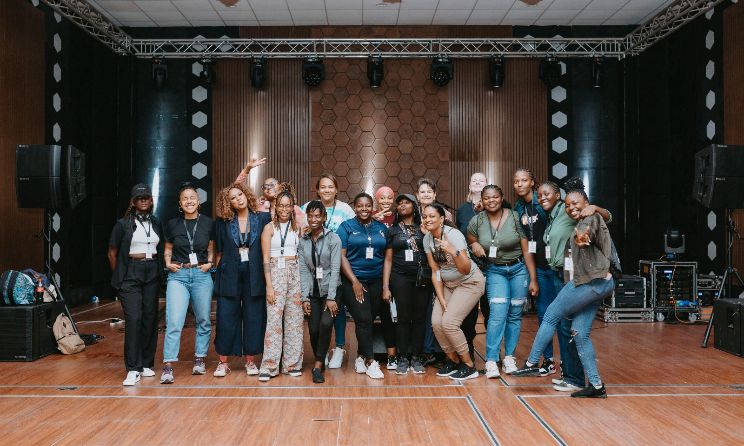
The Music In Africa Foundation (MIAF) is proud of its partnership with the Industrial Development Corporation (IDC) as a Strategic Implementing Partner (SIP) for its Social Employment Fund (SEF). Through this collaboration, MIAF is running a national programme that is creating jobs, addressing skills gaps, and strengthening South Africa's creative industries — in line with the SEF's overarching goal to generate work for the common good and build community value through employment, social contribution, and inclusive economic participation. Operating under the banner NEFCISA (National Employment Facility for Creative Industries in South Africa), the initiative is recruiting and training participants, matching them with host organisations, and has already placed 1 500 workers across the country — surpassing its original target of 1 000. NEFCISA is delivered through a network of 20 host organisations spanning five provinces, who are actively hosting participants and contributing to work for the common good across South Africa's creative and cultural industries. Key Objectives: Support employment and entrepreneurship in the creative industries. Offer skills development and training programmes. Foster partnerships between public and private creative sectors. Promote South African creativity at both provincial and national levels Foster community development through social contribution.

ACCES
ACCES

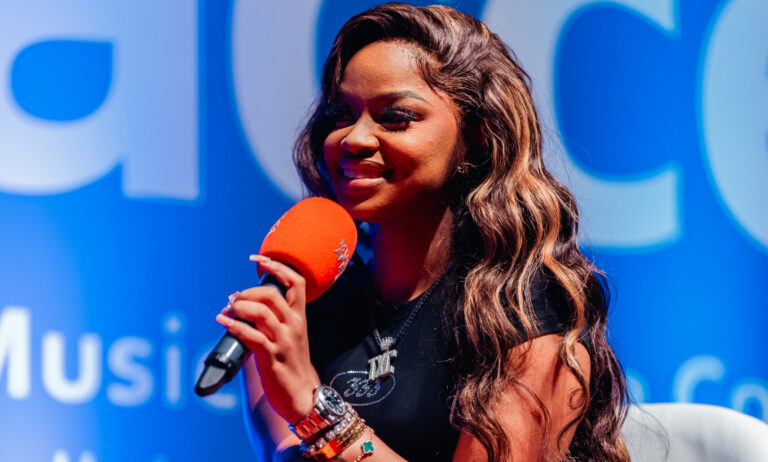
ACCES Conference and Showcase Festival is Africa's leading music industry gathering, bringing together the people shaping the future of the continent's music business. Artists, entrepreneurs, executives, investors, policymakers and cultural leaders from across Africa and around the world come to ACCES to build partnerships, exchange ideas, discover talent and create new business opportunities. Since its launch in 2017, ACCES has become the continent's premier platform for professional exchange and music market development. Combining a high-level conference with a curated showcase festival, networking, exhibitions and industry programmes, ACCES offers a unique space where creativity meets business and where African music connects with the global industry.

Gender@Work
Gender@Work

Music In Africa Gender @ Work is a three-year training programme aimed at upskilling and increasing the participation of female professionals in the African music sector. Launched by the Music In Africa Foundation (MIAF) in April 2019, the programme is connected to the MIAF’s ACCES music conference – a pan-African event held in a different African country every year. This connection enables the programme to reach new participants in a different African country every year. The programme marks the beginning of a more concerted effort by the Foundation to support the participation and inclusion of women in all facets of its programmes and the music sector in Africa as a whole. Over the three years, the programme will aim to address gender imbalances in the sector through training, lobbying, facilitating knowledge exchange and dialogues that foster the interest of women. The broader objectives of the programme are to: Provide industry training for women on critical music industry skills, focusing on: Stage management Electronic music production and recording Music business management Technical knowledge Provide an opportunity for both professional and aspiring women to benefit from the Music In Africa network and its broad range of activities in 2019, 2020 and 2021. Provide a solution-based platform in the form of a round table at ACCES with a view to identify challenges, discuss opportunities and lobby for the interests of female practitioners. Offer participants the opportunity to benefit from programmes offered by MIAF’s partners. Increase access to educational materials. Integrate participants in the broader ACCES programme to maximise experience and exposure to the industry. Record and present training materials on the www.musicinafrica.net, including but not limited to tutorials, templates and other best-practice materials. Communicate women-based themes that support the initiatives and messages of the programme. MAIN TRAINING ACTIVITIES Training in first country (Ghana): In the first year, participants will be trained on all aspects of stage management by a team of experienced stage managers from 10 to 17 November 2019. The programme will offer robust classroom training as well as practical, hands-on training in which participants will also be given the opportunity to manage various aspects of the ACCES performance programme. Training in second country: The second training iteration will take place at ACCES 2020 when the programme will diversify its course to include music production lessons and training on other music business topics. A round-table platform will also be introduced to coincide with the ACCES programme. Training in third country: The third training iteration will take place at ACCES 2021 in a different country, offering an advanced course. HOW DO YOU GET INVOLVED?  As a participant, facilitator or trainer: The programme enrolls up to 12 trainees every year. All opportunities are advertised publicly on this website, and will be added to this page. Please keep checking this page for new calls (below under UPDATES & CURRENT OPPORTUNITIES). As a partner Please contact Claire Metais at [email protected]. APPLY The call for applications for 2020 will be announced soon. The Music In Africa Gender @ Work programme is made possible with the support of the Prince Claus Fund, Siemens Stiftung and Goethe-Institut.

Sound Connects Fund
Sound Connects Fund

For cultural and creative practitioners and organisations operating in southern Africa, access to funding remains a major challenge. The COVID-19 pandemic has also had a massive impact on government policy, spending and the economy in general, and has seen spending on culture being moved further down the list of priorities. Further, the cultural and creative industries repeatedly cite four main areas where investment is needed for growth, which are increased visibility, mobility including access to new markets, finance and support structures.

Instrument Building And Repair Project

Experience the Vibrations African Instruments Exhibition online in 3D

Features

5 emerging reggae artists in East Africa

03 Aug 2016 - 05:41

cc-img flag-img

There is no shortage of reggae talent across Africa.
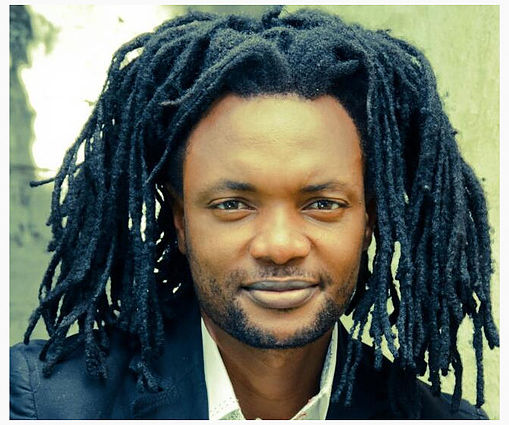
Ugandan artist Jamal Wasswa. Photo: www.jamalwaswa.com

In East Africa, reggae acts such as Uganda's Bebe Cool are established stars, having recently celebrated two decades in the music industry. Ethiopia also has strong affiliations to reggae music - for example, it is the only African country with a statue in honour of Jamaican reggae icon Bob Marley.

While artists representing the older generation of East African reggae have cemented their place on their local music scenes, a new crop of fresh reggae talent is emerging to ensure that the genre remains relevant in East Africa. Here we select five young reggae artists - one each from Ethiopia, Kenya, Rwanda, Uganda and Tanzania - who are keeping reggae alive in the region.

1. Sami Dan (Ethiopia)

Ethiopia’s reggae scene might be experiencing challenges as many of the established reggae venues have shut down, but up-and-coming artists like Sami Dan have not given up. The artist first emerged on the Ethiopian reggae scene in 2014 and now has his eyes set on propelling Ethiopian reggae to new heights. In May 2016 Sami released his debut full-length album, Keras Gar Negeger (loosely translated to 'speaking to oneself') - on the contrary, Sami’s music has got many people dancing across Ethiopia.

Sami’s rapid rise to fame has seen him leading the nominations for the upcoming Leza Awards in September 2016, including Best Single for the hit ‘Tefa Yemileyen’, Best Music Video, Best New Artist as well as Best Album.


2. Gravitti Band (Kenya)

In Kenya, reggae is still a potent and powerful musical force throughout the country. New artists have emerged on the Kenyan scene to further develop the genre's long-standing popularity. Fronted by vocalist John Lyric, six-piece oufit Gravitti Band has established itself on the local scene by telling stories that are relevant to Kenya and the rest of Africa. The band started by backing other artists but recently stepped up to release their own songs, starting with '21 Gun Salute', a reggae-rock fusion honouring Africa's heroes. Gravitti Band have experimented with various musical styles, including gospel, Afro-jazz and hip-hop. They finally settled on reggae and this is where they have found their home. In June 2016 the band released a new single, 'Africa'.


3. 2T (Rwanda)

Natty Dread, Jah Borne, Ben Rutabana and the band Nyampinga need little introduction, particularly during Rwandan reggae's heyday in the early 2000s. The situation in recent years has arguably changed a little, so that music fans might now favour other genres over reggae. Artists such as 2T today lead the struggle for reggae to stay alive in Rwanda. In 2015 the artist released a catchy tune, ‘Ntakiruta Imana', to much acclaim .

2T started singing with his family when he was just five years old. During his high school years, he joined the school choir. While in college in 2005, he recorded his first song, 'Shoot the Aids'. In 2010 he joined the band Holy Jah Doves before moving to Mystic Revelation, where he fell in love with reggae music. Besides releasing music, 2T also hosts a popular radio show, 'Reggae Vibes', on Rwandan station Contact FM and runs an organisation called Music for Peace and Development, which hones skills among children and youth.


4. Jamal Waswa (Uganda)

While Rwanda reggae might be struggling to attract a loyal fanbase, neighbouring Uganda still enjoys a huge following for local reggae. Uganda’s typical style of reggae is made up mainly of ballads delivered over bouncy roots-reggae riddims, fused with Afro-pop, dancehall, funk and even Afro-Cuban influences. Beyond well-known names such as Bebe Cool, Jose Chameleone and Madoxx Ssematimba, Jamal Waswa is a Ugandan reggae artist whose music is proving popular and timeless.

After a brief hiatus from the Ugandan music scene, Jamal staged his comeback concert in October 2015. One of his best-known singles is ‘Malaika’, which he sings in Swahili to attract audiences from Kenya and Tanzania. The artist recently released a new dancefloor-friendly track, called 'Ready to Go', on which he collaborates with the likes of DJ Slick Stuart and DJ Roja.


5. Malfred (Tanzania)

Critics of Tanzanian reggae may deem the current crop of young reggae artists as lacking in talent, but Malfred is one artist who defies the criticism. His music is steeped in meaningful lyricism and with a goal to send postive social messages to listeners. Malfred emerged on the Tanzanian music scene in 2009 with the album Maisha Haya. Today he remains focused on inspiring people through his music. His latest single 'Najaribu' explores the theme of love.

Please log in to post a comment.

Most popular

Disclaimer: Music In Africa provides a platform for musicians and contributors to embed music and videos solely for promotional purposes. If any track or video embedded on this platform violates any copyrights please inform us immediately and we will take it down. Please read our Terms of Use for more.

newsletter banner

Subscribe to our monthly Newsletter

Follow us on social media