








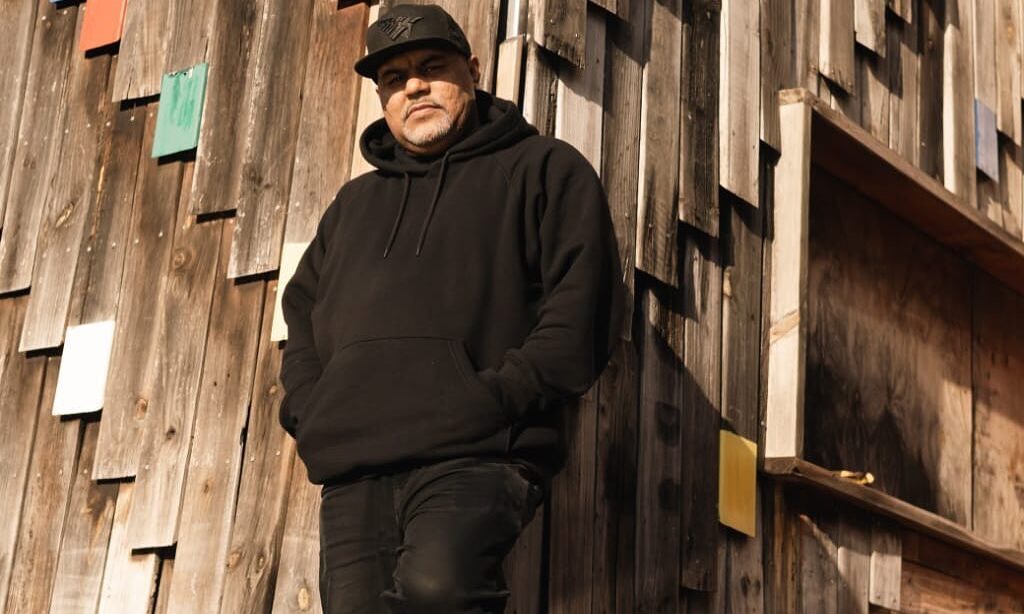

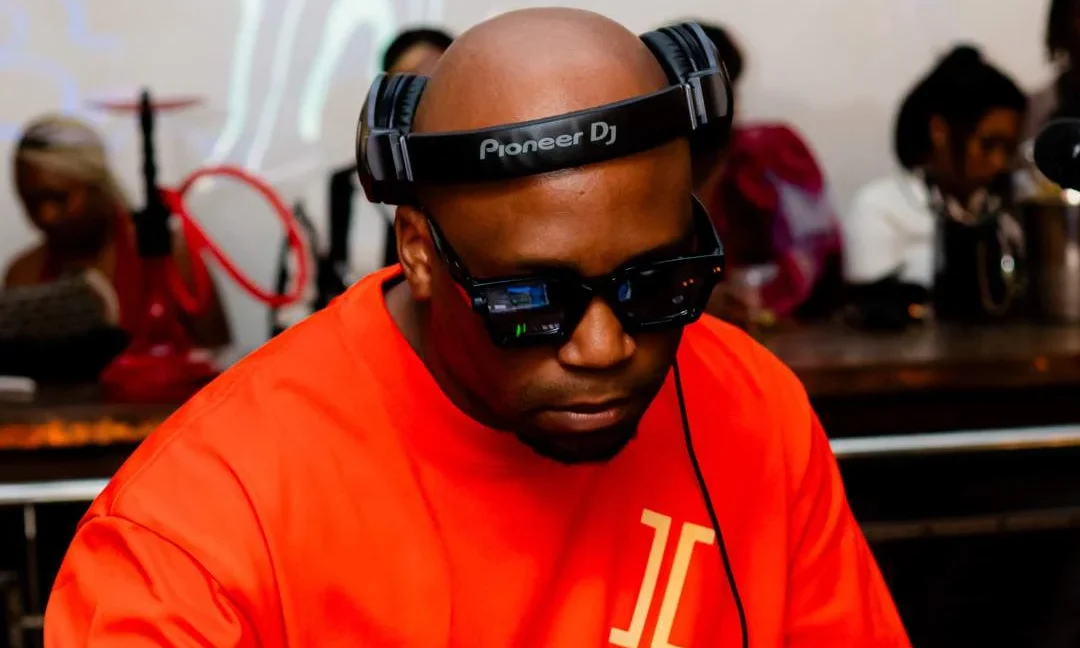




















































Atlanta based Kenyan Promoter Jey Mbiru talks shop

14 May 2018 - 00:07


Atlanta based Kenyan Dj, promoter and youth mentor, Jey Mbiru, has been organizing tours for African gospel artistes for several years now. He is a Dj and youth mentor with compassion international; touring and inspiring young people all over the USA, Canada, and Australia. Utilizing his massive networks in the gospel scene, he has organized several American tours for African gospel acts. Through his platform Sauti Award Mbiru continues to work with African artistes who are try to break into the tough but lucrative US market.

He started his career in Kenya as a Dj heading his own crew; Badilika Dj’s. Before migrating to the US he had put together several local and international concerts. Most notable was a Badilika event in 2009 headlined by gospel reggae sensation; Isaac Blackman. Mbiru moved to the US shortly after that, at first he touring several states with pop gospel group, Zaidi ya mziki, before settling in Sacramental and eventually moving to Atlanta. After finding his footing, he began organizing small shows in and around Atlanta before founding Sauti Awards. The award show highlights African gospel acts living in the Diaspora.
“We noticed that there are many talented musicians who shelve their craft when they migrate to America,” Mbiru told Music in Africa.
“The industry in the US is very competitive, highly segmented, and very hard to break into. That is why we formed this platform to give a spotlight to African gospel artistes in the Diaspora.”
Now in its fourth year, Sauti Awards https://www.youtube.com/watch?v=UnqsnNm1Io4 attracts people from all over the world to attend the three-day event. It kicks off with a concert on Friday, a red carpet gala on Saturday evening, and a barbeque on Sunday. The shows typically attract African immigrants to the US who are looking for a connection to home. Though most African acts who tour the US perform mainly to the Africans living in the US, Mbiru acknowledges there is a major opportunity to cross into the mainstream. Mbiru argues that other minority groups like the Mexicans have managed to break into the mainstream by contextualizing their culture to the American reality and working together. He admits that though Africans find it hard to make a living off music in the USA, there are those who have managed to do so by taking risks.
“One time I was attending a major festival, and a certain guy approached me with so much excitement once he realized I was from Kenya. He had heard a song he thought was from Congo and he wanted to know what it meant. Turns out it was ‘Tobina’ by Daddy Owen from Kenya,” Mbiru says.
“Americans are fascinated by anything from Africa, the market here is ready for African content, but we are not tapping into it.”
Mbiru contends that authentic African music is what will cut in America. Unfortunately, many African gospel acts still ape Western sounds; a fact that makes it hard for Mbiru to book them for an event with an American audience. A good entry point for new acts looking to break through is Church tours. Live bands that tour Churches selling their merchandise do very well in the States. Though consistent airplay remains a challenge, Mbiru continues to build his networks with the hope of getting African acts on American radio. For now, he depends on social media and basic networking to spread the word.
“A lot of African’s in the diaspora actually live stream media houses from Africa. People here keep very good networks with fellow Africans. We also have many African run churches especially in Atlanta. These grass root networks have proven to be very effective marketing tools.” Mbiru said:
Because he depends on word of mouth to market his shows, consumer satisfaction is extremely critical. Most of the people who buy tickets come to the concert to reconnect with home. It is critical for performers to bring that out in their sets, interact with the audience, and give them news of what is happening back at home. Artistes with a cut and dry attitude to performing don’t do too well. In his experience, artistes who are not down to earth or fail to give the audience a taste of home fail miserably. A failed concert at the beginning of a tour also spells doom for the rest of dates because in the Diaspora circles, word travels very fast in the grape vines.
“I have been talking to companies like Chick Fil A who hold several African themed events,” Mbiru says. “They are very excited to work with us because they often book non-African acts for their African events and they are looking to change that.”
There are about 2.1 million African immigrants living in the USA, alone. The diaspora market is fast becoming a major economic block as diaspora remittances to Africa continue to grow. Last year Egypt and Nigeria receiving over $20 billion from immigrants living in other countries. Recognizing this potential many; African companies are launching marketing efforts to tap into the Diaspora market.
“We are currently in talks with Kenyan banks, money transfer companies and real-estate developers to sponsor our events,” Mbiru says. “Cooperates are beginning to see the benefits of working with showbiz entities like us in their quest to capture the Diaspora market. There are many opportunities in the US; we just need to work together. ”


Most popular
Open call: 2026 Gender@Work music industry training in Johannesburg
09 Oct 2026

Top amapiano songs of 2026
16 Feb 2026

Top Afrobeats songs of 2026
19 Mar 2026

Top Naija songs of 2026
31 Mar 2026

Gambia: Suntou Susso announce UK tour for ‘The Path of a Griot’
09 Oct 2026

Call for applications: ACCES 2026 Emerging Artist Spotlight Competition
01 Oct 2026
Disclaimer: Music In Africa provides a platform for musicians and contributors to embed music and videos solely for promotional purposes. If any track or video embedded on this platform violates any copyrights please inform us immediately and we will take it down. Please read our Terms of Use for more.

Subscribe to our monthly Newsletter
Follow us on social media


Please log in to post a comment.