






































NEFCISA
NEFCISA

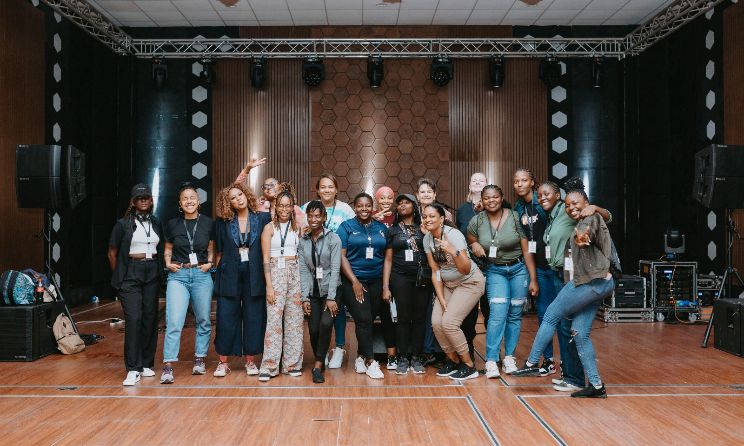
The Music In Africa Foundation (MIAF) is proud of its partnership with the Industrial Development Corporation (IDC) as a Strategic Implementing Partner (SIP) for its Social Employment Fund (SEF). Through this collaboration, MIAF is running a national programme that is creating jobs, addressing skills gaps, and strengthening South Africa's creative industries — in line with the SEF's overarching goal to generate work for the common good and build community value through employment, social contribution, and inclusive economic participation. Operating under the banner NEFCISA (National Employment Facility for Creative Industries in South Africa), the initiative is recruiting and training participants, matching them with host organisations, and has already placed 1 500 workers across the country — surpassing its original target of 1 000. NEFCISA is delivered through a network of 20 host organisations spanning five provinces, who are actively hosting participants and contributing to work for the common good across South Africa's creative and cultural industries. Key Objectives: Support employment and entrepreneurship in the creative industries. Offer skills development and training programmes. Foster partnerships between public and private creative sectors. Promote South African creativity at both provincial and national levels Foster community development through social contribution.

ACCES
ACCES

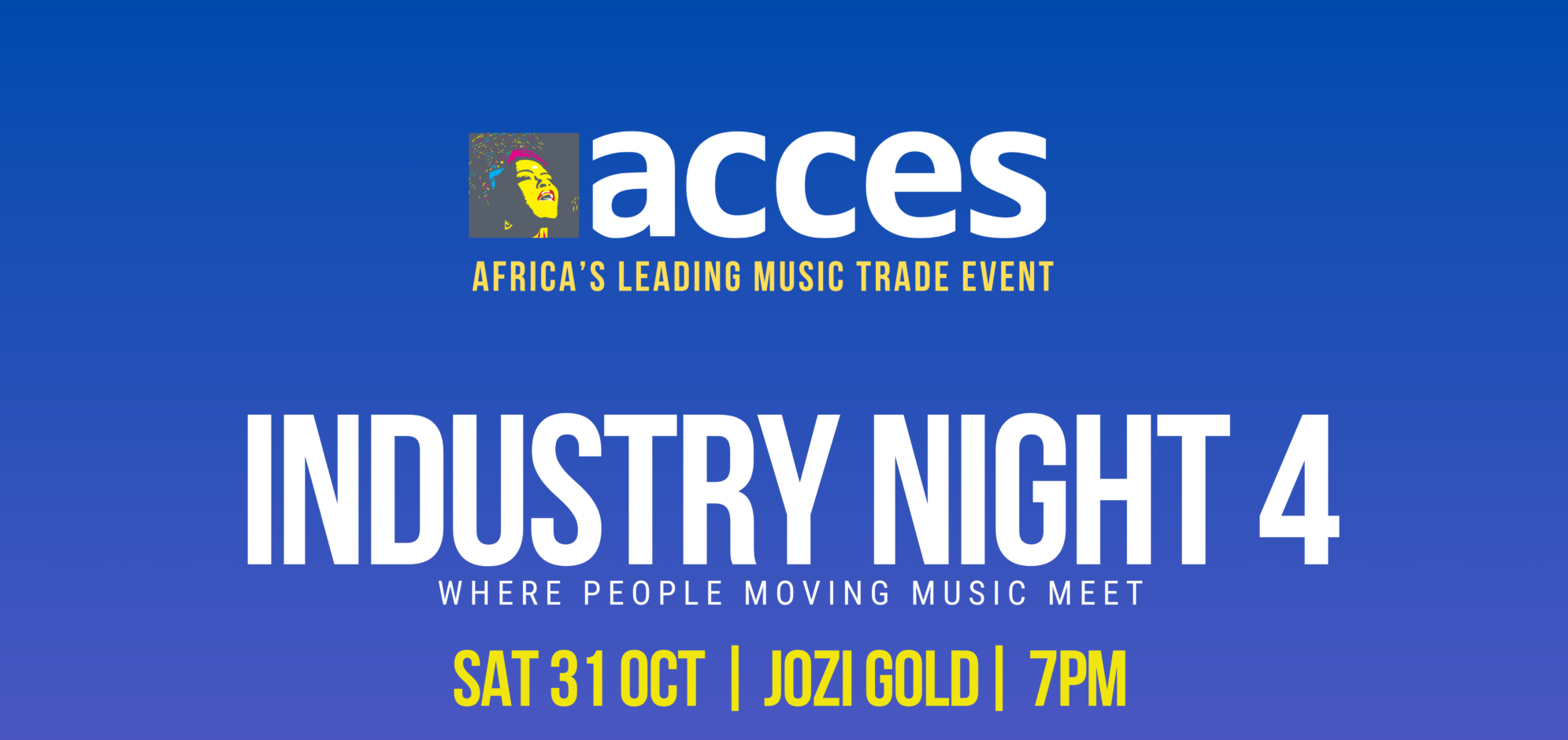
ACCES Conference and Showcase Festival is Africa's leading music industry gathering, bringing together the people shaping the future of the continent's music business. Artists, entrepreneurs, executives, investors, policymakers and cultural leaders from across Africa and around the world come to ACCES to build partnerships, exchange ideas, discover talent and create new business opportunities. Since its launch in 2017, ACCES has become the continent's premier platform for professional exchange and music market development. Combining a high-level conference with a curated showcase festival, networking, exhibitions and industry programmes, ACCES offers a unique space where creativity meets business and where African music connects with the global industry.

Gender@Work
Gender@Work

Music In Africa Gender @ Work is a three-year training programme aimed at upskilling and increasing the participation of female professionals in the African music sector. Launched by the Music In Africa Foundation (MIAF) in April 2019, the programme is connected to the MIAF’s ACCES music conference – a pan-African event held in a different African country every year. This connection enables the programme to reach new participants in a different African country every year. The programme marks the beginning of a more concerted effort by the Foundation to support the participation and inclusion of women in all facets of its programmes and the music sector in Africa as a whole. Over the three years, the programme will aim to address gender imbalances in the sector through training, lobbying, facilitating knowledge exchange and dialogues that foster the interest of women. The broader objectives of the programme are to: Provide industry training for women on critical music industry skills, focusing on: Stage management Electronic music production and recording Music business management Technical knowledge Provide an opportunity for both professional and aspiring women to benefit from the Music In Africa network and its broad range of activities in 2019, 2020 and 2021. Provide a solution-based platform in the form of a round table at ACCES with a view to identify challenges, discuss opportunities and lobby for the interests of female practitioners. Offer participants the opportunity to benefit from programmes offered by MIAF’s partners. Increase access to educational materials. Integrate participants in the broader ACCES programme to maximise experience and exposure to the industry. Record and present training materials on the www.musicinafrica.net, including but not limited to tutorials, templates and other best-practice materials. Communicate women-based themes that support the initiatives and messages of the programme. MAIN TRAINING ACTIVITIES Training in first country (Ghana): In the first year, participants will be trained on all aspects of stage management by a team of experienced stage managers from 10 to 17 November 2019. The programme will offer robust classroom training as well as practical, hands-on training in which participants will also be given the opportunity to manage various aspects of the ACCES performance programme. Training in second country: The second training iteration will take place at ACCES 2020 when the programme will diversify its course to include music production lessons and training on other music business topics. A round-table platform will also be introduced to coincide with the ACCES programme. Training in third country: The third training iteration will take place at ACCES 2021 in a different country, offering an advanced course. HOW DO YOU GET INVOLVED?  As a participant, facilitator or trainer: The programme enrolls up to 12 trainees every year. All opportunities are advertised publicly on this website, and will be added to this page. Please keep checking this page for new calls (below under UPDATES & CURRENT OPPORTUNITIES). As a partner Please contact Claire Metais at [email protected]. APPLY The call for applications for 2020 will be announced soon. The Music In Africa Gender @ Work programme is made possible with the support of the Prince Claus Fund, Siemens Stiftung and Goethe-Institut.

Sound Connects Fund
Sound Connects Fund

For cultural and creative practitioners and organisations operating in southern Africa, access to funding remains a major challenge. The COVID-19 pandemic has also had a massive impact on government policy, spending and the economy in general, and has seen spending on culture being moved further down the list of priorities. Further, the cultural and creative industries repeatedly cite four main areas where investment is needed for growth, which are increased visibility, mobility including access to new markets, finance and support structures.

Instrument Building And Repair Project

Experience the Vibrations African Instruments Exhibition online in 3D

Features

Behind the scenes of Afro-fusion in Uganda

22 Oct 2019 - 14:56

cc-img flag-img

Pearl Rhythm Festival was started by the Pearl Rhythm Foundation to introduce and strengthen traditional and fusion music in Uganda. Later this month, the festival will open the doors to its seventh edition.
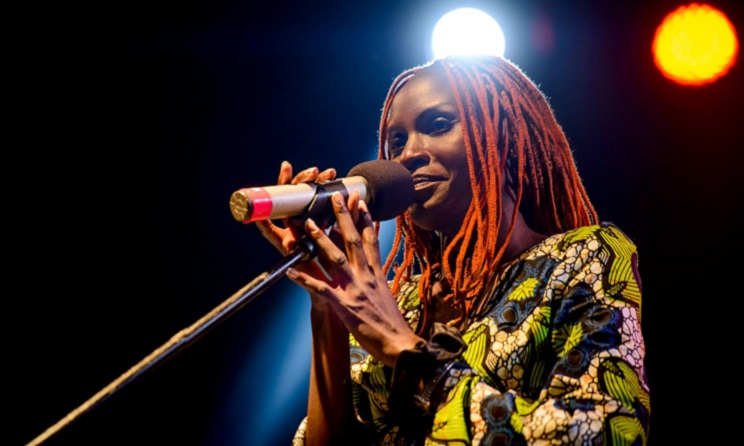
Suzan Kerunen says young audiences are warming up to Afro-fusion. Photo: Ivan Kimera

In an effort to promote less-popular genres, the foundation holds a monthly series called the Pearl Rhythm Activation, a mini-festival held at the National Theatre in Kampala on the last Monday of every month between May and September.

“We host the activations for free in partnership with the Uganda National Cultural Centre,” festival founder and musician Suzan Kerunen says. “We aim to create an identity for Ugandan music, professionalise the industry with good, unique and sustainable music and create a platform for a generation of artists who value grassroots and culture in their music.”

This year’s season has seen performances by Andereya Baguma, Lawrence Matovu, Buka Chimey with the Unique Arrangements Band, Sheba Shahai and Pelindah.

Kerunen says Afro-fusion has never been in a position to compete with the mainstream and that the money always ends up going to events that attract corporate sponsorships as opposed to upholding cultural identity. She says a lack of infrastructure combined with rampant piracy has made it difficult for alternative musicians to make a living off their music, while pop artists remain the sole earners in the country.

“Festivals and concerts geared towards modern and emerging sounds have proven to be a major money maker in this competitive industry that sees a good number of festivals and concerts each year,” she says.

Sandra Nankoma believes that Afro-fusion artists are equally talented to compete with those in the mainstream, as long as their music is of equal quality. "Only then can we get an opportunity to widen our fanbase and take our careers to a higher level," she says.

Nankoma, who is a 2019 All Africa Music Awards (AFRIMA) winner, says many Afro-fusion artists also need more experience in live performance, which is difficult to acquire due to a lack of platforms that host such acts.

On 4 October, Nankoma curated her maiden concert called the Black Dame Experience. She says the biggest challenge when organising the event was financing.

“Sponsors have not yet fully tapped into this kind of music, but we can always try to keep engaging them,” Nankoma says. "As Afro-fusion artists, we will always struggle to make it even when there are opportunities directed to us. For example, I have been nominated to participate at Visa For Music [music trade event in Morocco]. I have been searching for a travel sponsor and even applied for travel grants with no luck. I hope the corporates can buy into our music and support our elevation to the global stage, because we have the potential."

But Kerunen says there is a newfound desire for homemade music, particularly with younger Africans living in urban areas. She says pop musicians have also started looking at indigenous sounds for inspiration.

“We have managed to create an audience that values this art, and yes, they purchase tickets to these types of concerts,” she says. “Our biggest audience is the young people. They love traditional instruments, and they love live music. Ironically, the upcoming mainstream artists are now incorporating folk elements in their music.”

Pearl Rhythm Festival returns at the Uganda National Cultural Centre on 26 October with a bold line-up celebrating the indigenous cultures of Uganda, including Kenneth Mugabi, Anne Kansiime, Xenson Senkaaba, Daphine Achiro, Akongo Sings, Pelinda, Baguma and Brian Busuulwa. The line-up will also feature the DRC's Jackson Kalimba.

“We usually have four new acts out of the foundation's Stage Coach programme. So they are not known yet but are really good. The festival is usually their first appearance on a big stage. Kalimba is on our line-up because of a collaboration we are doing with the Congolese embassy to support refugees and strengthen collaborations," Kerunen said.

Please log in to post a comment.

Most popular

Disclaimer: Music In Africa provides a platform for musicians and contributors to embed music and videos solely for promotional purposes. If any track or video embedded on this platform violates any copyrights please inform us immediately and we will take it down. Please read our Terms of Use for more.

newsletter banner

Subscribe to our monthly Newsletter

Follow us on social media