




















































CISAC to award ACCES Copyright-friendly Label as it pushes for compliance in Africa

14 Oct 2024 - 14:50


The International Confederation of Societies of Authors and Composers (CISAC) is set to award the ACCES music trade event its Copyright-friendly Label in Kigali, Rwanda, this November. This will make ACCES, organised by the Music In Africa Foundation, the first music market in Africa to receive the award.
In 2019, CISAC launched the Copyright-friendly Label initiative with a view to recognising businesses and organisations that place a premium on the compensation of creators across the continent for the use of their work.
The scheme not only aims to highlight the importance of paying creators their royalties but also seeks to raise awareness of intellectual property rights among consumers of artistic works.

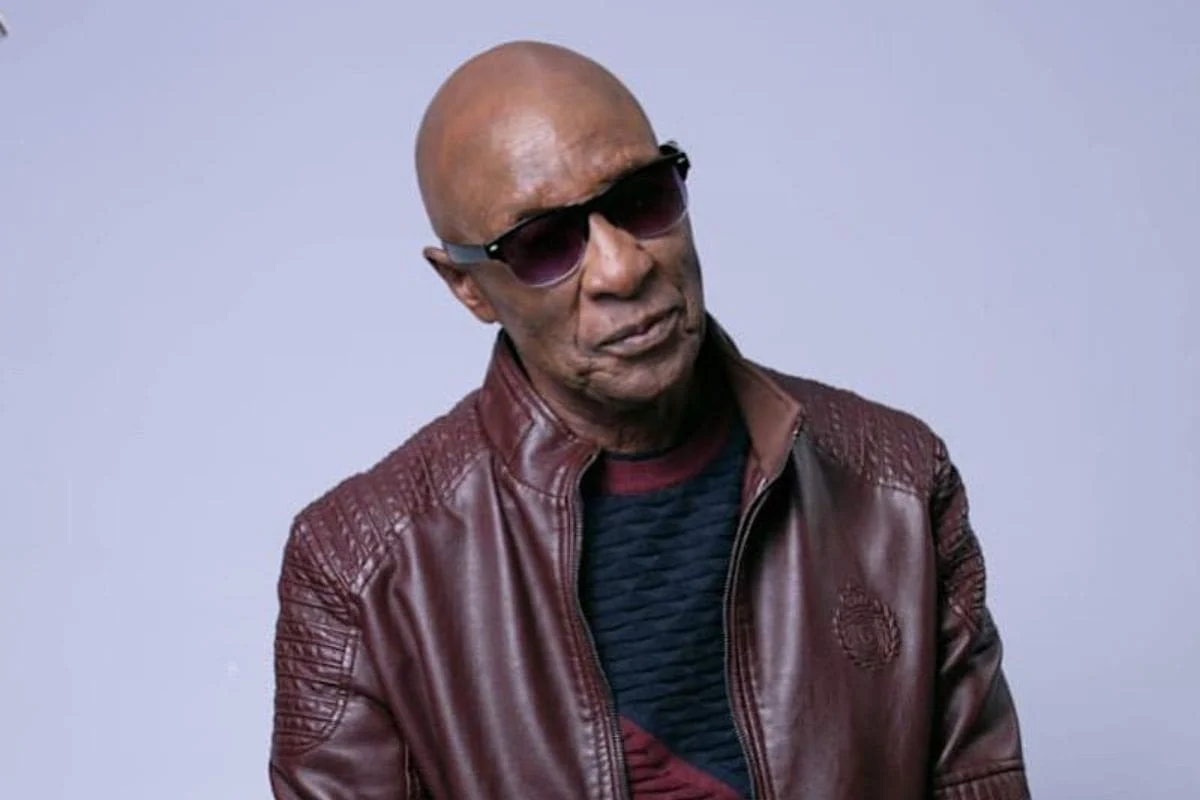
According to CISAC’s regional director for Africa, Samuel Sangwa, ACCES’ continued commitment to educating players in the African music sector about copyright laws and regulations is helping to entrench the value of the protection of the intellectual property rights of creators and owners of original works across the continent.
As the African music fraternity congregates in Kigali, Rwanda, this November for the ACCES 2024 to review the state of the continent’s industry and chart a way forward for its success, copyright compliance will continue to form a huge part of the proceedings.
Sangwa, who will speak in Kigali, tells Music In Africa more about the initiative and the need to transform copyright compliance into a business opportunity to empower artists.
MUSIC IN AFRICA: How did the Copyright-friendly Label initiative start?
SAMUEL SANGWA: Basically, this story started in the early 2010s. Copyright compliance has been a serious issue in Africa, with societies struggling to find the best way to make users pay royalties, as there is usually resistance. So instead of going to court, two societies came up with interesting ways to find a solution. The first one was in Malawi, where, at the end of the year, the copyright society would award the best compliant users a certificate on TV. I attended one event and thought that it was a very good idea because the whole idea of being on TV is good for the image of the businesses.
Later, I went to Zimbabwe and I found the opposite approach. At the end of the year, the CEO of the societies would buy space in the leading newspaper and expose the users who were not paying royalties, telling artists: “We are unable to pay your royalties because these users did not pay.” The following year, when the CEO was almost repeating the same thing, the users came out and said: “We are going to pay.”
From this, I learnt that fundamental issues like copyright compliance need to be linked to brand image. Users are prompted to act positively when copyright compliance is translated into value addition to the image. Therefore, I brought the two approaches together and created a label referred to as the Copyright-Friendly Label, and then I took it to Cape Verde for a pilot in 2019. There was an annual event called the Santa Maria Festival, which attracts 2,000 to 3,000 people, but the festival wasn’t paying royalties. So I engaged with the festival organisers and asked why they weren’t paying, and they said, “We don’t have the budget.” I later engaged with the Ministry of Culture and Tourism and the Prime Minister.
I proposed that we have a pilot where the event would be the first-ever copyright-friendly festival, and we would give them the label. At the end of the day, the mayor of Santa Maria town said he was going to pay on behalf of the festival. The government came in and said it recognised that the festival creates an economic value which is utilised by different stakeholders in the hospitality and tourism industry.
The government also made it mandatory that such events would be held in hotels that are copyright-friendly. This changed the whole narrative. This led to over 60% of the hotels going to the copyright society to pay. From there, we gave them the first-ever copyright-friendly label, which is a certification mark similar to eco-friendly labels awarded to institutions.
Later, we took it to Rabat, Morocco, a city that was considered Africa's capital of culture in 2022 and 2023, then to Burkina Faso. This year, we took the initiative to Abidjan, Ivory Coast, because there was the AFCON football tournament, where I engaged policymakers and the coordination committee and asked if they would like football to be positioned as a copyright-friendly industry. They agreed, and there is now a commitment from the organisers, the Ivory Coast FA, to pay 430,000 Euros, after agreeing that music and artwork are part of their economic model.
Who determines who should be awarded the label?
This label is granted by the local copyright society, associations of artists, and the government. All societies are affiliated to CISAC because we want to create a shift in the way we approach the licensing of users in that we want to avoid going the legal way as much as possible. We want to transform copyright compliance into a business opportunity that will empower both the artists and business owners. If you give a copyright-friendly label to a hotel, artists can recommend such places as where people and the government can do business. Thus, we are giving back the power to artists.
Why did you decide to award ACCES the label?
ACCES is the first music trade event in the East African region, which we are going to position as copyright-friendly. Our aim is to make it more extensive and that all delegates attending ACCES be hosted in copyright-friendly hotels. We are currently creating a referencing system; if you comply, we'll then ask ACCES to label the compliant hotels as copyright-friendly. We will also select restaurants and nightclubs and label them as copyright-friendly. Artists participating will also be urged to attend events that are compliant. We will also engage the audience and ask how they feel being in the first-ever event which takes the compensation of artists seriously.
We wanted to make Kigali a copyright-friendly city, with the view that going forward, any event organised in the region should be copyright-friendly. The East African region will be hosting AFCON in 2027, and we are building momentum with ACCES in the region. This would serve as an entry point to elaborate on the need to have the AFCON in the three countries as copyright-friendly.
Which are some of the countries that are doing well in terms of honouring copyrights in Africa?
Countries in West Africa such as Senegal, Ivory Coast, and Burkina Faso are doing quite well. In the Southern Africa region, South Africa, Malawi, Botswana, and Zimbabwe, despite the socio-economic and political struggle, are leading the way. In Northern Africa, Morocco, Algeria, and Egypt are doing well. The region that is lagging behind is East Africa. The situation in Uganda and Kenya is much better, while Tanzania is transitioning from state-owned copyright societies to private ones. Rwanda can improve, and we want to use ACCES to create awareness that this region needs to level up in terms of copyright compliance.
Do you think we are headed in the right direction in terms of creating awareness?
I think there is still a lot of work. Legislation is changing, and we now need a new mindset. We need the private sector and public policymakers to look at this. Serious education needs to take place so that the public can understand that the creators need this money. We are now extending the understanding of copyright-friendly from individual users to the society.


Most popular
Call for applications: ACCES 2026 Emerging Artist Spotlight Competition
01 Oct 2026

Top amapiano songs of 2026
16 Feb 2026

Top Naija songs of 2026
31 Mar 2026

Top Afrobeats songs of 2026
19 Mar 2026
Open call: 2026 Gender@Work music industry training in Johannesburg
03 Oct 2026

AFRIMA 2026: All the winners
12 Jan 2026
Disclaimer: Music In Africa provides a platform for musicians and contributors to embed music and videos solely for promotional purposes. If any track or video embedded on this platform violates any copyrights please inform us immediately and we will take it down. Please read our Terms of Use for more.

Subscribe to our monthly Newsletter
Follow us on social media


Please log in to post a comment.