




















































by Phathu Ratshilumela
Many people strive to be in the music business because they have the talent and believe that by putting their signature on the dotted line, their dreams will come true! Their desire to be one of the industry's heavyweight artists keeps them knocking on recording label's doors. Yes, it's true, most wanna-bes want to be in the music industry for a good reason, the love of music! But there are interesting factors that emerge as soon as an artist gets offered a recording deal. Yep, you are right… Recording labels don't invest in someone's musical career for charity. These labels are not there to make someone a star for nothing.
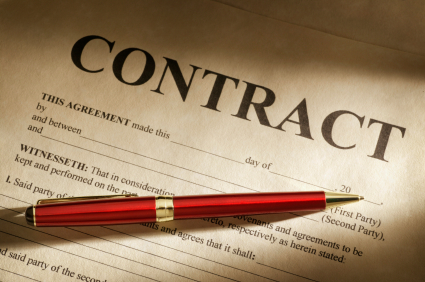
Sure, you've heard of artists who claim that their labels have ill-treated them and that they were ripped-off. After all these dilemmas, one of the interesting questions might be, do artists know what they are getting themselves into when they sign a recording contract?
Chatting to Soul Candi Label Manager, Ricardo da Costa, he said contracts are very important to an artist's career. According to him, a contract can be as short as one page or as long as sixty pages, depending on the nature of the agreement between the artist and the label.
da Costa said contracts are fairly simple but the problem is that quite often artists sign contracts without understanding what the written words mean and what they are expected to deliver. “Contracts vary with artists, but don't expect a newcomer to get a better deal than a big selling artist. Record labels will never offer the best deals to breaking artists”.
Talking about the expenses of an artist's project, he said the signing fee that the label will give to the artist as an upfront royalty payment, packaging of the project, marketing and promotional costs are repayable by an artist from their overall royalties. This means that the artist will not get any royalties for their album until the label has reclaimed the money it invested into the artist's project.
For an up and coming artist, what usually happens is that the label that the artist is being signed to pays for all the project expenses, including recording the project, producers, session artists, the mastering engineer, the packaging of the project and all promotional expenses. Like a bank, the money that the label have spent on the project is payable by the artist. As part of the agreement between the two parities, the artist will not receive any royalties till the company has re-generated the sum it spent for the project.
Let's say the record label in good faith spent R5000.00 on an artist's project and the artist's album only generated R3500.00. If this happens, it means one thing, the artist is in trouble. What usually happens is that if the royalties do not cover the company's expenses, the label will not release or clear the artist from the contract they are binded to. What they will usually do is keep the artist on board until they come up with an album that eventually covers ‘what the artist owes the label'.
Coming to different contracts that artists usually get offered, he said the most common contracts are:
Exclusive – Is a deal where the artist gives all their work or material rights to the administrator (recording company) for a certain negotiated period of time. This means that whenever an artist records or creates a song or album, the ownership and copyrights of the work will not in anyway belong to the artist but rather to their recording label.
Non-Exclusive – The owner of the work gives the administrator rights to use an agreed song once. On top of that, the administrator pays an agreed fee to the owner of the work to use the song. In other words, the administrator (recording label) will not have any ownership rights for that particular song but will use it once as agreed.
Non-Exclusive with the 1st option on Exclusive – The owner of the work keeps the ownership rights and only allows the administrator (record label) to use the song once. But if the owner decides to sign an Exclusive contract, the administrator will then have first priority for that Exclusive contract.
Note: Beware of signing Exclusive deals if you DO NOT want anyone to have ownership for your work. Also know that if you sign an Exclusive deal, it means that whatever other work you do like music for TV, Radio and advertising, music for movies, or anything along those lines, you will not retain the ownership of your work.
In the contracts, da Costa said artists should know what is due to them and how much in percentage they will get (royalties). He also said that artists should take note of all the costs that will be attached to their project and the total sum of what will be deducted from their royalties.
The industry standard in terms of the percentage of royalties that are due to the artist when they sign a contract starts from 7% (which is the basic percentage for breaking artists) to 13% (For big selling artists). However, these figures are a rough estimate of what to expect in a deal and can therefore change depending on the nature of the deal.
Da Costa said labels try by all means to limit the financial loss that they might have to face as a result of investing in an artist's project. As a result, most contracts make it clear in writing that, if the company comes across any financial strain due to their involvement in an artist's project, the artist will be then responsible for that loss. “I've heard stories of contracts that are so complex that artists end up owing the labels”.
How to avoid a bad contract? He said if you suspect that the contract you are being offered is not worth it, shop around and see if other labels will be interested in investing in your music.
To ensure that artists know what they are getting themselves into, the Soul Candi Label Manager said that artists need to be aware of the industry and invest time in learning everything related to their career. “Sure, you can be a good musician, but if you don't know the factors that bind your career, then you'll be in dark”.
You don't have to feel obliged to sign any contract if you are not happy with what you are offered. How many artists have you heard of that are fighting with their labels, claiming that they were ripped off? I don't even have to mention names!
Don't be a victim! First, if you get offered a deal, decide if you would want to give ownership of your work to the label signing you or not. If you find the contract difficult to understand, seek legal advice from someone who understands the music business. Also, know where you stand, ask yourself if getting a deal from a major label is the way you would like to go.
Originally published on www.mio.co.za


Most popular

Top Naija songs of 2026
31 Mar 2026

Top Afrobeats songs of 2026
19 Mar 2026
Ghana: Mr Eazi and MOLIY’s ‘Comfort’ earns Urban Music Awards nomination
21 Oct 2026

Top amapiano songs of 2026
16 Feb 2026
Open call: CANEX Music Business Lab and Songwriting Camp
15 Oct 2026

Nigeria: CANEX WKND unveils 2026 programme
21 Oct 2026
Disclaimer: Music In Africa provides a platform for musicians and contributors to embed music and videos solely for promotional purposes. If any track or video embedded on this platform violates any copyrights please inform us immediately and we will take it down. Please read our Terms of Use for more.

Subscribe to our monthly Newsletter
Follow us on social media


Please log in to post a comment.