
























































Cover star interview: Nigeria’s Afro-house artist Damie

16 Jan 2026 - 13:47


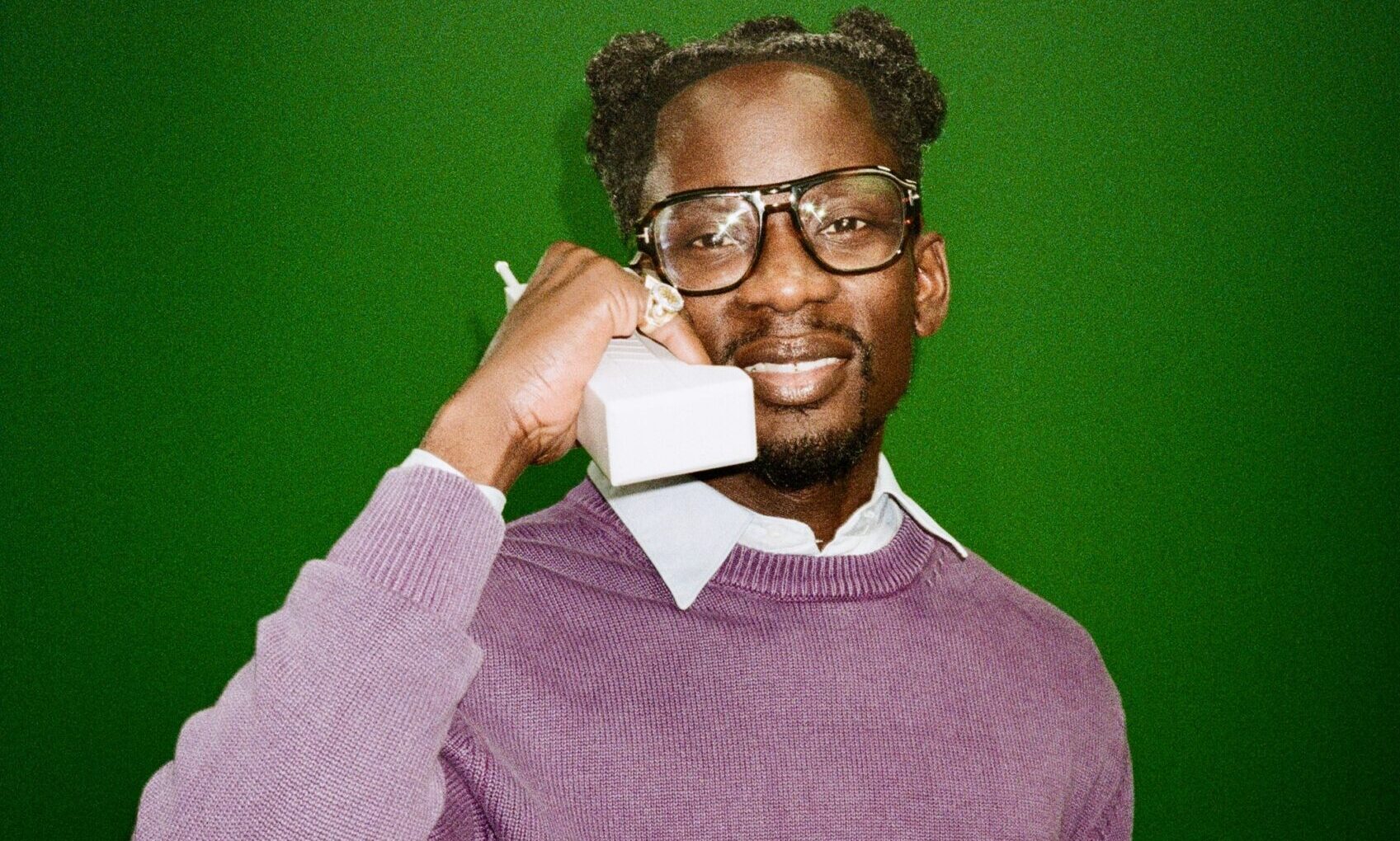
Rising Nigerian Afro-house artist and producer Damie joined Nandi Madida via FaceTime on Apple Music to talk about his latest single ‘One Minute’. He also discussed how he was introduced to Afro-house, working with Davido on his Grammy nominated album Timeless and being part of Apple Music’s Africa Rising Class of 2026.
How he was introduced to Afro-house
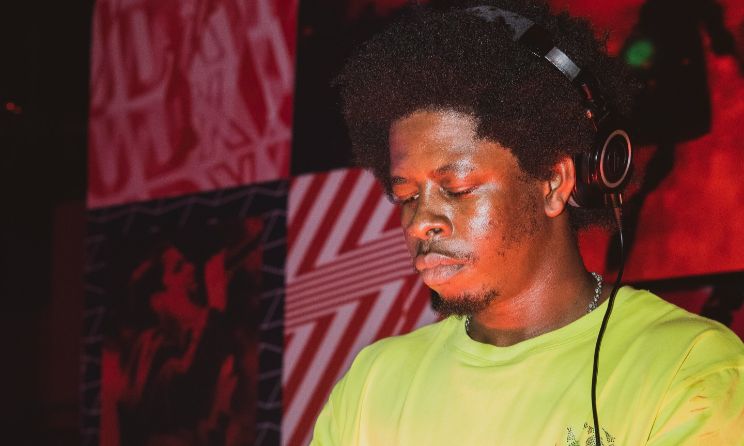
For the longest time, I think electronic music and house music has always been my favourite genre. Like, I've always loved it like long time ago. I never got the chance to express that side of me for a long time until I went to my very first rave in 2023, and that was a living house. And then I went there and I saw how people were vibing and having so much fun and I was like, oh, there's a market for this in Lagos. And then I got so excited and like immediately inspired me to just go all the way in and just start doing it. And since then, I've really locked in.
Working with Davido on Grammy nominated album Timeless
It was really amazing. When it happened, I didn’t expect it was going to happen that way. Because when I even made the song originally, we didn't think, I didn't even think it would get to where it got to like interestingly. And everybody loved it so much. Like it was so, so exciting. And then it happened because it was unexpected. And it was so exciting. And like, I was so glad that that happened at that time. Uh, so on that, I didn't like really get to work with him directly. But because I linked with him through through Fave. We sent him the idea and he loved it. Yeah, I got it back. I mean, for that, I think it was the end of the year. Fave texted me. I don't know that, oh, she has a Christmas and new year gift for me. I was just wondering what it was. And then January came and then she sent the song to my phone and I saw Davido. I was like, oh, what? I was so excited.
How he knows he’s made a hit
You should see me when I’m making music. Like, I have to dance while I’m making music. If I'm not dancing, it means I don't like it. So I’m always dancing while I'm creating. Like it has to, once it connects with me, I believe it's going to connect with every other person. When I make music, it depends a lot on how I feel. So my emotions are usually like almost all the time poured into whatever I’m making. So like, yeah, and everybody has their own stories because even when in session, sometimes I might just make a beat. And when I made it, I felt a particular type of way. And then when I’m with writers and we're writing the song, somehow the stories always just connect to what I was feeling and I find it so interesting. So like when people listen out, it would be nice if they can connect their own stories to whatever they are listening to and just connect with it in their own way and, I don’t know, the music would just like tell the rest of the story.
Being part of the Class of 2026
Right, it’s so exciting. I mean, if you had told me last year, because all this started like two years ago and if you had told me last year that, oh, everything that's happening right now will happen, I would have doubted it a bit. But seeing it all happen is so exciting. Because I dropped my first single last year called ‘Only Me’ and everybody has been loving it so far. And the album as well and finding myself here right now, is so exciting. I don't have all the words to describe it. But yeah, I’m so glad.
Making the album
Okay, while I’m creating and then whatever conversation we’re having at that time can inspire what we write or whatever emotion either Emly or Black Boy is feeling at that moment could also like be the story. I think this for this one it was Emly that inspired it because obviously nobody has time for drama when it comes to love. Everybody just want to like make sure let's choose ourselves and love ourselves no matter what and just move all out and get just get on with our story, our love story. When we all started working, we're just experimenting. Just trying different sounds and see. This is we didn't know that this was where it was going to take us. We're just trying and then I think the very first song we made was call me if I'm correct. Yeah, I think that's the very first one we and we’re like, okay, we're up to something and we've been creating more and more songs.
What the title of his album Come Back means him
It was sang majorly in Yoruba language and it just basically saying, come back to your roots, come back to where you’ve been before, or come back home. So it’s just basically cultural calling everyone, come back to your roots and find the magic that is there. And obviously, there's so much magic on tap magic. But yeah, that’s basically it. Coming back to your roots.
The making of new single ‘One Minute’
Even that One Minute song, I made it because I haven't seen my parents like in 2023. I haven't seen them like all year, almost all the year. And then I went to spend Christmas at home in 2023. I think it was December and I was just like making a bunch of songs. And it was one of the songs that I made when I was home. And I didn't even expect it. When I made it, I was just so happy and I knew, this is it. I love it so much.


Most popular

Top amapiano songs of 2026
16 Feb 2026

Call for applications: ACCES 2026 Emerging Artist Spotlight Competition
01 Oct 2026

Top Naija songs of 2026
31 Mar 2026

Open call: 2026 Gender@Work music industry training in Johannesburg
03 Oct 2026

Top Afrobeats songs of 2026
19 Mar 2026

AFRIMA 2026: All the winners
12 Jan 2026
Disclaimer: Music In Africa provides a platform for musicians and contributors to embed music and videos solely for promotional purposes. If any track or video embedded on this platform violates any copyrights please inform us immediately and we will take it down. Please read our Terms of Use for more.

Subscribe to our monthly Newsletter
Follow us on social media


Please log in to post a comment.