
















































DIY electro duo Symbiz on eclectic mission to rule the world

08 May 2018 - 11:16


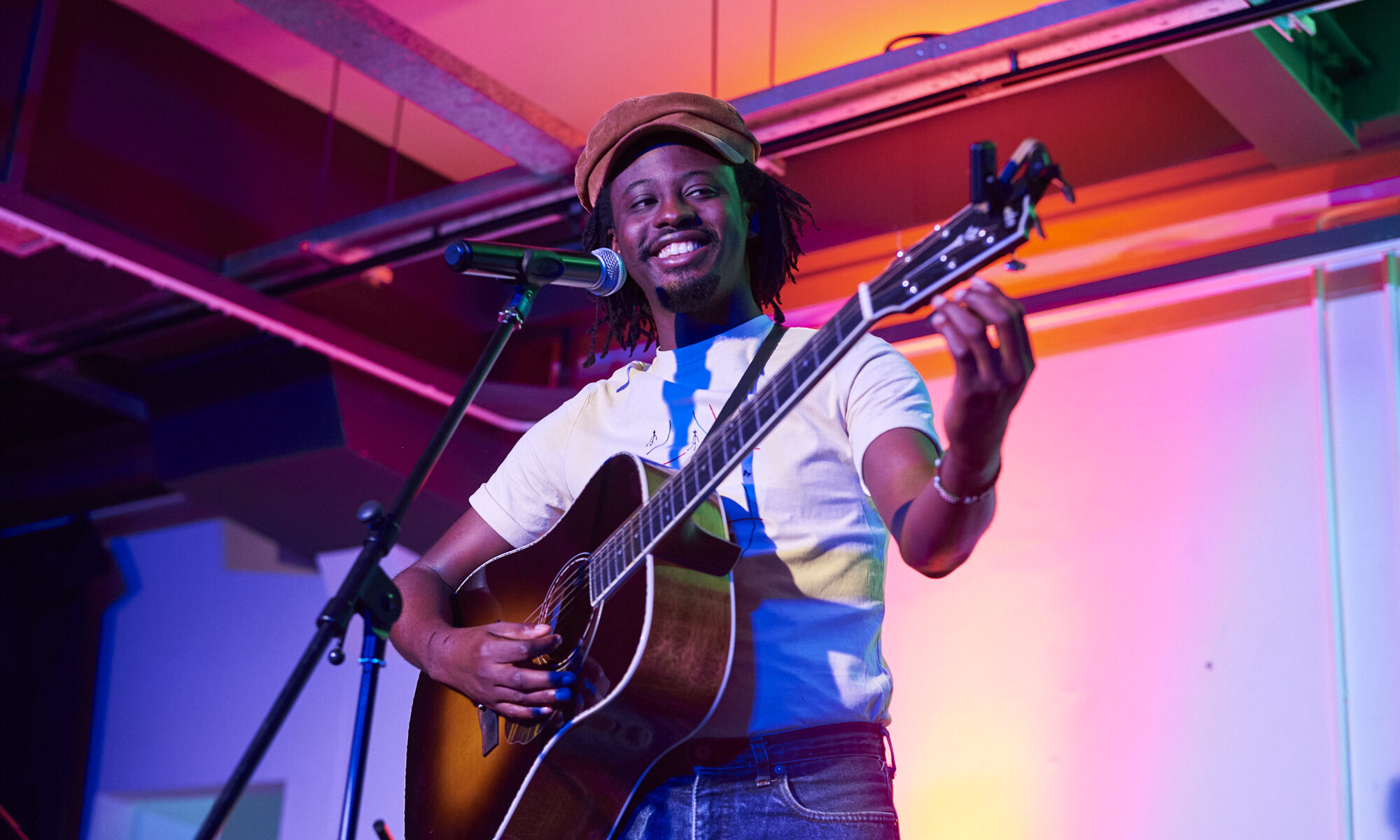
German EDM duo Symbiz can be best described as a fusion of global music flavours. The duo of Buddysym (Sebastian Yun-Kyong Meyerholz) and Zhi MC (Zhi Yang Trieu) are a thrill to watch. Their high-energy music combines genres and languages from around the world and brings a whole new live element to electronic music.
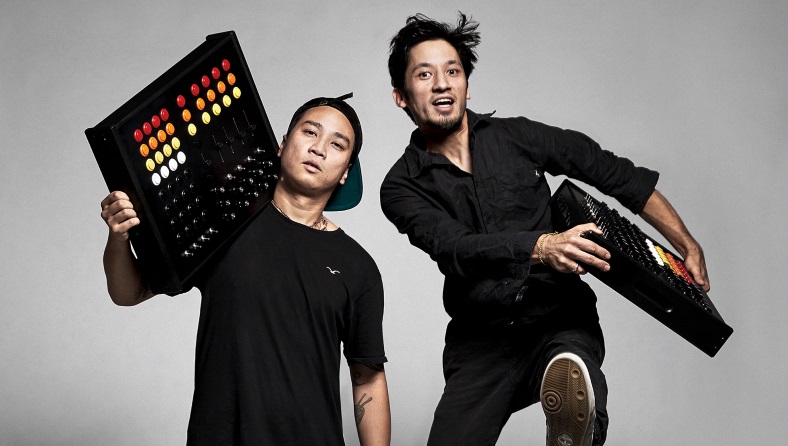
Symbiz couldn’t quite find the technology that could bring out their musical expression, so Buddysym and Zhi MC designed their own gear that they passionately call CTRLRONE and CTRLRTWO. Today they tour the world performing with their DIY equipment. Their tours have taken them to Venezuela, Uganda, China, India, Palestine and across Europe. This year they toured South China and Hong Kong, including a show and tech talk at Sonar Festival HK, as well as Ethiopia, Kenya, Tanzania, Zimbabwe and Mozambique.
Music In Africa caught up with Buddysym during Symbiz's recent Nairobi stopover of their global tour. While in town they held a show and facilitated workshops for electronic musicians and performers who use Ableton Live.
MUSIC IN AFRICA: Is this your first time in Africa?
BUDDYSYM: No, this was the fifth time performing in an African country, but it was the first time we travelled to five different countries in one tour.
Tell us a little about your band. What does Symbiz mean?
The name was a joke, it came from the original members of the group. The first part, 'Sym', are the initials Buddysym, and the second is my brother's old hip hop producer name, Chris Imbiss. We met Zhi in 2013 through a common friend. He was doing a show and improvised throughout the whole set. After that we decided to play together. At the end of 2016 Chris decided to focus on studio work so now we tour as a duo. Zhi was born in Berlin. I was born in a smaller town called Braunschweig and moved to Berlin nine years ago.
Your performance is very unconventional. How did you develop it?
We just wanted to perform electronic music as live as possible. Although we're not exactly DJs we still wanted to play our own music. We have been performing professionally now for about eight years.
Why did you make your own gear when there are so many MIDI controllers around?
Back in 2009, when we started to make plans for the project, there were no dedicated Ableton controllers that we knew of so we designed one. The physical set-up changes from time to time. At the beginning we used guitars, then changed it to playing chords and melodies with the controllers and recently we have added some drum pads.
Did you guys have a background in electronic engineering?
The only thing I had soldered before building controllers were guitar cables. We really didn't have any experience with electronics. We learnt all that we needed by asking people who knew and the magic of online tutorials. It started with drawing plans and finding and buying materials. We then sought out people that had the skills and machines we didn't have. When the controllers were finished we started remapping and adjusting the Ableton Live set-up.
How do you repair your machines or upgrade them?
The first machine we developed looked similar to CTRLRONE that we use now. At one point we decided that we wanted more and different functionality, so we built CTRLRTWO and CTRLRONE.
Where can other performers buy these machines?
Well, you cannot buy them anywhere. These controllers were built with our own hands, sweat and tears. I guess the singularity of these machines is what makes them attractive. We have always had a fascination for DIY because you learn a lot about how you want to play your music. You also plan and conceptualise your performance way better than when you simply buy a ready-made controller.
Tell us a little about your cultural backgrounds and how this has influenced your music.
My parents are half-German, half-Korean and Zhi's parents are Chinese from Vietnam who came to Germany in the 1960s. We have always wanted to take advantage of our Chinese background in our music and Zhi actually speaks Cantonese, so we tried it out in our new project, Broken Chinese.
Your music is quite eclectic. What are some of your influences?
The influences for our music are pretty wide. Dancehall had a great influence in the beginning but it's always been about incorporating different genres. We always go with whatever moves us at a given moment, which is mostly bass music from different places in the world.
Every time we hear something new we always think: 'Damn, that's good, let's try something like that.' That’s how we reacted when we first heard kuduro music from Angola or tambor music from Venezuela. Recently we just witnessed the true craziness of singeli for the first time during our show in Dar [es Salaam]. It will probably influences the new material we're working on. And of course we have influences from reggae, some trap sounds, Afrobeats –whatever grabs our attention when we produce music.
Tell us a little bit about your latest project – Broken Chinese.
So far we have dropped EP1 and EP2 we plan to complete it with EP3 soon. Zhi sings in Cantonese. It was actually a great experiment that resulted in a whole new sound. The music we did before was in English and Patois, unless we collaborated with people speaking other languages like Spanish, Portuguese or French.
You held workshops. Tell us a more about them.
The workshops were for electronic musicians generally and for performance with Ableton Live. We explained our concept, how we created our set-up and talked about our philosophy of playing pre-produced music live and how we make it as engaging as possible. There were some very interesting conversations between us and the participants. We answered technical questions and explored various theoretical ideas. The workshops gave us and everyone involved a very interesting exchange.
What's your advice to upcoming electronic artists?
More often than not, art with a well-thought-out concept is stronger than art where less thoughts went into the production process. So put more effort in developing your ideas. Go the extra mile to fulfil your creative ideas.


Most popular
Open call: 2026 Gender@Work music industry training in Johannesburg
09 Oct 2026

Top amapiano songs of 2026
16 Feb 2026
Gambia: Suntou Susso announce UK tour for ‘The Path of a Griot’
09 Oct 2026

Top Afrobeats songs of 2026
19 Mar 2026

Top Naija songs of 2026
31 Mar 2026
Call for applications: ACCES 2026 Emerging Artist Spotlight Competition
01 Oct 2026
Disclaimer: Music In Africa provides a platform for musicians and contributors to embed music and videos solely for promotional purposes. If any track or video embedded on this platform violates any copyrights please inform us immediately and we will take it down. Please read our Terms of Use for more.

Subscribe to our monthly Newsletter
Follow us on social media


Please log in to post a comment.