





























































The economic impact of digitising Zimbabwe’s sungura music

30 Sep 2025 - 16:13


Digitising Zimbabwe’s sungura music means more global exposure and access to international royalties for artists. How else can it impact the country’s economy?
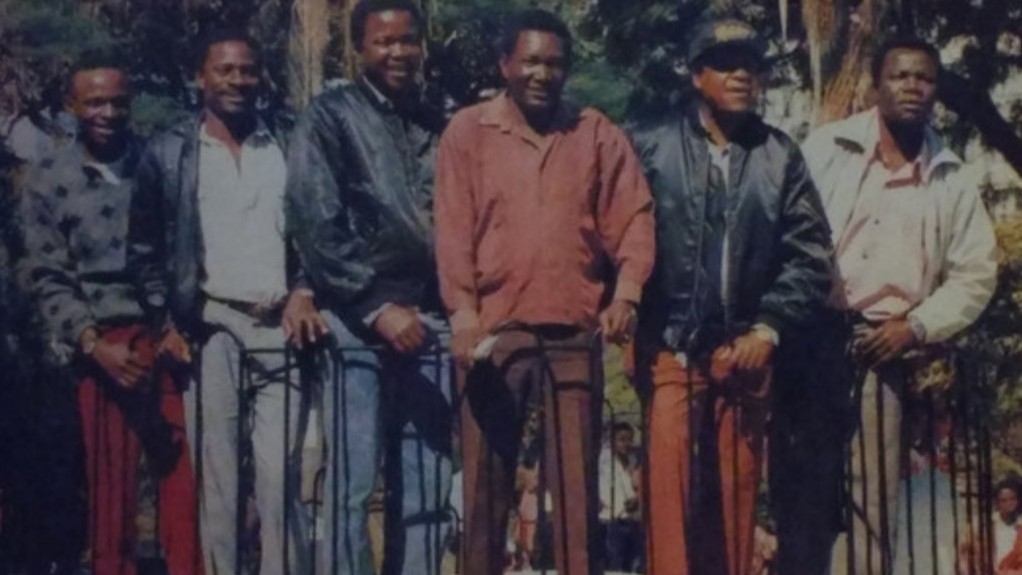
Sungura music, a vibrant fusion of traditional Zimbabwean sounds and contemporary influences, has long been a staple of the country's cultural identity. As the music industry faces challenges, digitising sungura music presents a unique opportunity to aid Zimbabwe’s economic revitalisation and preserve its cultural heritage.
Sungura’s origins
To properly comprehend sungura music’s impact on Zimbabwe’s economy and how its digitisation can further its growth, it’s essential to understand how long the genre has been a popular part of the country’s music culture. In fact, sungura music has been around far longer than Zimbabwe, in its current guise. It actually predates its previous mantle, Rhodesia, as well.
It’s believed that sungura music originated in the late 1950s, when Zimbabwe was still known as the Federation of Rhodesia and Nyasaland — incorporating modern-day Zimbabwe, Zambia and Malawi. [1] At the time, the conflict and political instability in the neighboring Belgian Congo [2] caused Congolese musical outfits like the Real Sounds, OK Success and the Lipopo Jazz Band to find new homes within the federation's borders [3]. These bands and others began singing in regional languages to encourage local followings.
As time passed, the federation’s thriving currency [4] and Apartheid’s grip on South Africa [5] encouraged migrants from other parts of the continent, with the original blended sound — a mix of Congolese rumba and Cuban cha-cha-cha — further influenced by the addition of South African township jive, local Shona mbira, East African benga and Central African soukous elements. As the AIT Records sungura label adopted and promoted the sound, sungura music found its name. [3]
Only after Zimbabwe gained independence in 1980 did sungura take off, with radio and TV stations promoting its appeal nationally, becoming the most popular music genre in the country. This status remains until today. On the back of this national appeal in the 1980s, Sungura Boys, Cephas Mashakada, Nicholas Zachariah, Jonah Moyo and other artists [6] further popularised the sungura sound, adding jiti and masiganda local rhythms and performing songs with Shona and Ndebele vocals. [3]
How digitising Sungura music impacts Zimbabwe’s economy
For decades following Zimbabwean independence in 1980, the country’s sungura artists relied on traditional revenue streams — primarily vinyl, cassette and CD sales, alongside live performances — to generate income and reduce national unemployment figures. Record companies also played an integral part in this music ecosystem, managing production and distribution while the artists concentrated on their art form.
However, the pre-digital era’s economics were fraught with challenges. High production costs and reliance on the physical distribution network made it tough for many artists to thrive. The uncontrolled piracy of physical media significantly impacted the music industry’s revenue, with unauthorised copies flooding the market and undermining legitimate sales, leaving artists struggling to make a living.
It was too easy for pirates to record songs from the radio or a borrowed vinyl copy to cassettes. While music sales increased with the advent of CDs in 1982, the subsequent development of home PCs and MP3 encoding formats made the illegal ripping of physical music simple for pirates. [7] While digitisation and the internet encouraged a new avenue for music pirates, it has allowed sungura artists to gain global exposure for their releases via multiple highly accessible online music platforms.
In an age where advisers encourage diversity in investments to profit from an unpredictable financial market [8], Zimbabwean sungura artists and bands can distribute and sell their music, merchandise and concert tickets via online platforms and social media without paying high royalty percentages to record companies for distribution. Direct-to-fan platforms essentially “cut out the middleman” to a large degree, positively impacting the artists’ revenue. [9]
Forging new economic Sungura pathways in the digital age
Zimbabwe's music industry’s evolution to digitalisation means artists are increasingly monetising their work through new revenue streams. Per-stream payment models allow musicians to earn money based on the number of times their songs get played online. This shift opens up a world of possibilities through the global reach afforded to sungura artists without the constraints of traditional distribution.
High-volume digital music platforms like Spotify and Apple Music charge larger commission percentages than direct-to-fan platforms to music rights holders. However, these platforms afford artists, especially those in countries like Zimbabwe, global reach and exposure, making the additional cost economically viable. Audiophiles always look for online avenues to experience high-quality sound through an excellent set of headphones [10] and the most popular platforms promote exceptional hit rates.
Leonard Zhakata and Marshal Munhumumwe [11] are only two of the many artists who can be found on Spotify, while legendary sungura artist Leonard Dembo graces Apple Music’s airwaves. [12] Other online platforms like YouTube improve sungura musicians’ exposure and, hence, their economic status.
YouTube is a powerful tool for Sungura musicians as a platform for music videos and live-streamed performances. With this multifaceted approach, artists can create innovative additional revenue streams through advertising and sponsorships. YouTube also allows them to engage with their fans directly.
Social media further enhances this connection. sungura musicians use platforms like Instagram, X and TikTok to encourage brand partnerships and musical collaborations and foster a closer relationship with their fan base, no matter where their supporters are. Music drives social media interactions, with around 90% of frequent users engaging in music-related activity. [13] Social media is a strong digital promotional tool for artists looking to elevate themselves and their economic goals. As a relevant example, Zimbabwean sungura musician Alick Macheso has over one million followers on Facebook.
Digital sungura music’s larger implications
The digital technology behind streaming enables micro-payment-based revenue models. With advanced algorithms and data analytics, streaming services efficiently track plays and distribute payments, ensuring artists receive remuneration for their work. This digital transformation empowers sungura musicians in Zimbabwe to receive residual income on their releases from a global audience instead of a one-time royalty from a CD sale. [14]
Ultimately, Zimbabwe’s artists are becoming entrepreneurs by diversifying their income, which reflects the broader trend in the country’s music industry to adapt to the current doubts in the financial sector. Adaptability and innovation are key to survival in sungura’s increasingly competitive market.
A formalised digital music industry in Zimbabwe can contribute to the country’s GDP through taxation and job creation for digital marketers, video producers and other related professionals. Also, consider the increase in foreign currency reaching the country from expatriots and new international fans. However, the Zimbabwe government has much work to do to fully benefit from its sungura musicians’ efforts. The country’s musicians still face many financial constraints, as those in power regard music as a low economic contributor.
By legitimizing a music export strategy and appointing somebody to govern its impact, Zimbabwean rulers could positively impact the national economy by updating copyright legislation, encouraging government investment in professional music development and incorporating artist copyright training. [15]
Digitising sungura music could positively impact Zimbabwe’s economy more
The proud cultural heritage forged by sungura and other local music deserves more recognition, especially when global digital accessibility affords such a favourable economic scope. Digitisation has already benefited Zimbabwean sungura musicians financially through global exposure, international royalties, marketing opportunities and personalised fan communications. With more official proactive strategies by the government, these economic benefits could also transfer to the Zimbabwean national coffers.
References and citations
[1] https://www.britannica.com/place/Federation-of-Rhodesia-and-Nyasaland
[2] https://nvdatabase.swarthmore.edu/content/congolese-win-independence-belgian-empire-1959-60
[3] https://www.africanmusiclibrary.org/genre/Sungura
[4] https://kids.kiddle.co/Rhodesia_and_Nyasaland_pound
[5] https://au.int/en/auhrm-project-focus-area-apartheid
[6] https://www.musicandmeaning.net/articles/JMM12/MurandaJMM12.pdf
[7] https://www.researchgate.net/publication/228223919_The_Music_Industry_on_the_Line_Surviving_Music_Piracy_in_a_Digital_Era
[8] https://www.fcbanking.com/personal/market-and-economic-reports/quarterly-review-and-outlook-march-2025/
[9] https://musicmarketingstrategies.com/direct-to-fan-sales-strategies-for-independent-musicians/
[10] https://modded.com/equip/essentials-for-music-producers/
[11] https://volt.fm/genre/4045/sungura
[12] https://www.pointblack.africa/blog/apple-music-celebrates-zimbabwes-43rd-independence-day
[13] https://journals.sagepub.com/doi/10.1177/02666669221151162
[14] https://www.streamingmedia.com/Articles/News/Online-Video-News/The-Economics-of-Music-Streaming-vs.-CD-Sales-A-Deeper-Look-165615.aspx
[15] https://www.sounddiplomacy.com/projects/zimbabwe
Disclaimer: Music In Africa's Overviews provide broad information about the music scenes in African countries. Music In Africa acknowledges that the information in some of these texts could become outdated with time. If you would like to provide updated information or corrections to any of our Overview texts, please contact us at [email protected] or [email protected].
Editing by Ano Shumba.


Most popular
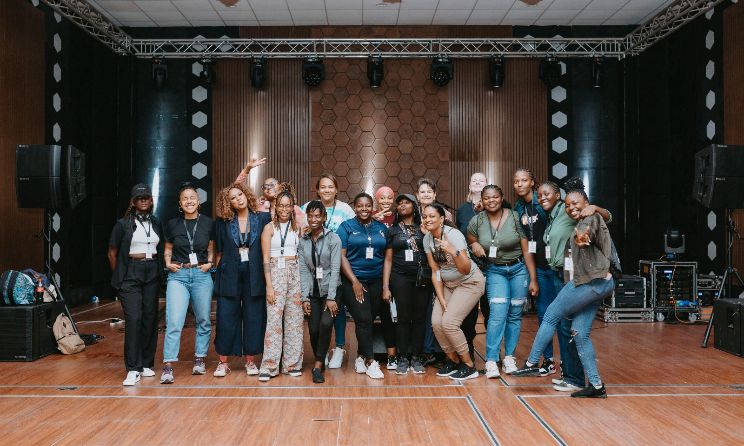
Open call: 2026 Gender@Work music industry training in Johannesburg
09 Oct 2026

Top amapiano songs of 2026
16 Feb 2026

Gambia: Suntou Susso announce UK tour for ‘The Path of a Griot’
09 Oct 2026

Top Naija songs of 2026
31 Mar 2026

Top Afrobeats songs of 2026
19 Mar 2026

Call for applications: ACCES 2026 Emerging Artist Spotlight Competition
01 Oct 2026
Disclaimer: Music In Africa provides a platform for musicians and contributors to embed music and videos solely for promotional purposes. If any track or video embedded on this platform violates any copyrights please inform us immediately and we will take it down. Please read our Terms of Use for more.

Subscribe to our monthly Newsletter
Follow us on social media


Please log in to post a comment.