





















































Gambia’s Oko Drammeh puts African music on world stage
06 Oct 2015 - 08:15


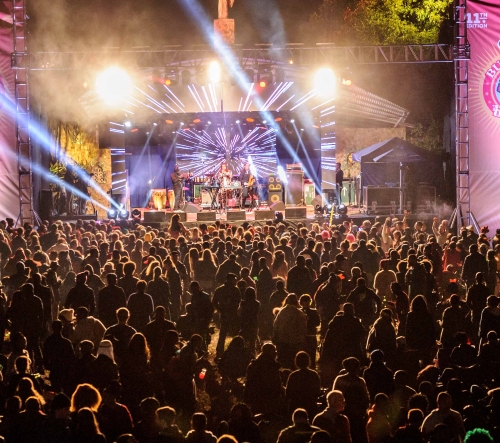
“Most musicians have no experience with instruments, yet the instrument dictates the vocals. You cannot just produce the vocals and pick anything to go with it. It does not work like that.” These are the wise words of Oko Drammeh, the organiser of the African Music Festival in Delft, The Netherlands - a platform he set up in 1983 to showcase musicians from Africa to the world. The festival has featured household names like Salif Keita, Manu Dibango and Youssou N’dour, and attracts more than 10 000 people annually.
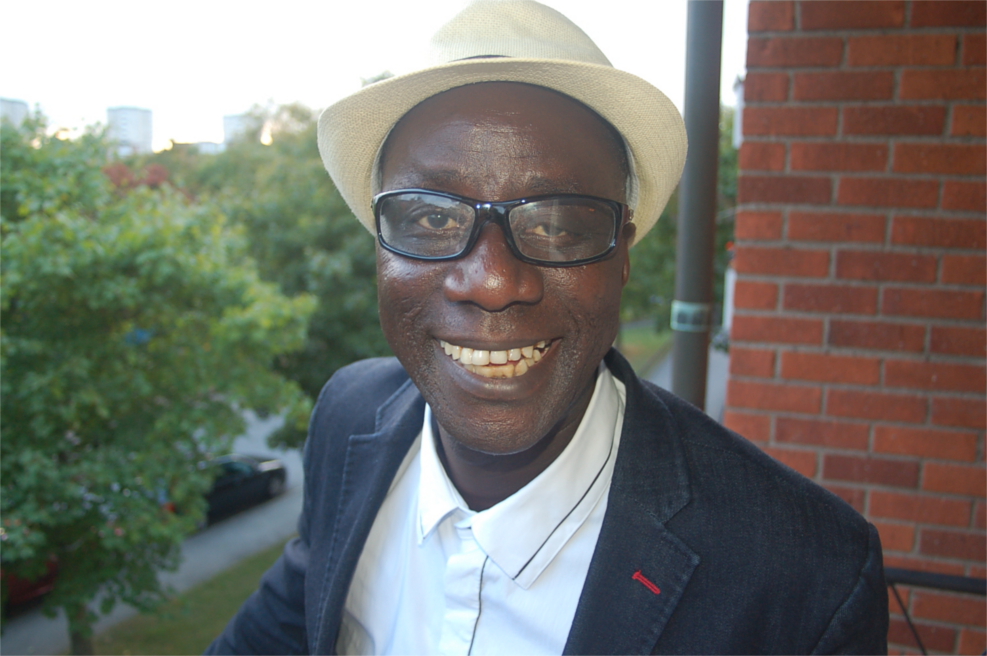
Born in Gambia, Drammeh was inspired by the way his mother, who was a politician, brought groups from Ghana, Nigeria and Guinea for meetings in Gambia. This, coupled with his passion in music and his personal attributes of confidence and creativity, contributed to his idea of organizing this festival, both for pleasure and to promote the continent and explore new talent. He also realized that through books and exposure to the western lifestyle, he was promoting these cultures and ignoring his own. “For too long, I was reading books and taking ideas of other people, most of which were foreign. That is how my life was formed and I missed the African direction as much of my efforts and energy was targeted towards promoting the European culture,” he says.
Before moving to Holland to be with his family in 1981, Drammeh worked as a DJ for radio stations, nightclubs and at social events. He then became a producer and promotions manager for Ifang Bondi, a popular Gambian band. His stay in Europe made him realize that the band’s music as well as that of other African artists were unique. “I lived in Amsterdam, Holland, a central place in Europe I thought it was a good place for me to invite Europe into Africa,” he said.
According to Drammeh, the music industry and African art was not considered an economy, therefore there was no time spent on it and no professional administration. This meant that music was left for naming ceremonies and weddings. From his observation, children were raised up to only consider other jobs that would make them rich as this was the only way parents would consider their children as worthy. He therefore made it his duty to promote African music as he believed that the art of the music will disappear if not checked. “I told the African artists I found at record companies that their music, thoughts and energies will need to be catalogued because what is not American, European, or Asian music will not be played in the respective channels in the future,” he said, adding that his upbringing in an environment where artists get paid made him want to inject the same into Africa.
The success of the festival translated into awards for Drammeh, including from the government of Holland and the City of Delft, and a certificate of honour from the senate of California in the US. It also saw his founding of Soto Koto Concert Management in 2000, whose mandate was to provide technical support services to artists and event organisers. He formed a band with the same name, for which he produced several albums.
He later returned to Gambia and was part of the people who formed Union of Gambian Musicians, and later moved to the Gambia Copyright Office, where he served as the secretary. He served as the secretary general of the Royalty Collecting Society of Gambia in 2012. Currently, he serves as a member of the board of the Arterial Individual Artists and is an art consultant at Centre Culturel Blaise Senghor in Dakar, Senegal. He has also worked on documentaries on African music and given lectures on the same and has an honorary degree from the University of Texas in the US.
He believes that one of the main things we fail as Africans in marketing our music is taking advantage of the media. “We know about America through newspaper, TV and radio. I want Africans to be known this way,” he said. He added that once most artists go to Europe or America, they change in their personality and presentation and this overshadows the music industry in Africa. “Africa has reversed to colonial days in terms of musical art. All other aspects of African culture have been driven towards the Pan African dream except the African music. The young people have been demonized by western influence, they become billboards for European and American products,” he adds, saying that most artistes are not known in other African countries because they opt to target Europe and America yet there are no outlets for African music.
For him, artists fail in marketing because they do not have professional managers. Instead they have friends and relatives holding key positions that would see them presented to the world. “Management is the discipline to nurture and also to channel your artists through definitive avenues where they can perform at stages that makes someone special like recording, media packaging, imaging, interview language, dialogue with audience and media. The artists alone will not showcase the music or culture,” he said.
He also believes that the presence of stringent rules and regulations between countries and the absence of leaders who understand the music industry limit the exposure of music to the world. “Artists suffer as decisions are made from non-artist individuals all the way to the government level. Ministers do not know music. We need a person that understands music, art economy and marketing so that he can choose the right people in various departments to market the artists,” he insists.
With his over 30 years’ experience in handling musicians, Drammeh believes Africa has the ability to transform their music and keep its unique sound. It is for this reason that he decided to come back to the motherland to hold the African Music Festival.
Why Kenya? “I come to Kenya specifically because western Africa is well done. When you get to Kenya one realizes the country has its own music yet it does not cross borders. If one stays in their country they will not change their ideas,” he says.
The festival, to be held on 5 December 2015, will be a peace concert in line with the Africa Union’s ‘The Africa We Want' campaign. “East Africa is a troublesome region,” explains Drammeh. "We need to clean it up and make it a cultural capital. The great people that come from East Africa have been part of the great force of Africa, from Kenyatta to Nyerere."
Before the concert, there will be a conference on 4 December on the African music industry. The festival aims to bring together the youth in Kenya annually for the next five years to discuss issues that affect their countries and to share these problems with other African partners. The artists headlining the festival will be Guinean star Mory Kante, renowned as the first African artist to sell over one million copies of a single, which he did for his 1988 hit 'Yeke Yeke'.
The upcoming festival will also feature Ivorian reggae legend Alpha Blondy, renowned for songs like 'Brigadier Sabari' and 'Jerusalem'. Artists from Kenya and neighbouring countries like Rwanda, Burundi, Tanzania, Ethiopia and South Sudan will also be on the stage.
“We want to use the African Music Festival to now stop our artists from knocking doors in Europe when they can knock on the doors here in Africa," adds Drammeh. "We can do it. We cannot deny our local pride..."
Originally published in The Star newspaper on 1 October 2015


Most popular
Open call: 2026 Gender@Work music industry training in Johannesburg
09 Oct 2026
Gambia: Suntou Susso announce UK tour for ‘The Path of a Griot’
09 Oct 2026

Top amapiano songs of 2026
16 Feb 2026

Top Afrobeats songs of 2026
19 Mar 2026

Call for applications: ACCES 2026 Emerging Artist Spotlight Competition
01 Oct 2026

Top Naija songs of 2026
31 Mar 2026
Disclaimer: Music In Africa provides a platform for musicians and contributors to embed music and videos solely for promotional purposes. If any track or video embedded on this platform violates any copyrights please inform us immediately and we will take it down. Please read our Terms of Use for more.

Subscribe to our monthly Newsletter
Follow us on social media


Please log in to post a comment.