
















































Ghana: Inside OliveTheBoy’s breakout success
 By Gabriel Myers Hansen
27 Feb 2025 - 09:17


In recent years, Afrobeats has been minting younger and younger superstars. A major factor in this evolution is that these talents are often scouted and managed by music executives within a similar age bracket — people who have their finger on the pulse and understand what it takes to promote music in the digital age.
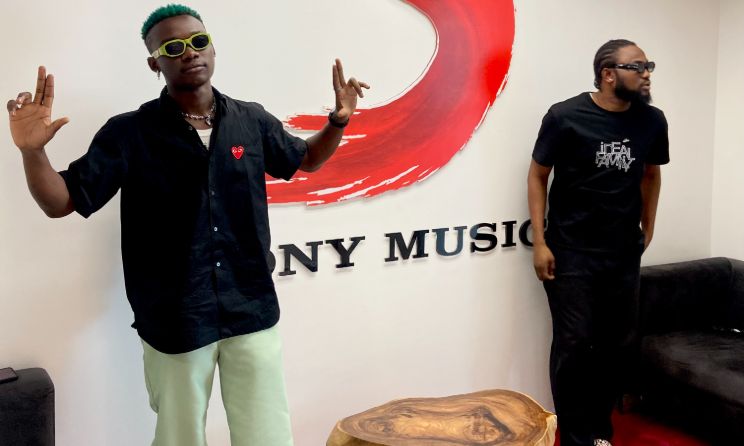
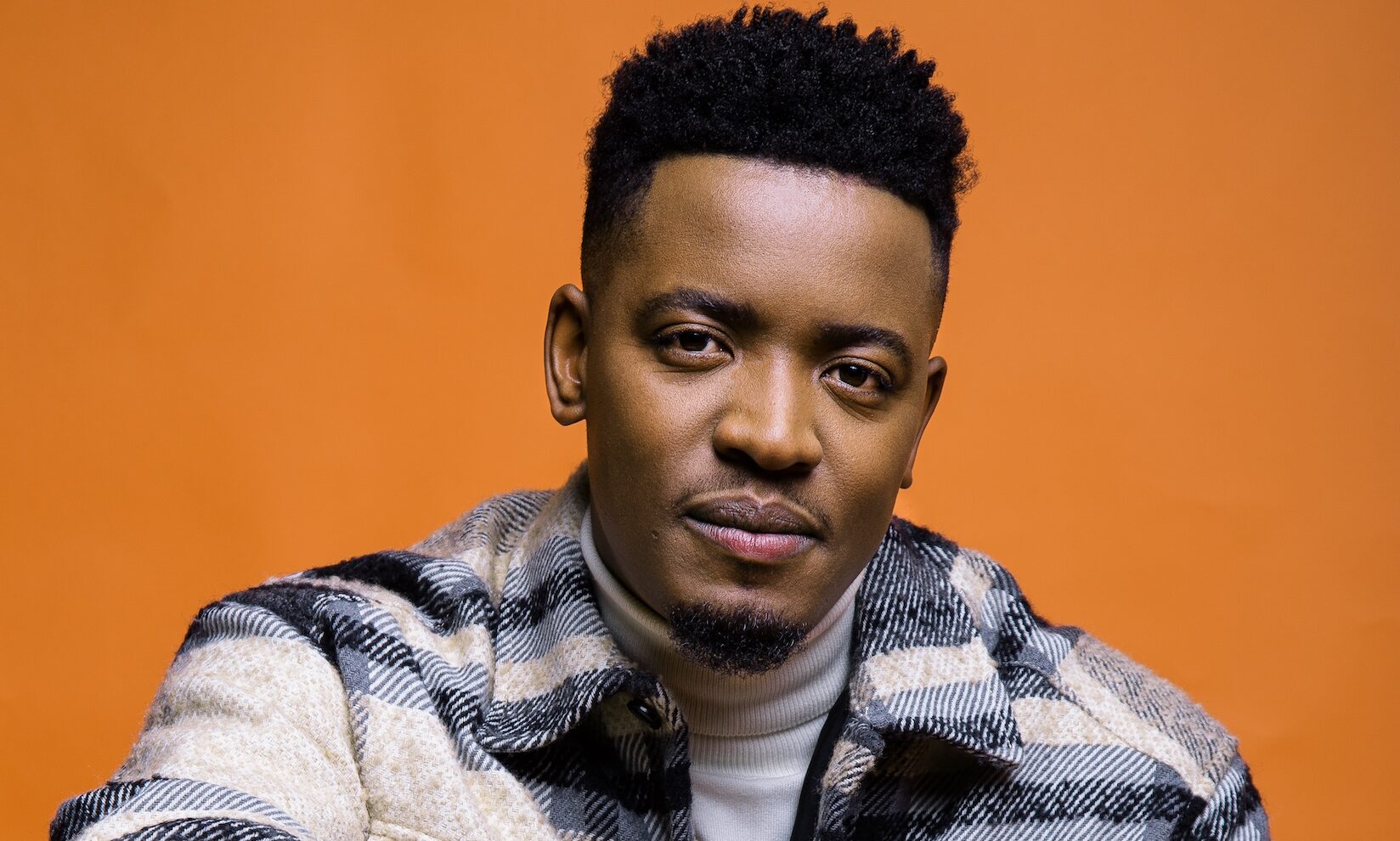
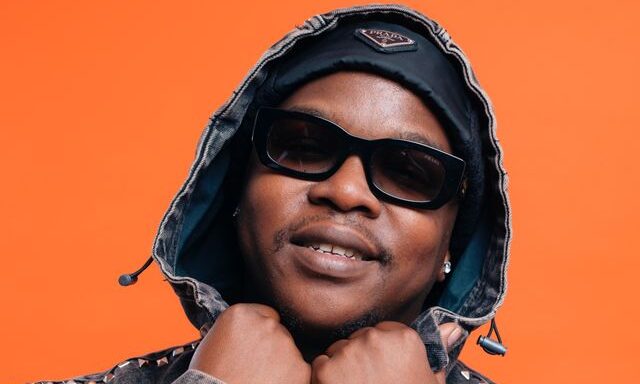
Among Ghana’s most dominant pop success stories lately is singer OlivetheBoy, behind a string of local and international hits such as ‘GoodSin’, ‘Asylum’, and ‘Favourite Story’, while maintaining a rigorous tour schedule.
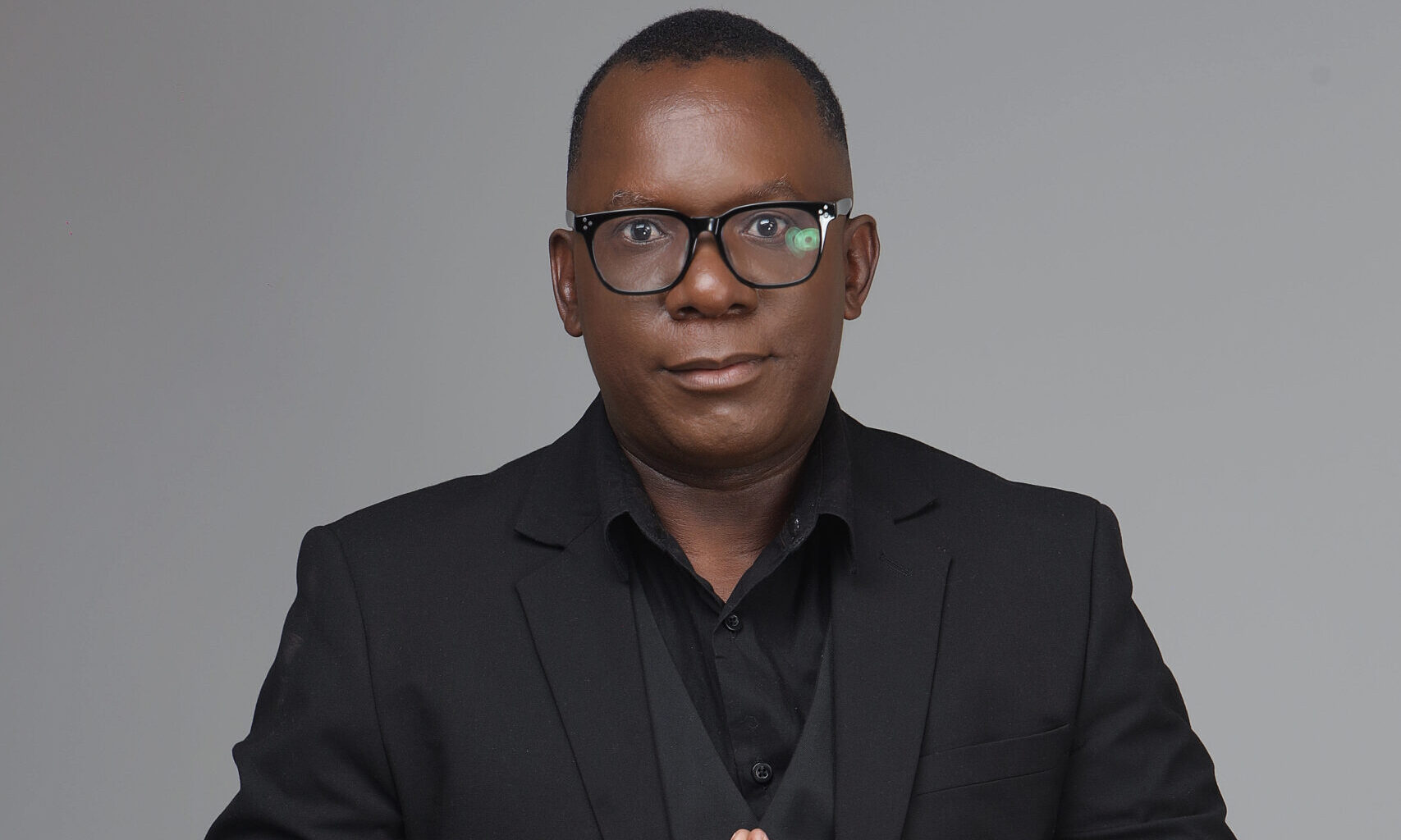
A key figure behind OlivetheBoy’s meteoric rise is road manager Hackim “Demzy” Assi, a founding member of media hub and talent firm FullCircl.
Assi began his career as a showbiz pundit and producer. Since then, he has expanded his portfolio to include roles as an academy member for the Eastern Music Awards and production manager for the 3Music Awards. Additionally, at 3Music TV, he served as a producer, programme assistant, and A&R, dedicated to music production and promotion.
He also worked with Wildaland Festival as a coordinator and assistant project manager during its maiden edition in 2021 and as a backstage manager for its second edition in 2023.
Music In Africa caught up with Assi – who has also managed local acts like Koo Kyei, Cedi Rap, and Breden B – to discuss his journey, his work with one of Ghana’s most recognisable voices today, and Ghanaian music’s role in shaping the global popularity of Afrobeats.
MUSIC IN AFRICA: Can you walk us through your journey into music management and what led you to work with OliveTheBoy?
HACKIM ASSI: First, let me take this opportunity to extend my gratitude to the Music In Africa team for your role in amplifying the works of creatives in the entertainment space.
Before OliveTheBoy, I worked with a few artists as far back as 2010. That experience gave me the push to explore the entertainment industry in Ghana’s Eastern Region, specifically Akim Tafo and Koforidua.
As I grew, I started doing radio punditry and producing Ulist, a radio show on Lensradio, an online station, dedicated to projecting emerging artists. In 2017, I discovered Kweku August, a hip-hop artist from the Eastern Region based in Accra. I managed him for a while and secured him a record deal with 2HypeGang, though the deal unfortunately fell through after a year.
From 2018 to 2021, I had the opportunity to be the road manager for Koo Kyei, a highlife artist. During this time, I helped A&R with his song ‘Control It’, featuring dancehall singer Stonebwoy. Koo Kyei was the last artist I worked with in the Eastern Region before I moved to Accra in 2020.
With OliveTheBoy, I was working at 3Music TV as an assistant producer, A&R, and programmes manager. My role involved curating playlists for all music videos on the channel, which allowed me to discover fresh talent and spotlight upcoming artists. A friend on Facebook, Beatwire, introduced OliveTheBoy’s music to us at 3Music, where I started playlisting his song ‘Only You’.
When the Avana EP was released, Beatwire reached out again and sent me the link, asking me to listen and support in any way I could. I made sure 3Music TV posted videos of the lead single ‘Goodsin’ and even facilitated OliveTheBoy’s first interview on the channel. Through that, I met his team – BeatVampire and SMD.
We had a lengthy conversation about what needed to be done and their openness to major deals and investors. I took the initiative to bring some potential investors on board, including securing a major deal from Sony Music West Africa (SMWA). I wasn’t alone in this – I discussed it with industry vet Ricky Tenneson and suggested bringing fellow stalwart Baba Sadiq into the conversation since he had shifted to politics at the time. I also brought Pep Junia on board.
At one point, we almost major investment from a local investor, but we ultimately opted for the Sony Music/Columbia deal, thanks to our connections at SMWA. After everything fell into place, Loop Music, OliveTheBoy’s local label, officially appointed me as his road manager in recognition of my contributions to bringing everyone together for a successful deal.
What has been the most rewarding aspect of managing OliveTheBoy’s career so far?
The biggest fulfilment, of course, was securing the major deal and establishing our presence in the industry. After ‘Goodsin’ became a hit, we faced a lot of scepticism and were labelled as one-hit wonders. But we proved them wrong. We followed up with ‘Asylum’, which became the most-streamed Ghanaian song on Spotify in 2024. Then we landed one of the biggest collaborations of the year – ‘Favourite Story’ with King Promise and Sarkodie.
OliveTheBoy’s brand is steadily growing. We’ve learned a lot on the job, and the team is working closely to execute the vision. It’s not a solo effort – it takes solid teamwork.
How would you describe OliveTheBoy’s artistic vision, and how do you help bring that vision to life in the industry?
Olive is intentional about his music. He understands Afrobeats deeply, and his songwriting is exceptional. His vision is to push the boundaries of Ghanaian and African music globally. As his management team, our role is to provide the structure, opportunities, and resources necessary to make that vision a reality.
What are the unique challenges of managing an Afrobeats artist, particularly one like OliveTheBoy, in today’s fast-paced music industry?
Managing people always comes with its challenges, but I must say, Olive is not difficult to work with. You just have to prep him, and he’ll be ready. The only challenge I’d mention is occasional delays or lateness, but we’re managing that well.
What role do you believe the Ghanaian music scene plays in shaping the global popularity of Afrobeats, and how does OliveTheBoy fit into that narrative?
Ghana is not just the gateway to Africa – it’s the hub of the continent’s entertainment industry. Unlike other music markets, Ghana is very open, which has allowed many artists to break into the scene here before expanding globally.
OliveTheBoy is a key part of that movement. Since his breakthrough, he has been regarded as the prince of Afrobeats. ‘Goodsin’ blew up outside Ghana first, to the point that many people didn’t even know he was Ghanaian. But with Asylum, he sealed his place – he went from Ghana to the world, cementing his spot in the industry.
How has the international reception of Afrobeats evolved, and how does this influence your strategies for OliveTheBoy’s career?
From what I’ve witnessed, OliveTheBoy is an international brand. He has both the appeal and the sound. From the backend, when you analyse the numbers and the regions they’re coming from, you can see the impact. Ghana is not even his primary market.
We performed in Sierra Leone, and I had goose bumps watching the crowd chant his lyrics word for word. The same thing happened in London, UK. Knowing this, we tailor our marketing strategies accordingly. We often start our promotion in international markets before Ghana, and the results always speak for themselves.
East Africa is one of our core regions with a strong reception, and we have plans to visit physically this year and work on collaborations there.
What was a significant turning point or breakthrough moment in OliveTheBoy’s career?
‘Asylum’ was a game-changer. It was released in March 2024, and it’s still competing with newly released songs. The collaboration with King Promise further cemented Olive’s place in the industry.
As a manager, what factors do you consider when deciding on collaborations, tours, or major business deals for OliveTheBoy?
Our CEO at Loop Music, who is also OliveTheBoy’s producer and creative director, plays a major role in selecting collaborations because he understands the singer’s artistic direction. The whole team also decides together. This year, we’re rolling out many well-planned collaborations across Africa.
Tours and shows are primarily handled by me, with support from SMD, our business manager, given my experience curating events like Wildaland and 3Music Awards. Business deals are also managed by SMD, though I step in to assist when needed.
How does OliveTheBoy differentiate himself from other Ghanaian artists?
His pen game, his understanding of Afrobeats, and his songwriting deserve to be studied. People often say he doesn’t sound Ghanaian, and that alone sets him apart.
What advice would you give to aspiring managers looking to work with Afrobeats artists?
I don’t know if I’m in the best position to give advice yet, but I can say this: It’s not an easy job. You need passion, drive, and the willingness to sacrifice. I had to resign from 3Music TV to focus fully on OliveTheBoy. That should tell you how much I believe in his talent.
What’s next for OliveTheBoy?
We’re dropping a new, eight-track EP with stunning collaborations from some of Africa’s biggest names. We’re also gearing up for tours across the UK, Europe, and the US. Talks are ongoing for an Asia tour as well. We kick off in the UK on 8 March – so yeah, 2025 is looking very promising for OliveTheBoy and Loop Music.


Most popular
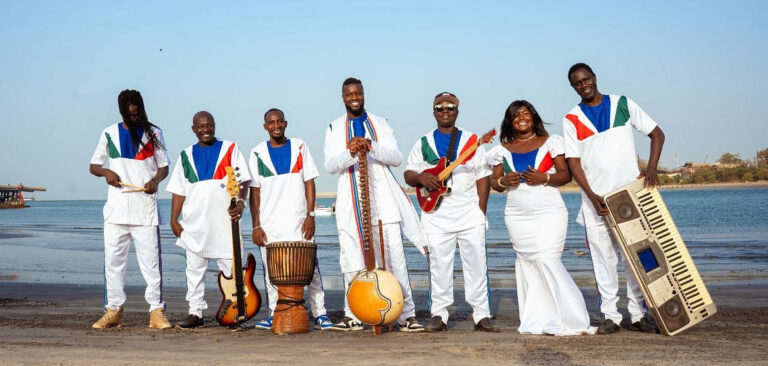
Gambia: Suntou Susso announce UK tour for ‘The Path of a Griot’
09 Oct 2026

Top amapiano songs of 2026
16 Feb 2026
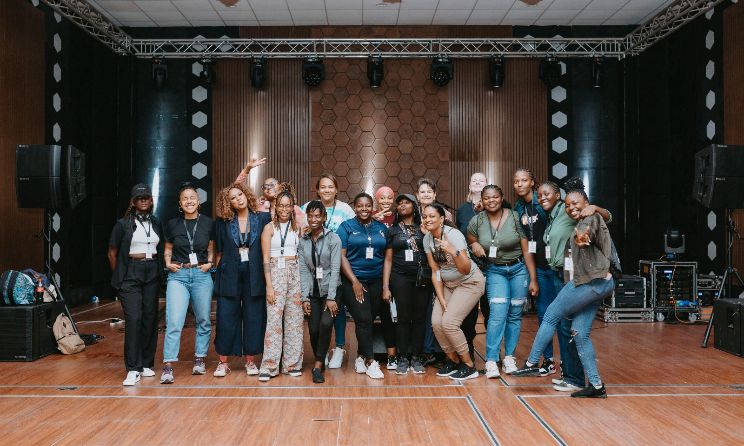
Open call: 2026 Gender@Work music industry training in Johannesburg
09 Oct 2026

Top Afrobeats songs of 2026
19 Mar 2026
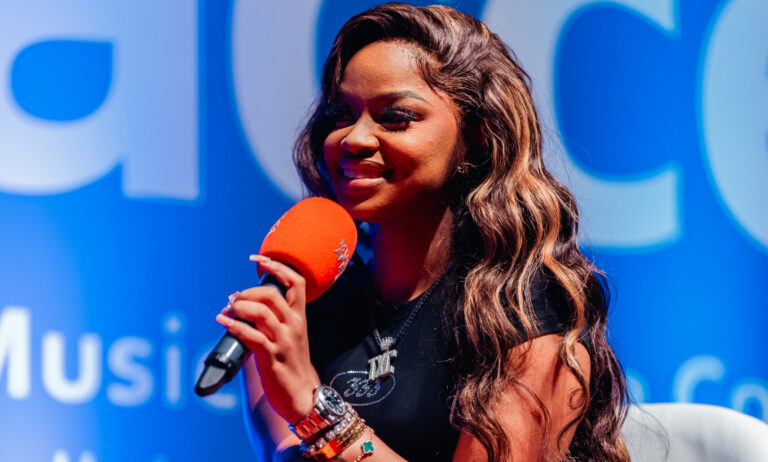
Call for applications: ACCES 2026 Emerging Artist Spotlight Competition
01 Oct 2026

Top Naija songs of 2026
31 Mar 2026
Disclaimer: Music In Africa provides a platform for musicians and contributors to embed music and videos solely for promotional purposes. If any track or video embedded on this platform violates any copyrights please inform us immediately and we will take it down. Please read our Terms of Use for more.

Subscribe to our monthly Newsletter
Follow us on social media


Please log in to post a comment.