








































NEFCISA
NEFCISA

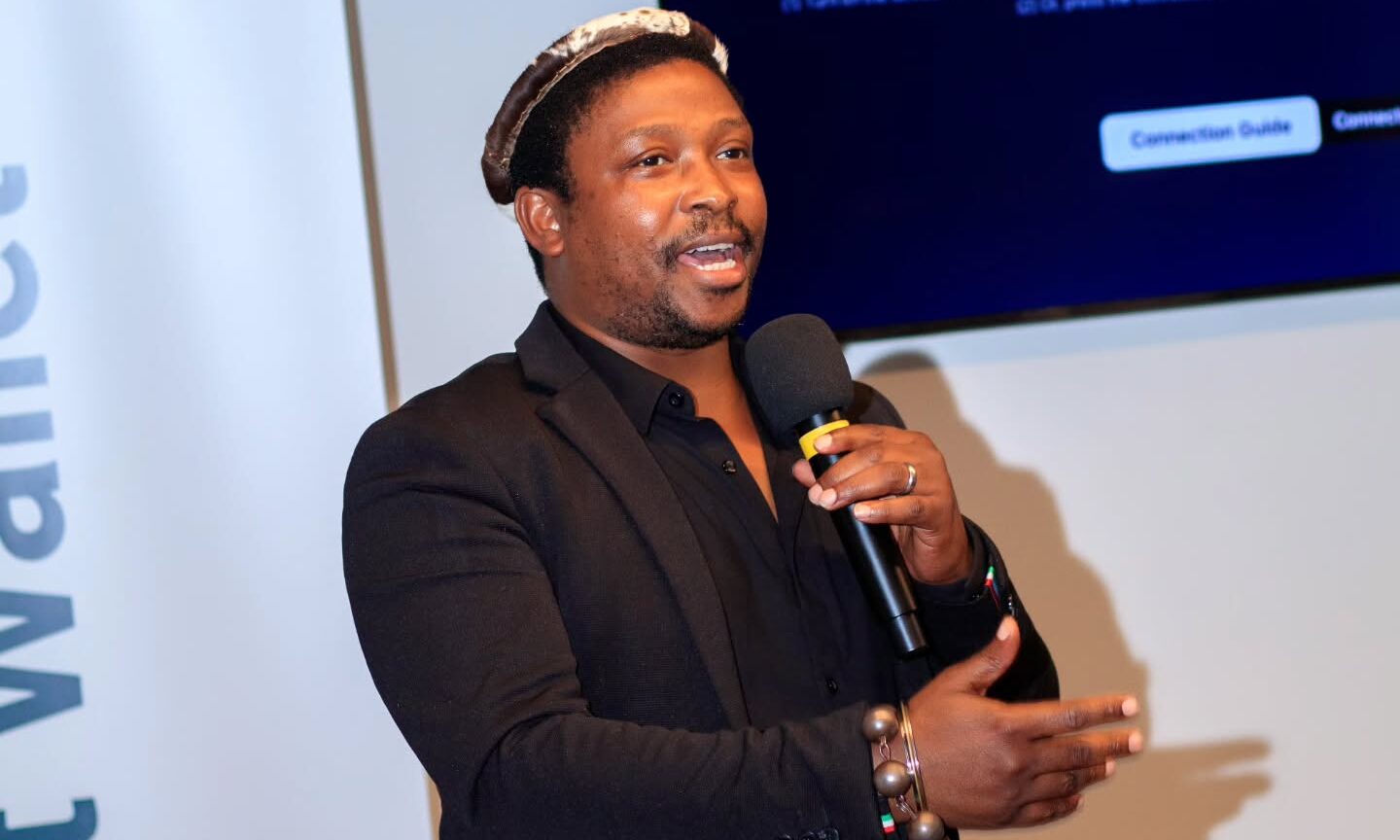
The Music In Africa Foundation (MIAF) is proud of its partnership with the Industrial Development Corporation (IDC) as a Strategic Implementing Partner (SIP) for its Social Employment Fund (SEF). Through this collaboration, MIAF is running a national programme that is creating jobs, addressing skills gaps, and strengthening South Africa's creative industries — in line with the SEF's overarching goal to generate work for the common good and build community value through employment, social contribution, and inclusive economic participation. Operating under the banner NEFCISA (National Employment Facility for Creative Industries in South Africa), the initiative is recruiting and training participants, matching them with host organisations, and has already placed 1 500 workers across the country — surpassing its original target of 1 000. NEFCISA is delivered through a network of 20 host organisations spanning five provinces, who are actively hosting participants and contributing to work for the common good across South Africa's creative and cultural industries. Key Objectives: Support employment and entrepreneurship in the creative industries. Offer skills development and training programmes. Foster partnerships between public and private creative sectors. Promote South African creativity at both provincial and national levels Foster community development through social contribution.

ACCES
ACCES

ACCES Conference and Showcase Festival is Africa's leading music industry gathering, bringing together the people shaping the future of the continent's music business. Artists, entrepreneurs, executives, investors, policymakers and cultural leaders from across Africa and around the world come to ACCES to build partnerships, exchange ideas, discover talent and create new business opportunities. Since its launch in 2017, ACCES has become the continent's premier platform for professional exchange and music market development. Combining a high-level conference with a curated showcase festival, networking, exhibitions and industry programmes, ACCES offers a unique space where creativity meets business and where African music connects with the global industry.

Gender@Work
Gender@Work

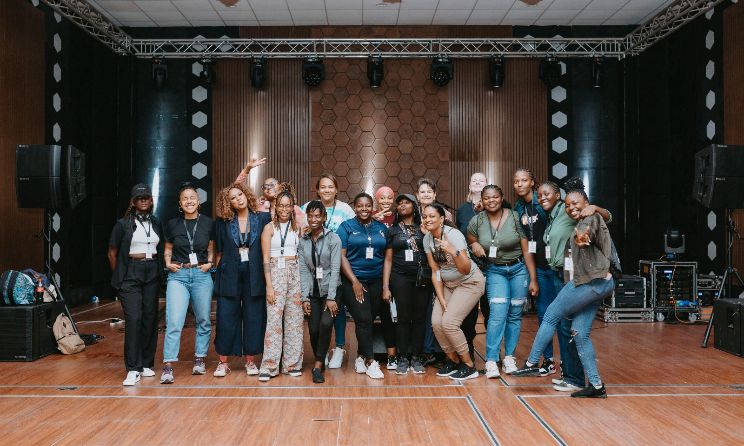
Music In Africa Gender @ Work is a three-year training programme aimed at upskilling and increasing the participation of female professionals in the African music sector. Launched by the Music In Africa Foundation (MIAF) in April 2019, the programme is connected to the MIAF’s ACCES music conference – a pan-African event held in a different African country every year. This connection enables the programme to reach new participants in a different African country every year. The programme marks the beginning of a more concerted effort by the Foundation to support the participation and inclusion of women in all facets of its programmes and the music sector in Africa as a whole. Over the three years, the programme will aim to address gender imbalances in the sector through training, lobbying, facilitating knowledge exchange and dialogues that foster the interest of women. The broader objectives of the programme are to: Provide industry training for women on critical music industry skills, focusing on: Stage management Electronic music production and recording Music business management Technical knowledge Provide an opportunity for both professional and aspiring women to benefit from the Music In Africa network and its broad range of activities in 2019, 2020 and 2021. Provide a solution-based platform in the form of a round table at ACCES with a view to identify challenges, discuss opportunities and lobby for the interests of female practitioners. Offer participants the opportunity to benefit from programmes offered by MIAF’s partners. Increase access to educational materials. Integrate participants in the broader ACCES programme to maximise experience and exposure to the industry. Record and present training materials on the www.musicinafrica.net, including but not limited to tutorials, templates and other best-practice materials. Communicate women-based themes that support the initiatives and messages of the programme. MAIN TRAINING ACTIVITIES Training in first country (Ghana): In the first year, participants will be trained on all aspects of stage management by a team of experienced stage managers from 10 to 17 November 2019. The programme will offer robust classroom training as well as practical, hands-on training in which participants will also be given the opportunity to manage various aspects of the ACCES performance programme. Training in second country: The second training iteration will take place at ACCES 2020 when the programme will diversify its course to include music production lessons and training on other music business topics. A round-table platform will also be introduced to coincide with the ACCES programme. Training in third country: The third training iteration will take place at ACCES 2021 in a different country, offering an advanced course. HOW DO YOU GET INVOLVED?  As a participant, facilitator or trainer: The programme enrolls up to 12 trainees every year. All opportunities are advertised publicly on this website, and will be added to this page. Please keep checking this page for new calls (below under UPDATES & CURRENT OPPORTUNITIES). As a partner Please contact Claire Metais at [email protected]. APPLY The call for applications for 2020 will be announced soon. The Music In Africa Gender @ Work programme is made possible with the support of the Prince Claus Fund, Siemens Stiftung and Goethe-Institut.

Sound Connects Fund
Sound Connects Fund

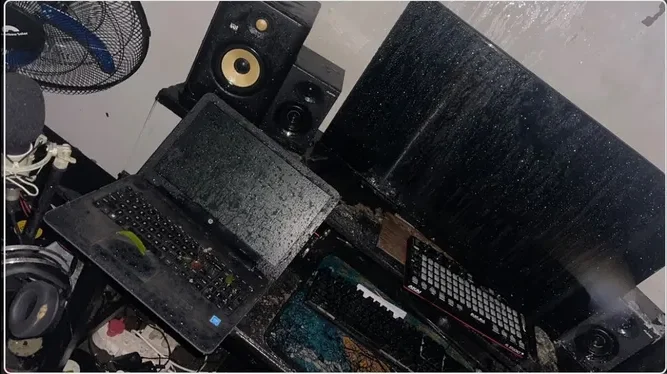
For cultural and creative practitioners and organisations operating in southern Africa, access to funding remains a major challenge. The COVID-19 pandemic has also had a massive impact on government policy, spending and the economy in general, and has seen spending on culture being moved further down the list of priorities. Further, the cultural and creative industries repeatedly cite four main areas where investment is needed for growth, which are increased visibility, mobility including access to new markets, finance and support structures.

Instrument Building And Repair Project

Experience the Vibrations African Instruments Exhibition online in 3D

Overviews

Gospel music in Benin

13 Sep 2016 - 13:46

cc-img flag-img

The musical scene of Benin has experienced a period of upheaval and has shifted the lines over the last few years. This is the case for Gospel music which is the opposite of the so-called secular music.
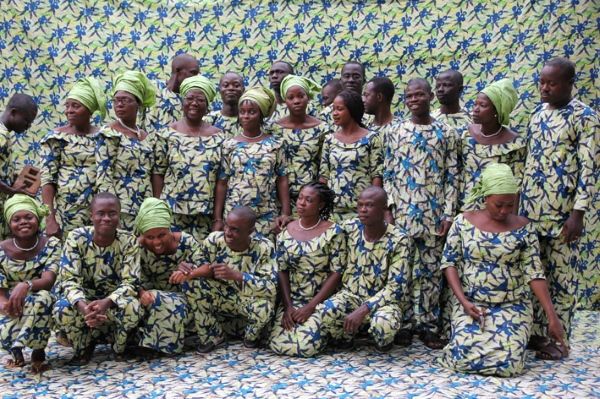
Choir of Angels (Photo) : Myette Fauchère. www.myettefauchere.wordpress.com

Gospel music attracts crowds and inspires religious circles but not enough from a qualitative perspective. For example, the most beautiful songs played in big churches, temples and even in funeral ceremonies are American, Nigerian, Ghanaian or Ivorian.

In recent years, however, artistic groups have taken over, under the watchful and professional eye of John Migan, a true gospel singer.

Overview

Historically, it has been difficult for Beninese gospel musicians to stand out from the so-called secular music. Gospel artists did not have their own repertoire despite all the facilities available in churches.

The road was bumpy for many years but finally led to the recognition of this musical genre in Benin. This recognition only dates from 1999, with the first International Gospel Festival and Racines initiated by the former President of the Republic, Mathieu Kerekou.

The prominent multicultural event held in Cotonou during seven days, to celebrate the reconciliation between Haiti, Cuba and Benin was the trigger for many young talents and continues to inspire today.

From John Migan’s family to Arnauld Migan, Miriam Ayizansi, Anna Téko who challenged denominational barriers, Jonny Sourou, the most popular gospel singer in Benin, the consecrated Sandra Heriti, the voice of eternal joy of Sessimè very popular amongst the youth, the soft voice of Kinzah and the touching Dossi, it can be said that a new generation is here to stay and promote gospel music in Benin.

Findings

Despite this pool of talents, nationally and internationally, some do not tolerate the abusive interpretation of core texts and melodies for commercial purposes. Benin has an untapped reservoir of potential which music analysts, outstanding composers, internationally renowned arrangers and gospel singers are working on. In short, a true circle of music professionals who have increasingly more resources made available by the churches.

The results are significant and narrow the gap with other music genres, through promotion and communication, from year to year. The other advantage lies with the ease of gospel Christian artists in attracting the faithful, seeing more and more followers in churches.

In a country like Benin, strongly marked by evangelism, some gospel singers like Anna Teko, fall within a "civil religion” with Christian connotation and seek to promote concepts of forgiveness, integrity and humility while being available to perform concerts.

Religious inspiration

Beninese artists are becoming more attached to the rhythms and folklore of the region, while remaining in a scenic modernism. Gospel artists, who show a fierce desire to be professionally recognized, and experiment with new repertoires, are becoming popular. One such example is the Awangbahou rhythm of the Célestes.

Music festivals are blooming in Benin, hosting artists from the sub region. Political stability facilitates international opportunities and gatherings for the churches, and indigenous religions, thereby promoting gospel-inspired mix with musicians from elsewhere. This is an opportunity for Beninese artists to improve.

The Festival Canaan Gospel organized by the Pasteur Ithiel Dossou whose mission is to revolutionize gospel music in five years, is such an example. The pastor has invested substantial resources to bring back Beninese stars like Maggie Blanchard Canada, Thierry of France, Jean-Jacques, Rodstar Marcel Boungou and many others. These distinguished singers come to perform alongside local talents like Ange Ahouangonou alias Kinivi, Désiré Kindomihou, or Apollinaire Gandonou to celebrate the gospel and local voices.

Economic and cultural impact

Although the sociological realities show that Benin's churches date back several years, gospel music did not have much impact on economic development. There were however important contributions in the field of education and social welfare. Yet, gospel artists pulled in profits with the flow of phonographic works sold to church and temple followers, scattered throughout the territory.

Evolution of Gospel Music

Over the last few years, churches have provided the largest logistic material, essential in generating wealth. This explains why gospel platformsare becoming the largest training avenues for arts and entertainment in Benin.

Church leaders make maximum use of the advantages granted to religious denominations by governments regarding tax exemptions for importing sound equipment and equipment of all kinds for the benefit of artists and the consumer.

If the ambition of the great majority of gospel singers is to spread the gospel to the nation through their songs, so “that whoever believes in him shall not perish but have eternal life.” Beninese gospel still has a long way to go but there is room for hope.
________________________________________
Source :
http://regardsprotestants.com
http://www.voluncorp.com
http://www.lapressedujour.net
http://lautrefraternite.com
http://www.yasni.info
http://www.culturedafrique.com

Please log in to post a comment.

Most popular

Disclaimer: Music In Africa provides a platform for musicians and contributors to embed music and videos solely for promotional purposes. If any track or video embedded on this platform violates any copyrights please inform us immediately and we will take it down. Please read our Terms of Use for more.

newsletter banner

Subscribe to our monthly Newsletter

Follow us on social media