

























































Music in general has been part of Zambia’s everyday life since time immemorial. As an integral part of Zambia’s cultural heritage, music has contributed to the establishment and shaping of the country’s overall national cultural identity. Like in other societies, music in Zambia also exists in different genres practiced and experienced in various forms and contexts. Zambian music genres include traditional, neo-traditional, popular, jazz, choral and gospel (religious) among others. This text provides an overview of gospel music in the country.
Religious music has been in existence in Zambia from as early as the 12th century when the first advanced Bantu settlers arrived in the country[i]. Not only did the early settlers perform cultural practices, but they also practiced different traditional religions, which were regularly accompanied by music, dance and rituals. Until the coming of Western Christian settlers in the 19th century[ii], traditional religious music remained the only form of worship music of the local ethnic peoples.
Generally, gospel music is used to worship and praise God. It was developed and promoted at the turn of 20th centuries from folk churches. Essentially it is the product of individual and collective spontaneous creativity. Modern gospel music can be seen to be a synthesis of African, Afro-American and western music, dance, poetry, drama and oral traditions. It echoes the hope of salvation and other Christian motifs.
Contemporary Zambian gospel music generally exits in three forms: acapella, instrumental, or a combination of both vocals and instruments. Instruments used in gospel music range from traditional to modern western instruments, and represent the four categories of music clarification, namely membranophones, chordophones, aerophones and idiophones.
In Zambia, contemporary gospel music has in the past decade significantly evolved from the stereotypical, conventional church hymns to more artistic compositions. The striking difference between conventional church hymns and new gospel compositions can be appreciated when considering issues of authorship and ownership (copyrights). It is now relatively easy to establish the composers of modern gospel music, unlike in cases of traditional church hymns, in which case most compositions are usually anonymous, thereby rendering the hymns as merely ‘belonging’ to the larger church community. To some extent, the recognition of artistic copyrights in gospel music has contributed to the acceptance and promotion of this genre as a creative product in the Zambian creative and arts industries.
Zambia’s declaration as a Christian country
The declaration of Zambia as a Christian country in 1991 by the second Republican President, Dr. Frederick Chiluba, has had a profound impact on the development and promotion of gospel music in the country. Not only did the Christian declaration serve as a plea for God to bless Zambia and protect it from anti-Christian entities, it also resulted in the inclusion of the declaration into the country’s Republican constitution itself, thereby fostering Christianity and Christian worship in the country.
Among other things, Christian worship is characterised by liturgical citations, sermons and songs of worship. It is within the realm of “songs of worship” that the genre of gospel music is rooted, practiced and perpetuated.
Partly due to the 1991 Declaration, there has been an unprecedented establishment and presence of worship spaces in the country, most of which fall under the Independent Churches of Zambia (ICOZ). The increase in Christian awareness and the large presence of churches has also, on the other hand, necessitated the increase in the demand for gospel singers.
This phenomenon has further influenced the development and growth of the gospel music industry - an industry in the sense that gospel music is today also commercially produced and no longer restricted to religious contextual settings. In this regard, one of the most significant consequences of declaring Zambia as a Christian country has been the development, commercialisation and promotion of the local gospel industry.
Trends in the Zambian gospel industry
Like in any other commercial music genre, gospel music in Zambia has also attracted a wide variety of artists. Apart from the conventional church choirs, several individual and group musicians have become prominent household names in Zambia today. Gospel music has become music for all occasions and no longer restricted to the conventional contexts. It is therefore not uncommon to hear gospel music being played in buses, at secular parties, political or any other social gatherings including in night clubs. This was the case with Matthew Ngosa’s song ‘Ukulolela’, released in 2011, which became a regular feature in most nightclubs.
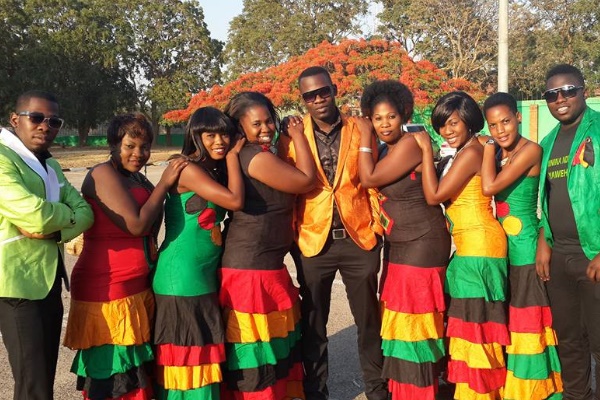
The commercialisation of gospel music in Zambia has resulted in the use of appropriate ‘showbiz’ strategies, as is the case with other popular genres. Gospel music industry has now embraced trends such as the use of qualified music managers and marketing strategies, the production of choreographed videos, promotional concerts, stylised dance movements and stage costumes, as well as the selling of both audio and video products, among other things.
Such trends represent a considerable departure from the traditional modes and contextual settings for the performance of conventional sacred/religious music. Therefore, new trends motivated by the demands and standards in secular showbiz have given rise to competitive levels of artistry and aesthetics among gospel musicians. Both secular and gospel musicians are now learning and borrowing from each other in a lot of ways, including stage presentation, artistic resourcefulness and management, etc[iii]. Several popular secular musicians have at some time been motivated to include a gospel song or two in their album releases, for example Glorious Band and JK. Similarly, some gospel musicians have also been influenced to include in their productions some ‘not so pure’ gospel songs with themes of topical social commentary, for example, the group Mt. Sinai.
Zambian’s gospel music industry has also experienced a noticeable ‘secular-gospel’ drift, during which popular secular musicians have converted to playing strictly gospel music. For instance, MC Wabwino was reported to have stopped playing secular music but instead opted for gospel songs, claiming: “I am a born-again Christian and I want to use my musical talent to exclusively glorify God”[iv]. Others on the list of ‘converts’ include Israel (formerly known as Exile), Nalu, Levy Sakala of the famed Sakala Brothers, Kanji, MaNase (formerly known as MKV), Damiano (aka Mwana Mfumu), Emmie Routes, K’millian and John Chiti, to name a few.[v] This phenomenon is relatively uncommon, however, in comparison to the reverse scenario of gospel musicians convert into secular performers.
Gospel in the Zambian mainstream
The place of gospel music in Zambia can be linked closely to its role in Zambian society as an integral part of worship or even as a form of worshipping on its own. As a Christian nation, Zambia embraces all forms of Christian worship, thereby creating an enabling environment and an unchallenged place for the performance and promotion of gospel music. Gospel music in its various forms continues to occupy a significant place in everyday life among the people of Zambia. Besides providing spiritual nourishment to the nation, gospel is also creating job opportunities and wealth for a lot of practitioners.
Furthermore, the prominence of gospel music within the Zambian music industry is evident in its unprecedented viewership, listenership and popularity, which have been influenced and sustained though strategic programming on both television and radio stations. Expectedly, the advent of private TV and radio stations in the country, including those disseminating strictly Christian content, has been a positive force towards the attainment of the current state of affairs.
Zambia’s government has also recognised the religious, social and economic impact of gospel music in the nation. To this end it supports the development and promotion of the genre through the National Arts Council, which is mandated to promote the arts and creative industries, among other things[vi].
There are also other private entities that support the development and promotion of gospel in Zambia. Notable among these is the Christian Arts Promotions (CHAPRO), a mother body entity devoted to the promotion of gospel music and artists in the country. One of the major events on the CHAPRO calendar events is its annual Gospel Music Awards, where outstanding and deserving gospel artists are recognised for their works.[vii]
The wide variety of gospel musicians existing in Zambia today range from amateurs to professionals as well as both males and females. In a highly competitive industry, some musicians have been outstanding in managing to sustain large numbers of patrons over a long period of time, while others have seldom captured a significant portion of the market in terms of listenership, sales and live show attendance, etc.
The list of prominent gospel musicians that have impacted on the Zambian gospel scene with relatively large followings include Kings Malemba, Papa Bruce, Mathew Ngosa, BJ Ngosa, Judith Kawama, Theresa Kabwita, Rebecca, Karen, Nancy, Ephraim, Pompi, Mag44, Abel Chungu, Suwilanji and Nathan Nyirenda, and the groups Marvellous, Peace Preachers, Mt. Sinai and the Adonai Pentecostal Singers.


Most popular
Open call: 2026 Gender@Work music industry training in Johannesburg
03 Oct 2026

Call for applications: ACCES 2026 Emerging Artist Spotlight Competition
01 Oct 2026

Top amapiano songs of 2026
16 Feb 2026

Top Naija songs of 2026
31 Mar 2026

Top Afrobeats songs of 2026
19 Mar 2026

AFRIMA 2026: All the winners
12 Jan 2026
Disclaimer: Music In Africa provides a platform for musicians and contributors to embed music and videos solely for promotional purposes. If any track or video embedded on this platform violates any copyrights please inform us immediately and we will take it down. Please read our Terms of Use for more.

Subscribe to our monthly Newsletter
Follow us on social media


Please log in to post a comment.