



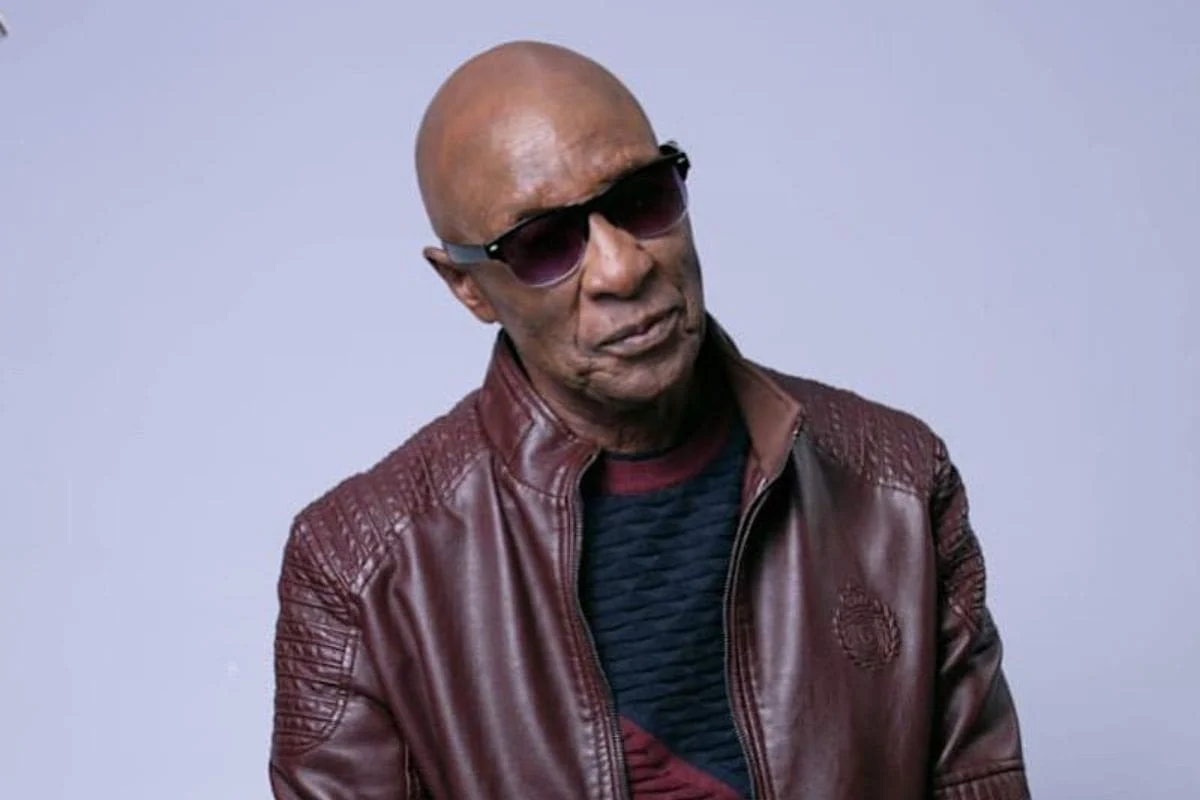





















































Singeli is a high tempo Tanzanian electronic music genre that was born in the working class districts of Dar es Salaam in the early 2010s. The sound emerged from the experimentations of DJs and producers who sped up beats of popular genres like taarab.
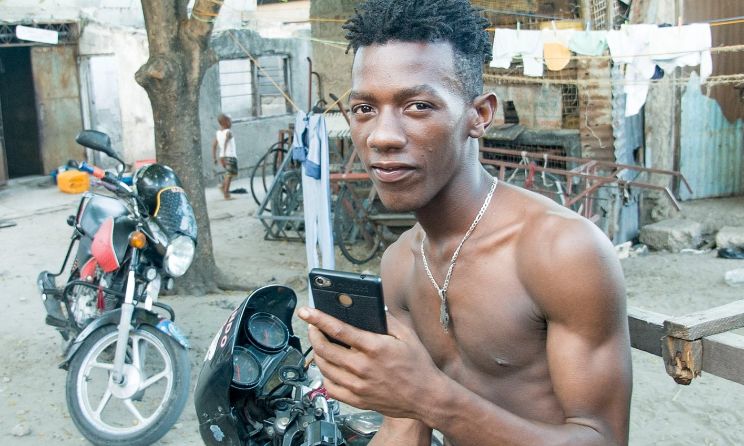
Rooted in the local street culture, singeli combines new sounds with traditional Tanzanian music, incorporating a diverse range of vernacular styles such as taarab, vanga, mchiriku, sebene and segere, as well as imported ones like hip hop and South African kwaito.
This fusion of influences gives singeli its distinctive and dynamic character, making it a vibrant and unique genre not only within Tanzania but the entire African music scene [1].
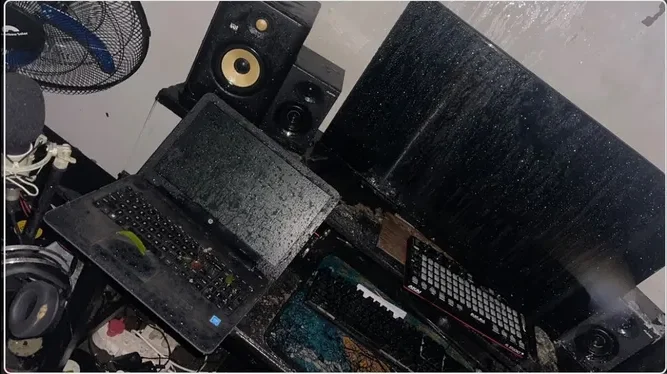
In its early days, singeli was crafted using very simple setups, often relying on sequencers, drum machines, and affordable equipment. The music swiftly captivated the youth within the ghettos, who identified with its energetic beats and intense rhythms – set between 180 and 300 BPM – and expression.
Mburahati, Dar es Salaam
Mburahati ward in Ubungo district, Dar es Salaam, is considered the original birthplace of singeli, and Sisso Mohamed and DJ Duke its originators. From around 2013, the two producers, working from their makeshift home studios in Mburahati, would gather a group of youth and experiment with the sound that would become known as singeli.
Sisso and Duke, alongside other producers like Jay Mitta, are credited with launching the careers of pioneer singeli artists like MCZO, Bamba Pana, Makaveli, Dogo Noma and Rehema Tajiri.
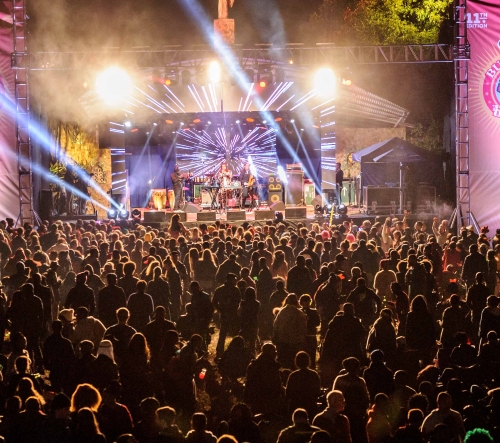
In the formative years, singeli artists and fans organised block parties referred to as vijiweni or singeli mtaa (neighbourhoods). These events provided a platform for up-and-coming artists to showcase their skills, battle and gain recognition.
These parties also came to be known as kigodoros (taken from the Swahili word godoro meaning foam mattress) as the dancers, exhausted after a period of frenzied dancing, would collapse on any available foam material [2].
Part social commentary, the musicians hold the mirror up pointing out what ails their communities. Garbed in an audacious ensemble and brimming with raw energy, a street musician will lead the show, rapping or singing about what was, what is and what will be. Here, everybody and anything is game – crooked preachers, corrupt politicians, sex, heartbreak, the cost of living, football, you name it [3].
Nyege Nyege Tapes and Festival
As the sound’s popularity grew in Tanzania, it caught the attention of Arlen Dilsizian and Derek Debru, the founders of Nyege Nyege Tapes, an alternative music label based in Kampala, Uganda, also behind the famous Nyege Nyege Festival.
In 2016, Arlen Dilsizian travelled to Dar es Salaam to trace the people behind the sound and meet Sisso Mohamed. After the meeting, Sisso agreed to have his recordings shipped to Kampala leading to the release of Sounds of Sisso in 2017 – the album that has been described as a groundbreaking compilation dedicated to the genre.
The collection put singeli on the international map, shining light on MCs like Dogo Niga and Makaveli as well as the production talent of Sisso, Bamba Pana and Jay Mitta.
Since Sounds of Sisso, Nyege Nyege Tapes has deepened its focus on the genre, releasing several artist albums such as Bamba Pana’s Poaa, Jay Mitta’s Tatizo Pesa and Duke’s Uingizaji Hewa.
The label, thorough Nyege Nyege Festival, also gave these artists a platform for live performances, becoming a crucial place for those looking to sample singeli. Broadcast globally via Boiler Room, the festival has taken the music to international audiences.
Taken from a Luganda phrase loosely translating to “an irresistible desire to dance”, Nyege Nyege has come to embody what singeli is all about. With its frenetic and provocative chura twerk dance, singeli has almost become the signature music of the Nyege Nyege Festival, truly capturing its essence [4].
Today, Nyege Nyege continues to play a central role in championing singeli’s explosion and growth on the world stage, with some of the artists now being invited to European experimental circles like Poland’s Unsound, Germany’s CTM and the UK’s Cafe OTO. Polish filmmaker Jan Moszumański is also set to release a documentary titled Singeli Movement: Greed for Speed [4].
Away from festivals outside Tanzania, back home singeli has slowly started infiltrating the local mainstream scene with radio stations launching broadcast segments of the genre that feature interviews and even freestyle competitions. These programmes have played a huge role in helping the genre shed off the underground tag and take it to the masses who have embraced it as the equally popular bongo flava.
However, the artists driving the genre can be split into two groups – the pop stars and the alternative artists. The pop stars now enjoy widespread popularity and get to perform in major shows within the country, while the alternative artists are largely embraced outside and are invited to collaborate and play to mainly Western markets.
Today’s top male artists include Sholo Mwamba, Dulla Makabila, Meja Kunta, Mzee Wa Bwax and Balaa MC. The female MCs include pioneer Rehema Tajiri, who joined into the genre around 2016, Kadilida, Mimah, Young Duda, Anti-Virus and MC Memory Card.
Challenges
Despite increased exposure and recognition, the genre’s artists are faced with a number of challenges including censorship and travel restrictions, affecting their ability to share their music globally [6].
Some Tanzanian politicians have spoken out against this censorship and, slowly, the Tanzanian government has recognised the cultural significance of singeli and began actively supporting and promoting the genre.
The future
Although its streaming numbers are minimal compared to bongo flava, there is no doubt that singeli’s place in the Tanzanian music landscape is firmly established.
According to an unofficial statement from African music streaming service Mdundo, more people are listening to singeli every month on the platform, with the popularity of the genre rising at least five times this year.
Today, singeli continues to evolve, inspiring mainstream Tanzanian artists to experiment with its unique rhythms and incorporate its elements into their music. The genre has also created opportunities for female MCs to participate and express themselves within a traditionally male-dominated field, contributing to gender inclusivity and empowering women in the Tanzanian music scene.
Citations and references
- https://ra.co/features/3442
- https://pan-african-music.com/en/singeli-the-future-sound-of-tanzania/
- https://musicinafrica.net/magazine/acces-playlist-top-singeli-songs-2023
- https://www.theskinny.co.uk/music/opinion/sounds-of-singeli-inside-tanzanias-underground
- https://norient.com/lutivini-majanja/dance-floor-my-office
- https://griotmag.com/en/singeli-the-new-wave-taking-over-the-underground-music-community/


Most popular
Open call: 2026 Gender@Work music industry training in Johannesburg
09 Oct 2026

Top amapiano songs of 2026
16 Feb 2026
Gambia: Suntou Susso announce UK tour for ‘The Path of a Griot’
09 Oct 2026

Top Afrobeats songs of 2026
19 Mar 2026

Call for applications: ACCES 2026 Emerging Artist Spotlight Competition
01 Oct 2026

Top Naija songs of 2026
31 Mar 2026
Disclaimer: Music In Africa provides a platform for musicians and contributors to embed music and videos solely for promotional purposes. If any track or video embedded on this platform violates any copyrights please inform us immediately and we will take it down. Please read our Terms of Use for more.

Subscribe to our monthly Newsletter
Follow us on social media


Please log in to post a comment.