

























































Hollywood song placement: Tips for African artists

03 Oct 2018 - 09:51


Scoring placement in an advert, movie, video game or TV show is a major achievement for any artist, producer or record label owner. With traditional revenue sources shrinking, song placement is fast becoming a major revenue earner for the music industry.

Though global opportunities for music licensing exist, most players across Africa remain largely unaware of them. Forums such as the Ongea Summit in East Africa and scholarship opportunities to Media Sound Hamburg have gone a long way in empowering the African music industry.
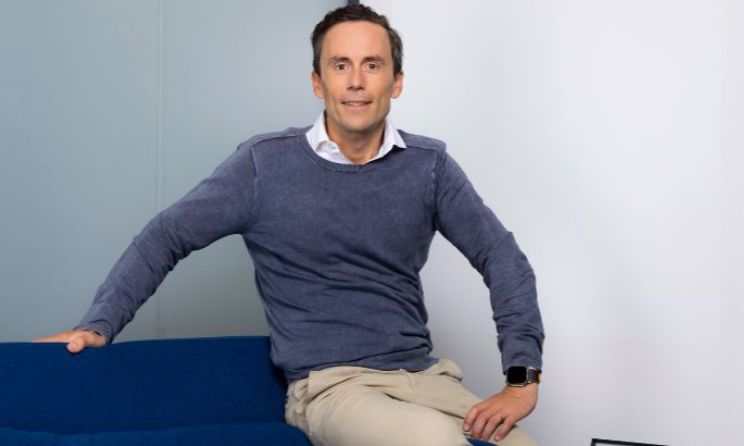
According to Soundset Africa Creative boss Timothy Adeka, a single sync deal can sustain an artist and their team for a year or two.
“Just to give you an idea, in Hollywood song writing and performance royalties for a jingle range from $100 000 to $500 000 while theme songs for TV or film plus performance royalties range between $5 000 to $1 million,” he said.
“Artists are picked by genuine ability; it’s all about the emotion that a song conveys so even unpopular musicians can get placement. A Film's distribution, budget, and length of song used, typically determine the rate that studios pay for placement.”
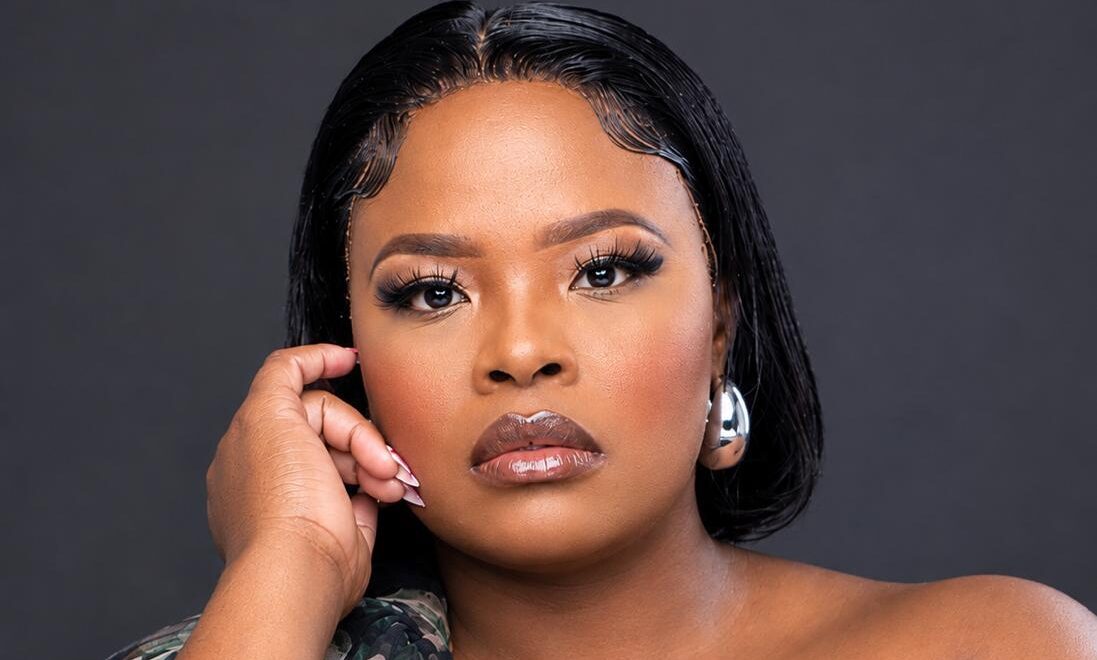
As the management company handling Stella Mwangi, Soundset Africa Creative (together with other international players) has successfully secured multiple placements for the Kenyan rapper in Hollywood.
Song quality is a critical component of song placement that includes the song writing, production, mastering and mixing. Every project requires a different feel depending on the emotion or message that it intends to portray.
Though not all songs that receive placement are produced specifically for TV or film, putting in the elements that make the song suitable for placement increases the chances of selection. When writing songs, one needs to consider the themes that are likely to increase placement.
Advertisers, movie makers and video game developers look for certain taglines that fit their project. Researching the most popular taglines and infusing them into ones music drastically increases the chances of placement. The mood and feel of a song’s instrumental is another crucial element that music supervisors look for in a song because some projects leave out the vocals and replace it with their own dialogue.
Popularity of the song or the band though useful, is not always a determining factor because the song is an accompaniment to the project at hand and it must fit the needs of the client regardless of how popular it is. Therefore, any song from any corner of the world can be picked as long as it fits the criteria.
Adeka argues that the music industry in Africa is really at the foundation stage and as such, needs to be viewed as a long-term investment. With local repertoire gaining popularity, the frontier now is in streamlining publishing and licensing of music in order to tap into the global market. In his view however, African governments have yet to recognize the earning potential of music.
“If you walk into a super market, pick any item and walk out without paying you will face the full force of the law but, people do that to music all the time without repercussions,” Adeka said. “Music has enormous revenue earning ability; if properly managed it would drastically increase government revenue.”
"Unfortunately, the government doesn’t view music as a product that is why it allows piracy. Song placement takes time, it has taken Stella Mwangi about 10 years to get consistent placement. Technology has made networking a little bit easier, but it is still an uphill task.”
Adeka said that the movie industry was seasonal therefore, the songs picked for sync vary with time.
“There is a period Hollywood focuses on romantic comedy, actions block buster or Christmas films,” he said. “As such, there are opportunities for all type of songs, but there are times when music supervisors will ask for a remix. Stella Mwangi’s ‘set it off’ was originally produced for a certain audience so we had to change the lyrics for it to fit into the A Bad Mom’s Christmas movie.”
Another important tip in ensuring a successful placement is researching the music submission process and complying with the requirements. One must also ensure that a song’s copyright is properly documented with all right holders in agreement of revenue shares. Litigation is often a deterrent for anyone wishing to use music for any project as such, all efforts must be made to ensure the paper work is in order.
“The biggest hindrance in Kenya and Africa in general is streamlining copyright,” Adeka said. “Most artists don’t have their Intellectual Property (IP) in order so it’s hard to determine who owns the master. The big studios will not risk litigation by using music that is in contention.”
Once all the basics are taken care of, the next step is to get ones music to the right people. Music supervisors are increasingly using music libraries as a quick and easy way to get the songs they need for their clients. These libraries vary, so In-depth research is required to ascertain which music library is a best fit depending on the kind of music one does.
Examples of music libraries include Taxi, Music xray, Audio Jungle, Pond 5, Luck stock, production trax and 123RF. Using a music publisher or a music licensing company is also another effective way to secure placement.
While Publishers help with the collection of royalties and sourcing of sync opportunities, music licensing companies act as curators for music supervisors. However, there are companies such as Position Music, who offer both options with varying revenue sharing agreements.


Most popular

Top Naija songs of 2026
31 Mar 2026

Ghana: Mr Eazi and MOLIY’s ‘Comfort’ earns Urban Music Awards nomination
21 Oct 2026

Top Afrobeats songs of 2026
19 Mar 2026

Top amapiano songs of 2026
16 Feb 2026

Open call: CANEX Music Business Lab and Songwriting Camp
15 Oct 2026

Nigeria: CANEX WKND unveils 2026 programme
21 Oct 2026
Disclaimer: Music In Africa provides a platform for musicians and contributors to embed music and videos solely for promotional purposes. If any track or video embedded on this platform violates any copyrights please inform us immediately and we will take it down. Please read our Terms of Use for more.

Subscribe to our monthly Newsletter
Follow us on social media


Please log in to post a comment.