
















































Interview: The Music Arena’s Antos Stella talks about Muziki Africa 2023

01 Sep 2023 - 14:42


The highly anticipated Muziki Afrika conference at the Cape Town International Convention Centre from 4 to 6 September is expected to boost investor confidence in the African creative industry with a rich programme of activities and an inspiring roaster of seasoned speakers representing different areas of the music industry.
The event is part of FAME Week Africa, a multifaceted summit taking place from 3 to 9 September that will bring together musicians, filmmakers, TV producers, animators and all manner of entertainment professionals.
Muziki Africa will focus on the music business and technology sectors, such as startups, developers and big organisations. It will feature range of activities including keynotes, round table discussions, masterclasses, workshops and networking.
This year, Muziki Afrika has partnered with The Music Arena to deliver a successful and unforgettable music segment at FAME Week Africa.
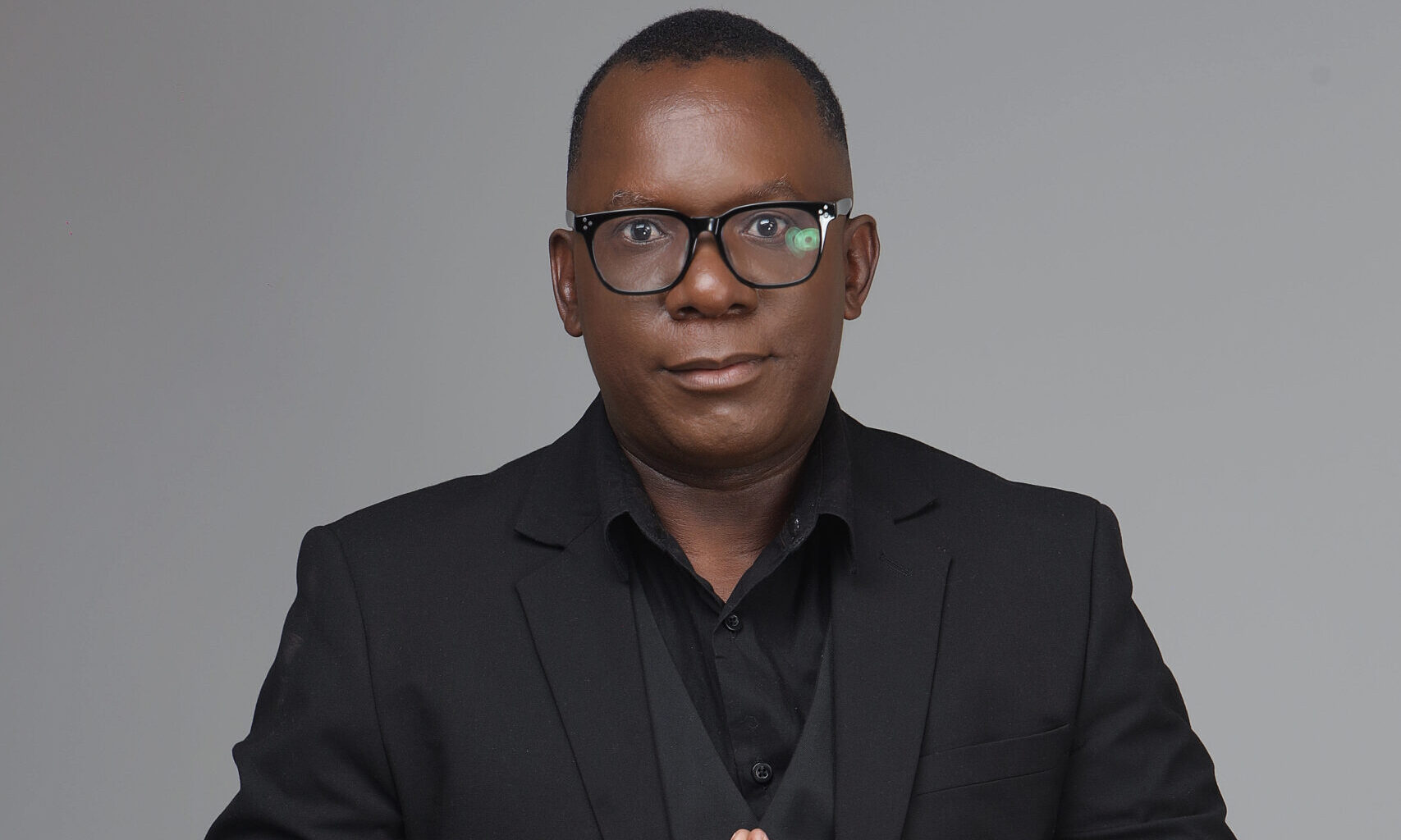
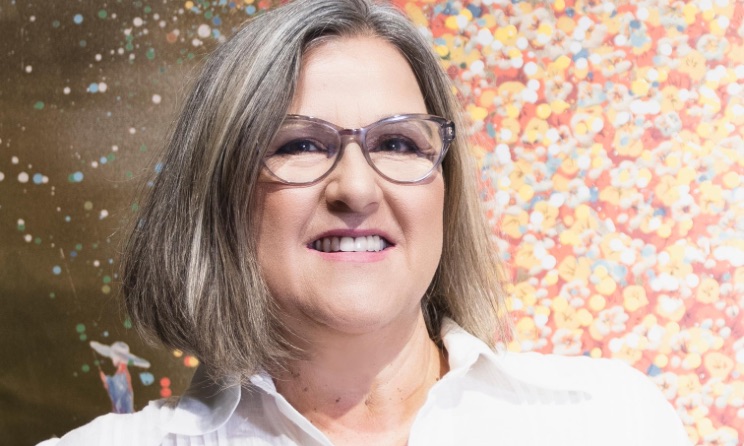
Music In Africa spoke to The Music Arena CEO Antos Stella about the significance of the conference, the latest developments in the African music industry and the partnership between her organisation and Muziki Afrika.
MUSIC IN AFRICA: What is The Music Arena’s involvement in Muziki Africa 2023?
ANTOS STELLA: The Music Arena represents a collective of music businesses that include Gallo Music, Content Connect Africa and a number of other joint venture partnerships. Through these businesses, The Music Arena’s objective is to create a home for artists and labels that offers the best services, distribution and fair-play opportunities for our clients to grow their businesses locally and globally.
Why should music professionals be at Muziki Africa and FAME Week Africa 2023?
While there are other significant conferences, FAME creates an opportunity for film, television and music to come together to discuss pressing issues that surround our industries via informative sessions. It also creates a business environment for music industry people to discuss and find opportunities to work together.
What are some of the important topics that will be discussed at the Muziki Africa?
One close to my heart is Breaking Barriers and Shaping the Future – What’s Next for Women in Music. We see how women of the stature of Hloni Modise, founder of the Basadi in Music Awards, and Tholsi Pillay, the manager of Grammy Award-winning musician Wouter Kellerman, among the other great panellists, continue to push the boundaries for women.
What do you think are some of the biggest challenges in the African music industry at the moment?
Revenues from the sales of music are diluted because of the many barriers or third parties that have been created through the streaming process. It is up to us to start questioning how this revenue is being distributed and how little artists are receiving down the food chain, particularly as independent record companies, labels and artists. For legacy artists and labels with catalogues, there’s this constant defence of the use of our music in samples without any permission. These are just a few of the topics we are addressing at The Music Arena and as part of this conference.
You have extensive experience in the African music industry. Can you tell us about some of the most interesting developments happening in the music business right now?
After almost 40 years in the music business, there are two things that stand out and excite me the most – outside of the fast developing technology. Firstly, Africa as a continent has and is taking its rightful place in the global music industry again with sell-out shows, at the Grammy Awards and on the Billboard charts. Secondly, the move to come together as a business and ensure we retain our intellectual property while we take centre stage again is top of the conversation now. As we have the resources and ability to negotiate not to give away what is rightfully ours, these discussions are what excite me. I say this cautiously as technology develops at the rate it does, but ultimately we are a global stage now.
What does the local industry need to do so that the money stays in Africa instead of profiting the big labels and multinationals? Should artists look towards working with local independents as a matter of principle, or are the big, international deals too enticing to pass on?
I’m so glad you raised this; I guess it’s been my fight for many years and what I love about The Music Arena. Lots of money is leaving Africa through multinational aggregators, platform, labels, and so on, and has been for years. It’s very hard for local companies to fight big dollar advances that are offered to our artists across the continent. It is also a constant battle to break these barriers and go at it alone both locally and globally. The question is how do we sustain this business without ‘selling out’ completely? I have seen so many artists over so many years take massive advances and sell their souls only to find themselves back in the same position a few years later. The exciting new phase is that many of our big stars are beginning to work together to retain their rights. The Music Arena is soon going to have its own distribution platform, which will enable artists and labels to go direct to the digital streaming platforms, while acknowledging that we require an international partner to assist us with global penetration, but on our terms. I would love to see a collective of concerned music business owners come together at a round table at FAME Week Africa to discuss how we can begin to dominate these aspects of the global music industry. Our artists are already centre-stage – we need to support them by giving them the best business practices that are proudly African.
Which is the most promising music market in terms of country or region at the moment?
Wow, this is a difficult one. We know West Africa continues to take the world by storm, but I have my eyes on East Africa, Uganda, Tanzania, and of course South Africa. Honestly, I think we still have so much opportunity to tap into the talent of Africa.
What are your views on AI in the music industry – both in terms of publishing and music making?
On a positive side, AI can give us comprehensive analytics and data around music in all formats. This is always great to have for artists, labels, publishers and composers. The fear of course for creators is the ability for their music to be tampered with or copied, but also the removal of some of the processes in creating music. I do believe, as with all technology in our industry, that we should not fear it but embrace it. Right now, AI is an advantage for us in having comprehensive data available at our fingertips.
Please add any other thoughts that you may want to share with our readers.
I love Music In Africa. I would encourage everyone to attend ACCESS and other Music In Africa initiatives, and if possible join us at the FAME Muziki Week. If you reading Music In Africa, it’s because you love the industry and the music, but we do need to find our rightful place in the global business and ensure that we retain our rights in our home countries. So let’s all be in this together by growing the conversation, creating and dictating the narrative and making it sustainable.
Register for Muziki Africa here.


Most popular
Open call: 2026 Gender@Work music industry training in Johannesburg
09 Oct 2026

Top amapiano songs of 2026
16 Feb 2026
Gambia: Suntou Susso announce UK tour for ‘The Path of a Griot’
09 Oct 2026

Top Naija songs of 2026
31 Mar 2026

Top Afrobeats songs of 2026
19 Mar 2026
Call for applications: ACCES 2026 Emerging Artist Spotlight Competition
01 Oct 2026
Disclaimer: Music In Africa provides a platform for musicians and contributors to embed music and videos solely for promotional purposes. If any track or video embedded on this platform violates any copyrights please inform us immediately and we will take it down. Please read our Terms of Use for more.

Subscribe to our monthly Newsletter
Follow us on social media


Please log in to post a comment.