
























































JMI Global: A platform for urgent African music conversations

29 Sep 2023 - 11:37


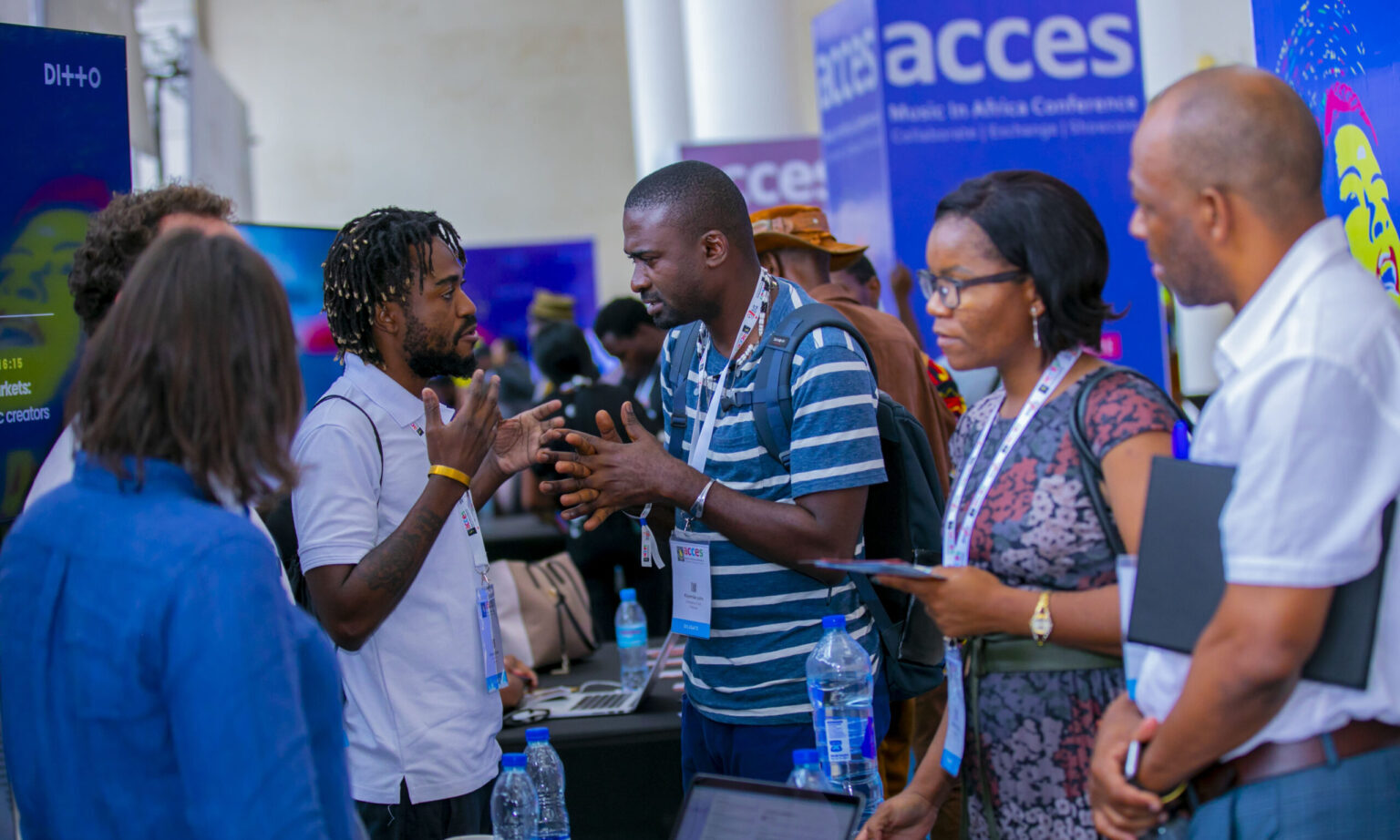
JM International hosted a successful JMI Global music conference in Harare, Zimbabwe, from 18 to 22 September, with music professionals sharing important information about the African music industry.

Hosted by Music Crossroads Zimbabwe, the conference provided local players and foreign delegates with an overview of the state of African music. The speakers shared statistics, ideas and possible solutions to the challenges faced by African creatives. Many of them urged African governments to enact policies to improve the lives of people operating in the local cultural and creative industries.
JMI Global took delegates on a journey of reflection, discovery and learning about the measures being taken by international music communities to build more resilient and sustainable cultural movements that foster creative growth among young people. The forum was first held in Brussels, Belgium, in 1946. Harare was the third African city to host the event after Abidjan in Ivory Coast and Dar es Salaam in Tanzania in 1998 and 2010, respectively.
Industry talks
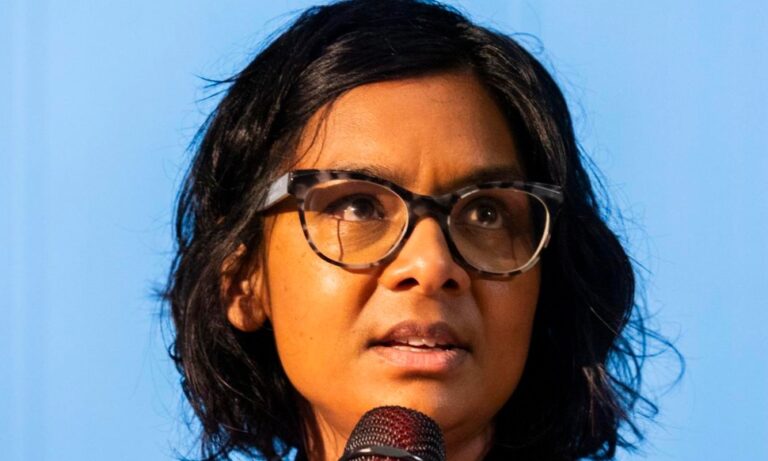
Culture Funding Watch CEO Ouafa Belgacem (Tunisia) shared data on the insufficient funding African governments reserve for the arts. She compared self-financed creative businesses in Tunisia to other sectors, saying that the arts in her country were not given the same priority as other industries. However, Belgacem underscored that her organisation was making efforts to close this gap by offering a viable funding platform for African creatives through grants, fellowships and other opportunities.
“I did another study during COVID-19 to find out how many cultural creatives received financial support. You can see that only 14% had support during the crisis. So, do not tell me you [governments] are doing something for us,” she said.
Culturepreneur Walter Wanyanya (Zimbabwe) took attendees through his experiences touring the world as the manager of the late Zimbabwean great Oliver ‘Tuku’ Mtukudzi. He also discussed his work as the organiser of Jacaranda Music Festival, which, apart from providing top-notch entertainment, is known for supporting the Zimbabwean music industry through round-table discussions and financial literacy workshops for artists to improve their understanding of the music business. He stressed how the festival had been instrumental in improving artist mobility by hosting creatives from Africa and around the world in Harare.
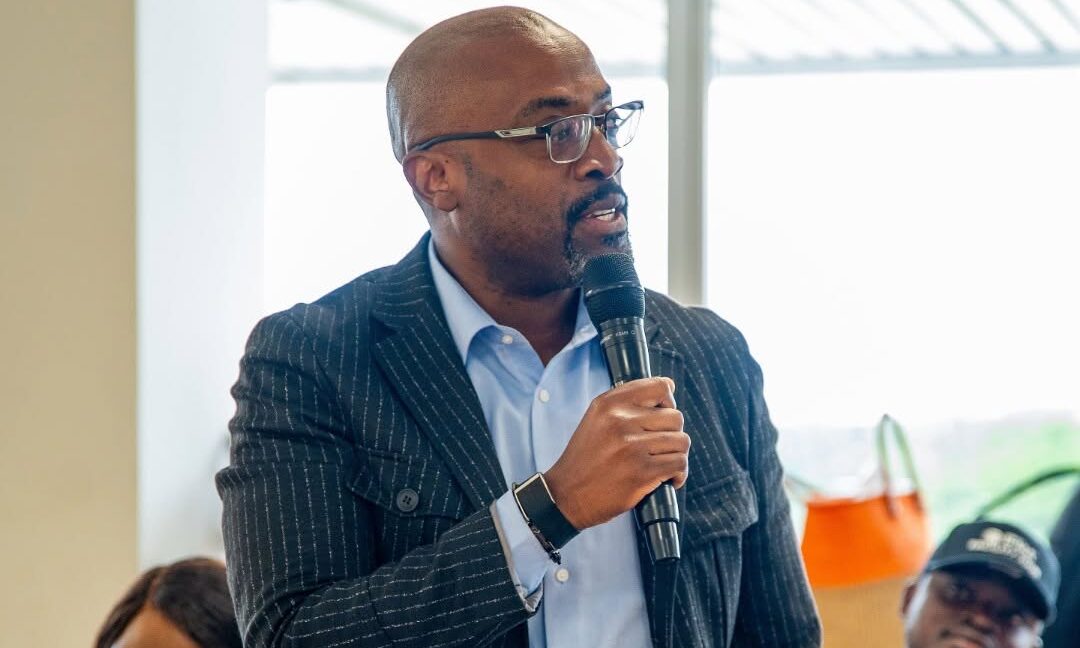
During his keynote address, Music In Africa Foundation executive director Eddie Hatitye (South Africa) spoke about the history of the pan-African NPO as it celebrates 10 years in 2023, global recorded music revenues, copyright challenges, the stumbling blocks around artist mobility, the future of African music, the global success of amapiano and the complexities of earning money through digital service providers such as Spotify.
Paulo Chibanga (Azgo Festival, Mozambique), Tamanda Mbendera (The Festival Institute, Malawi) and Maria ‘Vera’ Chisvo (Shoko Festival, Zimbabwe) explored how African music festivals can support support the development of young musicians on the continent, while Prudence Katomeni (Music Crossroads Academy, Zimbabwe), Will Ramsay (Global Music Academy, Germany) and Mahsin Basalama (Dhow Countries Music Academy, Tanzania) urged creatives, music businesses and arts organisations to ramp up music education activities in their respective countries.
Production manager and educator Carine Tredgold (Zimbabwe) took the opportunity to explain the role played by the Music In Africa Foundation’s Gender@Work programme to upskill and increase the participation of women in the African music sector. In her remarks, she discussed how the initiative had helped raise awareness and advocate against gender disparity in the music industry.
Knowledge sharing
Legendary guitarist Clive ‘Mono’ Mukundu and mbira teacher and author Trust Mutekwa conducted workshops titled Tuku Forever and Mbira Magic. On his part, Mukundu played the guitar and flawlessly recreated Tuku’s hits ‘Wenge Mambo’ and ‘Ziwere Ziwere’. Participants, including foreign delegates, sang both songs and in the process came closer to the music of Zimbabwe while proving that language is no barrier to music.
Meanwhile, an inspirational Mutekwa taught the attendees how to play the mbira, the world-famous local lamellophone that often provides the signature sound of Zimbabwean music.
Showcases
Throughout the conference, different venues around Harare hosted showcases at night. Yenge Family, a six-piece sungura and rumba ensemble, performed at Cresta Lodge while Alliance Française Harare hosted Ethno Zimbabwe, a 20-member ensemble of young musicians from 12 countries. Sounds of Africa performed at the popular Gavas Restaurant with a once-off show that brought together musicians from Malawi, Mozambique and Zimbabwe exploring Africa’s music and dance heritage.
A highlight at the JMI Global music conference was a performance by Zimbabwean band Mokoomba, which has enjoyed international success over the past few years for its unique fusion of rock, reggae and Zimbabwean traditional music. At Emagumeni, Mokoomba were joined by Mary Anibal, an Afro-fusion artist and mbira player who uses her music to inspire change.


Most popular

Top Naija songs of 2026
31 Mar 2026

Top Afrobeats songs of 2026
19 Mar 2026

Top amapiano songs of 2026
16 Feb 2026

Open call: CANEX Music Business Lab and Songwriting Camp
15 Oct 2026
Open call: National Arts Festival artistic director in SA
15 Oct 2026

Ghana: Mr Eazi and MOLIY’s ‘Comfort’ earns Urban Music Awards nomination
21 Oct 2026
Disclaimer: Music In Africa provides a platform for musicians and contributors to embed music and videos solely for promotional purposes. If any track or video embedded on this platform violates any copyrights please inform us immediately and we will take it down. Please read our Terms of Use for more.

Subscribe to our monthly Newsletter
Follow us on social media


Please log in to post a comment.