




































NEFCISA
NEFCISA

The Music In Africa Foundation (MIAF) is proud of its partnership with the Industrial Development Corporation (IDC) as a Strategic Implementing Partner (SIP) for its Social Employment Fund (SEF). Through this collaboration, MIAF is running a national programme that is creating jobs, addressing skills gaps, and strengthening South Africa's creative industries — in line with the SEF's overarching goal to generate work for the common good and build community value through employment, social contribution, and inclusive economic participation. Operating under the banner NEFCISA (National Employment Facility for Creative Industries in South Africa), the initiative is recruiting and training participants, matching them with host organisations, and has already placed 1 500 workers across the country — surpassing its original target of 1 000. NEFCISA is delivered through a network of 20 host organisations spanning five provinces, who are actively hosting participants and contributing to work for the common good across South Africa's creative and cultural industries. Key Objectives: Support employment and entrepreneurship in the creative industries. Offer skills development and training programmes. Foster partnerships between public and private creative sectors. Promote South African creativity at both provincial and national levels Foster community development through social contribution.

ACCES
ACCES

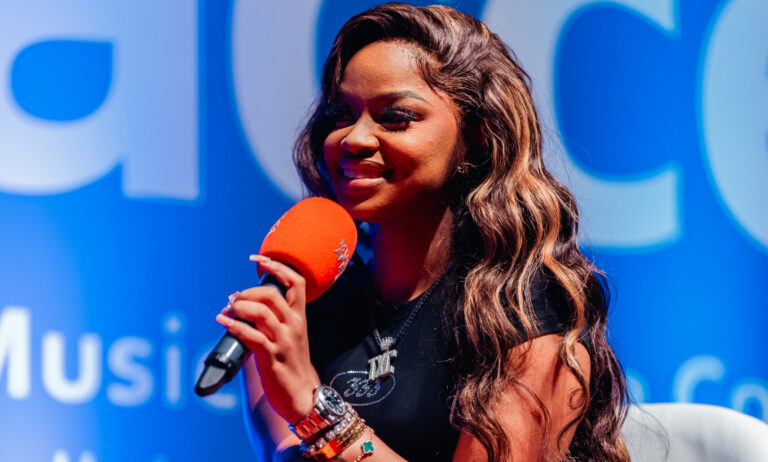
ACCES Conference and Showcase Festival is Africa's leading music industry gathering, bringing together the people shaping the future of the continent's music business. Artists, entrepreneurs, executives, investors, policymakers and cultural leaders from across Africa and around the world come to ACCES to build partnerships, exchange ideas, discover talent and create new business opportunities. Since its launch in 2017, ACCES has become the continent's premier platform for professional exchange and music market development. Combining a high-level conference with a curated showcase festival, networking, exhibitions and industry programmes, ACCES offers a unique space where creativity meets business and where African music connects with the global industry.

Gender@Work
Gender@Work

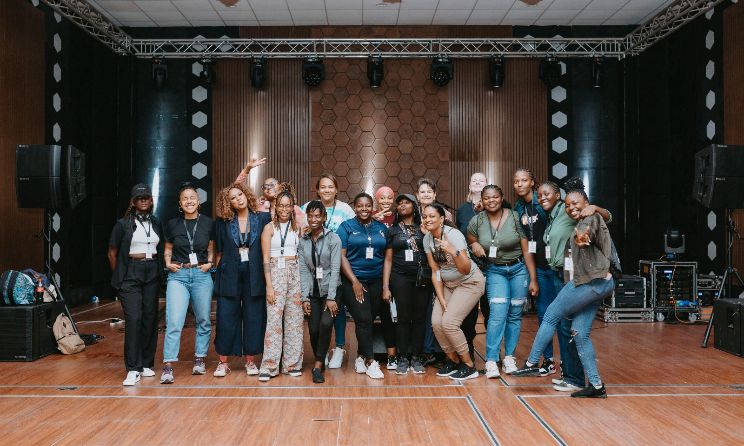
Music In Africa Gender @ Work is a three-year training programme aimed at upskilling and increasing the participation of female professionals in the African music sector. Launched by the Music In Africa Foundation (MIAF) in April 2019, the programme is connected to the MIAF’s ACCES music conference – a pan-African event held in a different African country every year. This connection enables the programme to reach new participants in a different African country every year. The programme marks the beginning of a more concerted effort by the Foundation to support the participation and inclusion of women in all facets of its programmes and the music sector in Africa as a whole. Over the three years, the programme will aim to address gender imbalances in the sector through training, lobbying, facilitating knowledge exchange and dialogues that foster the interest of women. The broader objectives of the programme are to: Provide industry training for women on critical music industry skills, focusing on: Stage management Electronic music production and recording Music business management Technical knowledge Provide an opportunity for both professional and aspiring women to benefit from the Music In Africa network and its broad range of activities in 2019, 2020 and 2021. Provide a solution-based platform in the form of a round table at ACCES with a view to identify challenges, discuss opportunities and lobby for the interests of female practitioners. Offer participants the opportunity to benefit from programmes offered by MIAF’s partners. Increase access to educational materials. Integrate participants in the broader ACCES programme to maximise experience and exposure to the industry. Record and present training materials on the www.musicinafrica.net, including but not limited to tutorials, templates and other best-practice materials. Communicate women-based themes that support the initiatives and messages of the programme. MAIN TRAINING ACTIVITIES Training in first country (Ghana): In the first year, participants will be trained on all aspects of stage management by a team of experienced stage managers from 10 to 17 November 2019. The programme will offer robust classroom training as well as practical, hands-on training in which participants will also be given the opportunity to manage various aspects of the ACCES performance programme. Training in second country: The second training iteration will take place at ACCES 2020 when the programme will diversify its course to include music production lessons and training on other music business topics. A round-table platform will also be introduced to coincide with the ACCES programme. Training in third country: The third training iteration will take place at ACCES 2021 in a different country, offering an advanced course. HOW DO YOU GET INVOLVED?  As a participant, facilitator or trainer: The programme enrolls up to 12 trainees every year. All opportunities are advertised publicly on this website, and will be added to this page. Please keep checking this page for new calls (below under UPDATES & CURRENT OPPORTUNITIES). As a partner Please contact Claire Metais at [email protected]. APPLY The call for applications for 2020 will be announced soon. The Music In Africa Gender @ Work programme is made possible with the support of the Prince Claus Fund, Siemens Stiftung and Goethe-Institut.

Sound Connects Fund
Sound Connects Fund

For cultural and creative practitioners and organisations operating in southern Africa, access to funding remains a major challenge. The COVID-19 pandemic has also had a massive impact on government policy, spending and the economy in general, and has seen spending on culture being moved further down the list of priorities. Further, the cultural and creative industries repeatedly cite four main areas where investment is needed for growth, which are increased visibility, mobility including access to new markets, finance and support structures.

Instrument Building And Repair Project

Experience the Vibrations African Instruments Exhibition online in 3D

Features

Joy of Jazz 2023: Live music as an ancestral invitation to be present
06 Oct 2023 - 12:43

cc-img

Standard Bank Joy of Jazz festival took place this past weekend, marking its 24th edition. The Sandton Convention Centre was filled to the brim with vibrant energy across all four stages that featured more than 50 artists. Jazz enthusiasts and music lovers alike gathered to celebrate the healing gift of live music.
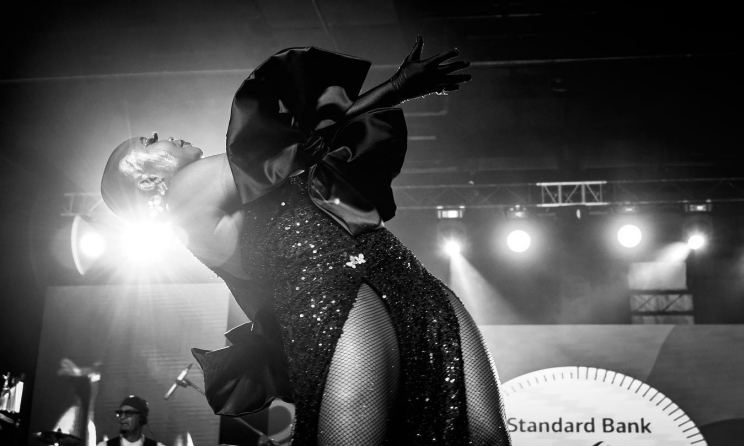
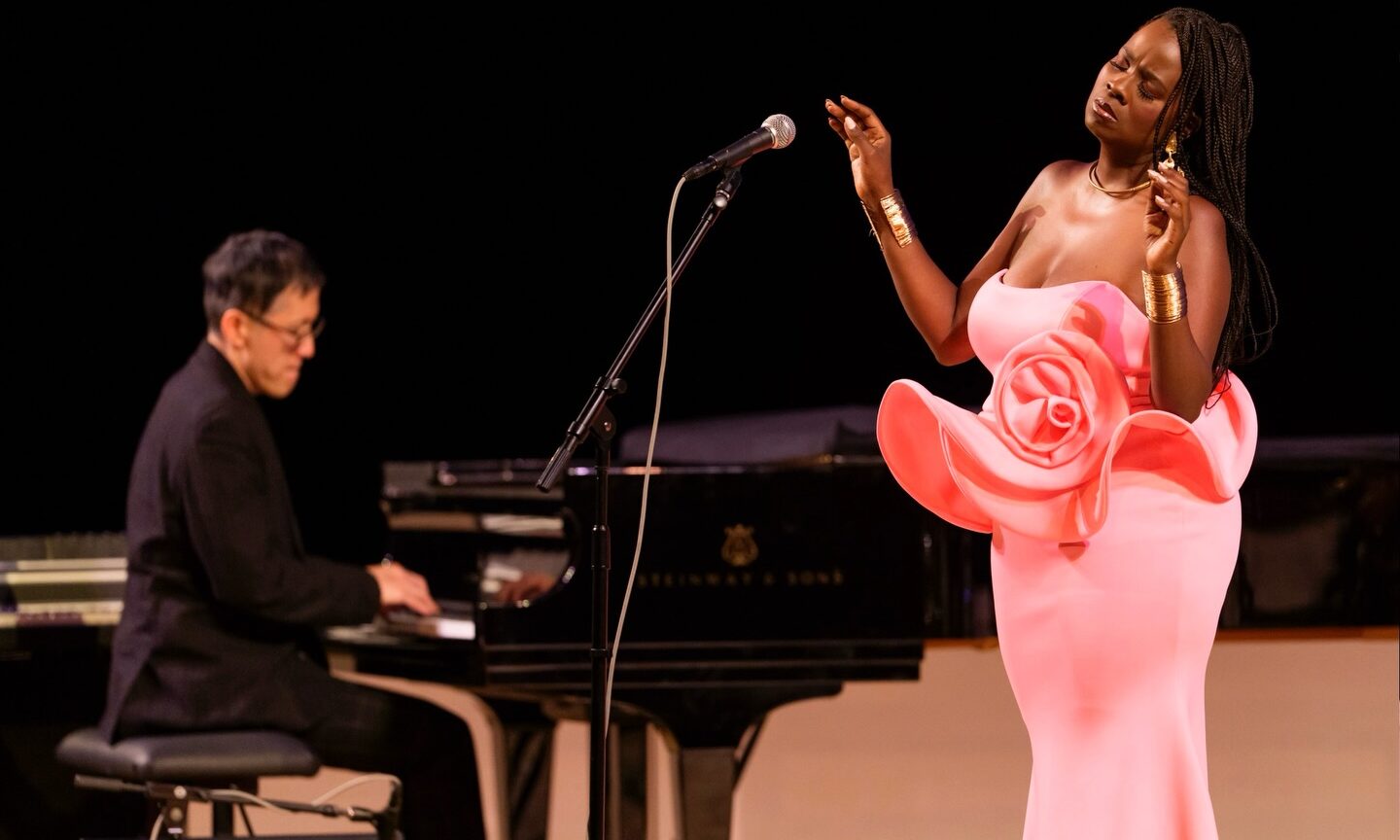
Zoë Modiga at Joy of Jazz 2023. Photo: Instagram

Day 1 of the festival saw jazz giants such as Herbie Tsoaeli take centre stage with Dalisu Ndlazi, Viwe Mkizwana and the Afrikan Time Jazz Assembly as they commemorated the living legacy of Johnny Dyani and the homegrown sounds from fertile African soil that have informed the growing landscape of live music.

The second and last day of the festival boasted soul-stirring performances that words cannot quite encapsulate. The Conga Stage saw Zoë Modiga and her band of world-class musicians (as she lovingly describes them) deliver a refined string of songs from her sophomore album Inganekwane. As a unified collective, they rhythmically transported audience members through ancestral invocations of note – their melodic offering requiring nothing of the audience except their presence and attentiveness. If one was not inwardly present during this wide-ranging set, one could have easily missed the intricate meaning and power that rested beneath each instrument and in Modiga’s ground-shaking voice.

It was heartwarming to note the growth of Modiga and her band, who performed their debut album Yellow: The Novel at Joy of Jazz in 2017 on the Mbira Stage. Six years later, Modiga continues to lead the band into musical brilliance that emanates abundant rhythms and melodies. Her rich musicality and stage presence had the audience chanting along (and others shedding heartfelt tears) to her prayerful song ‘Umdali’ that affirms the divinity of the human spirit by reminding us that:

Bayasidinga
Basicelile
Likhonithemb’uku’thamaphuphu abo
azofekeka
Njengoba kush’ uMdali

The above Zulu lyrics loosely translate into English as: “Those who came before us need us/Those who came before us have called us/There is hope that their dreams will come true/Just like the Creator said”

The Nduduzo Makhathini Trio, a band of brothers consisting of Cuban drummer Francisco Mela and bassist Zwelakhe-Duma Bell le Pere with Nduduzo Makhathini on piano and vocals kept the streak of transcendent hymns going with their medley of songs off In The Spirit of Ntu album on the Dinaledi Stage. The trio featured Omagugu Makhathini who brought a divinely feminine and grounding touch to the stage with her resonant voice.

Their performance flowed in and out of the bounds of time and revealed an evocatively powerful and ancient truth: there is a deeply spiritual place unseen where the songs are happening. As we collectively sing, dance and feel the music, we are tapping into the ongoing ancestral portal of music. One could say that a pianist or composer does not necessarily nor tangibly make music, instead they compose various parts of themselves in order to see and hear where the music takes them. The compositions are in fact meditations of the self and the spirit that gradually lead the artist to the song. It is at this intersection that jazz and improvisation build a home.

The two performances by Zoë Modiga and the Nduduzo Makhathini Trio were a necessary reminder of the fact that when one hears a song that moves them, one should allow the melody and rhythm to resonate on a deeper level of consciousness. This level of deep presence brings to light how the music itself has something specific to share too, with each individual. The songs themselves are messengers or “Zithunyiwe lezingoma”, in Makhathini’s words.

Standard Bank Joy of Jazz festival remains a cultural space that positions itself in alignment with heritage. Taking place in September, it coincides with the beginning of the African New Year (Inzalo ye Langa). The month of September has been regarded and honoured as the first month of the African New Year by the indigenous people of Southern Africa. According to age-old indigenous practices, the ancestors counted the calendar based on the movement of the sun, which provided them with the knowledge and wisdom of when the seasons would change.

September, or uMandulo in Zulu, is believed to be the start of a new cycle, representing the welcoming of blessings in the form of rain, vegetation and growth in all aspects of the human experience. The sacred connection between cosmic events, such as the beginning of the African New Year, and spiritual pursuits, such as the singing and playing of spiritual hymns, is one to be honoured and celebrated. The jazz was indeed felt, in this realm and the next.

The Lounge Jazz Stage also featured a one-of-a-kind market experience called the Jazzy Joburg Market – an African market selling a wide range of traditional attire, creations and jewellery. Those who wandered into the market could purchase all kinds of African fashion items to further honour and celebrate their roots.

Please log in to post a comment.

Most popular

Disclaimer: Music In Africa provides a platform for musicians and contributors to embed music and videos solely for promotional purposes. If any track or video embedded on this platform violates any copyrights please inform us immediately and we will take it down. Please read our Terms of Use for more.

newsletter banner

Subscribe to our monthly Newsletter

Follow us on social media