


































KAMP elects new seven-member board after three-year term under Angela Ndambuki

04 Nov 2026 - 15:29


Kenya’s Collective Management Organisation (CMO) KAMP Copyright and Related Rights Limited (KAMP) has elected a new seven-member board following the conclusion of a three-year term led by outgoing chairperson Angela Ndambuki.

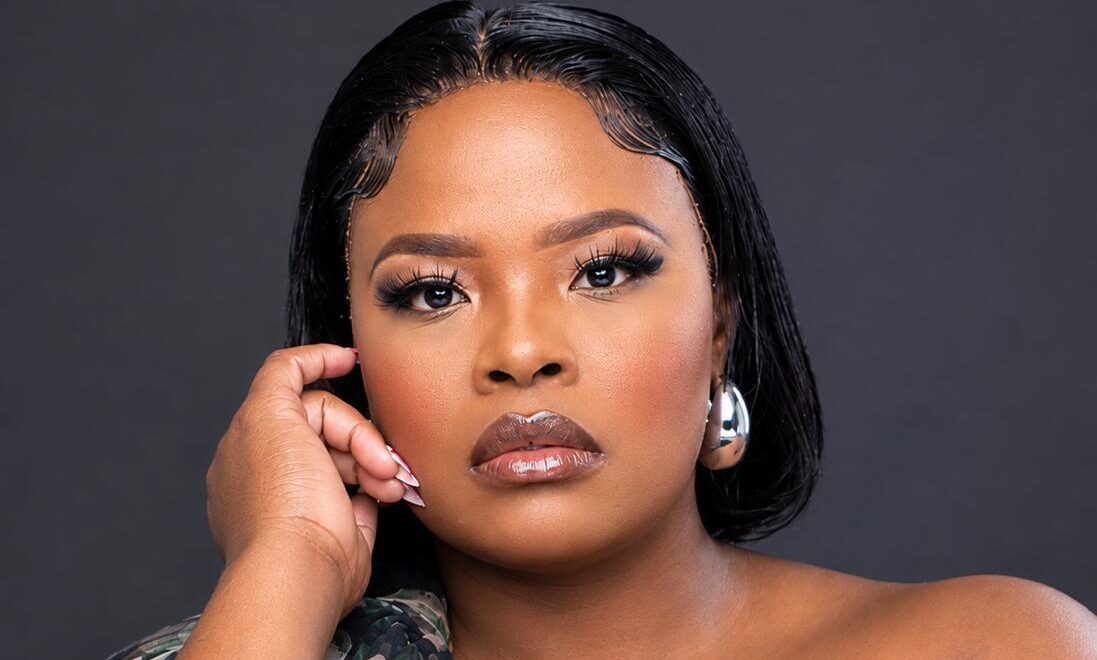
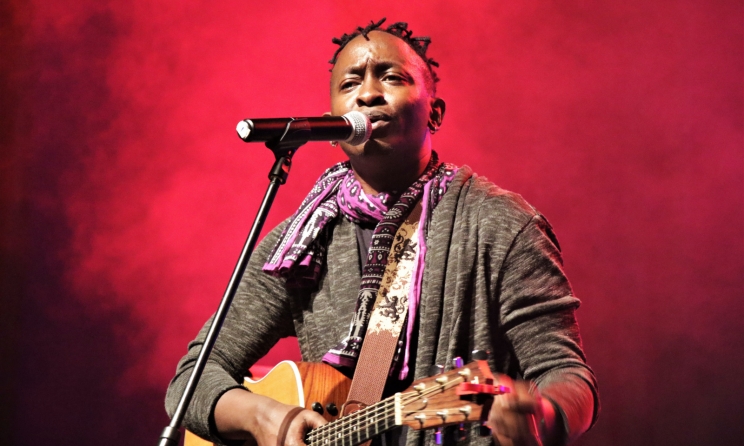
Outgoing KAMP chairperson Angela Ndambuki.
Kenya’s Collective Management Organisation (CMO) KAMP Copyright and Related Rights Limited (KAMP) has elected a new seven-member board following the conclusion of a three-year term led by outgoing chairperson Angela Ndambuki.
The directors were elected by secret ballot at the organisation’s Annual General Meeting (AGM), held on 28 October 2026 at Daystar University’s Valley Road Campus in Nairobi. Veteran music producer Japheth Kilonzo Kassanga was elected chairperson of the new board.
The election followed a decision by members to use a manual secret ballot. Fifteen candidates addressed the meeting before voting began. KAMP’s company secretary acted as returning officer, while representatives appointed by candidates and an observer from the Kenya Copyright Board (KECOBO) monitored the process.
The seven elected directors and their recorded votes were:
- Geoffrey Kwatemba – 895 votes
- Monicah Wanjiku Kibayu – 824 votes
- Japheth Kilonzo Kassanga – 774 votes
- Anthony Kyalo John – 649 votes
- Felix Ngutu Masila – 574 votes
- Johness Nguta Mbaka – 526 votes
- Victor Mbuvi Mutune – 412 votes
Ndambuki said the organisation’s central responsibility was to ensure that those involved in creating and investing in recorded music received recognition, protection and remuneration.
“KAMP’s enduring purpose is to ensure that the people who create and invest in recorded music receive the recognition, protection and remuneration they deserve,” she said. “I wish the incoming board the very best as they steer KAMP to greater heights. Thank you for the opportunity to serve.”
During the outgoing board’s three-year tenure, KAMP reported an increase in its royalty distribution ratio to 70%, from 61% in early 2024. The organisation also reported 3,654 registered members and more than 20 international reciprocal partnerships connecting Kenyan rights holders to a network of more than 800,000.
KAMP said it distributed Sh7,254,790 to rights holders in the first quarter of 2026, including international royalties. However, its share of joint collections during the period was 16%, compared with 84% administered by the Performing Artists and Visual Rights Society of Kenya (PAVRISK).
The outgoing board also signed a memorandum of understanding with the Recording Industry of Kenya (RIKE) to provide members with access to International Standard Recording Codes (ISRCs), which identify individual sound recordings and facilitate their tracking across digital and international markets.
The new board takes office amid outstanding regulatory and operational matters involving KECOBO and PAVRISK. KAMP’s operating licence was suspended twice in 2026, with the suspensions subsequently stayed or lifted by the Copyright Tribunal. The organisation was also removed from the eCitizen platform used for royalty collection, despite having completed its onboarding process. KAMP said its requests for reinstatement had not received a response by 21 October.
A separate High Court petition concerning the transparency of KECOBO’s criteria for licensing CMOs was heard on 15 October 2026, with judgment scheduled for 15 April 2027.
KAMP also reported that reconciliation of collections administered through PAVRISK remained outstanding. The organisation cited an alleged shortfall of Sh5,514,559.16 for the October–December 2025 period. It noted that the Copyright Tribunal had made no finding of misappropriation in relation to the matter.
At the AGM, members voted to establish an ad hoc committee to address the outstanding issues and safeguard their interests. Its priorities include pursuing KAMP’s reinstatement on eCitizen, seeking reconciliation of PAVRISK-administered collections and engaging KECOBO on the organisation’s pending 2026–2027 licensing application.
The AGM also received messages of support from international music industry organisations. IFPI chief executive officer Victoria Oakley said the organisation supported KAMP’s efforts to secure its position in Kenya’s music industry and collect royalties on behalf of artists and rights holders.
Other messages came from Nigeria’s Record Label Proprietors Initiative (RELPI), the South African Music Performance Rights Association (SAMPRA) and Diganza. Their representatives expressed support for KAMP’s work in administering neighbouring rights and protecting the interests of recorded music rights holders.
KAMP also cited a joint statement of solidarity issued on 21 August 2026 by 17 African collective management organisations, rights bodies and record companies from 12 countries. In July, an IFPI-led delegation met Kenyan President William Ruto at State House to discuss regulatory cooperation and investment in the country’s recorded music sector.
Speaking on his election, Kasanga said the leadership change presented an opportunity to strengthen the organisation’s governance and build on its progress.
“The leadership transition is more than a change in directors. It is an opportunity to strengthen governance, resolve outstanding issues and build on the gains made in membership, distribution performance and international reach, so that Kenyan and international rights holders receive remuneration due to them in a more stable operating environment,” he said.
The new board is expected to focus on maintaining royalty distribution levels, improving financial accountability and transparency, resolving outstanding collection issues, restoring full licensing and collection operations, and strengthening international partnerships.
KAMP represents sound-recording producers, audiovisual producers and performers in Kenya. It is licensed to collect and distribute royalties on their behalf and says it has more than 3,600 direct members, with reciprocal agreements connecting its rights holders to international markets.


Most popular

Ghana: Mr Eazi and MOLIY’s ‘Comfort’ earns Urban Music Awards nomination
21 Oct 2026
Top Naija songs of 2026
31 Mar 2026

Top Afrobeats songs of 2026
19 Mar 2026

Top amapiano songs of 2026
16 Feb 2026
KAMP elects new seven-member board after three-year term under Angela Ndambuki
04 Nov 2026
Nigeria: CANEX WKND unveils 2026 programme
21 Oct 2026
Disclaimer: Music In Africa provides a platform for musicians and contributors to embed music and videos solely for promotional purposes. If any track or video embedded on this platform violates any copyrights please inform us immediately and we will take it down. Please read our Terms of Use for more.

Subscribe to our monthly Newsletter
Follow us on social media


Please log in to post a comment.