



























































Today, Kenyans around the world commemorate 56 years since the country attained self-rule after decades as a British colony. Several artists will be playing at an Independence Day event, which will be held at the Narok Stadium in Narok County.

As we celebrate the goodness of political independence, it is also time to imagine a music industry that is free from foreign sounds so that we can regain our revolutionary musical tradition. That would be true independence. As things stand right now, Kenya is on the verge of losing its musical essence because much of the new music being fronted by the local media has little or no connection to the Kenyan identity.
Over the years Kenya has seen several musicians make music that 'ticks' and most of them have become wildly influential, yet without becoming household names in the country. Some were innovators of their instruments and sounds while others were the uncredited backbeat behind dozens of timeless hit records that inspired listeners around the world and scores of musicians.
It is time to appreciate these artists who practice self-sacrifice, duty, comradeship and acknowledge the importance of remembering our authentic sounds, while also honouring the role of the musician, which is to be the reflection of the society.
The global music scene is changing: new sounds are emerging, but we can only adapt to these new sounds such as electronic music after we follow the path of our authentic traditional sounds, especially the rich history of benga music, and reconnect with the pioneers. Other countries such as Nigeria, South Africa and Ghana have done it. We are equally as talented and innovative as they are. We can do this.
Below is a playlist of some pioneer and mid-career artists that emerging Kenyan artists can look to for musical inspiration.
The man, the instrumentalist, the legend. Anyone who plays the nyatiti instrument owes a debt to Ogada, whether they realise it or not. He was the first to popularise the nyatiti as a solo instrument outside the country. In a career spanning over three decades, Ogada released terrific music with several of his songs, including ‘Koth Biro’ ('The Rain is Coming'), being used in film and documentary soundtracks. He also appeared in a series of films, notably Out of Africa and The Kitchen Toto.
Even though he did not receive the heroic recognition that he deserved from the state, his astounding recordings continue to influence the world. He died on 1 February 2019.
Ratego is among the few admired and celebrated live music performers across Europe and beyond, yet underestimated and unappreciated in Kenya. His voice has the power to thrill, to move you to ecstasy or tears, which brings us to the fact that the course of Afro-fusion music is almost unthinkable without him. Also a multi-instrumentalist, Ratego has invented two string instruments influenced by the nyatiti, which reveals a man with deep ties to his country and Luo tribe culture and heritage.
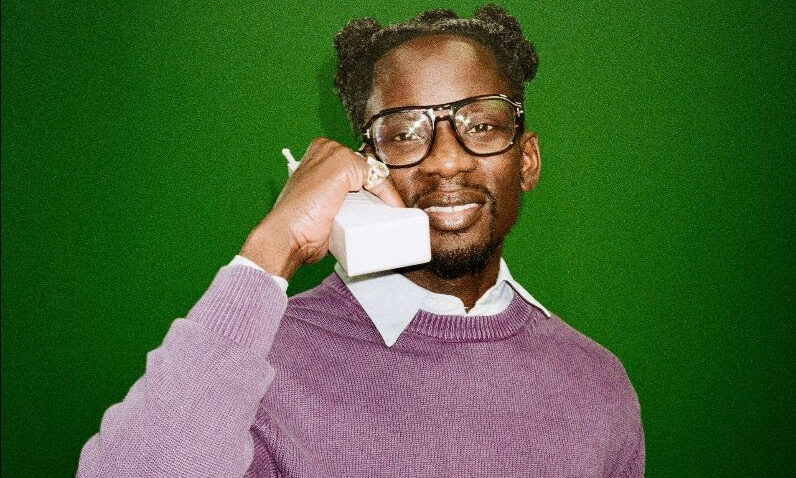
Undeniably, one of electronic music’s most influential acts in Africa, Blinky Bill respects the fact that the past can serve as a source of renewal for the future. His skilled producer’s improvisations have him pegged as the father of electronic music in Kenya and most likely in East Africa. His music is a big 'Yes' to the question: Do the sources of competitiveness that have made Kenyan music successful in the 70s, 80s and 90s genuinely offer the opportunity for us to secure our place on the current global music stage?
Makadem reacted bravely to an industry where the musicians making money and running the airwaves are those making music that’s heavily influenced by sounds from across different regions except Kenya – he went against the masses. Now touring across Europe and playing at huge festivals annually, Makadem’s style is immensely influenced by Kenya’s popular sound benga, which he fuses with various pop sounds, including house and electronic music.
A good number of young Kenyan musicians are not especially proud to compose in their traditional language, partly for fear of being seen as “backward”, but Rígíi has confounded that. His contemporary interpretation of traditional music is something to be celebrated and cherished as he walks in the footsteps of musicians from the central region of Kenya such as Joseph Kamaru. Rígíi has shown us that now is the time when we need to knuckle down with a quiet pride in our surviving traditions.
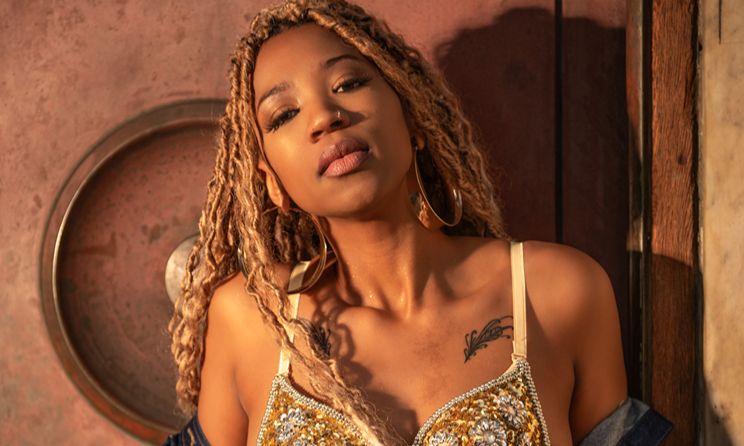
With a penchant for creative lyrics with inspirational themes, Nyota Ndogo has earned a spot in the list of top Kenyan vocalists of all time. Known for her sweet voice and unforgettable melodies, her music is influenced by borrowed sounds from the coastal region of Kenya, such as taarab music.
George and Johnstone Mukabi
George Mukabi was the pioneer of omutibo music from the western part of Kenya. The music was created through the fingerpicking style of playing the guitar, which was popularised by the Congolese musicians Jean Bosco and Edouard Masengo. His performance also included the strumming of a Fanta bottle up and down with a six-inch nail. George died in 1963, and his son Johnstone took over and continued on the path of his father. Presently, omutibo music is at the brink of extinction, with the last custodians being Johnstone and Peter Akwabi (who are both pensioners).
Mary Atieno
Apart from the late Kenyan-based Congolese gospel singer Angela Chibalonza, Atieno, who is visually impaired, is considered the first Kenyan queen of gospel music. Her music expresses spiritual and communal belief regarding Christian life, attributes that are rare to find in current gospel music in Kenya. Her voice carries optimism shaded with occasional sorrow and joy tempered by the understanding of religion. Even though she does not get the due recognition from gospel industry players and event organisers, those that understand the true meaning of gospel music, know that she belongs not just in the pantheon of great gospel singers in East Africa, but in the realm of music pioneers in Kenya.
Emma Jalamo
Emma Jalamo is well-known for playing ohangla music, which is one the most popular Kenyan sounds played in Nairobi city clubs, frequently by a clientele of mixed ethnic and racial backgrounds. Popularised by musicians such as Osogo Winyo, Oduor K’odhialo and Otieno Aloka, the genre seems to see new stars frequently emerge on the horizon, such as Musa Jakadalla.
Kenge Kenge
Some artists have to score abroad before they catch on at home. You may not know about Kenge Kenga, but the band is internationally acknowledged as being one of the finest traditional Kenyan instrumental outfits of recent times. Their blend of intelligence, innovation, virtuosity and passion has brought them to the forefront of global music festivals such as WOMEX. The band, which will next week be touring France continues to maintain their unique, intimate qualities of a musical tradition by fusing benga and ohangla sounds in venues that host authentic Kenyan sounds such as DeepWest, Egesa East Villa and Kataro.


Most popular

Top Naija songs of 2026
31 Mar 2026

Top Afrobeats songs of 2026
19 Mar 2026
Ghana: Mr Eazi and MOLIY’s ‘Comfort’ earns Urban Music Awards nomination
21 Oct 2026

Top amapiano songs of 2026
16 Feb 2026
Open call: CANEX Music Business Lab and Songwriting Camp
15 Oct 2026

Nigeria: CANEX WKND unveils 2026 programme
21 Oct 2026
Disclaimer: Music In Africa provides a platform for musicians and contributors to embed music and videos solely for promotional purposes. If any track or video embedded on this platform violates any copyrights please inform us immediately and we will take it down. Please read our Terms of Use for more.

Subscribe to our monthly Newsletter
Follow us on social media


Please log in to post a comment.