





































NEFCISA
NEFCISA

The Music In Africa Foundation (MIAF) is proud of its partnership with the Industrial Development Corporation (IDC) as a Strategic Implementing Partner (SIP) for its Social Employment Fund (SEF). Through this collaboration, MIAF is running a national programme that is creating jobs, addressing skills gaps, and strengthening South Africa's creative industries — in line with the SEF's overarching goal to generate work for the common good and build community value through employment, social contribution, and inclusive economic participation. Operating under the banner NEFCISA (National Employment Facility for Creative Industries in South Africa), the initiative is recruiting and training participants, matching them with host organisations, and has already placed 1 500 workers across the country — surpassing its original target of 1 000. NEFCISA is delivered through a network of 20 host organisations spanning five provinces, who are actively hosting participants and contributing to work for the common good across South Africa's creative and cultural industries. Key Objectives: Support employment and entrepreneurship in the creative industries. Offer skills development and training programmes. Foster partnerships between public and private creative sectors. Promote South African creativity at both provincial and national levels Foster community development through social contribution.

ACCES
ACCES

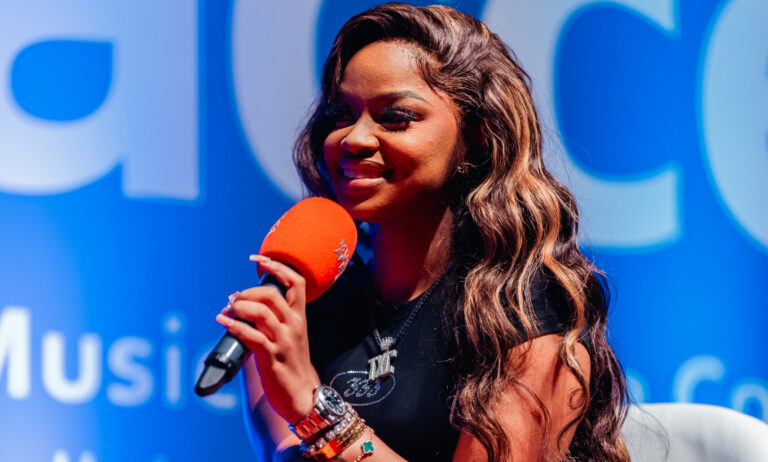
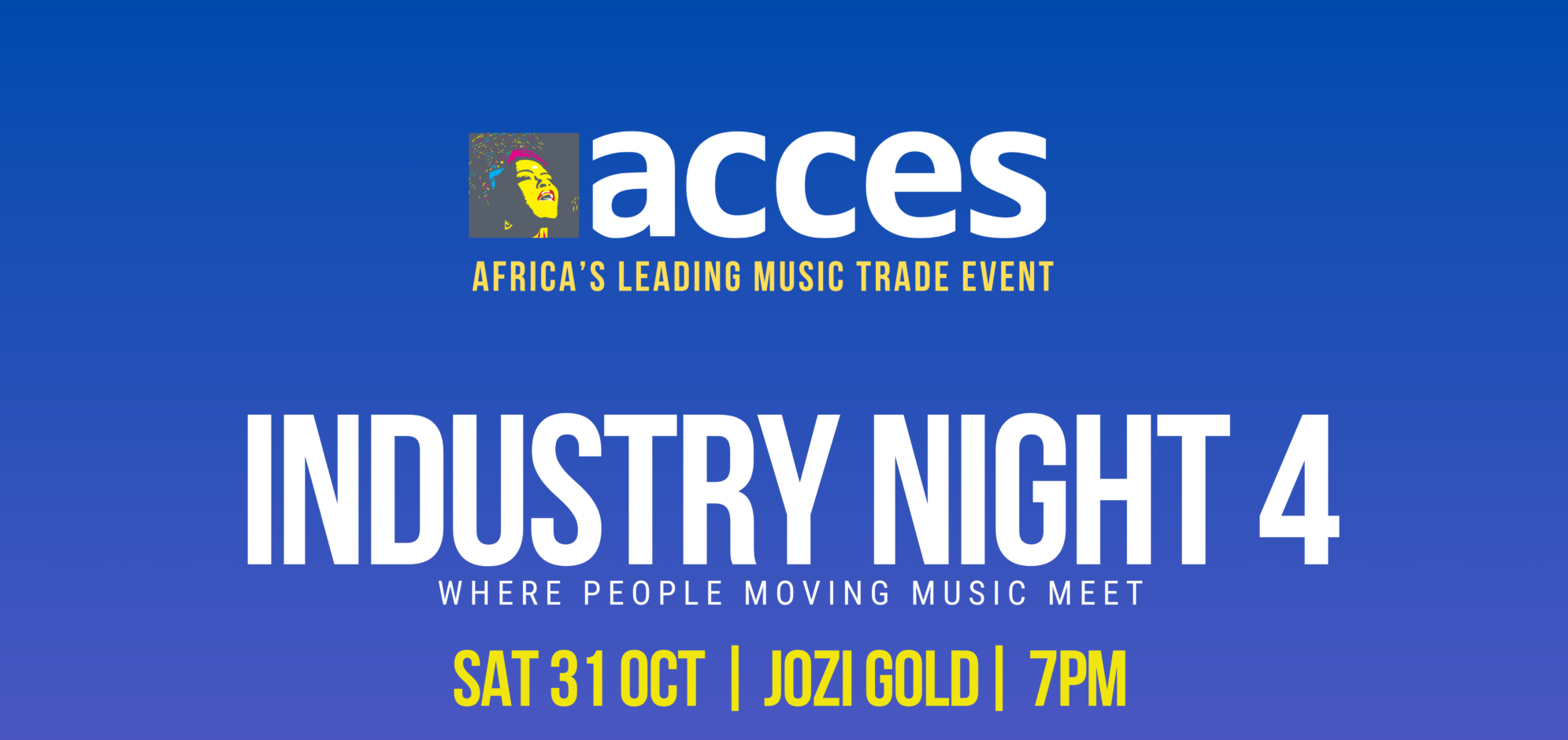
ACCES Conference and Showcase Festival is Africa's leading music industry gathering, bringing together the people shaping the future of the continent's music business. Artists, entrepreneurs, executives, investors, policymakers and cultural leaders from across Africa and around the world come to ACCES to build partnerships, exchange ideas, discover talent and create new business opportunities. Since its launch in 2017, ACCES has become the continent's premier platform for professional exchange and music market development. Combining a high-level conference with a curated showcase festival, networking, exhibitions and industry programmes, ACCES offers a unique space where creativity meets business and where African music connects with the global industry.

Gender@Work
Gender@Work

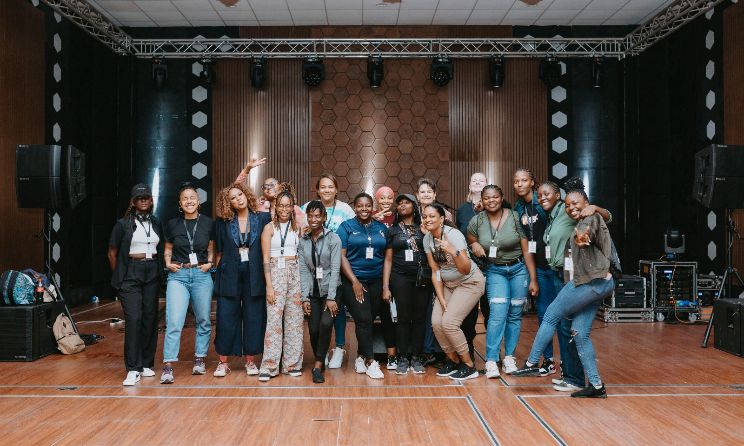
Music In Africa Gender @ Work is a three-year training programme aimed at upskilling and increasing the participation of female professionals in the African music sector. Launched by the Music In Africa Foundation (MIAF) in April 2019, the programme is connected to the MIAF’s ACCES music conference – a pan-African event held in a different African country every year. This connection enables the programme to reach new participants in a different African country every year. The programme marks the beginning of a more concerted effort by the Foundation to support the participation and inclusion of women in all facets of its programmes and the music sector in Africa as a whole. Over the three years, the programme will aim to address gender imbalances in the sector through training, lobbying, facilitating knowledge exchange and dialogues that foster the interest of women. The broader objectives of the programme are to: Provide industry training for women on critical music industry skills, focusing on: Stage management Electronic music production and recording Music business management Technical knowledge Provide an opportunity for both professional and aspiring women to benefit from the Music In Africa network and its broad range of activities in 2019, 2020 and 2021. Provide a solution-based platform in the form of a round table at ACCES with a view to identify challenges, discuss opportunities and lobby for the interests of female practitioners. Offer participants the opportunity to benefit from programmes offered by MIAF’s partners. Increase access to educational materials. Integrate participants in the broader ACCES programme to maximise experience and exposure to the industry. Record and present training materials on the www.musicinafrica.net, including but not limited to tutorials, templates and other best-practice materials. Communicate women-based themes that support the initiatives and messages of the programme. MAIN TRAINING ACTIVITIES Training in first country (Ghana): In the first year, participants will be trained on all aspects of stage management by a team of experienced stage managers from 10 to 17 November 2019. The programme will offer robust classroom training as well as practical, hands-on training in which participants will also be given the opportunity to manage various aspects of the ACCES performance programme. Training in second country: The second training iteration will take place at ACCES 2020 when the programme will diversify its course to include music production lessons and training on other music business topics. A round-table platform will also be introduced to coincide with the ACCES programme. Training in third country: The third training iteration will take place at ACCES 2021 in a different country, offering an advanced course. HOW DO YOU GET INVOLVED?  As a participant, facilitator or trainer: The programme enrolls up to 12 trainees every year. All opportunities are advertised publicly on this website, and will be added to this page. Please keep checking this page for new calls (below under UPDATES & CURRENT OPPORTUNITIES). As a partner Please contact Claire Metais at [email protected]. APPLY The call for applications for 2020 will be announced soon. The Music In Africa Gender @ Work programme is made possible with the support of the Prince Claus Fund, Siemens Stiftung and Goethe-Institut.

Sound Connects Fund
Sound Connects Fund

For cultural and creative practitioners and organisations operating in southern Africa, access to funding remains a major challenge. The COVID-19 pandemic has also had a massive impact on government policy, spending and the economy in general, and has seen spending on culture being moved further down the list of priorities. Further, the cultural and creative industries repeatedly cite four main areas where investment is needed for growth, which are increased visibility, mobility including access to new markets, finance and support structures.

Instrument Building And Repair Project

Experience the Vibrations African Instruments Exhibition online in 3D

Features

Lagos grooves to Afropolitan Vibes anniversary concert

23 Mar 2016 - 15:36

cc-img flag-img

"Ade Bantu has been trying to bring me here for two years." That was 1990s Nigerian reggae star Blackky announcing his entry to the Afropolitan Vibes audience this past Friday, following an entree by singer Dammy Krane. Like a certain kind of maiden, every pop artist likes to be chased. This one sounded jubilant at being caught. 
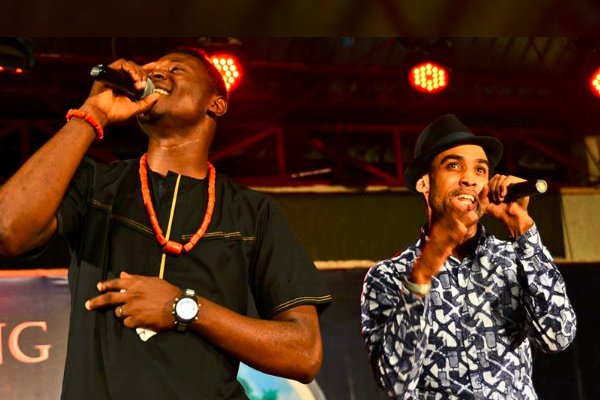
Mide and Ade Bantu, lead singers of the Bantu band

And given the context he was right to be jubilant. It was the third anniversary of the monthly concert that started with a handful of fellows—artists mostly, writers, photographers and visual artists. Today it has become a phenomenon, encouraging people to clear their calendars for one night each month, propelling women to ‘disgrace their families’ by climbing onstage for a dance, and forcing volumes of palmwine into the hands and throats of a willing audience. The band has gone beyond Lagos, performing in Berlin and Abidjan.

Tonight the vat of palmwine would empty quickly, and folks would turn to other sources of light intoxication. Being a third birthday, slices of cake would find a way to the grateful fingers of friends of the concert. A DJ would carry on playing at Freedom Park till the early hours of morning. And on social media afterwards, the festival would express gratitude. "We thank you all for your consistent support since March 2013," they wrote. "It has been a roller coaster ride and we have reached dizzying heights of success in building a dedicated fan base and hopefully contributing to the growth of the live music scene in Nigeria"

For now, though, it was up to Blackky to keep up the festivities. And so he opened with ‘Bang Belly,’ one of his hits with the unlikely topic of an unwanted pregnancy.

In between he called, “When I say who am I say, the black man!” The Afropolitan audience, a compliant one, did as told. And it was time for ‘Rosie’, an anthem of a different sort—about a lady who wouldn’t reciprocate the man’s dance impulse. "This song is 25 years and yet you people never let it go," he announced. A lady came and briefly played the coy maiden. When it was time to sing the self-flattering line "She know no say me na Nigeria Mr Sexy," he did so with a grin, knowing it was less true now than then. An audience chorus of 'Rosie' ensued. And with a howl, the man in a black t-shirt was gone.

“We would like to thank each and every one of you for coming out to support good music and support us,” Bantu said as he came onstage. "To be honest with you it has not been easy. When we tell you to drink the palmwine, we mean it. We need the money. We need all the support we can get. So if you know anyone that can sign a cheque…”

The night coincided with the birthday of the band's other lead vocalist known only by the mononym Mide. A section of mostly women sang a birthday tune to the man. And then Wole Ojo, actor and concert regular, clambered onto the stage singing Stevie Wonder's ‘Happy Birthday’. He was followed by the half-German singer Nneka. Blue shawl on her head, guitar-wielding and very nearly stationary, she cut a different picture from Blackky and the Bantu band before her. They pranced while she stood still. She held a guitar; they held a microphone. If they considered the third anniversary a thing of celebration, she considered it one for reflection. "Sofry, Sofry, with my love," she sang as firmly as on her studio releases. Softly, softly with jubilation, she implied. If there are two ways of celebrating a birthday, the guys were all for dancing and drinking. Nneka was for the other approach: introspection.

When the Bantu band succeeded her, they did so with a Yoruba song with a chorus that says: “Where are we going?” Considering the circumstance, it was a great question; and for Afropolitan Vibes, there's only one answer: the future

Please log in to post a comment.

Most popular

Disclaimer: Music In Africa provides a platform for musicians and contributors to embed music and videos solely for promotional purposes. If any track or video embedded on this platform violates any copyrights please inform us immediately and we will take it down. Please read our Terms of Use for more.

newsletter banner

Subscribe to our monthly Newsletter

Follow us on social media