


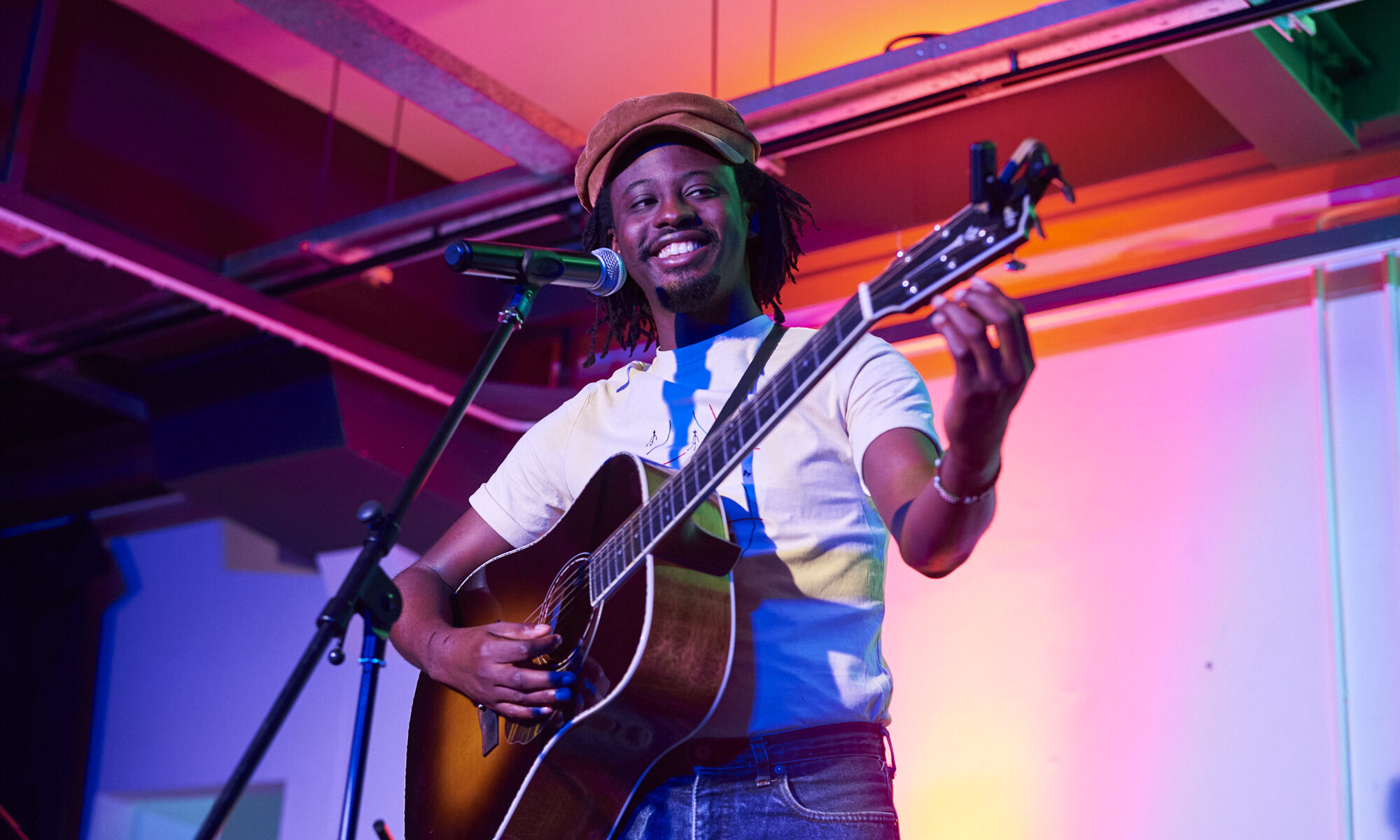



















































This article will focus on the live music scene in Zambia as experienced by the writer. The article will also make use of information drawn from a variety of sources, emphasizing the diversity of the scene in various parts of Zambia.
The southern African nation of Zambia is predominantly secular. Its capital, Lusaka, hosts many live music shows. Musicians (both individuals and groups) usually showcase their talent at various designated venues, as well as private and public functions. However, resident or hired bands usually play covers local and international songs. Some venues that serve as restaurants and prime eateries also offer live music to their patrons on specific days.
In general, Zambia’s live music scene is somewhat unpredictable, yet growing. Realising the importance and potential of this thriving and growing arts sector in the Zambian economy, both private and public sectors are continuously looking at ways of promoting music, either as business branding strategies or public-private sector socio-economic partnerships.
Venues
The main venues for live music shows across the country differ in size, type, quality and demographics. Well-maintained venues tend to attract a wide variety of listeners from the rich, the middle and working classes. Meanwhile, township venues, attract the local patrons in large numbers.
Venues include nightclubs, pubs, eateries such as restaurants, hotels and nowadays the new stadia. It is common to find performance stages in pubs and nightclubs of varying sizes. Most eateries have resident bands that play live music, either in the form of covers or original music. Sometimes they hire outside bands to cater for different audiences, depending on the occasion.
Lusaka has the most number of eateries that offer a vibrant live music scene and that caters for different kinds of audiences and functions. These include Casa Portico, a ‘fine dining’ restaurant located in the Northmead area of Lusaka that frequently hosts live music events featuring local bands. An equally popular place is O’Hagans, a successful and oldest Irish pub situated in Woodlands, Lusaka. Here, a typical "long" weekend starts on Thursday night with Uncle Rex and the Band playing their smooth Afro-jazz and Latin-inspired tunes.
Then there is The Web, located in Kafue Road in Lusaka. It showcases some of Zambia’s best talent as well as international celebrities. The venue claims to be “one of Lusaka’s finest live music venues, for people with a passion for music”.East Point Discotheque is a lively and trendy venue located in the Kabwata residential suburb. It hosts prominent Zambian artists and a variety of shows throughout the year during weekends and public holidays. Entry is usually free. Another notable live music venue in Lusaka is The Misty, jazz restaurant and cafe in the Levy Business Park Mall.
Outside the capital city, the towns of Kitwe, Ndola and Livingstone also have vibrant and growing live music scenes. Among the notable live music venues is the Keg & Coppersmith, located at Mukuba Mall in Kitwe. This venue is known for hosting an impressive line-up of live acts from seasoned bands to newcomers. Keg & Coppersmith is becoming one of the important players in the promotion of live Zambian music. Kitwe also has its own branch of the East Point Discotheque, as does Livingstone. Other venues include lodges, hotels and pubs/nightclubs within the peri-urban areas of Kitwe town, which host a limited number of live shows staged by local and international artists.
It is important to note that most districts in Zambia have their own unique live music scenes, be it in the countryside or border towns such as Kasumbalesa. However, bigger towns and cities tend to host more live shows due to greater demand and the preferences of artists. It is also common for international organisations like the Alliance Francaise and various embassies to feature local and international musicians in their events.
Festivals
Zambian festivals which feature live music range from cultural ceremonies to the growing number of musical festivals and awards ceremonies. Due to market influence, most music festivals take place in the capital city or other big towns.
Some of the most popular music festivals include the annual Oktoberfest (hosted by R&G Events), the Lusaka International Film and Music Festival (LIFMF), the Siavonga Music Festival and the Kariba Music Festival (formerly known as Bongwe's Big Beach Festival).
Outside Lusaka, Christian Arts Promotion (CHAPRO) holds an annual concert at Levy Mwanawasa Stadium in Ndolato celebrate gospel music. It attracts many local and international gospel artists. The Tonga Music Festival in Monze in the Southern Province is both a competitive feast and a promoter of local talent. It usually takes place yearly in September and has been growing consistently over the past 15 years. Jah Night (also known as the One Love Reggae Festival) in Kitwe is an event that attracts reggae and dancehall lovers every year around May.
Some of the notable awards ceremonies include the Born n Bred Music Videos Awards, the Zambian Music Awards (ZMA) , the Mukuba Arts Awards and the Ngoma Music Awards.
Promotion
Promoters of live music in Zambia can be divided between corporate companies, events management companies and diplomatic partners and individuals.
For a lengthy part of Zambia's musical history, the Zambia National Broadcasting Corporation (ZNBC) has been a major promoter and curator of musical history and talent.
From 1973, Zambia Music Parlour Limited (ZMPL) promoted a total of 24 bands and individual musicians under the late Edward Godfrey Khuzwayo. Since then, no notable people have arguably shown the same passion for promoting local music. With the liberalisation of Zambia’s economy in the early 1990s, more independent promoters emerged, including corporates such as mobile telephone companies and financial institutions. Corporate sponsors have manged to bring to Zambia African stars such as Koffi Olomide (DRC), Oliver Mtukudzi (Zimbabwe) and Hugh Masekela (South Africa).
International organisations such as Alliance Francaise are also important avenues promoters of live music, while local radio stations have continued to play a big role in promoting local music and local talent. With the growth of many community radio stations in Zambia, artists seem to find it easier to showcase their new projects on radio. In some cases, local radio stations interview artists wanting to promote their new work.
Challenges
The music industry in Zambia is plagued by several challenges, including poor promotion and poor attendance at live shows. Comparisons have been drawn with relatively successful regional musical industries in South Africa and the DR Congo, among others.
Zambia’s live music scene is cyclical, with peak attendance typically during economic ‘booms’ and festive seasons. Consequently, music venues and artists depending on music for a living usually end up finding secondary sources of income for sustenance during the low season. Many artists complain about finding it difficult to benefit from their artistic talent through live shows as well as album sales.
According to artist manager McPherson Mwale, “One of the major reasons for the failure of artists to succeed and be able to make a livelihood out of the music they make is the lack of serious and professional music promoters.” Consequently, there has been growing concern that musicians, managers and promoters are yet to fully understand the business side of the music industry. In some instances, complaints are made about poor organisation and poor sound, which prevents artists from performing as well as they should, even if promoters eventually accept responsibility. This was the case for South African group Mafikizolo after their failed show at the Government Complex in Lusaka in 2014. This problem also affects local artists who run the risk of failing to stage quality and convincing live shows due to lack of experience and appropriate equipment.
Allegations that promoters exploit artists remain common. As a consequence of promoters’ perceived lack of professionalism, managers are not always able to protect and promote local artists who show potential.
Issues of corruption have also been raised, particularly relating to radio stations. This points to lack of regulation and innovation by government agencies to find innovative ways to use music to not only benefit individual artists but to also contribute to economic growth in general.
Piracy has continued to haunt and disadvantage Zambian musicians and promoters. The ongoing violation of copyright laws continues to plague Zambian musicians. The Zambia Music Copyright Protection Society (ZAMCOPS) is alleged to have failed to significantly address this issue. Although holograms are now being put on CDs to fight piracy in physical sales, they do little to help the fact that artists find themselves in a complicated digital world.
Despite these challenges, it can be said that the Zambian music industry has scored some major successes in recent years, as seen by the number of new artists entering the scene in various genres - including folk, Zed Beats, hip-hop (or ‘Zed Hip-Hop’), gospel, RnB and reggae - and the growing number of collaborations between artists.


Most popular
Call for applications: ACCES 2026 Emerging Artist Spotlight Competition
01 Oct 2026

Top amapiano songs of 2026
16 Feb 2026
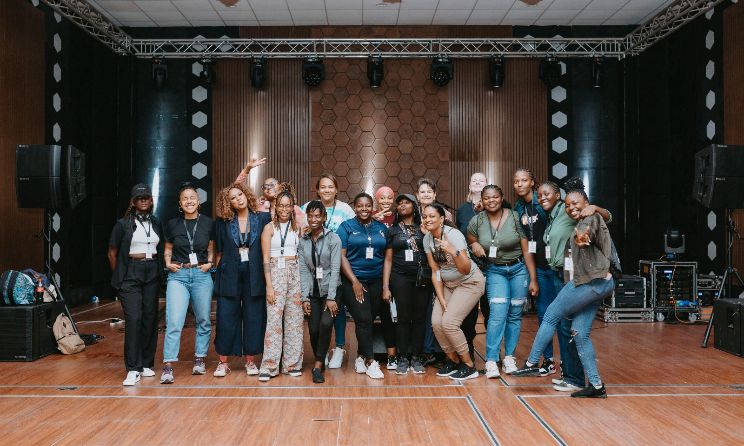
Open call: 2026 Gender@Work music industry training in Johannesburg
03 Oct 2026

Top Naija songs of 2026
31 Mar 2026

Top Afrobeats songs of 2026
19 Mar 2026
AFRIMA 2026: All the winners
12 Jan 2026
Disclaimer: Music In Africa provides a platform for musicians and contributors to embed music and videos solely for promotional purposes. If any track or video embedded on this platform violates any copyrights please inform us immediately and we will take it down. Please read our Terms of Use for more.

Subscribe to our monthly Newsletter
Follow us on social media


Please log in to post a comment.