

















































By Jonathan Shaw
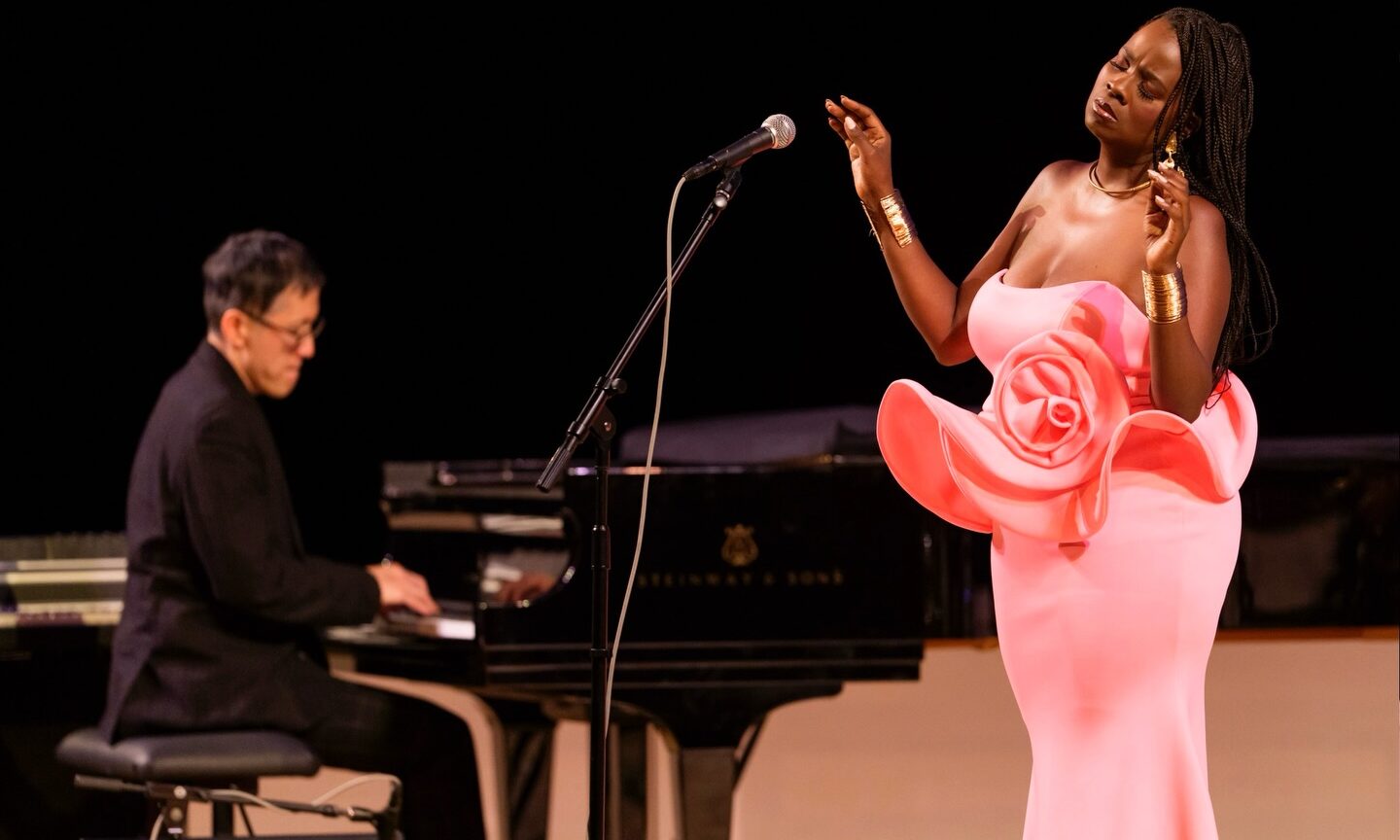
Live music is a performing art. The live music industry employs resources to produce a live music performance for an audience, either for profit or not for profit. Examples include classical music performances in auditoriums, rock bands in small venues and kwaito groups performing at outdoor festivals. The live music value chain incorporates all the activities required to successfully stage a show. In its simplest form, the value chain links the performer with the venue itself. At a higher level, the performer is secured through a booking agent by an event’s promoter. The sector employs other people such as road managers, lighting crew, instrument technicians, and security, ticketing, and door personnel.
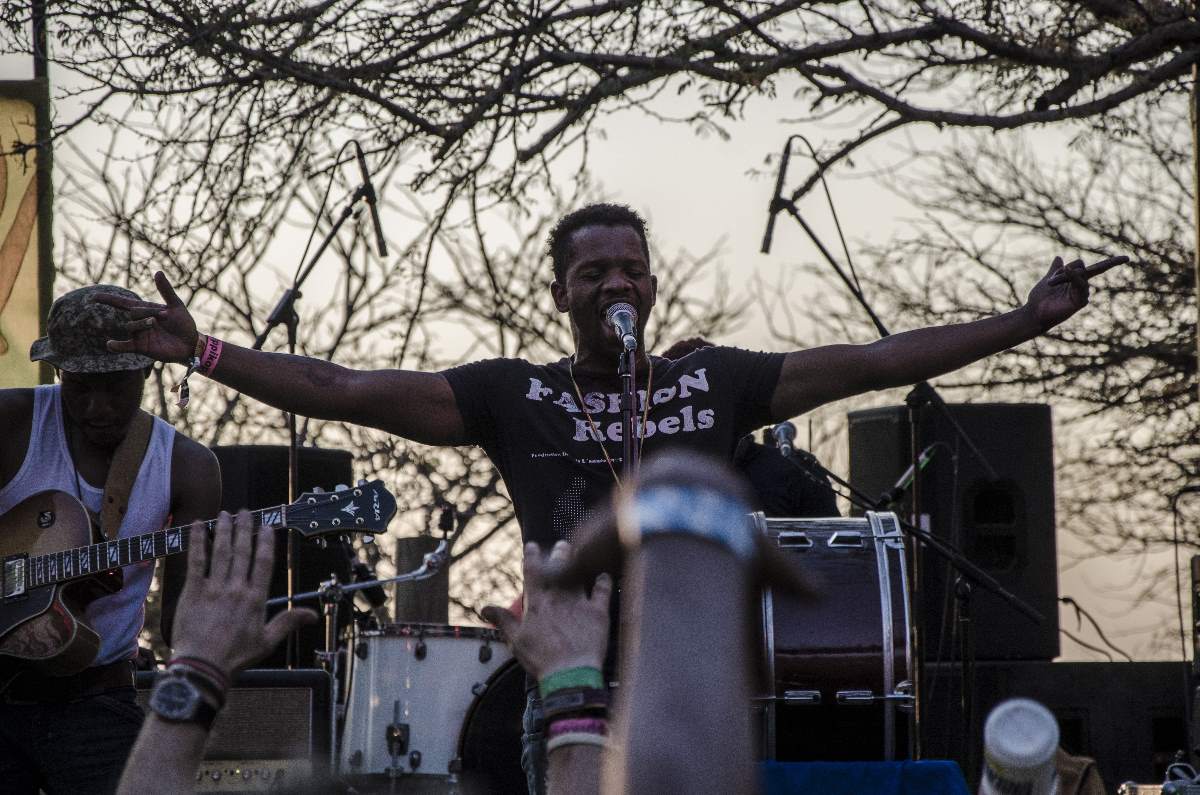
The live music industry can be viewed in terms of the larger music industry, which also comprises the music publishing and recorded music industries. The music brand sector and the music media sector are also contributors. A music artist will tour, performing their music live in support of a new album. With the transition to digital music and the de-emphasising of recorded music in the value chain, artists are increasingly using recordings as a way of promoting performances. The recorded music sector may see more revenue earnings from the performances of recordings that are used during a live show. This would be mostly from using backing tracks, which performers play and sing along to.
Note that performances of music and of an instrument are separate. In the music publishing sector, music publishers and their contracted songwriters earn revenue from copyrighted music that is performed, but not the rest of the band. This is only one of many uses of music that a publisher may earn revenue from.
South African Live Music Infrastructure
Live music in South Africa is vibrant with many venues being able to survive and sustain. The South African live music sector is a mix of informal performance spaces, such as busking in public spaces or hospitality areas that incorporate live performance (like restaurants, hotels or pubs), and more formal spaces such as dedicated music venues, large-scale arena events and annual festivals. South Africa does not have many specialised venues that cater for music performances. Informal performance and audience spaces are commonly used and there is a need for mid-sized venues, which are preferable for promoters as their break-even point in terms of costs can be achieved quicker. Many smaller venues exist and cater to between 200 and 500 people.
The number of people attending live music events in South Africa has been increasing year-on-year, according to the All Media and Products Study (AMPS) produced by the South African Audience Research Foundation. While smaller, dedicated music venues in South Africa have been declining from 2007 to 2012, concerts in larger venues have been on the rise. Festivals are a key platform in the country and tend to attract a wide and diverse audience. Major festivals are held in many of the country’s provinces, such as the Joy of Jazz in Gauteng, the Cape Town International Jazz Festival in the Western Cape and Oppikoppi in Limpopo. For new acts, there are ‘battle of the band’ competitions that provide the winning act with opportunities for further exposure, for example at festivals. The internet provides a wealth of information on music festivals and as well as ticketing companies which provide details on up-coming events.
Despite the opportunities, South Africa does not have an established and dedicated live music circuit that performers can follow around the country. While this arguably has developed, progress is slow and it risks being split along racial lines. Much is needed in terms of resources to make a circuit viable. There is also an absence of a professional ladder for live performers. Live music events have a seasonal cycle and tend to occur more frequently in the summer months, where they can be held outside and people are more willing to attend. The South African government occasionally sponsors live events with a variety of performers, often centred around public holidays.
Business agreements at venues vary in their formality. Informal venues often don’t provide any promotion of music events, while formal venues usually have marketing systems in place. Similarly, informal venues typically operate on verbal contracts, with performers having little to no backline or stage equipment. Performers in many cases must provide these themselves as only a third of venues can offer backline. Venues are however improving year-to-year, although many still do not offer rehearsal space for performers.
The live music sector faces many challenges. It has historically been affected by segregation and the policies of apartheid. These historical disadvantages are still prevalent within the South African live music landscape today. For black communities, live music has suffered due to a lack of live music venues, whereas traditionally white areas often have formal venues for entertainment and music. There are also difficulties with public transportation between traditionally white and black areas, another legacy of apartheid. Education in music was largely overlooked by apartheid authorities, leaving many black musicians to teach themselves, hindering the development of live performance.
Due to a combination of historical and contemporary factors, professional musicians are often poor and need to find other work to support themselves. Full-time employment can be very hard to come by as a performing musician, although some opportunities do exist. Funding remains a problem, however, particularly for solo artists and bands. Orchestras and much ensemble music require public and private funding to adequately cover operational costs. Classical music performances typically take place under the auspices of regional orchestras as well as in universities. Choral music, having a rich history in South Africa, still has a significant presence, with thousands of choirs in existence, albeit rarely offering full-time employment.
Live Music Venues in South Africa
While varying greatly in terms of their sound quality, audience size and potential for income, there are live music venues all over South Africa. Cape Town in particular has a vibrant live music scene, arguably moreso than Johannesburg, and boasts well-equipped venues as well as niche and major festivals. Some of the major Cape Town venues include Zula Sound Bar, Mercury Live and The Assembly. Established live venues in Johannesburg include The Bassline, Tanz Live Café, Rumours, Back2basix and Katzy’s, as well as Tings n' Times in nearby Pretoria. Johannesburg also has the most restaurants that provide live music in the country. In Durban spaces for live music include Live – The Venue, The Rainbow and the Jazzy Rainbow. Theatres and casino complexes such as Gold Reef City, Carnival City and Emperors Palace in Joburg often offer live music. Barnyard Theatres are a franchise who often host popular acts and live music cabaret at their various venues around the country.
Moshito and Mmino undertook a mapping procedure of the live music sector for permanent features in the live music sector in 2010 and this was followed up in 2013 by the SAMRO Foundation and Concerts SA. Latest results show that there are roughly 90 festivals held each year and 100 permanent music venues. The Western Cape Province has the most of these, while the North West Province has the least. Local content - pop, jazz and rock - make up the most popular styles.
Support for Live Music and Performers
The National Arts Council has several funding schemes in place to help live music performers and festivals. Provincial governments often have funding arrangements as well. Alternatively, Pro Helvetia, the British Council and the French Institute of South Africa (IFAS) are foreign funders that support local live music. One can also seek sponsorships from business. Business and Arts South Africa (BASA) offer various opportunities in this regard. The South African/Norwegian initiative Concerts SA is housed within the SAMRO Foundation and is supported by the Norwegian Embassy, SAMRO and Concerts Norway. Concerts SA seeks to stimulate and strengthen the live music sector in various ways, including working with small venues and promoters in building music circuits. It also administers a “Music Mobility Fund” which enables touring of musicians nationally and regionally.
Associations which are of interest for someone in the live music sector are the South African Music Promoters Association (SAMPA), the Technical Productions Services Association (TPSA), the South African Roadies Association (SARA) and the Creative Workers Union of South Africa (CWUSA). Live performance licenses of music are obtained from the Southern African Music Rights Organisation (SAMRO).
The Live Music Sector’s Role in the Economy
The economic value of the live music industry in South Africa can be estimated using two informational sources. The first is the amount of spending done by consumers (the audience) at concerts and festivals. PriceWaterhouseCoopers (PwC) provides this data in their annual Entertainment and Media Outlook. In 2012 this was R928-million, with sponsorships around R34-million in that. PwC research shows that consumer spending on concerts and festivals has been increasing since 2007. The PwC research, however, does not give an indication of other live music performances such as club gigs, themed performances and other venue performances.
One way of calculating a larger estimate is to look at the All Media and Products Study (AMPS) conducted by the South African Audience Research Foundation (SAARF). Looking at these statistics, we find that performances have risen 16% since 2007, with about 3.6 million people attending events in South Africa in 2012. By looking at average ticket prices, I calculated R226 per ticket on average. Ticket prices have slowly increased from 2007, up by 9.7%. We can also add to this an estimate for weddings and other corporate events which are believed to be around R100-million a year. The total reveals a significant amount of R977-million in total showing a rise of 26% overall from 2007 to 2012. This method was used in research conducted for the South African Department of Trade and Industry and Industrial Development Corporation in 2013 while reviewing policy for the music industry.
Despite its restrictions, live music does offer opportunities for musicians in South Africa. However, the live music industry is smaller than the recording industry in South Africa, which is often not the case in other countries. Examining the economic impact of this sector shows the significance it has to the South African economy and offers a reason why it needs to grow. The live music sector is also closely linked to tourism. Many visitors from abroad attend events and festivals in order to experience true South African culture. Investing in live music therefore stands to not only promote South African culture but also to develop the country’s economy.
Further Reading
Concerts SA. 2013 Song Lines: Mapping the South African Live Performance Landscape. Concerts SA. <http://concertssa.co.za/wp-content/uploads/2015/01/song_lines_report.pdf>
Moshito & MMINO. 2010. Mapping of the South African Live Music Circuit. Moshito. <www.moshito.co.za/attachment_view.php?aa_id=45>
Ansell, G, Barnard, H and Barnard, P. 2007. Final Report on the Micro-Economic Development Strategy for the Music Industry in the Western Cape. Department of Economic Development, Western Cape Provincial Government.
Shaw, JG. 2010. The Gauteng Music Industry Strategic Framework. 2010 Department of Sports, Arts, Culture & Recreation, Gauteng Provincial Government. <http://www.sacr.gpg.gov.za/SACRDocuments/Strategies/Gauteng%20Music%20Strategic%20Framework%20%20FINAL%20DRAFT.pdf>
Last Updated: 10 February 2015


Most popular

Call for applications: ACCES 2026 Emerging Artist Spotlight Competition
01 Oct 2026

Top amapiano songs of 2026
16 Feb 2026
Open call: 2026 Gender@Work music industry training in Johannesburg
03 Oct 2026

Top Naija songs of 2026
31 Mar 2026

Top Afrobeats songs of 2026
19 Mar 2026

AFRIMA 2026: All the winners
12 Jan 2026
Disclaimer: Music In Africa provides a platform for musicians and contributors to embed music and videos solely for promotional purposes. If any track or video embedded on this platform violates any copyrights please inform us immediately and we will take it down. Please read our Terms of Use for more.

Subscribe to our monthly Newsletter
Follow us on social media


Please log in to post a comment.