




























































Unlike their name might suggest, Gran’Mah are one of Mozambique’s hottest young bands at the moment - and they're looking forward to spreading their sound beyond the borders of their country in the very near future.

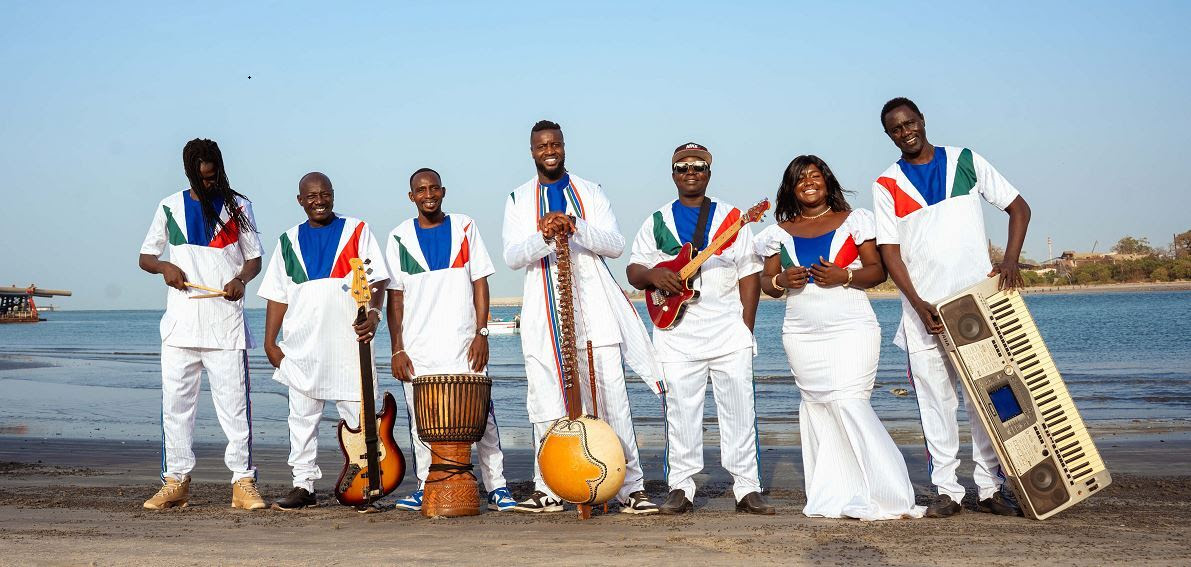
Led by the soulful vocals of Regina dos Santos and backed by a tight four-piece band of Leo Fernandes (bass), Luis Silva (guitar), Miguel Wilson (drums) and Miguel Marques (keyboard), Gran’Mah announced their arrival in 2014 by winning a Mozambique Music Award for Best Alternative Song for 'I Got 2 Move', which appears on the band’s self-titled debut album, released in 2015.
This May they return to Mozambique’s premier live music festival, Azgo, and have also been invited to perform in South Africa at a reggae concert in Johannesburg and at Zakifo in Durban (a spin-off of Sakifo in Reunion) the following week.
While preparing for the upcoming tour, Gran’Mah took some time to chat to Music In Africa about their journey so far and the challenges they face as musicians in Mozambique.
Gran’Mah’s sound is inspired by different artists from various eras and genres, resulting in a fresh approach to making reggae music, mixed with dub, ska, soul, hip-hop and other genres, that defines their inimitable sound. “The band has many influences,” they explain. “Each individual has a few childhood idols and we all have different musical backgrounds, hence our style of music is more of a fusion than a specific genre… We do believe that if there's heart in your music, there's always someone willing to listen to you.”
On their dominant influence and the ongoing relevance of reggae in Africa today, they continue: “Reggae is a music genre that was popularized by some artists which had very powerful inspirational lyrics about the everyday struggles of mankind, about love, war, liberation, independence. All these feelings are very much real in Africa, even today, so we do believe that there's a strong appeal for it today.”
Billing themselves as Mozambique's “finest dub/reggae live band”, Gran’Mah encourages obvious comparisons to 340ml, who enjoyed widespread success not only in Mozambique but also in South Africa and even in Europe before their subsequent demise in recent years. “340ml was a major influence on the band, growing up listening to them and seeing them prosper in the music industry was very inspirational to us and we had a sense of pride inside us because of it,” says the band.
The struggles they face as young musicians are not unique compared to other parts of the continent, but are compounded by relatively high costs and a society divided along linguistic, geographical and class lines. “It is very hard to live as a musician in Mozambique,” the band admits. “It starts with the cost of musical equipment, to the cost of renting a studio for practice, to recording - it is all very expensive. For an alternative artist or band, it is even more difficult as their music is less consumed by the masses. It is gradually changing though, and there is more space for up and coming artists or bands to make a living, although not nearly enough yet.
“All of the band's songs are in English. Mozambique's only official language is Portuguese and yet it is spoken by less than 50% of the population. Culturally, we have a lot of mother tongues in which people express themselves daily and because of this it becomes hard to pick one only language to express ourselves. We believe that music is a universal language and even if I don't fully understand the lyrics of a song, I do understand the emotion it brings to me, and this is the most important. English was chosen because our vocalist, Regina, is more comfortable writing and singing in English and also because we want our music to be international and listened to in as many countries as possible.”
Looking ahead to their upcoming performances, the band explained the importance of Azgo (founded in 2011 by former 340ml drummer Paulo Chibanga) as a platform to promote Mozambican music: “Azgo came into Mozambique at a time where cultural life was in its baby stages, when in order for Mozambicans to go see and discover new or foreign artists, they had to travel abroad. Azgo opened doors for Mozambicans to listen to new artists and also collaborate with them.”
The week after Azgo, Gran’Mah will perform two gigs in South Africa. No strangers to the country, they have already played at Park Acoustics in Pretoria, MiHouse in Johannesburg (for the We Heart Dub concert hosted by former 340ml bassist Rui Soeiro) and at the Route 40 Music Festival in Nelspruit, not far from the Mozambican border. “We are very excited to play in Zakifo this year,” they add. “We've never played in Durban but we heard great things about the musical scene there, and very recently shared a stage with artists from there like Veranda Panda.”
Their tour is part of a growing initiative to connect festivals in the Southern African region by building on the existing African Music Festival Network (AMFN) and the Firefest route of festivals, something the band welcomes: “We believe it's a great opportunity for local and international bands to meet new audiences and artists. It also helps these festivals thrive by sharing costs of different artists.”
Catch Gran’Mah at Azgo in Maputo, Mozambique on Saturday 21 May, then at the Roots Rock Reggae festival at Constitution Hill in Johannesburg on Wednesday 25 May, and finally at Zakifo in Durban on Friday 27 May.


Most popular
Open call: 2026 Gender@Work music industry training in Johannesburg
09 Oct 2026

Top amapiano songs of 2026
16 Feb 2026

Top Naija songs of 2026
31 Mar 2026
Gambia: Suntou Susso announce UK tour for ‘The Path of a Griot’
09 Oct 2026

Top Afrobeats songs of 2026
19 Mar 2026

Call for applications: ACCES 2026 Emerging Artist Spotlight Competition
01 Oct 2026
Disclaimer: Music In Africa provides a platform for musicians and contributors to embed music and videos solely for promotional purposes. If any track or video embedded on this platform violates any copyrights please inform us immediately and we will take it down. Please read our Terms of Use for more.

Subscribe to our monthly Newsletter
Follow us on social media


Please log in to post a comment.