































































Music book celebrates South African jazz with 68 compositions

18 Jul 2023 - 15:28


South African jazz is a cultural treasure, pulsating with unique rhythms, soul-stirring melodies and profound storytelling. To honour this musical heritage, Colin Miller and Adéle Prins, in collaboration with RMB, present an extraordinary compilation titled The South African Jazz Collection – Original Tunes by South African Composers.
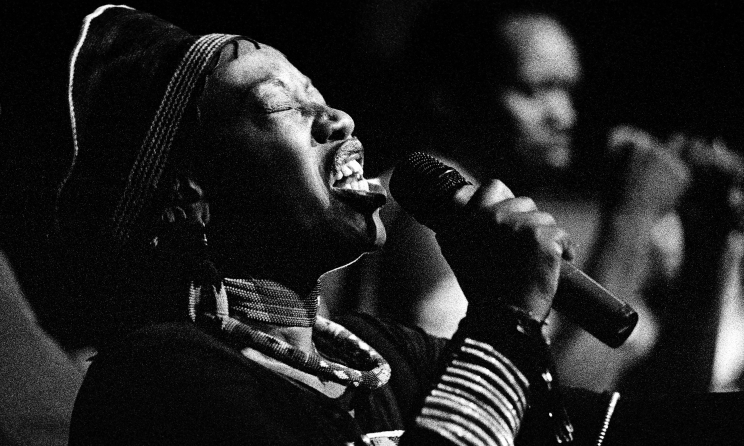
This 168-page book offers a comprehensive overview of South African jazz, featuring 68 vocal and instrumental compositions that define the genre’s rich and diverse heritage. The notated collection was compiled by Miller, a music instructor, jazz alumnus of the University of Cape Town and the director of global arts at the University of Delaware’s School of Music. He has also published various original South African compositions, including the Cape Jazz Collection. Adéle Prins, a seasoned designer, artist and musician, designed the tome.
The South African Jazz Collection, which is available for purchase here and here for those living in South Africa, invites African jazz enthusiasts and students on a captivating journey through the evolution of South African jazz, celebrating the extraordinary talents of the composers who have shaped its signature sound. From iconic classics like ‘Meadowlands’ by Strike Vilakazi to ‘Pata Pata’ by Miriam Makeba, ‘Ntyilo Ntyilo’ by Alan Silinga, ‘Lakutshon' Ilanga’ by Mackay Davashe and ‘Angola’ by Bheki Mseleku, the book showcases timeless tunes that have woven themselves into the South African cultural fabric. These compositions serve as powerful reminders of the historical context and social narratives that South African jazz has articulated over the years.
“South African jazz embodies local indigenous knowledge and cultural practice,” Miller said. “From that standpoint alone, it qualifies as an important and necessary inclusion in the study of music in schools. The book is an important pedagogical resource and I hope that it gets recognised as such. Over and above that, the book has value on the bandstand where musicians are always looking to expand their repertoire of songs.”
The book not only embraces the genre’s illustrious past but also celebrates the vibrant sounds of contemporary South African jazz, featuring more recent compositions like ‘Genes and Spirits’ by Moses Molelekwa, ‘African Eyes’ by Shannon Mowday and ‘Awakening’ by Marcus Wyatt. These works exemplify the innovative and creative spirit that propels South African jazz forward, pushing boundaries and captivating audiences with fresh and dynamic expressions.
Prins said: “The SA Jazz Collection is about legacy that preserves our collective jazz songs and history for future generations. It’s definitely one of the most important music books in SA today.”
Apart from scores, the book also contains short biographies about the featured musicians, allowing us to truly understand the essence of their art, and an overview of South African jazz, which takes the reader through the development of the genre since the beginning of colonisation and the introduction of European instruments in Africa. It tells the story of music’s influence across the Atlantic and the introduction of the gramophone in South Africa in the 1920s when local audiences began consuming styles like Dixieland. It talks about the progenitors of South African jazz and the genre’s heyday in the 1950s with the emergence of stars like Miriam Makeba, Letta Mbuli, Hugh Masekela, Spokes Mashiyane and Kippie Moeketsi, among many others, and the staging of the game-changing King Kong jazz opera at the end of the decade. The fascinating account then goes through the decades until the present day where disruptive musicians continue to shape the genre with new, original interpretations.
“Post-apartheid South Africa introduced a whole new generation of players, among these Zim Ngqawana, Paul Hanmer, McCoy Mrubata, Carlo Mombelli and Feya Faku,” Miller said. “They in turn nurtured the next generation of younger of musicians that includes Kyle Shepherd, Kesivan Naidoo and Shannon Mowday. All these musicians contributed in one way or another to the making of this book. They shared their written scores, some proofread the songs and recommended edits while others suggested noteworthy songs in developing a South African jazz repertoire.”
The South African Jazz Collection delights the senses with captivating black-and-white photographs by Rafs Mayet and Tina Smith. These stunning visuals capture the spirit and essence of South African jazz, providing glimpses into the lives of the musicians, their powerful performances and the cultural moments that have shaped this vibrant genre.
One of the most commendable aspects of The South African Jazz Collection is its commitment to supporting the featured composers: artists receive royalties from book sales, ensuring recognition and compensation for their creative contributions. By purchasing this collection, conscientious musicians and jazz aficionados will actively contribute to the well-being and continued artistic development of these composers, fostering a sustainable future for South African jazz.
Listen to a playlist with compositions featured in The South African Jazz Collection here.


Most popular
Open call: 2026 Gender@Work music industry training in Johannesburg
09 Oct 2026

Top amapiano songs of 2026
16 Feb 2026

Gambia: Suntou Susso announce UK tour for ‘The Path of a Griot’
09 Oct 2026

Top Afrobeats songs of 2026
19 Mar 2026

Top Naija songs of 2026
31 Mar 2026

Call for applications: ACCES 2026 Emerging Artist Spotlight Competition
01 Oct 2026
Disclaimer: Music In Africa provides a platform for musicians and contributors to embed music and videos solely for promotional purposes. If any track or video embedded on this platform violates any copyrights please inform us immediately and we will take it down. Please read our Terms of Use for more.

Subscribe to our monthly Newsletter
Follow us on social media


Please log in to post a comment.