







































NEFCISA
NEFCISA

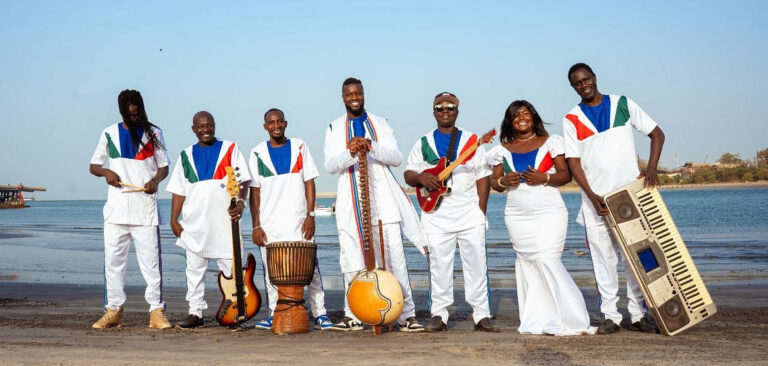
The Music In Africa Foundation (MIAF) is proud of its partnership with the Industrial Development Corporation (IDC) as a Strategic Implementing Partner (SIP) for its Social Employment Fund (SEF). Through this collaboration, MIAF is running a national programme that is creating jobs, addressing skills gaps, and strengthening South Africa's creative industries — in line with the SEF's overarching goal to generate work for the common good and build community value through employment, social contribution, and inclusive economic participation. Operating under the banner NEFCISA (National Employment Facility for Creative Industries in South Africa), the initiative is recruiting and training participants, matching them with host organisations, and has already placed 1 500 workers across the country — surpassing its original target of 1 000. NEFCISA is delivered through a network of 20 host organisations spanning five provinces, who are actively hosting participants and contributing to work for the common good across South Africa's creative and cultural industries. Key Objectives: Support employment and entrepreneurship in the creative industries. Offer skills development and training programmes. Foster partnerships between public and private creative sectors. Promote South African creativity at both provincial and national levels Foster community development through social contribution.

ACCES
ACCES

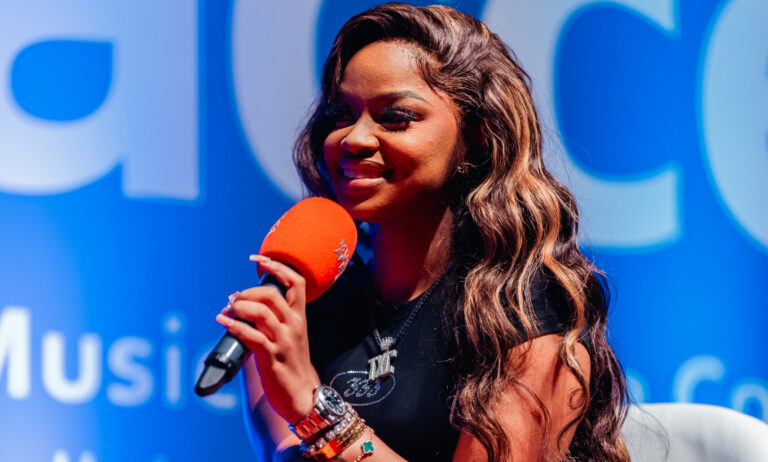
ACCES Conference and Showcase Festival is Africa's leading music industry gathering, bringing together the people shaping the future of the continent's music business. Artists, entrepreneurs, executives, investors, policymakers and cultural leaders from across Africa and around the world come to ACCES to build partnerships, exchange ideas, discover talent and create new business opportunities. Since its launch in 2017, ACCES has become the continent's premier platform for professional exchange and music market development. Combining a high-level conference with a curated showcase festival, networking, exhibitions and industry programmes, ACCES offers a unique space where creativity meets business and where African music connects with the global industry.

Gender@Work
Gender@Work

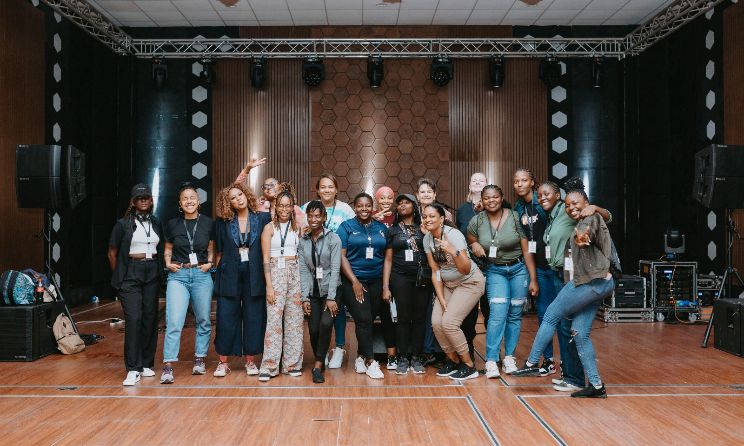
Music In Africa Gender @ Work is a three-year training programme aimed at upskilling and increasing the participation of female professionals in the African music sector. Launched by the Music In Africa Foundation (MIAF) in April 2019, the programme is connected to the MIAF’s ACCES music conference – a pan-African event held in a different African country every year. This connection enables the programme to reach new participants in a different African country every year. The programme marks the beginning of a more concerted effort by the Foundation to support the participation and inclusion of women in all facets of its programmes and the music sector in Africa as a whole. Over the three years, the programme will aim to address gender imbalances in the sector through training, lobbying, facilitating knowledge exchange and dialogues that foster the interest of women. The broader objectives of the programme are to: Provide industry training for women on critical music industry skills, focusing on: Stage management Electronic music production and recording Music business management Technical knowledge Provide an opportunity for both professional and aspiring women to benefit from the Music In Africa network and its broad range of activities in 2019, 2020 and 2021. Provide a solution-based platform in the form of a round table at ACCES with a view to identify challenges, discuss opportunities and lobby for the interests of female practitioners. Offer participants the opportunity to benefit from programmes offered by MIAF’s partners. Increase access to educational materials. Integrate participants in the broader ACCES programme to maximise experience and exposure to the industry. Record and present training materials on the www.musicinafrica.net, including but not limited to tutorials, templates and other best-practice materials. Communicate women-based themes that support the initiatives and messages of the programme. MAIN TRAINING ACTIVITIES Training in first country (Ghana): In the first year, participants will be trained on all aspects of stage management by a team of experienced stage managers from 10 to 17 November 2019. The programme will offer robust classroom training as well as practical, hands-on training in which participants will also be given the opportunity to manage various aspects of the ACCES performance programme. Training in second country: The second training iteration will take place at ACCES 2020 when the programme will diversify its course to include music production lessons and training on other music business topics. A round-table platform will also be introduced to coincide with the ACCES programme. Training in third country: The third training iteration will take place at ACCES 2021 in a different country, offering an advanced course. HOW DO YOU GET INVOLVED?  As a participant, facilitator or trainer: The programme enrolls up to 12 trainees every year. All opportunities are advertised publicly on this website, and will be added to this page. Please keep checking this page for new calls (below under UPDATES & CURRENT OPPORTUNITIES). As a partner Please contact Claire Metais at [email protected]. APPLY The call for applications for 2020 will be announced soon. The Music In Africa Gender @ Work programme is made possible with the support of the Prince Claus Fund, Siemens Stiftung and Goethe-Institut.

Sound Connects Fund
Sound Connects Fund

For cultural and creative practitioners and organisations operating in southern Africa, access to funding remains a major challenge. The COVID-19 pandemic has also had a massive impact on government policy, spending and the economy in general, and has seen spending on culture being moved further down the list of priorities. Further, the cultural and creative industries repeatedly cite four main areas where investment is needed for growth, which are increased visibility, mobility including access to new markets, finance and support structures.

Instrument Building And Repair Project

Experience the Vibrations African Instruments Exhibition online in 3D

Features

Music industry in Kenya and the futuristic dynamics of its economics
10 Aug 2015 - 11:37

cc-img flag-img

By DJ Collo

It is said that you are better of learning from someone else’s experiences than your own. And my 12 years as a DJ and event organizer in the music industry in East & Central Africa have given me valuable lessons involving money. Yes, money is always an issue you can’t ignore.
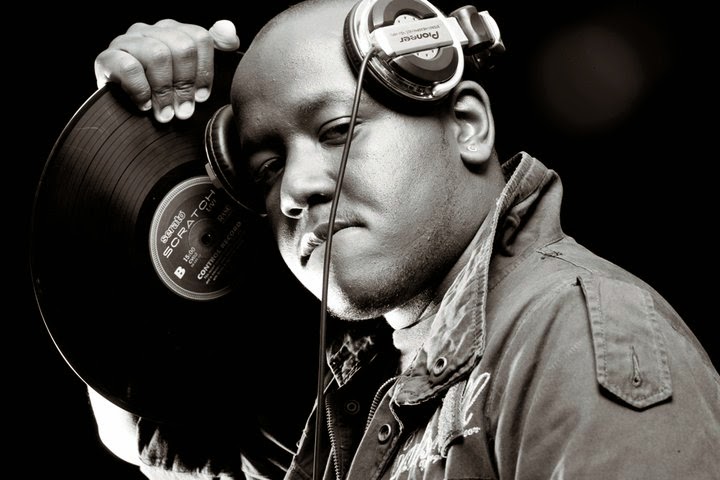
DJ Joe Mfalme. Photo: www.enews.co.ke

I remember the standard price for a Kenyan artist being KES. 8,000 ($79) per gig back when artists like JuaCali, Nameless, Redsan and the likes used to record in dingy backyard studios, trying to organize neighbourhood gigs themselves. Today you can’t have Redsan in your event for less than $10,000.

For the Kenyan DJ, it was a rat race just to stay alive, I remember being paid KES15, 000 ($148) per month as a resident DJ working for one of the top clubs in East Africa. However our contribution as DJs to the East African music industry is immense. It was a period when Kenyan "genge" music was in its infancy and literally had to be shoved down the listener's throat.

One of the methodologies to do this as a DJ was to play an 'acapella' (acapellas didn't exist so you had to tweak the audio with your DJ mixer by killing the bass and lowering the treble, while lifting the mids a little) and you had a remix version of a Kenyan 'hit' - if you remixed it properly with the current hip hop hits at that time.

It would work most of the time depending on your creativity. The result was the production of a three-piece as studios and upcoming artists realized the need to release their music in three formats: main track, instrumental and acapella. Most radio stations would also not have Kenyan music on high rotation.

However one established radio station —a very new entrant to the market at that time—in a bid to position themselves in the market took the risk of shoving Kenyan music down people’s throat. The gamble paid off when a Production studio named 'Ogopa DJs' produced the first Kenyan multi-artist studio album named "Ogopa 1".

The album was really ear-candy with the distinctive Afro-Benga beats, especially on the bass lines. It was also relatable to the African listener, with Kenyan rappers who talked of everyday life which resonated well with the market and voila! Kenyan urban music had a chance to break into the mainstream market seizing up a chunk of Congolese Lingala and in the long run rendering some Congolese artists jobless.

As this genre of music became popular, stakeholders in the industry began taking note and saw the need to inject seriousness into what was now considered a business. Playing a pivotal role were the event organizers and media houses. Studios started positioning themselves for commercial gain and artists realized their monetary values as corporate entities started paying interest which resulted in brand endorsements later.

As more entrepreneurs and wannabe artists flooded the market there was a new dawn in the Kenyan entertainment industry. The music had spread to far flung places such as Lusaka, Addis Ababa, Johannesburg and even Beijing! The success of Ogopa DJs meant that more artistes in the region from Kampala and Dar es Salaam camped in Nairobi's Ogopa's studio, some actually managed to get a slice of the super beats. Chameleone’s 'Mama Mia' was a big tune in East Africa in the early years of the millennium.

A wave of political change was sweeping through the country in 2002. The incumbent president, Moi, was not running for re-election. With the opposition united to defeat the president’s preferred candidate, music become their medium to reach to the ordinary citizen.

For a country where politics touches every aspect of life, 'Unbwogable' (which loosely translates to ‘you can’t scare me’) turned out to be a resistance tune to the exiting regime. The appropriation of the song Unbwogable, glamorized the opposition‘s 2002 campaign at a colossal amount that was undisclosed. The song by the dynamic duo of Gidi Gidi Maji Maji was produced by Bruce Odhiambo.

It was indeed a journey with sweet rewards, Kenyan artists began globetrotting performing to home-sick Kenyans in the Diaspora. Where artists proved unaffordable event organizers in the Diaspora always had the option of a DJ. Artists started living decent lives and the message was written on the wall, who was the greatest amongst us? And proof of it was the universal measure of value – money. How much do you have of it? And hence we had the 'swag' generation of Kenyan artists.

Financial investment units realized the contribution of these newly-bred Kenyan artists and pursued them. Politicians realized the impact of their influence to the masses and serenaded them. Corporates in their traditional fashion tried to tie them down with fad wads of cash.

The stage was set for the next phase of the industry. It took 15 years to realize where we are positioned, and that indeed it was possible to earn a decent living through music in East Africa.

This article was first published in June 2014. You can read it here

DJ Collo started out as a hip hop DJ. As a DJ he currently specializes in Electro Dance Music.

Please log in to post a comment.

Most popular

Disclaimer: Music In Africa provides a platform for musicians and contributors to embed music and videos solely for promotional purposes. If any track or video embedded on this platform violates any copyrights please inform us immediately and we will take it down. Please read our Terms of Use for more.

newsletter banner

Subscribe to our monthly Newsletter

Follow us on social media