







































NEFCISA
NEFCISA

The Music In Africa Foundation (MIAF) is proud of its partnership with the Industrial Development Corporation (IDC) as a Strategic Implementing Partner (SIP) for its Social Employment Fund (SEF). Through this collaboration, MIAF is running a national programme that is creating jobs, addressing skills gaps, and strengthening South Africa's creative industries — in line with the SEF's overarching goal to generate work for the common good and build community value through employment, social contribution, and inclusive economic participation. Operating under the banner NEFCISA (National Employment Facility for Creative Industries in South Africa), the initiative is recruiting and training participants, matching them with host organisations, and has already placed 1 500 workers across the country — surpassing its original target of 1 000. NEFCISA is delivered through a network of 20 host organisations spanning five provinces, who are actively hosting participants and contributing to work for the common good across South Africa's creative and cultural industries. Key Objectives: Support employment and entrepreneurship in the creative industries. Offer skills development and training programmes. Foster partnerships between public and private creative sectors. Promote South African creativity at both provincial and national levels Foster community development through social contribution.

ACCES
ACCES

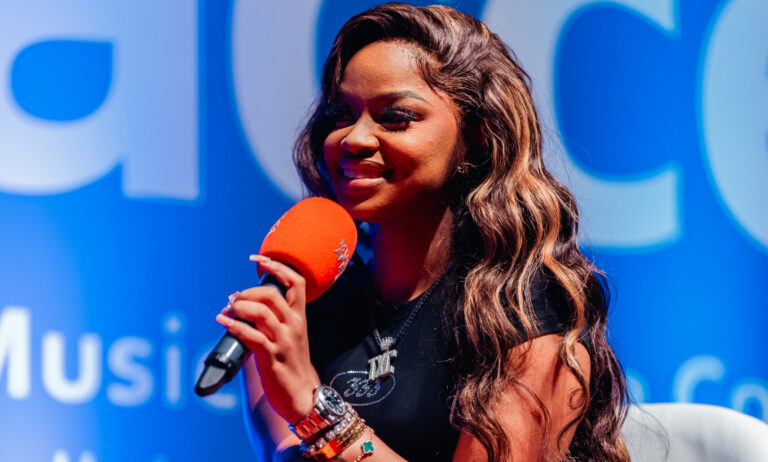
ACCES Conference and Showcase Festival is Africa's leading music industry gathering, bringing together the people shaping the future of the continent's music business. Artists, entrepreneurs, executives, investors, policymakers and cultural leaders from across Africa and around the world come to ACCES to build partnerships, exchange ideas, discover talent and create new business opportunities. Since its launch in 2017, ACCES has become the continent's premier platform for professional exchange and music market development. Combining a high-level conference with a curated showcase festival, networking, exhibitions and industry programmes, ACCES offers a unique space where creativity meets business and where African music connects with the global industry.

Gender@Work
Gender@Work

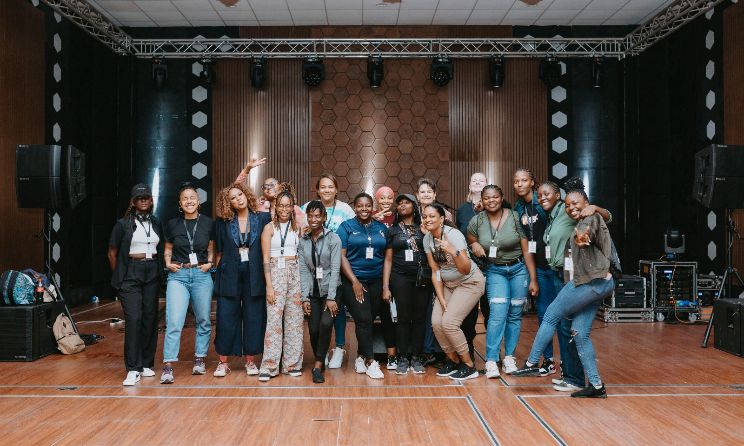
Music In Africa Gender @ Work is a three-year training programme aimed at upskilling and increasing the participation of female professionals in the African music sector. Launched by the Music In Africa Foundation (MIAF) in April 2019, the programme is connected to the MIAF’s ACCES music conference – a pan-African event held in a different African country every year. This connection enables the programme to reach new participants in a different African country every year. The programme marks the beginning of a more concerted effort by the Foundation to support the participation and inclusion of women in all facets of its programmes and the music sector in Africa as a whole. Over the three years, the programme will aim to address gender imbalances in the sector through training, lobbying, facilitating knowledge exchange and dialogues that foster the interest of women. The broader objectives of the programme are to: Provide industry training for women on critical music industry skills, focusing on: Stage management Electronic music production and recording Music business management Technical knowledge Provide an opportunity for both professional and aspiring women to benefit from the Music In Africa network and its broad range of activities in 2019, 2020 and 2021. Provide a solution-based platform in the form of a round table at ACCES with a view to identify challenges, discuss opportunities and lobby for the interests of female practitioners. Offer participants the opportunity to benefit from programmes offered by MIAF’s partners. Increase access to educational materials. Integrate participants in the broader ACCES programme to maximise experience and exposure to the industry. Record and present training materials on the www.musicinafrica.net, including but not limited to tutorials, templates and other best-practice materials. Communicate women-based themes that support the initiatives and messages of the programme. MAIN TRAINING ACTIVITIES Training in first country (Ghana): In the first year, participants will be trained on all aspects of stage management by a team of experienced stage managers from 10 to 17 November 2019. The programme will offer robust classroom training as well as practical, hands-on training in which participants will also be given the opportunity to manage various aspects of the ACCES performance programme. Training in second country: The second training iteration will take place at ACCES 2020 when the programme will diversify its course to include music production lessons and training on other music business topics. A round-table platform will also be introduced to coincide with the ACCES programme. Training in third country: The third training iteration will take place at ACCES 2021 in a different country, offering an advanced course. HOW DO YOU GET INVOLVED?  As a participant, facilitator or trainer: The programme enrolls up to 12 trainees every year. All opportunities are advertised publicly on this website, and will be added to this page. Please keep checking this page for new calls (below under UPDATES & CURRENT OPPORTUNITIES). As a partner Please contact Claire Metais at [email protected]. APPLY The call for applications for 2020 will be announced soon. The Music In Africa Gender @ Work programme is made possible with the support of the Prince Claus Fund, Siemens Stiftung and Goethe-Institut.

Sound Connects Fund
Sound Connects Fund

For cultural and creative practitioners and organisations operating in southern Africa, access to funding remains a major challenge. The COVID-19 pandemic has also had a massive impact on government policy, spending and the economy in general, and has seen spending on culture being moved further down the list of priorities. Further, the cultural and creative industries repeatedly cite four main areas where investment is needed for growth, which are increased visibility, mobility including access to new markets, finance and support structures.

Instrument Building And Repair Project

Experience the Vibrations African Instruments Exhibition online in 3D

Congo-Kinshasa

Musique : le Festival Tosepela kati na Nkolo pona Congo est né

04 Dec 2014 - 11:31

cc-img flag-img

La première édition de la nouvelle manifestation chrétienne, tenue le 30 novembre au Salon Congo du Grand Hôtel de Kinshasa, a primé les frères Mike Flor et Mike Kalambay, la sœur L’Or Mbongo et le couple Athom’s et Nadège Mbuma pour des albums lancés sur le marché entre 2012 et 2014.
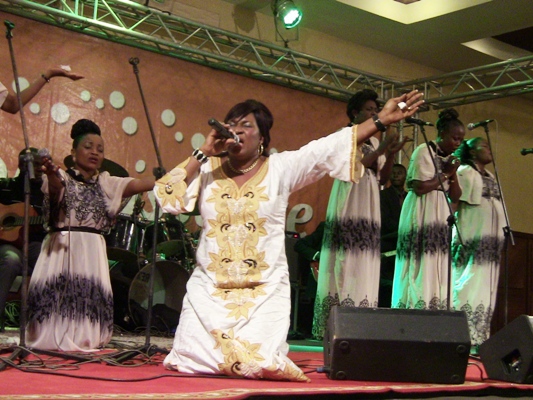
L'Or Mbongo © www.adiac-congo.com

Il faut désormais compter avec le nouvel évènement qui vient de s’inscrire dans le répertoire des évènements culturels congolais assorti du trophée La Main du Roi. Initiateur du Festival Tosepela kati na Nkolo pona Congo, José Mascotte le tient pour un « trophée de mérite » attribué dans le but de « couronner les meilleurs artistes chrétiens qui ont marqué la période allant de l’année 2012 à 2014 ». Le producteur, manager et administrateur délégué général du groupe Global services Shekina production avait dès lors jeté son dévolu sur quatre chantres. Il s’agit en l’occurrence des frères Mike Flor Mulamba et Mike Kalambay, la sœur L’Or Mbongo et le couple Athom’s et Nadège Mbuma.

Avant tout festive, la soirée musicale du 30 novembre s’est déroulée dans une ambiance d’adoration et de louange. Invité à se produire en premier sur le podium du Festival Tosepela kati na Nkolo pona Congo, Mike Flor Mulamba et son groupe ont exécuté trois cantiques. Entre ses compositions personnelles que sont Shilo et Ngolu, il a interprété l’Agnus Dei dans l’esprit de la version réputée de Donnie Mc Clurkin. Au plus fort de la louange, Mike Flor Mulamba et son chœur masculin ont noué leurs vestes autour des reins à la place de pagnes comme le veut l’usage ordinaire au moment d’esquisser des pas de mutwashi. Ce qu’ils ont fait avec beaucoup d’entrain sous les acclamations du public.

L’atmosphère déjà réchauffée ne s’est pas attiédie avec Shekinah Music qui a presque tout de suite remplacé le frère Mike Flor sur la scène. Et, ce en dépit de l’absence de Mike Kalambay qui n’avait pu joindre Kinshasa. Un contre-temps sur l’horaire de l’avion censé le ramener de l’Angola vers le pays en passant par le Congo-Brazzaville l’aurait empêché de prendre part à l’évènement. Au fil du répertoire, trois chanteurs de l’orchestre se sont employés à l’interpréter à tour de rôle pour les chants Lamentations, Fongola Likolo et Mal à l’aise. Le public participait joyeusement chantant et dansant à l’instar de la sœur L’Or Mbongo assise juste à quelques pas du podium.

Plein succès au festival

Entre la prestation de Shekinah Music et La Mano di Dio sous la conduite de la sœur L’Or, le pasteur Jean Serge Mwamba a invité la salle à quelques minutes de prière. Le serviteur de Dieu en a profité pour lui consacrer le Festival Tosepela kati na Nkolo pona Congo à qui il a souhaité plein succès. Le mot de circonstance lu par le chargé de communication de l’évènement Hervé a fait suite au petit intermède. Bien lui a pris de rappeler l’importance du festival créé, a-t-il dit, dans le but de primer les musiciens chrétiens de valeur de RDC.

En définitive, L’or Mbongo reprenait le flambeau quelques minutes plus tard avec le chant d’adoration populaire en vogue Elohim, Adonai, Shammah ! La prestation entamée de manière assez contenue au début a vite basculé dans une forte animation. Elle a chanté tour à tour Mokongo na Yesu et Likolo na ngomba les pieds nus et mêlée à l’assistance, passant entre les tables au milieu d’un public en liesse. Visiblement heureux de la proximité qu' offrait alors la chanteuse, certains en profitaient pour se faire prendre en photo avec elle ou carrément filmaient à l’aide d’un Smartphone ou d’un Ipad. L’ensemble du Salon Congo s'est retrouvée à louer le Seigneur gagnée par l'énergie débordante d'une L'Or Mbongo radieuse.

Précédée par les prestations successives des lauréats, le cérémonie de remise des trophées a clos la manifestation qui n’avait pas drainé grand monde. Il faut signaler du reste que le couple Athom’s et Nadège Mbuma étaient les seuls à avoir vraiment manqué à l’appel. Ainsi, pour finir, seulement trois mains ont été distribuées sur les quatre prévues pour le compte de cette première édition.

Nioni Masela

Source: www.adiac-congo.com

Please log in to post a comment.

Most popular

Disclaimer: Music In Africa provides a platform for musicians and contributors to embed music and videos solely for promotional purposes. If any track or video embedded on this platform violates any copyrights please inform us immediately and we will take it down. Please read our Terms of Use for more.

newsletter banner

Subscribe to our monthly Newsletter

Follow us on social media