



















































NFTs in the African music industry

20 Mar 2024 - 15:52

In 2021, the Music in Africa Foundation conducted the Revenue Streams for African Musicians research project in South Africa. A surprising finding was that NFTs generated R22 520 ($1 200) in average monthly income for musicians. NFTs were also highlighted as a top learning priority for musicians, with 6% of respondents interested in unpacking what they are all about. This indicates that NFTs are a revenue stream worth exploring further.
It begins with blockchain
Blockchain technology is being hailed as the next chapter of the Fourth Industrial Revolution. A blockchain is a public, decentralised, encrypted, networked ledger of permanent historical transactions. There are many forms that exist, including private or hybrid variations. Blockchains include IBM, Tron, Stellar, Tezos, Corda, Ethereum, Multichain, EOS, Hyperledger Fabric, OpenChain, Quorum, and Hyperledger Sawtooth.
To keep integrity and maintain the blockchain, ‘gas fees’ are charged as the incentive fuel of validators, called ‘miners’, to authorise transactions of blocks. Blockchain holds the promise of improving efficiency and transparency of the billions, even trillions, of transactions happening over the internet every day.
NFTs and NFT marketplaces
A non-fungible token (NFT) is a digital certification of ownership on the blockchain for a tangible or intangible asset. Any type of blockchain can be used to host NFTs. The metadata of an NFT is entirely unique, uncopiable, uninterchangeable and linked to the web address of the digital or physical asset. Whoever possesses the NFT has a verifiable claim to ownership of the asset within the emerging ‘metaverse’. If the digital asset is copied or altered, it will exist separately from the original NFT and will be traded as its own distinct NFT.
The value of the NFT lies in the ownership of the original asset and thus the ability to control what happens to it. You can even use an NFT to trade similar value in purchasing another NFT. NFTs range from digital art, music recordings, songs, videos, photographs, virtual land, or any combination of these. Creating an NFT is called ‘minting’ and you can decide how many NFTs to create from a single asset. You can even decide when they are available publicly, at which time this is called an ‘NFT drop’. Despite being thought as assets, NFTs are not yet recognised as financial instruments, like commodities or securities; for the time being, they are innovative concepts in the digital realm, resembling something like property.
A fungible token is a digital asset that has only one value, such as a single unit of digital cryptographic currency. Several cryptocurrencies are available, such as Bitcoin or Ethereum. Like buying foreign exchange currency, you purchase cryptocurrency with a real currency like dollars, euros, naira or rand. The value of a single cryptocurrency fluctuates and is currently unregulated by most governments. Conversely, NFTs are not a single unit of trade but hold a specific cryptocurrency value. Their provenance (first claim), scarcity and authenticity drive up their value. NFT prices range from virtually nothing to literally tens of millions of dollars, such as Pak’s artwork ‘The Merge’ selling for $91.8m in 2021 or Jack Dorsey’s first-ever tweet for $2.9m.
The first NFT was created in 2014 by researchers Kevin McCoy and Anil Dash. Since then, several digital marketplaces for NFTs have emerged, among them OpenSea, SoundMint, Opulous, Nifty Gateway, Momint and Crypto.com. These platforms function like docks along a river of blockchains, allowing your artworks to navigate and trade at each port. So, if you create an NFT on the Ethereum blockchain, it will also appear in other markets that use Ethereum.
The process of ‘minting’ is like building the boat that sails to each dock. You can have a delivery available, but the ship won’t sail until an order is received. This is known as ‘lazy minting’ and serves as an economical way to create an NFT in one marketplace before incurring the gas fees associated with transferring it to another. This allows for some exclusivity before the NFT is sold in the original marketplace.
NFT marketplaces have come under scrutiny over their consumer protection practices, e-commerce laws, privacy and security, as well as possible money laundering. It seems that these NFT marketplaces will follow a trajectory similar to that of social media: some will flourish, innovate and eventually gain immense popularity.
NFTs and music
At present, digital art stands as the most prevalent type of NFT. Although music NFTs exist, platforms like OpenSea categorise them as having “ownership of music or an experience tied to music.” Therefore, even if you possess recordings, if the NFT is associated with a music artist or a live event, it may be classified under the music category.
The United Nations has called attention to the significance of NFTs in Africa. Many NFT forums support its growth, such as the Africa NFT Community, Black NFT Art, Kenyan NFT Club and Nigeria NFT Community. NFTs can also be utilised as concert tickets, helping to reduce counterfeit tickets in the process. For instance, telecommunications company MTN organised a virtual metaverse concert, while Mastercard issued the Mastercard Music Pass NFT on the Polygon blockchain, enabling fans to access NFTs from local musicians. In 2022, Nigerian musician BNXN hosted a metaverse listening party followed by an NFT project offering rewards for both physical and virtual concerts.
Examples of music NFTs in South Africa
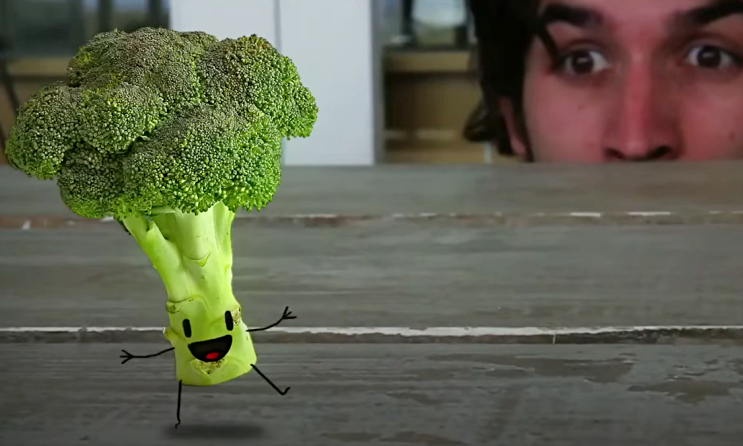
Several South African musicians, alongside other celebrities and visual artists, have ventured into the world of NFT offerings. For example, the animated character Brokaleh featured in The Kiffness’ video for the ‘Broccoli Song’ is sold for $29 on NFT marketplace Momint, while the video for ‘Island Boy (The Kiffness Remix)’ is available on OpenSea. Goldfish collaborated with animator Mike Scott on a limited edition of three NFTs for their track and animation titled ‘Everything Is Virtual’. In 2022, hip hop artist Anatii released his single ‘PUNISHER’ using the NFT creation tool Fair.xyz.
Also in 2022, SoundMint had plans to host thousands of audio-visual assets. South African R&B musician Kaien Cruz and visual artist Somehoodlum were reported to have collaborated on a collection of NFTs titled Somehoodlum Presents. These NFTs featured previews of music combined with art, rather than complete songs. However, the SoundMint website is currently under construction, with no NFT collections in sight. A web search reveals older pages of SoundMint where audio stem-splitting technology was used to split music into its instrumental parts such as bass, guitar, drums, vocals and percussion. SoundMint then paired these with audio-visual content to create thousands of NFT assets for artists. While SoundMint appears to be on hold for the moment, these assets do appear on the OpenSea marketplace.
Creating an NFT
The author took on the challenge of creating his own music NFT as part of the research for this article, opting to initiate a collection of ‘guitar lick’ NFTs. A lick refers to a short, flashy guitar performance. To begin this process, a crypto wallet was required. While there are numerous crypto wallets available, MetaMask was chosen for this exercise, as it allows users to store or spend Ethereum.
The next step involved connecting this virtual wallet to the OpenSea marketplace and updating the creator’s personal details to establish a profile. Then, simply clicking on ‘create’ and uploading the digital asset was all that was needed.
A 10-second recording of a guitar lick was prepared, uploaded to a collection, given a name, and accompanied by a picture and description. Although other content can be added, only the owner of the NFT and collection has the privilege to do so.
Afterwards, one can determine how many NFTs of a particular piece can exist. In this case, 20 were selected for the guitar lick, with only five being listed as available for purchase during the initial six months. This arrangement allowed for five additional individuals to own this NFT within the specified timeframe. You can view the NFTs in this collection here.
Blockchain ‘panacea’ and intellectual property
For over half a decade, there have been murmurs in the depths of the industry suggesting that blockchain might offer a solution to the music industry’s data crisis. This crisis arises from significant human error in data capturing and the existence of numerous separate databases. Blockchain could potentially streamline the tracking of all music data and introduce key automation to prevent data gaps. However, as articulated by the CEO of a major South African collective management organisation (CMO), once erroneous information is entered, rectifying the resulting mess becomes nearly impossible. Therefore, if metadata or smart contracts do not accurately reflect the actual information, inefficiencies will be present from the start. In short, any implementation of a music blockchain must be approached with careful scrutiny.
Copyright laws currently protect specific assets, but NFTs themselves are not inherently protected, although breaking the encryption behind them would be challenging. To create an NFT, permission from the copyright holder is still required. Moreover, the copyright holder would need to negotiate ownership of the actual NFT code with the software developer of a marketplace and license the creation of the NFT from the outset.
In the future, NFTs will likely be safeguarded under existing categories of copyrighted works, such as regulations regarding ownership transfer or inheritance through wills. The law may extend copyright protections to cover actions related to NFTs, similar to making copies of the work or performing it. However, most lawmakers have yet to address these issues thoroughly.
The future
Currently, a music track represented by an NFT presents a paradox and raises questions about its appeal to potential buyers. If someone can experience the music without purchasing the NFT, what motivates them to buy it? In addition to the copyright concerns associated with NFTs, the utilisation of music would necessitate the clearance of recording and performance rights.
CMOs, which typically license performing rights in traditional media, may seek to extend these licenses to cover NFTs. However, the control wielded by an NFT owner may render third-party administration of such rights unnecessary. Instead, the blockchain could handle the securing of experiences through smart contracts. Smart contracts are pieces of code designed to execute instructions as specified. Therefore, it is within the realm of possibility for smart contracts to manage the rights associated with music experiences as part of their programmed functions.
In the foreseeable future, creators might provide NFTs for users to access content such as music, art or experiences for a fee, akin to renting rather than purchasing. Owners may offer a few free previews of an NFT to entice users to sample the content, with well-known musicians setting a high access fee. Users could widely utilise specialised apps to stream and store the NFTs they are currently accessing or have acquired, enabling them to curate a personal collection of NFT content across various blockchains.
Moreover, fractional NFTs (F-NFTs) enable shared ownership, licensing agreements and recognition of contributors. They also ensure that all parties involved receive royalty payments immediately upon the sale of an NFT. This system has the potential to disrupt the current landscape, which is dominated by third-party music streaming apps and other intermediaries in the recorded music market. This could empower creators by offering them a direct platform to monetise their music, granting them complete control over pricing and distribution.
Jonathan G. Shaw is the lecturer of the Music Business Studies course at the Wits School of Arts in Johannesburg, South Africa, as well as a recognised music producer, audio engineer, policy expert and educational presenter. Shaw is the author of the book ‘The South African Music Business’, now in its third edition, and a PhD (Music) candidate at Wits University.
External sources and further reading
- What is a Music NFT? How To Buy & Sell Them
- Everything About NFT Music: How to Buy And Sell Music NFTs
- What are music NFTs?
- Understanding NFT Gas Fees
- What are the legal issues around NFTs?
- Five legal considerations for businesses taking a lead on NFTs
- A Legal Guide to NFTs
- In Africa, the UN is keeping faith in NFTs
- Bringing Kenyan music, art to Africa's NFTs market
- How Music NFTs Can Reshape the Music Industry
- Blockchain Could Help Musicians Make Money Again
- The 10 Most Expensive NFT Sales in History
- Top 10 Blockchain Platforms You Need To Know About
- https://www.snooppassport.xyz
- https://www.niftygateway.com
- https://app.momint.so
- https://www.soundmint.xyz
- https://crypto.com/nft
- https://opulous.org
- https://artistaccelerator.mastercard.com
- Qureshi, Amna; Megías Jiménez, David. 2021. "Blockchain-Based Multimedia Content Protection: Review and Open Challenges" Appl. Sci. 11, no. 1: 1
- Sitonio, Camila & Nucciarelli, Alberto. (2018). The Impact of Blockchain on the Music Industry, Conference: R&D Management Conference
Disclaimer: Music In Africa's Overviews provide broad information about different aspects of the music industry. Music In Africa acknowledges that the information in some of these texts could become outdated with time. If you would like to provide updated information or corrections to any of our Overview texts, please contact us at [email protected].
Editing by Kalin Pashaliev


Most popular
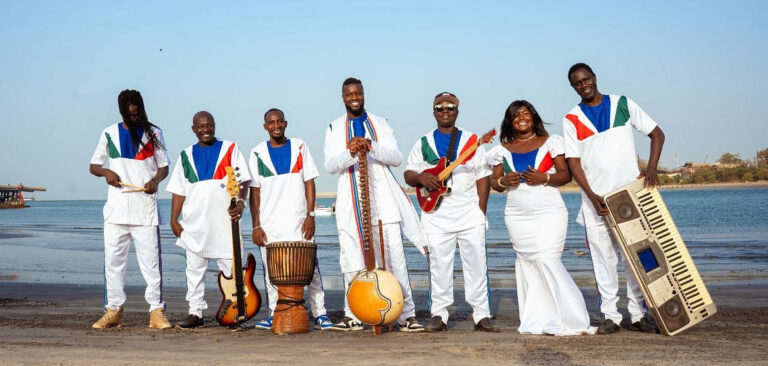
Gambia: Suntou Susso announce UK tour for ‘The Path of a Griot’
09 Oct 2026

Top amapiano songs of 2026
16 Feb 2026

Top Afrobeats songs of 2026
19 Mar 2026
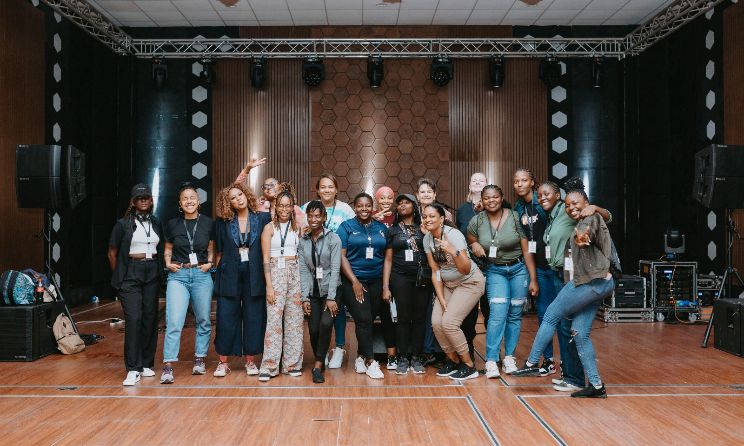
Open call: 2026 Gender@Work music industry training in Johannesburg
09 Oct 2026

Top Naija songs of 2026
31 Mar 2026
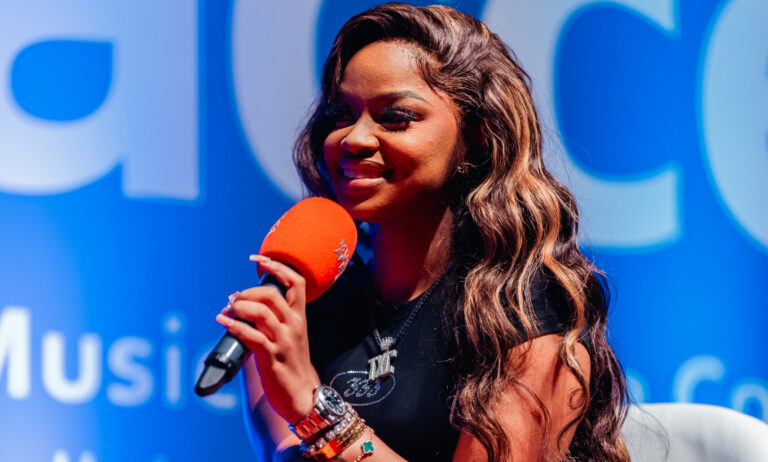
Call for applications: ACCES 2026 Emerging Artist Spotlight Competition
01 Oct 2026
Disclaimer: Music In Africa provides a platform for musicians and contributors to embed music and videos solely for promotional purposes. If any track or video embedded on this platform violates any copyrights please inform us immediately and we will take it down. Please read our Terms of Use for more.

Subscribe to our monthly Newsletter
Follow us on social media


Please log in to post a comment.