
























































Promoter talks about Nairobi’s live music scene

20 Apr 2018 - 08:52


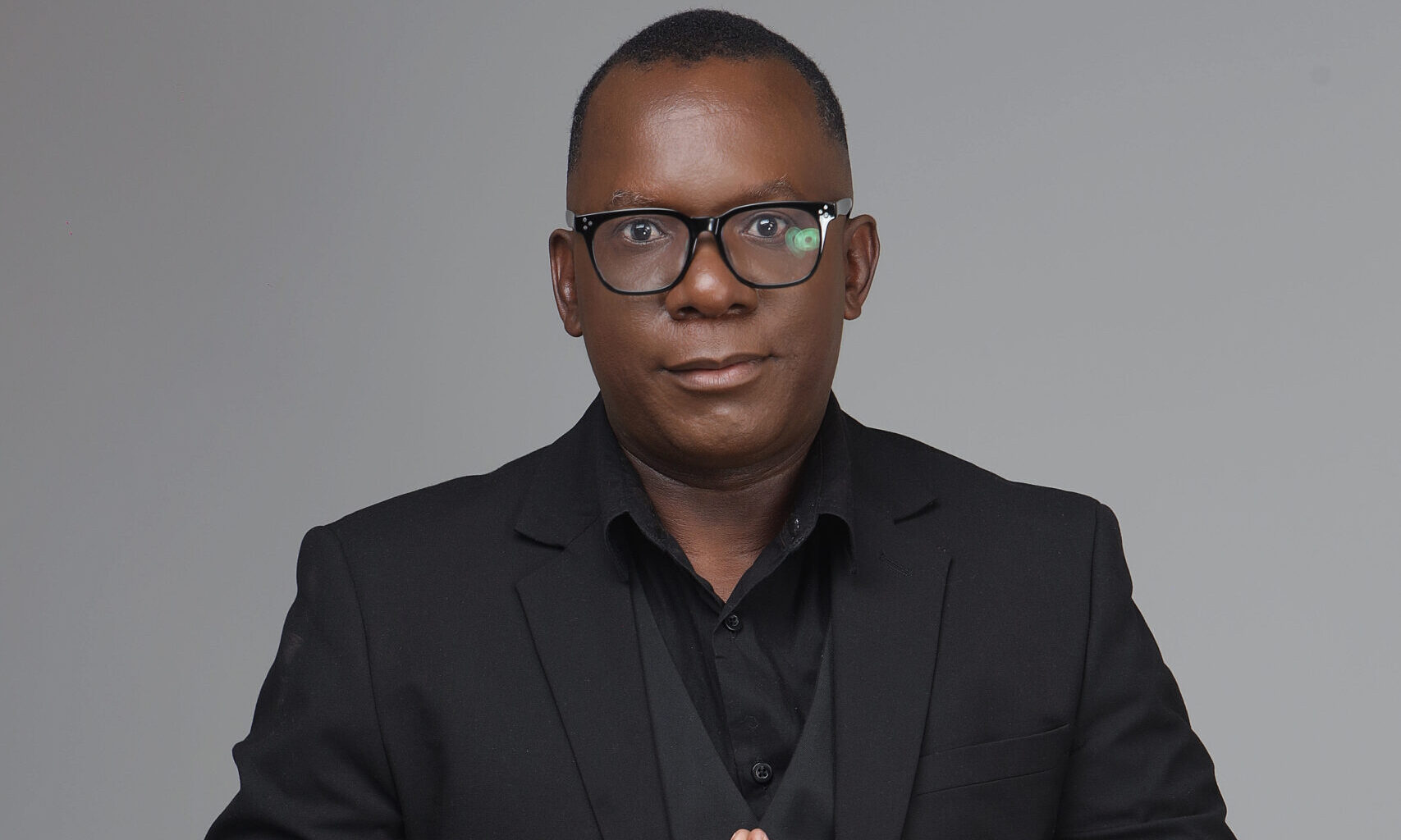
Roots International is a Kenyan production and curation outfit that organises live events for audiences ranging from 200 to 1 000 people with a focus on roots, jazz, fusion and acoustic music. Its founder, Abdi Rashid Jibril, is widely hailed as having substantially contributed to the growth of the live music scene in the East African country and the region.
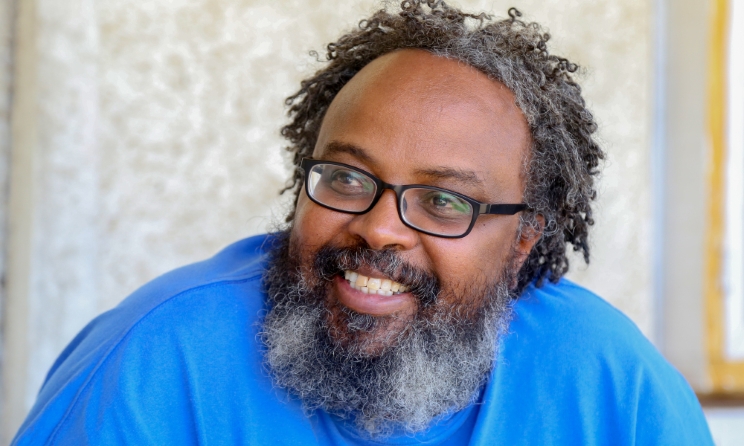
Mostly known for Thursday Nite Live, a weekly event taking place at J's Fresh Bar & Kitchen in the Westlands suburb of Nairobi, Jibril has since 2011 showcased more than 100 local, regional and international artists and presented over 300 concerts.
Roots International also hosts two other events: The Acoustic Living Room Concert, where artists perform acoustic renditions of their songs while talking about their influences and the Cool Waters Jazz and Roots Festival, a live event that hosts international artists at various venues around Nairobi and in the wider East African region.
Music In Africa spoke to Jibril about the state and future of live music in Nairobi.
MUSIC IN AFRICA: What fuelled your interest in live music?
ABDI RASHID JIBRIL: My first motivation was my love for music. I’ve been a part of the live music scene for over 20 years by playing with a couple of jazz and fusion bands as a conga and djembe players as well as other types of percussion. That aside, my intent for creating a live music platform was inspired by the dearth of platforms for people performing their own material. Most of the venues around town were featuring artists doing cover versions of music from elsewhere: Nigeria, Congo, the US and Europe. I got tired of listening to cover music and felt like there was a need to provide a platform for those artists who wanted to showcase their own compositions. That’s how I started Thursday Night Live.
How do you select your artists?
The artists are chosen based on what kind of promotional material they have for themselves and whether their sound fits the platforms that I’m working on to produce. I also work with artists based on the type of audience. For example, if I have a mature audience that tends to be between 30 and 70 years old, I pick music that would appeal to that demographic. Sometimes a traditional artist can be interesting to a younger audience, especially if they sound good and the performance expression on stage is powerful. If that is the case, I normally have no reason as to why they cannot entertain younger people.
What are some of the challenges that come with curating artists?
The biggest challenge is a lack of enough platforms and slots for the growing number of live musicians. If I had the opportunity to book five different venues in Nairobi every week then I would have no issue filling in those slots because there is a strong demand from musicians for performance space. Also, the import duties slapped on imported instruments discourages musicians from owning their own instruments, forcing them to either rent or borrow. This can be solved by the government investing in a fund for musicians.
What are the main changes you’ve seen in Kenyan live music scene?
The most notable change has been the influx of young people who are pursuing music as a career. Over the years there has also been a lot more venues interested in booking local artist playing their own material for performances around Nairobi. There has also been a growing number of smaller festivals in the city, which translates to more employment creation and spreading an active nightlife in the city. Nairobi will in the coming years be a live-music city joining African cities like Kinshasa, Cape Town, Dakar and Bamako.
It’s clear that to hold a successful event you need to understand not just the artists but also the audience. What have you learned about the Kenyan audience?
The Kenyan audience is diverse because we have a huge diversity of communities in the country. I specifically work in the urban context where there is diversity in language. Also, different genres work for different groups. Sometimes the audience can be a bit picky about what works and doesn’t work for them but that’s an ongoing relationship. As a curator and a promoter, I have to keep encouraging them out of their comfort zone and introduce them to new experiences. With all the above in mind, it is my task to treat all audiences with respect and look out for them in terms of what they hear, how well it sounds, security and the aesthetics of the venue.
Which are your favourite types of events?
My favourite type of live events tend to be small and intimate – small concerts at residential homes or a venue that fits not more than 100 people. I enjoy outdoor festivals and we have a few in Kenya that are quite enjoyable such as Koroga Festival, Blankets and Wine, and Africa Nouveau.
In the East African region, I love Zanzibar’s Sauti za Busara, Bayimba Festival in Uganda and Kigali Up in Rwanda. Those are places that i enjoy being to and listening to music as well.
How do you imagine Kenya’s live scene in the next five years?
I would like to see continued growth in platforms and venues that feature live performances. I would also like to see more radio and TV stations profiling the live music scene. That’s what will really help us become established. Many live artists’ music is not available on radio because it is not considered radio friendly. We have a big task of identifying media broadcast platforms that will allow for and give space for the live scene in the city.
What advice would you give anyone interested in organising their own event?
The only advice is to do it and learn from doing it by making sure you understand and take care of your audience. It’s a hard task but the main benefit will be the knowledge that you’re growing the live music audience and supporting the development of local artists. Pay attention to the small details. Make sure you always have a simple agreement or contract with your artist that lets them know exactly what you are able to provide, and do not oversell anything or promise too much.
Also, make sure that you have access to the capital needed for the event with or without the audience being there. This way you can commit to the artists, sound guys and other professionals who will be working with you.


Most popular
Open call: 2026 Gender@Work music industry training in Johannesburg
09 Oct 2026

Top amapiano songs of 2026
16 Feb 2026

Top Naija songs of 2026
31 Mar 2026
Call for applications: ACCES 2026 Emerging Artist Spotlight Competition
01 Oct 2026

Top Afrobeats songs of 2026
19 Mar 2026
AFRIMA 2026: All the winners
12 Jan 2026
Disclaimer: Music In Africa provides a platform for musicians and contributors to embed music and videos solely for promotional purposes. If any track or video embedded on this platform violates any copyrights please inform us immediately and we will take it down. Please read our Terms of Use for more.

Subscribe to our monthly Newsletter
Follow us on social media


Please log in to post a comment.