


















































Rebecca Malope: I want to tell my story the way I want

12 Mar 2020 - 09:38

South African gospel singer Rebecca Malope does not want history to misrepresent the story of her life as a musician. The award-winning singer was supposed to stage the Angingedwa Musical at the South African State Theatre (SAST) in Pretoria, in March, but the event was cancelled following a ban on public gatherings by President Cyril Ramaphosa.
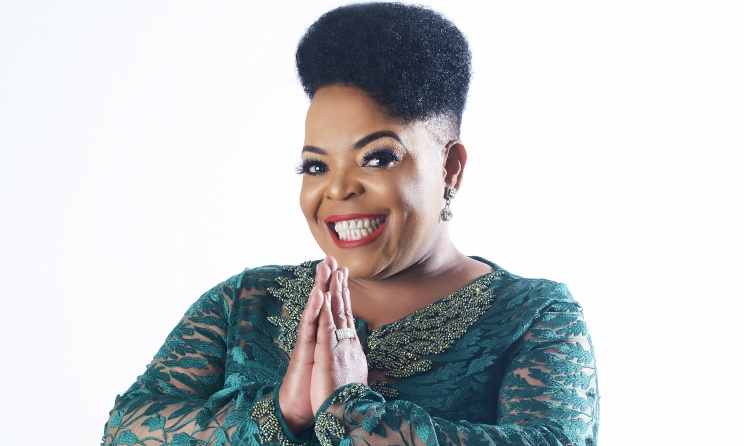
Angingedwa Musical is an original autobiography of Malope through singing, acting and dancing. This could not have been Malope’s first time to host the musical. The 52-year-old singer launched the event in 2016 at the Big Top Arena Carnival City in Johannesburg. With a music career spanning more than three decades, Malope wanted to use the SAST platform to showcase her autobiography, which featured such artists as Zaza Mokhethi, Ntokozo Mbambo and Khaya Mthethwa.
Music In Africa caught up with Malope before the event cancellation and spoke about the musical, the state of the local gospel music industry, her inspiration and what she misses the most.
MUSIC IN AFRICA: How do you feel about the Angingedwa Musical, which is in honour of you?
REBECCA MALOPE: It’s such a great honour because it’s something that was in my heart for a long time. It’s a good thing for me and other artists to tell my story. It’s also good for upcoming artists to be on that platform, there is much talent in communities that we don’t even know and not been recognised yet. The musical will afford such artists the opportunity to gain exposure. Artists such as Ntokozo Mbambo, Khaya Mthethwa, Zaza Mokhethi, Putuma Tiso, Mfundisi Makitaza and Thinah Zungu are part of the musical. There is a little Rebecca Malope that will play my role as a teenager.
Who came up with the idea of this musical?
I initiated the idea. I grew up in a very difficult background, I grew up an angry person, confused and thought nobody would ever love me. I thought I would never go anywhere in life and that made me feel rejected. I felt angry for a long time and now I am famous but deep down I am still angry. So I decided to take a pen and write my story and that’s how the idea of the musical came up. It’s a good idea to have this musical while I am still alive, so that when I am gone the musical can narrate the story of my life the way I wanted it to be told. This is my legacy and it’s the legacy that I want to leave behind. I am creating some kind of a healing zone for people. If you are going through what I have been through, you should come and see. I am sure the musical would be a lesson to people and it’s my hope to be able to heal heartbroken people.
What role are you playing in the musical?
I am going to be Dr Rebecca Malope and not Batsogile (real name). I will be narrating the story as well.
Its been 34 years since you joined the music industry. What keeps you going?
It’s the love of music and its what I live for. Back then whenever I cried, felt sad or when I was in any form of pain, the only thing that comforted me was singing. I would sing and start crying to get rid of emotions. Music is one place where I feel comfortable and this is why I put so much effort in everything I do, to make sure I do it right. I live through music and there is nothing else that I know better than music.
Who inspired you to be who you are today?
(Deep sigh) Well! I look up to Oprah Winfrey, Joyce Meyer and inspirational people that have gone through a lot of challenges and lives that end with joy. These people have made it in life despite what they went through. They have never given up and allowed themselves to be discouraged. So this is what motivates me, because if they did it, I can also do it. Let me take this opportunity to tell women out there that ‘it’s possible. You can make it if you want your dreams to come true. God is a God of everybody, He knew us before we were conceived in our mother’s wombs. God is not for VIPs, He is for everyone and we all make it in life if we believe.
Do you like the direction the South African gospel music industry is taking?
Gospel has taken another direction, but well everything has its own time. It’s ok as long as the message is there, people are getting healed and if people have hope in what they believe in. I can’t criticise people when the word of God is there.
What has changed since you joined the music industry and what do you miss the most?
What I miss the most is when we used to play at big festivals. I miss how we performed in front of about 50 000 to 10 000 people in stadiums. I miss the original music that was played at festivals by great musicians that we used to perform with like Brenda Fassie, Yvonne Chaka Chaka, Sipho ‘Hotstix’ Mabuse and Stimela. Many artists who performed at such stages made music to be so interesting. I remember Mercy Pakela would perform here bubble-gum music, people loved that and Rebecca Malope would also perform her gospel songs and people appreciated that. It was different genres of good music, that’s what people used to enjoy. The music was original, live performances with no CDs but things have changed now because people love backing tracks and I don’t think it’s a good idea as an artist if you want to grow. You need to go live. If someone has your Cd at home why do you go on stage to play another CD? That person pays money to come and see you perform, so why do you have to use a CD during a live performance? So this is what I miss the most. I am still performing and I still enjoy it.
There are rumours that you have stopped making music. Is this true?
You know I have been thinking of recording a full album but things have changed and technology has taken over. Recording a full album is quite expensive and today people have an option of not buying a full album. Someone can love one song on an album and they would download that particular track and leave the rest, you know? So why should I make a full album instead of an EP? We can say if God gives me a message, I will drop one or two songs and an EP.


Most popular
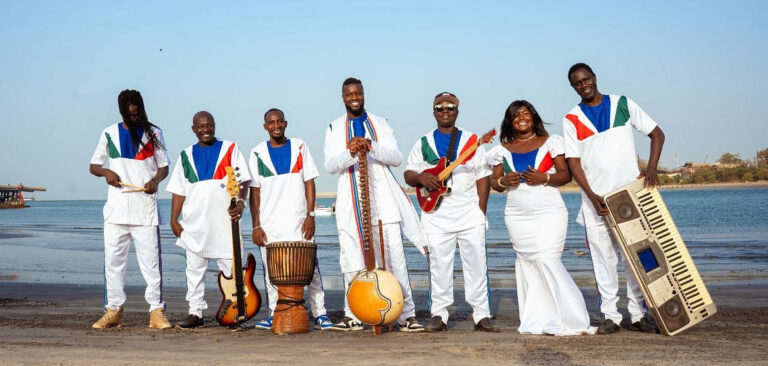
Gambia: Suntou Susso announce UK tour for ‘The Path of a Griot’
09 Oct 2026
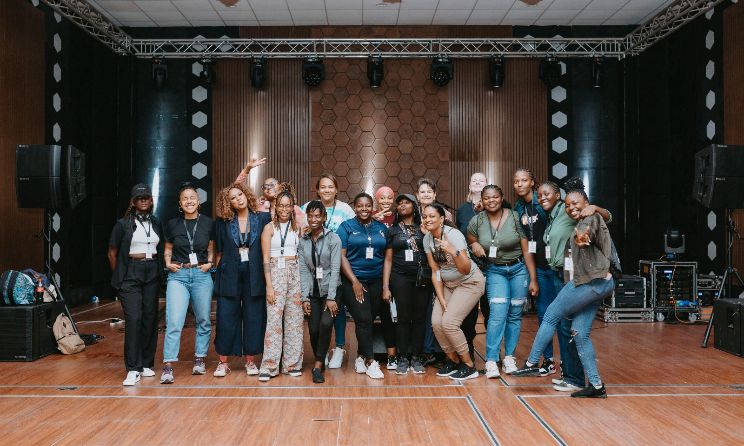
Open call: 2026 Gender@Work music industry training in Johannesburg
09 Oct 2026

Top amapiano songs of 2026
16 Feb 2026

Top Afrobeats songs of 2026
19 Mar 2026
Call for applications: ACCES 2026 Emerging Artist Spotlight Competition
01 Oct 2026

Top Naija songs of 2026
31 Mar 2026
Disclaimer: Music In Africa provides a platform for musicians and contributors to embed music and videos solely for promotional purposes. If any track or video embedded on this platform violates any copyrights please inform us immediately and we will take it down. Please read our Terms of Use for more.

Subscribe to our monthly Newsletter
Follow us on social media


Please log in to post a comment.