


































NEFCISA
NEFCISA

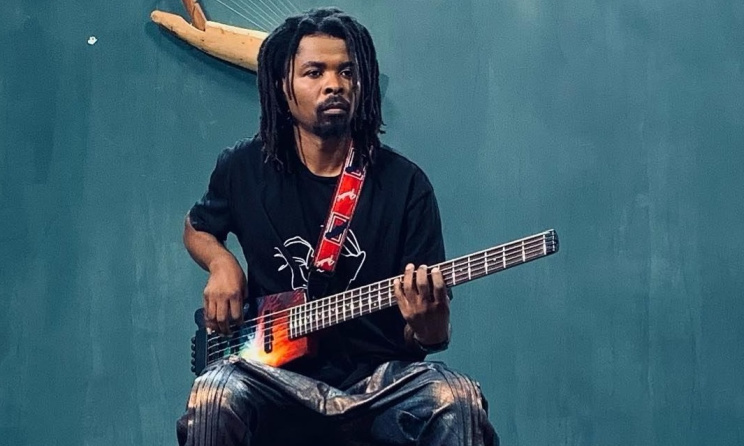
The Music In Africa Foundation (MIAF) is proud of its partnership with the Industrial Development Corporation (IDC) as a Strategic Implementing Partner (SIP) for its Social Employment Fund (SEF). Through this collaboration, MIAF is running a national programme that is creating jobs, addressing skills gaps, and strengthening South Africa's creative industries — in line with the SEF's overarching goal to generate work for the common good and build community value through employment, social contribution, and inclusive economic participation. Operating under the banner NEFCISA (National Employment Facility for Creative Industries in South Africa), the initiative is recruiting and training participants, matching them with host organisations, and has already placed 1 500 workers across the country — surpassing its original target of 1 000. NEFCISA is delivered through a network of 20 host organisations spanning five provinces, who are actively hosting participants and contributing to work for the common good across South Africa's creative and cultural industries. Key Objectives: Support employment and entrepreneurship in the creative industries. Offer skills development and training programmes. Foster partnerships between public and private creative sectors. Promote South African creativity at both provincial and national levels Foster community development through social contribution.

ACCES
ACCES

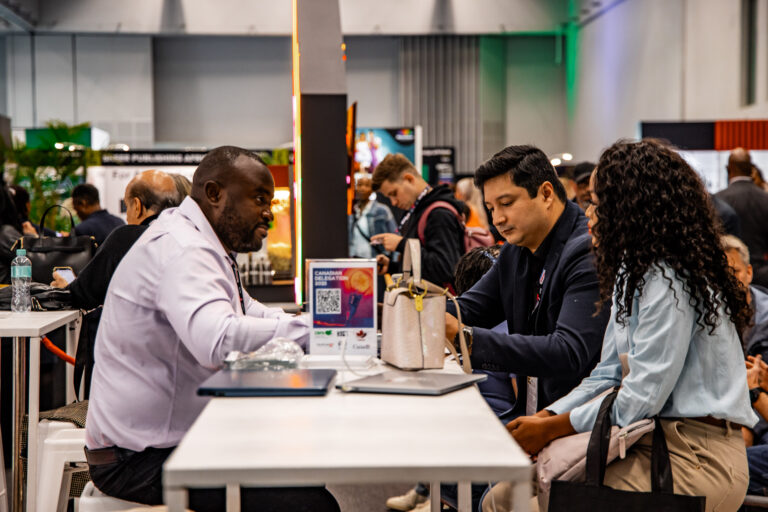
ACCES Conference and Showcase Festival is Africa's leading music industry gathering, bringing together the people shaping the future of the continent's music business. Artists, entrepreneurs, executives, investors, policymakers and cultural leaders from across Africa and around the world come to ACCES to build partnerships, exchange ideas, discover talent and create new business opportunities. Since its launch in 2017, ACCES has become the continent's premier platform for professional exchange and music market development. Combining a high-level conference with a curated showcase festival, networking, exhibitions and industry programmes, ACCES offers a unique space where creativity meets business and where African music connects with the global industry.

Gender@Work
Gender@Work

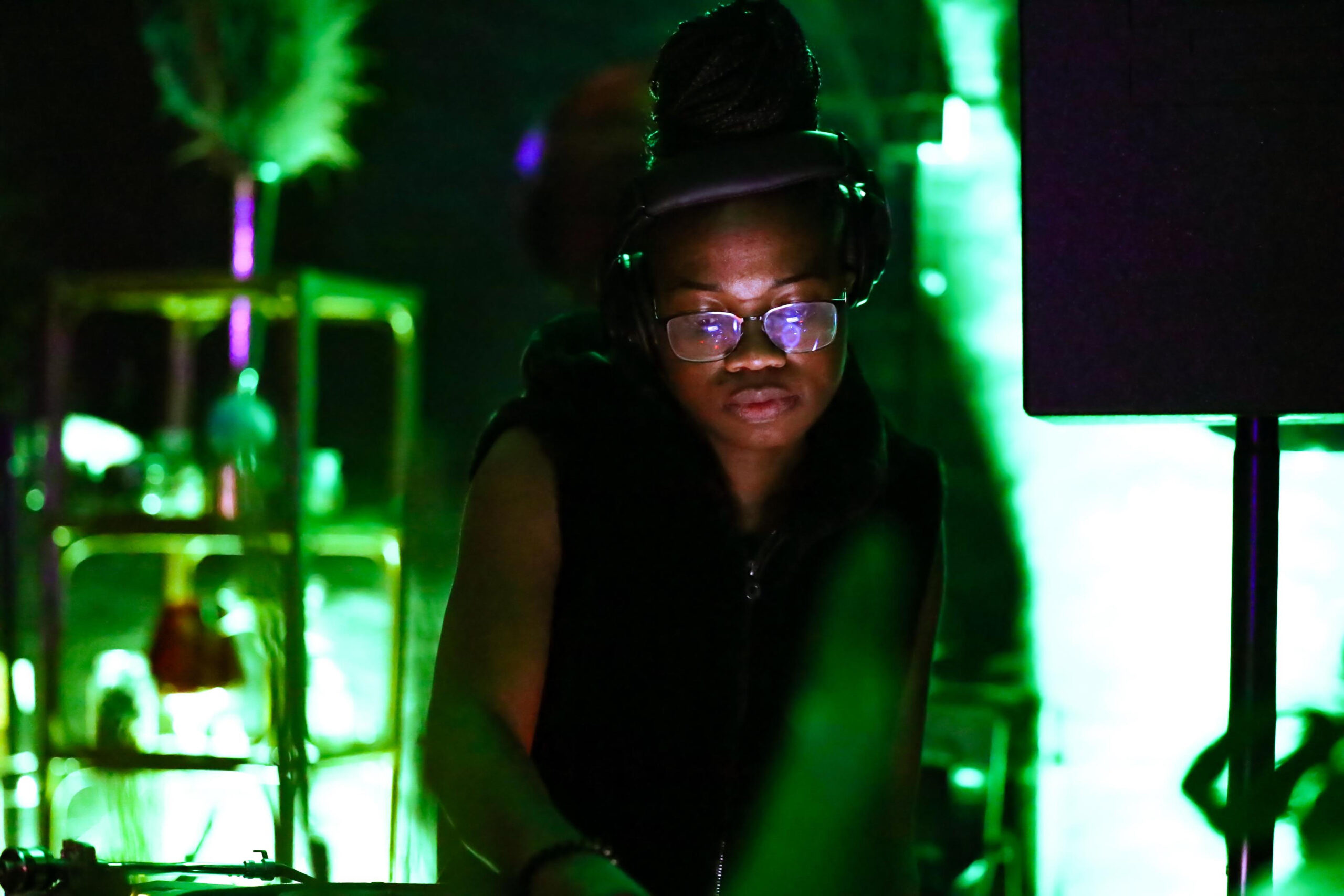
Music In Africa Gender @ Work is a three-year training programme aimed at upskilling and increasing the participation of female professionals in the African music sector. Launched by the Music In Africa Foundation (MIAF) in April 2019, the programme is connected to the MIAF’s ACCES music conference – a pan-African event held in a different African country every year. This connection enables the programme to reach new participants in a different African country every year. The programme marks the beginning of a more concerted effort by the Foundation to support the participation and inclusion of women in all facets of its programmes and the music sector in Africa as a whole. Over the three years, the programme will aim to address gender imbalances in the sector through training, lobbying, facilitating knowledge exchange and dialogues that foster the interest of women. The broader objectives of the programme are to: Provide industry training for women on critical music industry skills, focusing on: Stage management Electronic music production and recording Music business management Technical knowledge Provide an opportunity for both professional and aspiring women to benefit from the Music In Africa network and its broad range of activities in 2019, 2020 and 2021. Provide a solution-based platform in the form of a round table at ACCES with a view to identify challenges, discuss opportunities and lobby for the interests of female practitioners. Offer participants the opportunity to benefit from programmes offered by MIAF’s partners. Increase access to educational materials. Integrate participants in the broader ACCES programme to maximise experience and exposure to the industry. Record and present training materials on the www.musicinafrica.net, including but not limited to tutorials, templates and other best-practice materials. Communicate women-based themes that support the initiatives and messages of the programme. MAIN TRAINING ACTIVITIES Training in first country (Ghana): In the first year, participants will be trained on all aspects of stage management by a team of experienced stage managers from 10 to 17 November 2019. The programme will offer robust classroom training as well as practical, hands-on training in which participants will also be given the opportunity to manage various aspects of the ACCES performance programme. Training in second country: The second training iteration will take place at ACCES 2020 when the programme will diversify its course to include music production lessons and training on other music business topics. A round-table platform will also be introduced to coincide with the ACCES programme. Training in third country: The third training iteration will take place at ACCES 2021 in a different country, offering an advanced course. HOW DO YOU GET INVOLVED?  As a participant, facilitator or trainer: The programme enrolls up to 12 trainees every year. All opportunities are advertised publicly on this website, and will be added to this page. Please keep checking this page for new calls (below under UPDATES & CURRENT OPPORTUNITIES). As a partner Please contact Claire Metais at [email protected]. APPLY The call for applications for 2020 will be announced soon. The Music In Africa Gender @ Work programme is made possible with the support of the Prince Claus Fund, Siemens Stiftung and Goethe-Institut.

Sound Connects Fund
Sound Connects Fund

For cultural and creative practitioners and organisations operating in southern Africa, access to funding remains a major challenge. The COVID-19 pandemic has also had a massive impact on government policy, spending and the economy in general, and has seen spending on culture being moved further down the list of priorities. Further, the cultural and creative industries repeatedly cite four main areas where investment is needed for growth, which are increased visibility, mobility including access to new markets, finance and support structures.

Instrument Building And Repair Project

Experience the Vibrations African Instruments Exhibition online in 3D

Overviews

The Recording Industry in Mauritius

30 Sep 2016 - 12:21

cc-img flag-img

by Sabrina Quirin

This text presents an overview of the recording music industry in Mauritius.
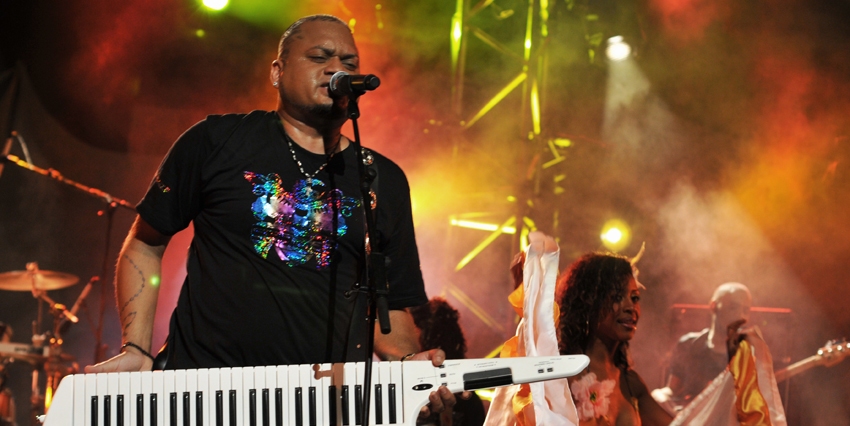
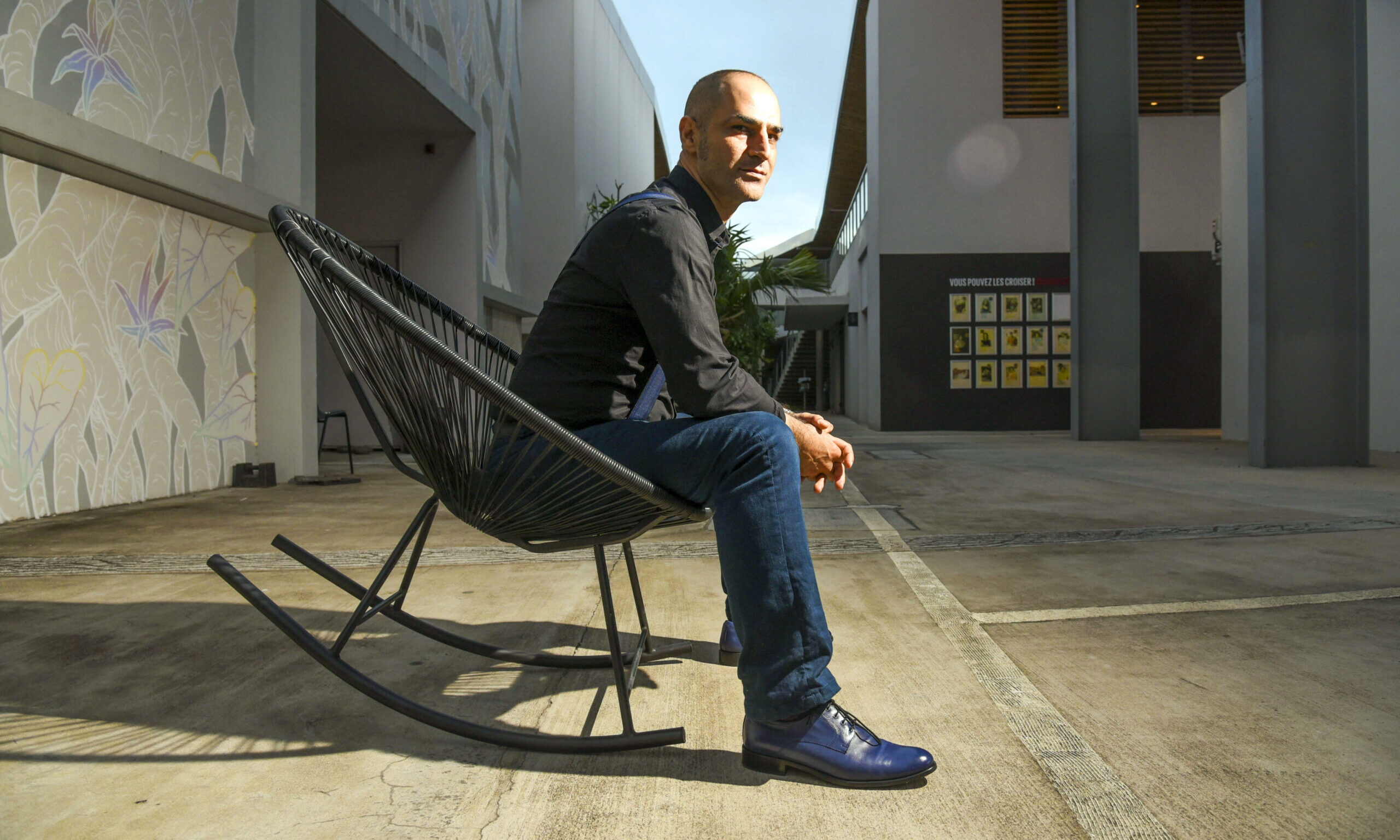
Alain Ramanisum. Photo: azanda.re

Early days

A discussion of the recording history of Mauritius wouldbe incomplete without mentioning artists like Ti Frère, Fanfan and Serge Lebrasse.

Ti Frère, one of the pioneers of sega music, recorded the first 45rpm in 1948. The song was recorded by the Studio Damoo, established in 1919, in Port Louis, the Mauritian capital.

The year 1948 marks the debut of the recording industry in Mauritius.

In 1949, Fanfan, who wrote around fifty songs, released his first record entitled ‘Ma Bolema’. Fifty years later, Fanfan released ‘Kito Lev Néné’ under the Ballerina Music label.

Guardian of the traditional music, the sega, Fanfan dedicated his career to promoting the cultural values of his country. In an interview given in 2008 to lexpress.mu, the artist declared that Mauritius Island "is dictated by the law of the jungle."

Serge Lebrasse, an admirer of Ti Frère, became popular in the 1970s with thesong‘Madame Eugène’. In 1995, in London, the artist republishedhis most popular old classics. At the age of 86, Serge declared, in an interview published on lexpress.mu, that he is retiring from the stage: “I’ve got 55 years of career behind me. I met so many people. I need to rest a little now.”

Menwar and Kaya, managed to revolutionize Mauritian music by merging the Sega with other musical styles. Menwar created the Segaï; a sega form dominated by the blues and accompanied by instruments made of pistachio shells and sugar cane stalks. The album ‘Leko Rivyer Nwar’released in 2002 featured Segaï songs.

Kaya, the protest singer nicknamed "the Bob Marley of the Mascarene Islands", created the seggae: a fusion of sega and reggae. The album Seggae nu la mizik was released in 1989, featuring beautiful songs, which according to his author, would bring with it change so long-awaited by the Mauritian people. Kaya was found dead in prison (under obscure circumstances) in1999.

Record and music distribution companies

The Internetreshaped the musical industry worldwide. There are only a few record companies and recording studios left in Mauritius today, namely Geda Records, Kapricorn and Grace Records.

These labels ensure music distribution through stores and record dealers. Ten years ago, a record company distributed 2000 CDs after releasing an album. Today, this number has decreased.

"In the old days, CDs were not manufactured in Mauritius. We could only order a minimum of a thousand CDs from Singapore. Today, CDs are made locally. A thousand holograms are required per record by the copyright association but we can only afford to sell 100 CDs at a time,” explained Gérard Louis, a musician and artist."We can’t take the risk of distributing more than 100 CDs when we know they won’t sell.”

Music distribution throughonline platforms like YouTube, Deezer, and Spotify, has been a terrible blow to the Mauritian record market. People prefer to listen to music online and free of charge rather than buy a CD.

Today, many artists prefer to release singles, free of charge on the Internet and earn money through concerts and other live performances.

"We are witnessing a paradoxical situation. While the recording industry is stalled, due to the drastic decline in CD production, concerts and other musical releases are doing fine. Mauritian artists are forced to find alternatives to releasing an album to ensure their musical career and make a living,” said Gérard Louis, singer and promoter.

Music piracy

In the 1990s, a period during which music piracy was not an issue, Mauritian music was doing well. The famous Ras Natty Baby and Kaya, sold CDs without worrying about piracy.

Today, the recording industry is not profitable any more. The purchasing power has decreased and a Mauritian thinks twice before buying a CD of local songs which costs Rs250 ($7) while songs are available on the Internet, free of charge.

The Right Management Society (RMS) does its best to collect and distribute royalties to artists. In 2015, the organization registered 250 musical works. ButAfrican collectingsocieties lackthe technical tools to fight music piracy. Someartists turn to specialized companies to protect their music on the Web.

Popular tracks

Although the industry is going through a turbulent period, (combating music piracy and free listening online), Mauritian artists manage to producemusic.

Mauritians continue to dance to Alain Ramanisum’s (former member of Cassiya) famous song ‘Li Tourner’ (released in 2012, with the cooperation of DJ Assad).

Clarel Armel’s ‘Lipie Gris’, ‘Ti Pocket’, and ‘Mo Bourzoi’ have been delighting audiences since 2007. His songs are still played on Mauritian radios.

In 2013, Mr Love, nicknamed ‘the local lover boy’ released the album Pou Twa and proved to be a success. The album featured ‘Ti Pocket’, ‘Kado Lavi’, ‘Lambians Hot’, and ‘Twa To Mama’.

Laura Beg, the diva of Mauritian music, known for her ‘Zouk loves’ charmed the public with songs like ‘L’immensité L’amour', from the Mon Ti Kèr album released in 2014; and ‘Ki Toi L’amour’, released from the 2012 Tik Tiker album.

Veteran sega singers, include the King Jean-Claude Gaspard known for ‘Dhobi de Classe’, ‘Problème Cari’ and ‘Pilé Pilé’.

Last but not least, Mario Armelle, over the course of his 45-year career, produced many hits such as ‘Anita my Love’, ‘Cari Posson’ and ‘Séga Tabla’.


Source:
Interviews with Gérard Louis

Please log in to post a comment.

Most popular

Disclaimer: Music In Africa provides a platform for musicians and contributors to embed music and videos solely for promotional purposes. If any track or video embedded on this platform violates any copyrights please inform us immediately and we will take it down. Please read our Terms of Use for more.

newsletter banner

Subscribe to our monthly Newsletter

Follow us on social media