


































NEFCISA
NEFCISA

The Music In Africa Foundation (MIAF) is proud of its partnership with the Industrial Development Corporation (IDC) as a Strategic Implementing Partner (SIP) for its Social Employment Fund (SEF). Through this collaboration, MIAF is running a national programme that is creating jobs, addressing skills gaps, and strengthening South Africa's creative industries — in line with the SEF's overarching goal to generate work for the common good and build community value through employment, social contribution, and inclusive economic participation. Operating under the banner NEFCISA (National Employment Facility for Creative Industries in South Africa), the initiative is recruiting and training participants, matching them with host organisations, and has already placed 1 500 workers across the country — surpassing its original target of 1 000. NEFCISA is delivered through a network of 20 host organisations spanning five provinces, who are actively hosting participants and contributing to work for the common good across South Africa's creative and cultural industries. Key Objectives: Support employment and entrepreneurship in the creative industries. Offer skills development and training programmes. Foster partnerships between public and private creative sectors. Promote South African creativity at both provincial and national levels Foster community development through social contribution.

ACCES
ACCES

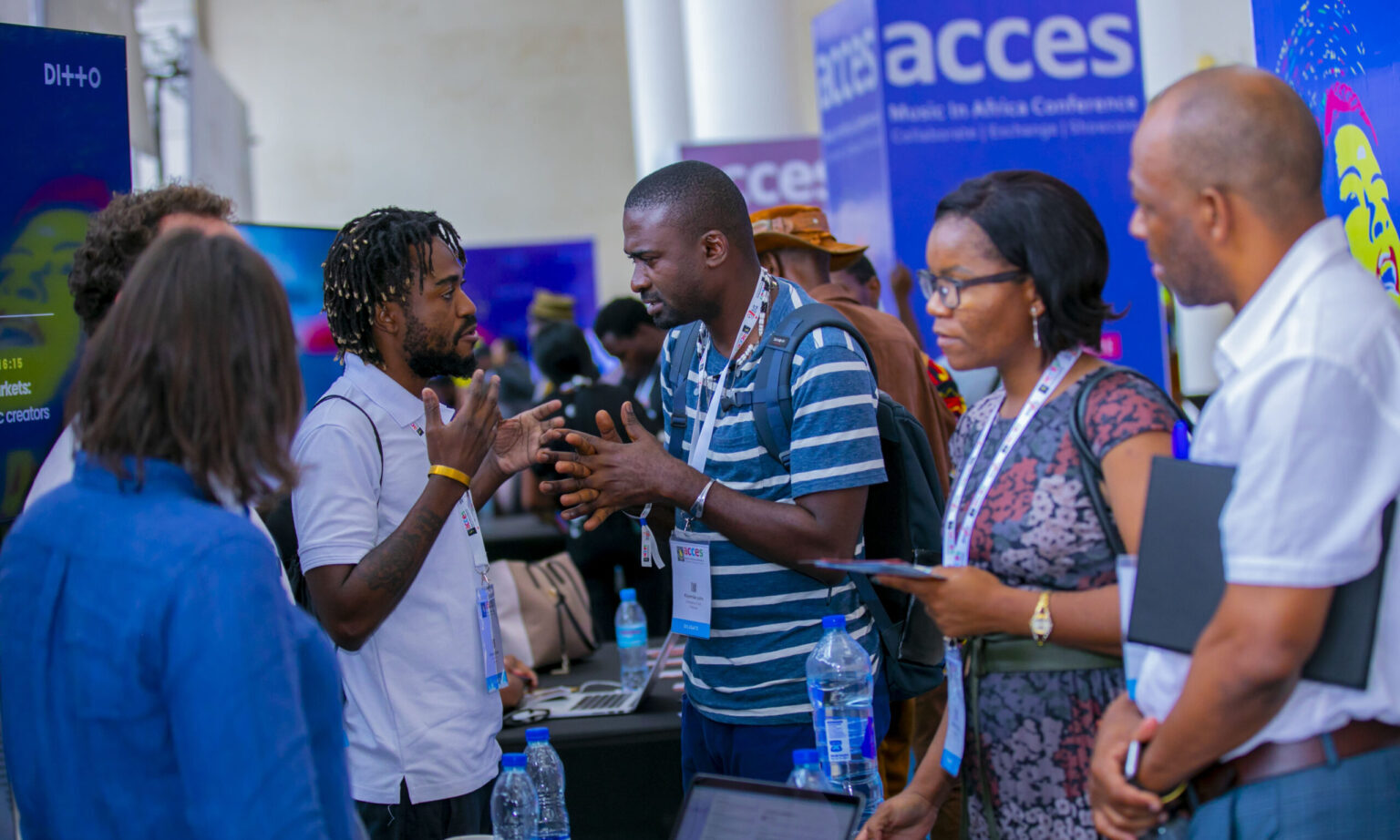
ACCES Conference and Showcase Festival is Africa's leading music industry gathering, bringing together the people shaping the future of the continent's music business. Artists, entrepreneurs, executives, investors, policymakers and cultural leaders from across Africa and around the world come to ACCES to build partnerships, exchange ideas, discover talent and create new business opportunities. Since its launch in 2017, ACCES has become the continent's premier platform for professional exchange and music market development. Combining a high-level conference with a curated showcase festival, networking, exhibitions and industry programmes, ACCES offers a unique space where creativity meets business and where African music connects with the global industry.

Gender@Work
Gender@Work

Music In Africa Gender @ Work is a three-year training programme aimed at upskilling and increasing the participation of female professionals in the African music sector. Launched by the Music In Africa Foundation (MIAF) in April 2019, the programme is connected to the MIAF’s ACCES music conference – a pan-African event held in a different African country every year. This connection enables the programme to reach new participants in a different African country every year. The programme marks the beginning of a more concerted effort by the Foundation to support the participation and inclusion of women in all facets of its programmes and the music sector in Africa as a whole. Over the three years, the programme will aim to address gender imbalances in the sector through training, lobbying, facilitating knowledge exchange and dialogues that foster the interest of women. The broader objectives of the programme are to: Provide industry training for women on critical music industry skills, focusing on: Stage management Electronic music production and recording Music business management Technical knowledge Provide an opportunity for both professional and aspiring women to benefit from the Music In Africa network and its broad range of activities in 2019, 2020 and 2021. Provide a solution-based platform in the form of a round table at ACCES with a view to identify challenges, discuss opportunities and lobby for the interests of female practitioners. Offer participants the opportunity to benefit from programmes offered by MIAF’s partners. Increase access to educational materials. Integrate participants in the broader ACCES programme to maximise experience and exposure to the industry. Record and present training materials on the www.musicinafrica.net, including but not limited to tutorials, templates and other best-practice materials. Communicate women-based themes that support the initiatives and messages of the programme. MAIN TRAINING ACTIVITIES Training in first country (Ghana): In the first year, participants will be trained on all aspects of stage management by a team of experienced stage managers from 10 to 17 November 2019. The programme will offer robust classroom training as well as practical, hands-on training in which participants will also be given the opportunity to manage various aspects of the ACCES performance programme. Training in second country: The second training iteration will take place at ACCES 2020 when the programme will diversify its course to include music production lessons and training on other music business topics. A round-table platform will also be introduced to coincide with the ACCES programme. Training in third country: The third training iteration will take place at ACCES 2021 in a different country, offering an advanced course. HOW DO YOU GET INVOLVED?  As a participant, facilitator or trainer: The programme enrolls up to 12 trainees every year. All opportunities are advertised publicly on this website, and will be added to this page. Please keep checking this page for new calls (below under UPDATES & CURRENT OPPORTUNITIES). As a partner Please contact Claire Metais at [email protected]. APPLY The call for applications for 2020 will be announced soon. The Music In Africa Gender @ Work programme is made possible with the support of the Prince Claus Fund, Siemens Stiftung and Goethe-Institut.

Sound Connects Fund
Sound Connects Fund

For cultural and creative practitioners and organisations operating in southern Africa, access to funding remains a major challenge. The COVID-19 pandemic has also had a massive impact on government policy, spending and the economy in general, and has seen spending on culture being moved further down the list of priorities. Further, the cultural and creative industries repeatedly cite four main areas where investment is needed for growth, which are increased visibility, mobility including access to new markets, finance and support structures.

Instrument Building And Repair Project

Experience the Vibrations African Instruments Exhibition online in 3D

Features

Reflections from the 2025 Global Creative Summit in Joburg

goitsekemp_218235 By goitsekemp_218235

19 Nov 2025 - 11:39

cc-img flag-img

The Global Creative Summit (GCS), held from 13 to 15 November 2025 in Johannesburg, South Africa, brought together artists, policymakers, innovators and storytellers to explore the future of the global creative economy through an African perspective. Under the theme Visa to the World, the inaugural gathering aimed to position African creativity within an international context.
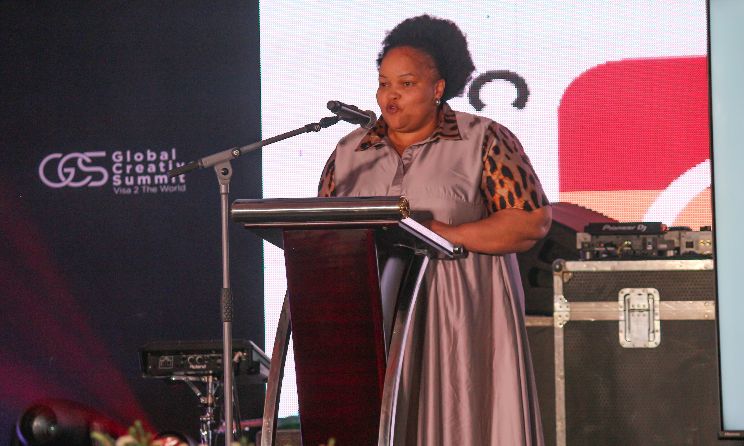
Deputy Minister of Sport, Arts and Culture Peace Mabe speaking at the event.

On the first day, I served as an usher and speaker-arrival coordinator, assisting with guest reception, vendor setups and general event flow. The role required a level of patience and composure distinct from my usual behind-the-scenes work. Managing registrations, guiding arrivals and handling the occasional guest who insisted they were “on the list” offered a new appreciation of front-of-house duties.

The evening programme, hosted by Penny Lebyane, featured a welcome address by founder Sinamandla Kwepile and a keynote by Farees Khalemah on the Orange Economy. Although stationed at the entrance, I felt the enthusiasm of attendees filtering through the venue. The Jaziel Brothers’ closing performance was widely described as nostalgic and uplifting.

Artist logistics, ranging from sound checks to seating adjustments, added to the day’s pace. I valued the support of department heads Thadeka Smith, Thato Molifi, Amanda Mabaso and Inga Mekute, whose guidance ensured smooth coordination. Special thanks are due to Lebohang Masenkane for reliable remote administrative support.

Day two shifted into a full conference format. This time attending as a guest, I followed panel discussions across music, fashion, visual arts, film and broadcasting, gaming, animation and literature. The SAE Institute staging crew worked efficiently between sessions. A notable moment came during the cultural diplomacy panel with Yvonne Chaka Chaka, who spoke about pursuing an Honours degree in artificial intelligence, a reminder of the importance of lifelong learning and reinvention.

The film and broadcasting panel, led by Moja Love’s head of channel, Livhuwani Dagada, offered valuable perspective on industry developments. Panellist Osikoya Damilola highlighted the enduring influence of the creative sector, noting that political actors often turn to the arts when seeking societal impact.

The fashion discussion explored textile production and market access. Sammy Mhaule, founder of THE KICKS BRAND, remarked that “fashion is more than what you wear; it’s why you wear it,” a sentiment that resonated with many attendees. Further insights from Alinah Missouri contributed to a thoughtful exchange. Another compelling point arose when Stephenie emphasised the need for more deliberate government support for the arts, sparking continued conversation in the networking lounge. There, Bumai Thesie and I agreed on the importance of intentional storytelling in African film to revive a stronger cinema-going culture.

The summit underscored that every role, front-facing or behind the scenes, plays a meaningful part in bringing creative events to life. Sometimes, welcoming guests at the door can be as impactful as shaping the programme itself.

Please log in to post a comment.

Most popular

Disclaimer: Music In Africa provides a platform for musicians and contributors to embed music and videos solely for promotional purposes. If any track or video embedded on this platform violates any copyrights please inform us immediately and we will take it down. Please read our Terms of Use for more.

newsletter banner

Subscribe to our monthly Newsletter

Follow us on social media