




















































Running an indie music label (pt. 2)

21 Nov 2014 - 10:44

by Phathu Ratshilumela
Recording of the Song/Project
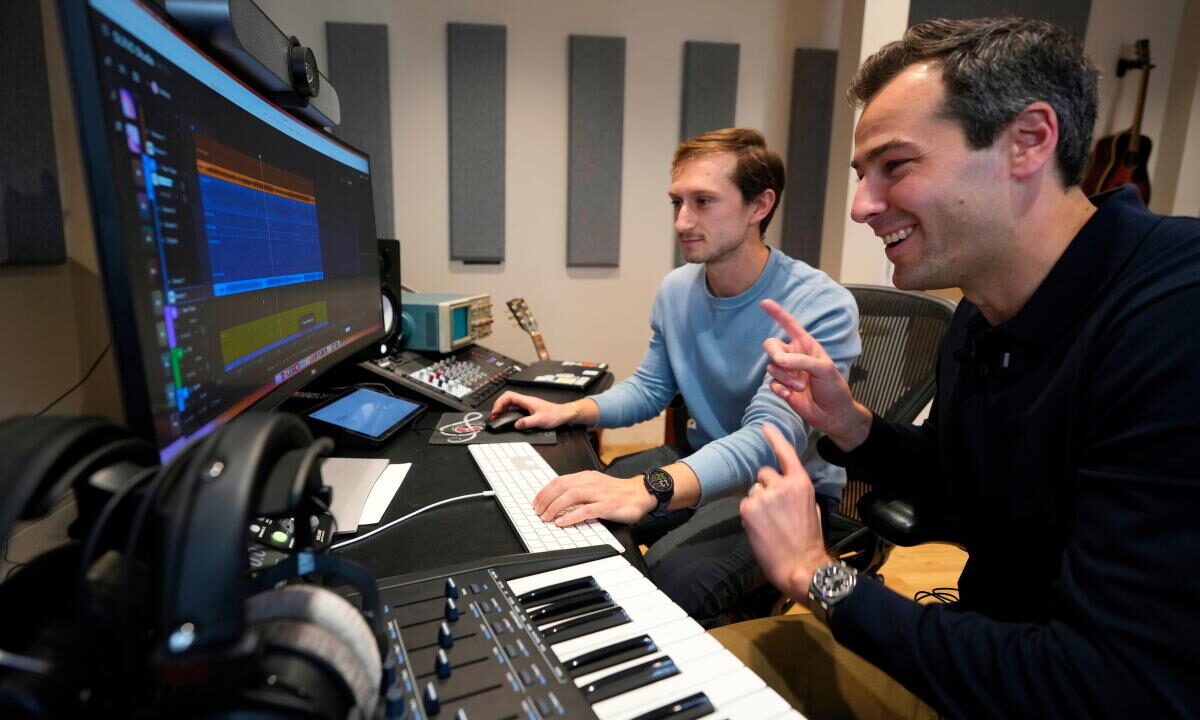
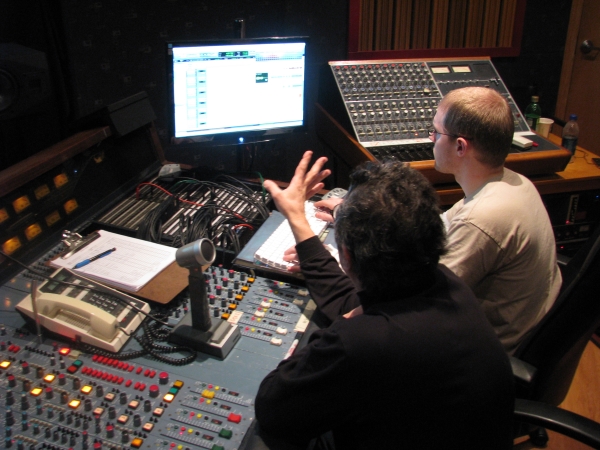
Record labels started out to really facilitate the recording of an artist's music. But in this day and age, music technology is readily available to set up basic recording studios that can produce a finished piece of work or at least allow for considerable pre and post production so that one can minimize the overall time spent in an expensive professional recording studio.
What happens in many cases is that before you even record the project, already you would have spotted a producer you want your artist to work with or the artist might know the producer s/he might want to work with. The producer will often have their own studio setup for pre and post production which they will include into their fee which should be less than hiring a professional recording studio. The producer may however choose to work entirely in a professional studio which you, as the recording label, will then have to hire.
The studio you are booking will most probably have an in-house engineer who will work closely with the producer and the artist and in the rare case that there isn't one, the producer is likely to recommend an engineer that they like to work with.
One thing to consider when starting up a label is to look at becoming a producer and setting up a basic, or even professional music recording and production studio. A producer is responsible for directing and co-coordinating the recording, production, mixing and mastering of the project and making sure the overall sound of the final product is in line with the artist's vision. As the record label owner you certainly would be able to acquire these skills if you don't already possess them. In the long run, by becoming a producer for your label, you will save money and have more creative control. But you may also feel that production is a specific job that requires singular focus and being responsible for a record label is already a job unto itself.
One last thing to remember is it also comes down to the type of music you are intending on releasing. A band will require a professional recording studio to properly record their music (unless you are specifically going for a lo-fi sound that can be accomplished in a bedroom studio). A DJ making dance music can compose, produce and even master the final product in their bedroom alone which makes a considerable difference in the budget spent on recording.
Sleeve Design and Pressing the project
Before you hand over the task of sleeve design to a designer, it is important that you understand the basic visual traditions and trends of the genre you are working on. For instance, if your artist sings kwaito, the sleeve design cannot obviously look like a typical Gospel project.
You should probably look at hiring a designer who understands the music and who may have already designed some album artwork. The same applies to hiring a photographer for professional photos of the artist. They should also understand the music and the trends in photography that are accompanied by the genre the music falls into. The designer would probably be able to suggest a photographer, or you may already know who you would want to work with.
By looking at the sleeve, one should be able to tell which genre of music it is likely to be. It is important that your artist is well presented on the sleeve because this is often the first impression that someone who is about to listen to the music will have of the project. And we all know that first impressions count.
You then need to decide onto which formats you want to press the project. Normally here in South Africa, CD and Cassette are the right formats to print if you are dealing with genres such as traditional African music, Gospel and Kwaito, Urban dance. Rock, Afrikaans and other genres would only really apply to CD, as Cassette is and outdated format.
Who t print with? There are a lot of companies out there and it is best to get quotes from a few to get an idea of the best pricing to suit you. CDT is an often used company, as is ACTA. Possibly do some research into what other labels that are similar to yours in genre use. At the end of the day you are looking for a company that gives you the best deal in terms of the amount you want to print as companies offer discounts relative to bigger orders.
Marketing & Promotional strategy
Marketing is really all about identifying those people who might potentially buy your product and telling them about the product in an exciting way. This is done through advertising, getting the music played on radio and TV and getting the music reviewed or the artist written about in magazines and newspapers.
Advertising is costly but effective. It requires market research, coming up with concepts, creating campaigns and then delivering these campaigns through various media. The advantage of this is that the right market will be reached and spoken to in such a way that they get excited about the project. The reality is it is often too expensive for a small record label.
It is then up to you as a record label owner to research your market and identify the media to use. You should be looking at radio and TV stations, newspapers and magazines and the online media such as social networks and online publications. You need to identify which radio and TV shows your target audience listens to and watches, what magazines and newspapers they read, and where they spend their time online.
You need to then sample all the media houses that may be interested in your project. Start by gathering contact details for magazines, local newspapers, TV and radio stations and online publications. To make an impact, your marketing person needs to create a relationship with the person in charge of music libraries, compiling music or reviewing the music on different radio and TV stations, newspapers and magazines and online publications. This can be very difficult, but people feel comfortable to do business with those they know or they communicate with a lot. It makes all the difference to check up on these people if your package has arrived and if they have listened to it yet. Just sending your project and hoping that it will get recognized is unrealistic.
Try plan promotional activities, leading up to the release of the project. Use any press, airplay and TV interviews to your advantage. If you have some cash to back this up, plan a number of concerts in local venues and also plan a poster or postcard campaign. Contact local charities, hospitals, schools and stores, or anyone who might be willing to play your music in a public place. If you are running your own label and don't think you can roll out a great marketing and promotional strategy on your own then it may be better to get a music publicist to handle this task for you, but as with advertising it could be costly.
When it comes to being played on TV, you obviously need to have a music video for the artist. The video will enhance the artist's popularity and it will also help give the artist's project a little bit of a longer life. You need to find an excellent production house which will shoot a superb music video because NOT all music videos submitted to the broadcasters get played - quality rules here. Ensure that the video is up to the standard of the latest music video trends and it suits the broadcasting policy. Music video production is very costly so you really have to consider all the options. There are ways to cleverly make a music video on a shoe-string budget that still looks great. One thing to definitely consider is contacting local film-school like AFDA. It is often part of the student's course syllabus to make a music video and they will do it for free because it is a learning curve for them and they need something to get marked and evaluated on.
Even if your music video is not picked up for broadcast, you can still put it on YouTube and other new media sites where it can help promote the music. This brings us to the final part of the marketing strategy which may in time become the most important: online marketing.
When it comes to promoting music on social networks, there are really two that work best: Facebook and MySpace. Social Networking is very much DIY, which is to say you need to learn to use it yourself. Setup a Facebook Group or Fan Page for your label and start inviting your friends onto it (if you don't have a Facebook profile already, where have you been?). MySpace will require a bit more work, but it's definitely worth it. Download free design software such as Paint.net and the classic MS Gif Animator and take the original files sent to you by your designer for the album sleeve and redesign them yourself for your MySpace page. Social networking is all about spending time. Constantly update your pages and keep inviting fans, members and friends to join. You'll be surprised at how addictive it is.
You can also consider running a label blog. If you do you should consider Wordpress or Google's Blogger that will host your blog for free, at least initially. Just remember that if you do run a blog you better make sure you can firstly write well and secondly have enough information to regularly update your blog.
Distribution
Before you go anywhere, you need to decide whether you want to distribute your release by yourself or you want to assign a distributor to handle this for you. Getting a distribution deal might not be that easy; you need to really have a solid marketing and promotional plan. Besides that, if you are introducing a new artist, you might need to do some promotional and marketing work before you approach a distributor. At least having done some ground work will help show the distributor what you have done and what the response has been.
But if you want to be your own distributor, there are few ways to go about doing this. One of the ways that some people have been doing is simply selling your music at the events that the artist performs at and anywhere else you can get an opportunity of doing so. Or you can also approach music retailers and sell direct to them - there are various deals that you will be offered, so just study them carefully before you make a decision.
You can also sell your music via the net. Most of the big distributors have the facilities to implement online into a distribution plan, but if you want to approach some online stores yourself you should look at the following South African portals: Rhythm Online; AFROdesiaMP3; MTN Xploaded.
Recording Label Organisations
There are two organisations which you should consider joining when establishing a recording label: RiSA and AIRCO.
RiSA is an organisation that represents the collective interests of the entire recording industry in South Africa. One paragraph is not nearly enough space to speak about the organisation, so to find out more about RiSA click here (http://mio.co.za/article/risa-an-overview-2007-07-19).
AIRCO (Association of Independent Record Companies South Africa) is a lot younger than RiSA having only been established some years back, but it is an organisation that aims to represent the interests of independent recording labels.
Both of these organisations are going to become very important to the implementation of Needletime rights in South Africa, which will essentially see recording companies, along with performers, vocalists, recording artists and instrumentalists, remunerated for the public performance (including the broadcast) of their recorded material. It is something that will be dealt with in more detail on MIO as it is implemented so watch this space.
If you're interested in some printed publications that could help you out, check out these books:
South African Music Law and Contacts, written by Nick Matzukis. To order the book, contact Isabelle on (011) 482-9200 or [email protected]
The South African Music Business, written by Jonathan Shaw. To order the book, contact ADA ENUP CC, on 083 501 7550 or e-mail [email protected].


Most popular

Top amapiano songs of 2026
16 Feb 2026

Top Afrobeats songs of 2026
19 Mar 2026

Top Naija songs of 2026
31 Mar 2026

Open call: Goethe-Institut grants for Southern African creatives
08 Sep 2026

AFRIMA 2026: All the winners
12 Jan 2026

Sun-El Musician confirmed for ACCES 2026 in Joburg
15 Sep 2026

Open Call: Voices For Roxette invites artists worldwide to submit cover versions
15 Sep 2026
Disclaimer: Music In Africa provides a platform for musicians and contributors to embed music and videos solely for promotional purposes. If any track or video embedded on this platform violates any copyrights please inform us immediately and we will take it down. Please read our Terms of Use for more.

Subscribe to our monthly Newsletter
Follow us on social media


Please log in to post a comment.