


















































Sauti za Busara at 20: How one man’s idea transformed the East African cultural landscape
18 Feb 2023 - 22:44


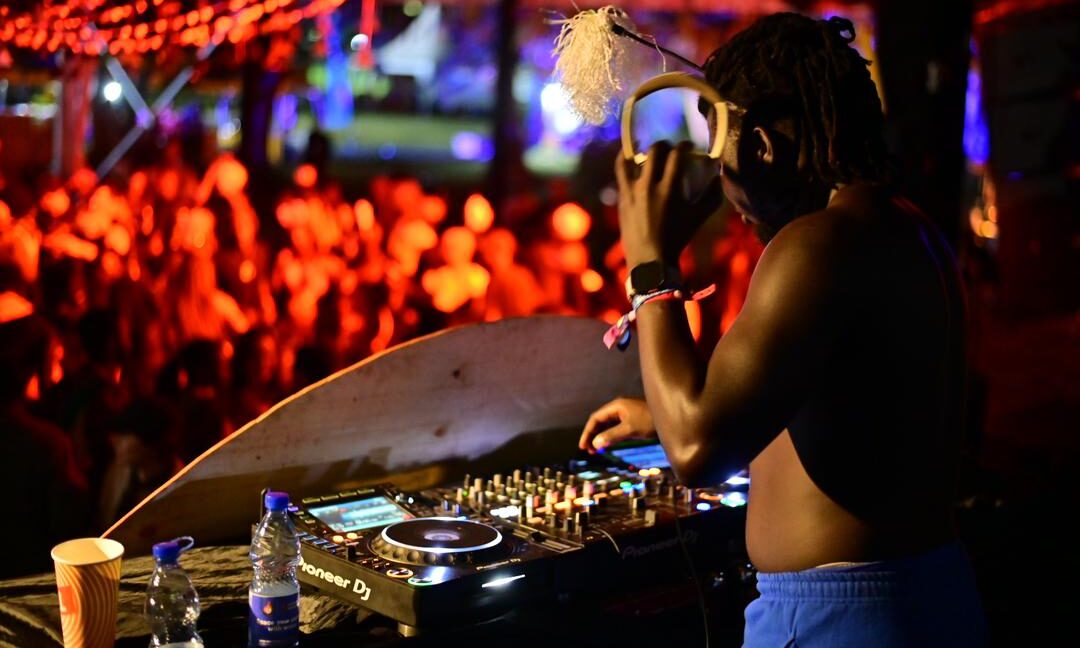
Three times a day in the evening, the reverberations at the Old Fort stop as the booming speakers give way to the voices of muezzins emanating from the minarets of mosques jutting into the Stone Town skyline. For close to 20 minutes during the Asr, Maghrib and Isha prayers, the music at Sauti za Busara festival pauses. This is repeated in all the three days of the festival, with live performances resuming thereafter.
As an event that has become synonymous with Zanzibar, Sauti za Busara’s first duty is to the people of this semi-autonomous island. Held annually in February at the Old Fort in the historic Stone Town, the festival prides itself not only in showcasing the best of African music but in helping preserve the rich cultural heritage of Zanzibar. This is why prayer time and other local traditions are treated with reverence.
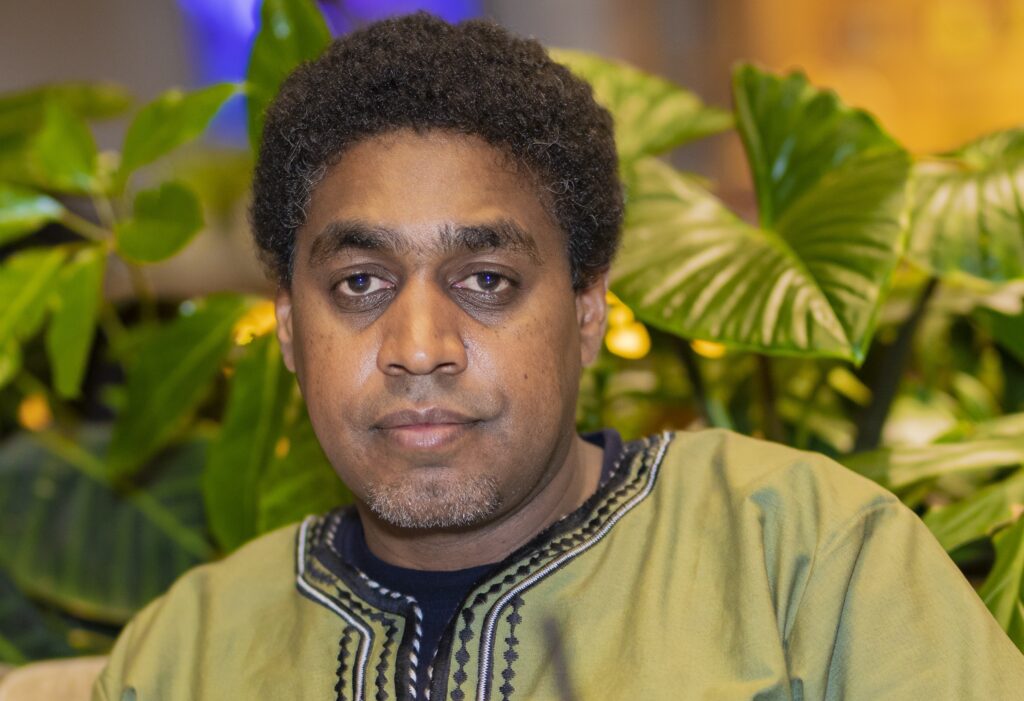
The brainchild of Yusuf Mahmoud, the festival celebrated its 20th anniversary this year, a milestone made all the more remarkable by the challenges it has been able to overcome.
Mahmoud, currently serving as the festival’s director, is a Zanzibar-based cultural expert who saw the arts as an active ingredient in the quest to transform communities. In 1998, he set up Busara Promotions, a non-governmental organisation that provides a platform for artistic expression, celebration of cultural diversity and seeks to unlock employment opportunities in the East African music industry. This in turn birthed Sauti za Busara in 2003, a now widely acclaimed African music festival breathing life into the Old Fort and the Stone Town neighbourhood.
“Festivals across Africa need to increase opportunities for women, on stage and behind the scenes,” Mahmoud told Eye-to-Eye, the European Festivals Association’s quarterly, last year. “We can also address environmental issues, speak out for justice, human rights and other concerns. Although one festival alone cannot make great transformations to society, I believe it is our responsibility to promote dialogue, change attitudes and encourage action for a more sustainable and fairer world.”
This continues to be Mahmoud’s main preoccupation – perhaps the reason he isn’t too keen to reveal what he considers his best festival so far. “Every year at the start of March, I start planning for the next event. I don’t have the luxury to look back or dwell on past successes,” Mahmoud tells a room filled with music professionals during a session of the festival’s exchange and networking programme, titled Movers and Shakers.
One of Mahmoud’s biggest headaches is the perennial shortage of funding that has seen the festival nearly cancelled more than once. “A challenge we all face is that international embassies and donors have priorities that seem to fluctuate according to trends … As event organisers, we have to be careful and not get too distracted by the ever-shifting demands of donors and sponsors. But even when we were faced with the most difficult of situations where we almost had no option but to close, our team never gave up.”
Mahmoud’s mind should be at ease this time around after the assurance of continued support by the main sponsor of this year’s event, Fumba Town. Indeed, the festival has already announced the next edition will take place from 9 to 11 February 2024.
This year’s edition, which took place from 10 to 12 February, was held under the theme, Our Diversity, Our Wealth, with close to 30 groups thrilling audiences that had travelled from different parts of the world to catch a glimpse of Africa’s musical diversity.
For many festivalgoers in attendance, it was their first time at Sauti za Busara and they expressed surprise at the organisational standards.
Musicians hailed from East, West, North, Central and Southern Africa. The rich line-up included Tanzanian artists such as Mzee wa Bwax, Damian Soul, Patricia Hillary, Zawose Reunion, Stone Town Rockerz, Uwaridi band, Zan Ubuntu, Supa Kalulu, Zenji Boy na Wenzake, Waungwana Band and Culture Musical Club, Zanzibar’s traditional taarab orchestra that was founded in 1958.
South African group BCUC, who were the undisputed heroes of Sauti za Busara 2019 with their powerful messages and explosive performance, were invited to return for the special 20th anniversary edition where they gave another breathtaking show.
Female artists gave some of the strongest performances, with Asia Madani (Sudan), Nasibo (Zimbabwe), Naxx Bitota (DRC/Canada), Atse Tewodros Project (Ethiopia/Italy) and Zily (Mayotte) belting out songs that paid homage to their African roots on the two stages at the festival.
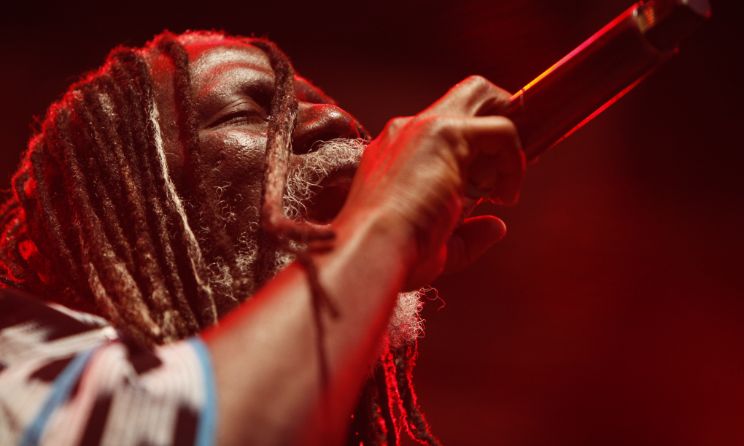
However, the bill was topped by Ivorian Tiken Jah Fakoly who is widely seen as one of Africa’s greatest reggae artist. He brought the house down with a powerful performance on the third day that lasted almost two hours – his set replete with conscious lyrics and positive messages.
As well as the Movers and Shakers, another element of this year’s festival that was highly praised was the Swahili Encounters project, which brought together 11 musicians from Tanzania, Kenya, Zimbabwe, DRC and Sudan for four days of rehearsals and collaborations that ended with a riveting performance.


Most popular

Top amapiano songs of 2026
16 Feb 2026

Top Afrobeats songs of 2026
19 Mar 2026
AFRIMA 2026: All the winners
12 Jan 2026
Open call: Goethe-Institut grants for Southern African creatives
08 Sep 2026

Top Naija songs of 2026
31 Mar 2026

Call For Applications : ACCES seeks a UK-based performer
10 Sep 2026

Sun-El Musician confirmed for ACCES 2026 in Joburg
15 Sep 2026
Disclaimer: Music In Africa provides a platform for musicians and contributors to embed music and videos solely for promotional purposes. If any track or video embedded on this platform violates any copyrights please inform us immediately and we will take it down. Please read our Terms of Use for more.

Subscribe to our monthly Newsletter
Follow us on social media


Please log in to post a comment.