



































NEFCISA
NEFCISA

The Music In Africa Foundation (MIAF) is proud of its partnership with the Industrial Development Corporation (IDC) as a Strategic Implementing Partner (SIP) for its Social Employment Fund (SEF). Through this collaboration, MIAF is running a national programme that is creating jobs, addressing skills gaps, and strengthening South Africa's creative industries — in line with the SEF's overarching goal to generate work for the common good and build community value through employment, social contribution, and inclusive economic participation. Operating under the banner NEFCISA (National Employment Facility for Creative Industries in South Africa), the initiative is recruiting and training participants, matching them with host organisations, and has already placed 1 500 workers across the country — surpassing its original target of 1 000. NEFCISA is delivered through a network of 20 host organisations spanning five provinces, who are actively hosting participants and contributing to work for the common good across South Africa's creative and cultural industries. Key Objectives: Support employment and entrepreneurship in the creative industries. Offer skills development and training programmes. Foster partnerships between public and private creative sectors. Promote South African creativity at both provincial and national levels Foster community development through social contribution.

ACCES
ACCES

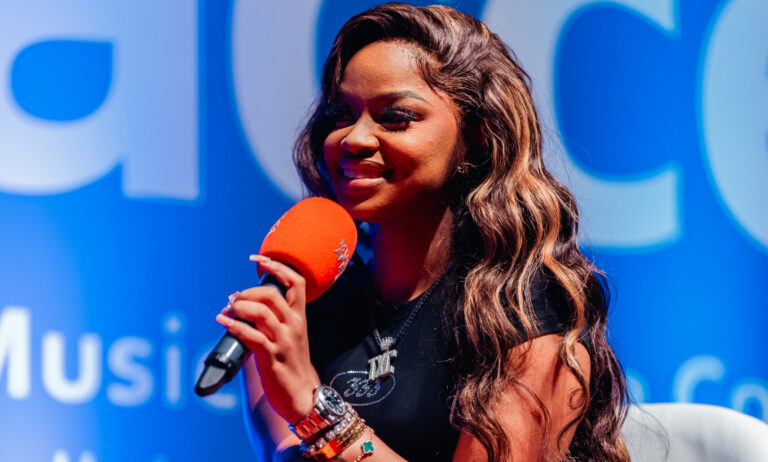
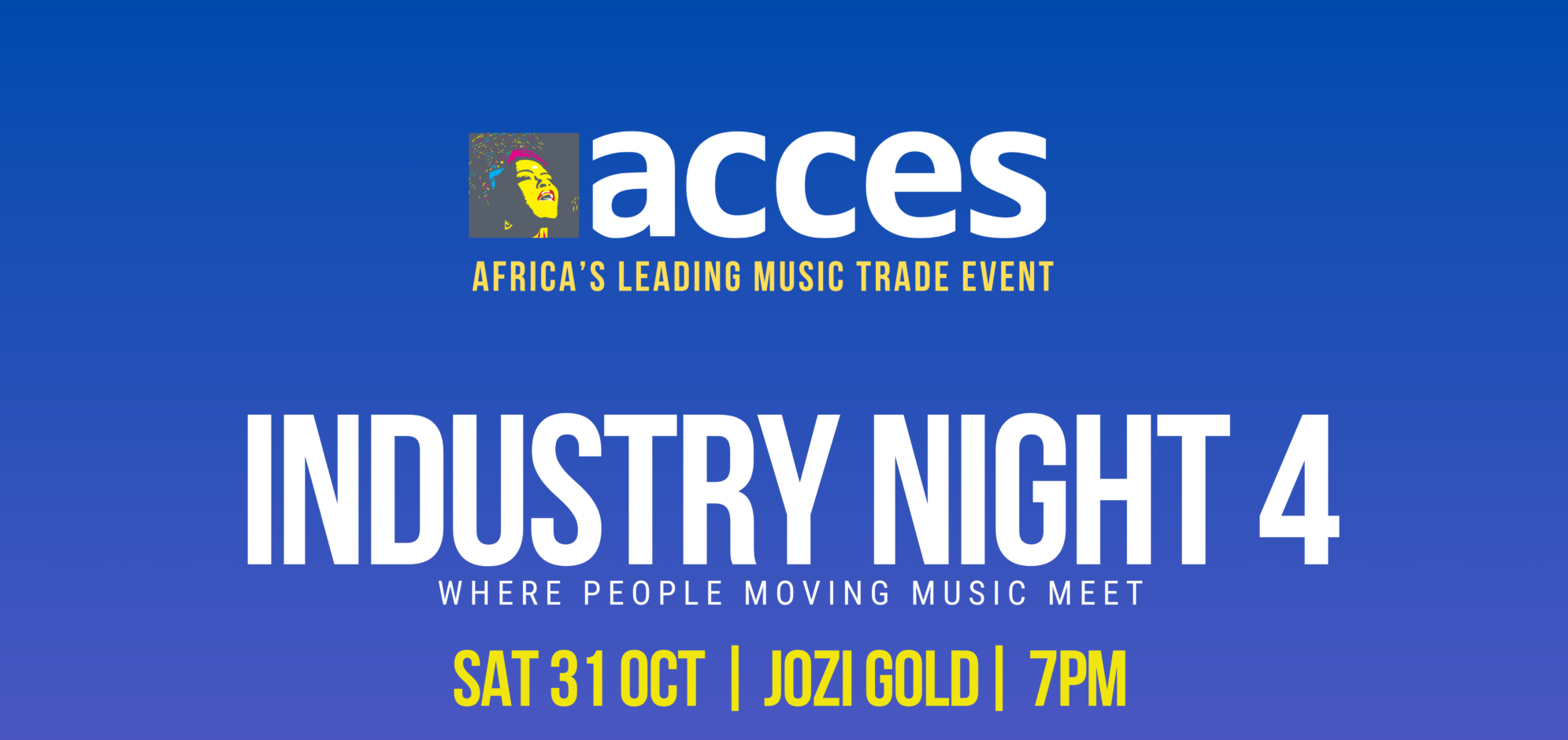
ACCES Conference and Showcase Festival is Africa's leading music industry gathering, bringing together the people shaping the future of the continent's music business. Artists, entrepreneurs, executives, investors, policymakers and cultural leaders from across Africa and around the world come to ACCES to build partnerships, exchange ideas, discover talent and create new business opportunities. Since its launch in 2017, ACCES has become the continent's premier platform for professional exchange and music market development. Combining a high-level conference with a curated showcase festival, networking, exhibitions and industry programmes, ACCES offers a unique space where creativity meets business and where African music connects with the global industry.

Gender@Work
Gender@Work

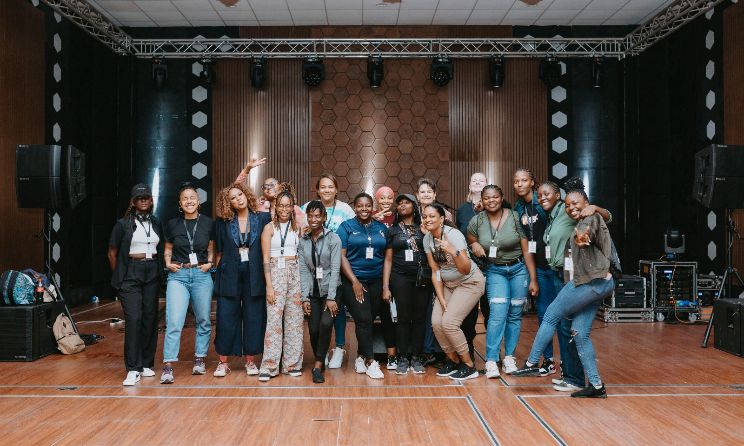
Music In Africa Gender @ Work is a three-year training programme aimed at upskilling and increasing the participation of female professionals in the African music sector. Launched by the Music In Africa Foundation (MIAF) in April 2019, the programme is connected to the MIAF’s ACCES music conference – a pan-African event held in a different African country every year. This connection enables the programme to reach new participants in a different African country every year. The programme marks the beginning of a more concerted effort by the Foundation to support the participation and inclusion of women in all facets of its programmes and the music sector in Africa as a whole. Over the three years, the programme will aim to address gender imbalances in the sector through training, lobbying, facilitating knowledge exchange and dialogues that foster the interest of women. The broader objectives of the programme are to: Provide industry training for women on critical music industry skills, focusing on: Stage management Electronic music production and recording Music business management Technical knowledge Provide an opportunity for both professional and aspiring women to benefit from the Music In Africa network and its broad range of activities in 2019, 2020 and 2021. Provide a solution-based platform in the form of a round table at ACCES with a view to identify challenges, discuss opportunities and lobby for the interests of female practitioners. Offer participants the opportunity to benefit from programmes offered by MIAF’s partners. Increase access to educational materials. Integrate participants in the broader ACCES programme to maximise experience and exposure to the industry. Record and present training materials on the www.musicinafrica.net, including but not limited to tutorials, templates and other best-practice materials. Communicate women-based themes that support the initiatives and messages of the programme. MAIN TRAINING ACTIVITIES Training in first country (Ghana): In the first year, participants will be trained on all aspects of stage management by a team of experienced stage managers from 10 to 17 November 2019. The programme will offer robust classroom training as well as practical, hands-on training in which participants will also be given the opportunity to manage various aspects of the ACCES performance programme. Training in second country: The second training iteration will take place at ACCES 2020 when the programme will diversify its course to include music production lessons and training on other music business topics. A round-table platform will also be introduced to coincide with the ACCES programme. Training in third country: The third training iteration will take place at ACCES 2021 in a different country, offering an advanced course. HOW DO YOU GET INVOLVED?  As a participant, facilitator or trainer: The programme enrolls up to 12 trainees every year. All opportunities are advertised publicly on this website, and will be added to this page. Please keep checking this page for new calls (below under UPDATES & CURRENT OPPORTUNITIES). As a partner Please contact Claire Metais at [email protected]. APPLY The call for applications for 2020 will be announced soon. The Music In Africa Gender @ Work programme is made possible with the support of the Prince Claus Fund, Siemens Stiftung and Goethe-Institut.

Sound Connects Fund
Sound Connects Fund

For cultural and creative practitioners and organisations operating in southern Africa, access to funding remains a major challenge. The COVID-19 pandemic has also had a massive impact on government policy, spending and the economy in general, and has seen spending on culture being moved further down the list of priorities. Further, the cultural and creative industries repeatedly cite four main areas where investment is needed for growth, which are increased visibility, mobility including access to new markets, finance and support structures.

Instrument Building And Repair Project

Experience the Vibrations African Instruments Exhibition online in 3D

Features

Seckou Keita: Kora is a living memory – a bridge between past and future
07 May 2025 - 12:23

cc-img flag-img

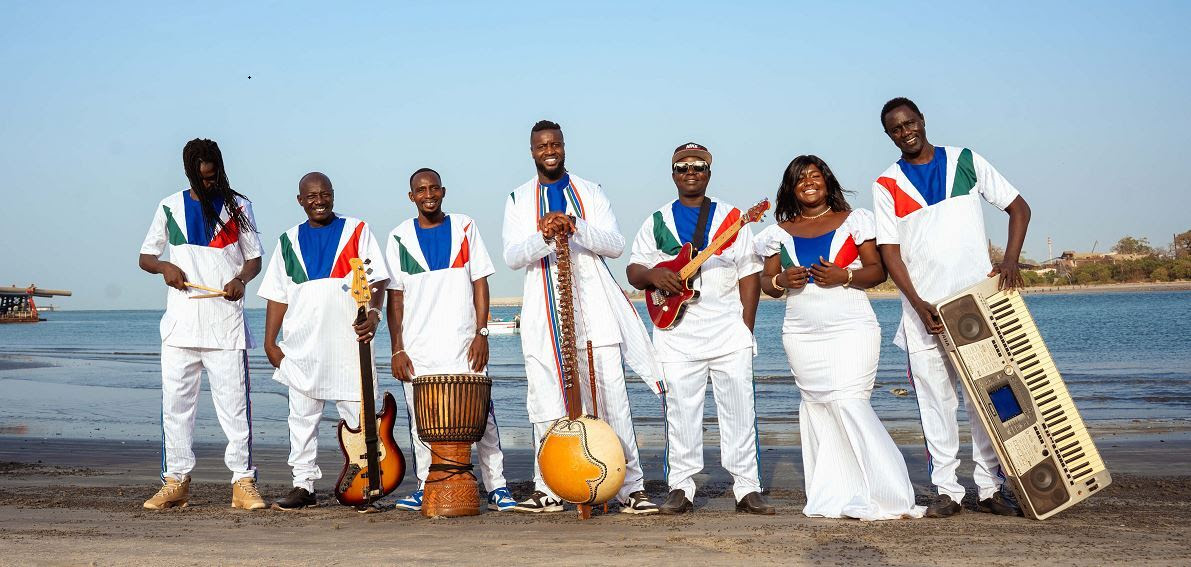
The kora, a mesmerising 21-string harp-lute, is at the heart of West African musical tradition. With its intricate melodies and rhythmic depth, it tells stories of history, culture, and identity. 

Seckou Keita playing the Kora. Photo: Leighanne Evelyn

To explore its rich heritage, the skill behind its delicate sound, and what it means to be a kora player in the modern world, Music In Africa sat down with Seckou Keita, one of the world’s greatest kora virtuosos.

Born in Ziguinchorin in the Casamance region of Senegal, Seckou Keita is a descendant of the Keïta royal lineage of Mali and the Cissokho griots – West African praise singers. Raised in his mother’s family, the Cissokhos, he was introduced to percussion, singing, and the kora at the age of seven by his uncle, Solo Cissokho.

His international career began in 1996 when he performed at the Førde Traditional and World Music Festival in Norway alongside Cuban and Scandinavian musicians. This led to a collaboration with Indian violinist L. Subramaniam, culminating in a tour of India the following year.

Since moving to the UK in 1999, Seckou Keita has established himself as a leading figure in kora music. He first gained prominence performing with the Afro-Celtic group Baka Beyond and played a key role in establishing the UK’s first kora examination course at the School of Oriental and African Studies in London.

In July 2023, he was awarded an Honorary Doctorate of Music from Nottingham Trent University in the UK. Among his many accolades are three Songlines Music Awards and several BBC Radio 2 Folk Awards, including Musician of the Year.

In his words, discover how this ancestral instrument embodies the musical memory and soul of West Africa.

MUSIC IN AFRICA: You are recognised as one of today’s greatest kora virtuosos. Could you start by telling us what the kora means to you?

SECKOU KEITA: The kora is much more than just an instrument – it’s my heritage. It carries the history and values of my people, the Mandinka. Each string resonates with epic tales, the wisdom of elders, and the knowledge passed down through generations. When I play, I feel like a messenger between the past and the present.

Let’s discuss the history of the kora. We know it is an iconic instrument of West Africa, but where exactly does it originate?

Its origins date back several centuries, mainly to the Mandinka Empire, which spanned Mali, Guinea, Senegal, and The Gambia. The elders say that the first kora belonged to a female djéli (griot), which is quite unique, as the instrument is traditionally played by men. Originally, the kora had fewer strings, but over time, it evolved into the 21-string instrument we know today.

Let’s talk about the technical aspects. What makes the kora different from other string instruments?

The kora is fascinating both in its construction and in the way it is played. It is made from a halved calabash, covered with cowhide, with a wooden neck running through it. The strings, once made of gut but now commonly nylon, are arranged in two parallel rows, giving it a unique polyphonic sound. Playing the kora is like playing both the harp and the guitar at the same time. It has a crystalline tone that can be both melancholic and joyful.

The kora is now being used in a wide range of musical styles. How do you see it evolving in modern music?

It’s essential for me that the kora continues to evolve. I have integrated it into collaborations with musicians worldwide, from jazz to electronic music. This allows it to exist beyond its traditional context and reach new audiences. However, I always tell younger generations: innovate, but don’t lose your soul. Innovation must respect tradition.

Another crucial topic is transmission. Many young people are interested in learning the kora, but how can we ensure this art form is preserved?

Passing on the art of the kora is central to my mission. Traditionally, only griot families could learn the instrument. Today, I teach students from all over the world, particularly in Europe and Africa. Music schools are also beginning to include the kora in their programmes. But beyond technique, we must pass on its essence: patience, listening, and respect for tradition.

Finally, what message would you like to share with the new generation of artists who want to play the kora?

Playing the kora means embracing a history and bringing it to life. I always tell young people: respect the instrument, understand its past, but also dare to explore. The kora must continue to resonate in the modern world without losing its soul. That is how it will remain eternal.

Please log in to post a comment.

Most popular

Disclaimer: Music In Africa provides a platform for musicians and contributors to embed music and videos solely for promotional purposes. If any track or video embedded on this platform violates any copyrights please inform us immediately and we will take it down. Please read our Terms of Use for more.

newsletter banner

Subscribe to our monthly Newsletter

Follow us on social media