











































NEFCISA
NEFCISA

The Music In Africa Foundation (MIAF) is proud of its partnership with the Industrial Development Corporation (IDC) as a Strategic Implementing Partner (SIP) for its Social Employment Fund (SEF). Through this collaboration, MIAF is running a national programme that is creating jobs, addressing skills gaps, and strengthening South Africa's creative industries — in line with the SEF's overarching goal to generate work for the common good and build community value through employment, social contribution, and inclusive economic participation. Operating under the banner NEFCISA (National Employment Facility for Creative Industries in South Africa), the initiative is recruiting and training participants, matching them with host organisations, and has already placed 1 500 workers across the country — surpassing its original target of 1 000. NEFCISA is delivered through a network of 20 host organisations spanning five provinces, who are actively hosting participants and contributing to work for the common good across South Africa's creative and cultural industries. Key Objectives: Support employment and entrepreneurship in the creative industries. Offer skills development and training programmes. Foster partnerships between public and private creative sectors. Promote South African creativity at both provincial and national levels Foster community development through social contribution.

ACCES
ACCES

ACCES Conference and Showcase Festival is Africa's leading music industry gathering, bringing together the people shaping the future of the continent's music business. Artists, entrepreneurs, executives, investors, policymakers and cultural leaders from across Africa and around the world come to ACCES to build partnerships, exchange ideas, discover talent and create new business opportunities. Since its launch in 2017, ACCES has become the continent's premier platform for professional exchange and music market development. Combining a high-level conference with a curated showcase festival, networking, exhibitions and industry programmes, ACCES offers a unique space where creativity meets business and where African music connects with the global industry.

Gender@Work
Gender@Work

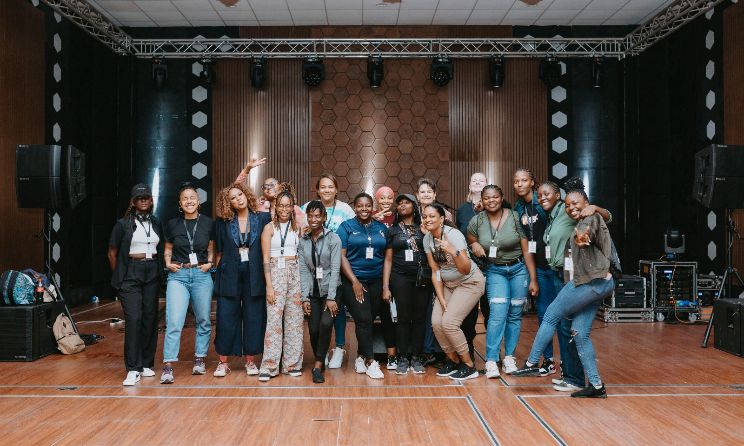
Music In Africa Gender @ Work is a three-year training programme aimed at upskilling and increasing the participation of female professionals in the African music sector. Launched by the Music In Africa Foundation (MIAF) in April 2019, the programme is connected to the MIAF’s ACCES music conference – a pan-African event held in a different African country every year. This connection enables the programme to reach new participants in a different African country every year. The programme marks the beginning of a more concerted effort by the Foundation to support the participation and inclusion of women in all facets of its programmes and the music sector in Africa as a whole. Over the three years, the programme will aim to address gender imbalances in the sector through training, lobbying, facilitating knowledge exchange and dialogues that foster the interest of women. The broader objectives of the programme are to: Provide industry training for women on critical music industry skills, focusing on: Stage management Electronic music production and recording Music business management Technical knowledge Provide an opportunity for both professional and aspiring women to benefit from the Music In Africa network and its broad range of activities in 2019, 2020 and 2021. Provide a solution-based platform in the form of a round table at ACCES with a view to identify challenges, discuss opportunities and lobby for the interests of female practitioners. Offer participants the opportunity to benefit from programmes offered by MIAF’s partners. Increase access to educational materials. Integrate participants in the broader ACCES programme to maximise experience and exposure to the industry. Record and present training materials on the www.musicinafrica.net, including but not limited to tutorials, templates and other best-practice materials. Communicate women-based themes that support the initiatives and messages of the programme. MAIN TRAINING ACTIVITIES Training in first country (Ghana): In the first year, participants will be trained on all aspects of stage management by a team of experienced stage managers from 10 to 17 November 2019. The programme will offer robust classroom training as well as practical, hands-on training in which participants will also be given the opportunity to manage various aspects of the ACCES performance programme. Training in second country: The second training iteration will take place at ACCES 2020 when the programme will diversify its course to include music production lessons and training on other music business topics. A round-table platform will also be introduced to coincide with the ACCES programme. Training in third country: The third training iteration will take place at ACCES 2021 in a different country, offering an advanced course. HOW DO YOU GET INVOLVED?  As a participant, facilitator or trainer: The programme enrolls up to 12 trainees every year. All opportunities are advertised publicly on this website, and will be added to this page. Please keep checking this page for new calls (below under UPDATES & CURRENT OPPORTUNITIES). As a partner Please contact Claire Metais at [email protected]. APPLY The call for applications for 2020 will be announced soon. The Music In Africa Gender @ Work programme is made possible with the support of the Prince Claus Fund, Siemens Stiftung and Goethe-Institut.

Sound Connects Fund
Sound Connects Fund

For cultural and creative practitioners and organisations operating in southern Africa, access to funding remains a major challenge. The COVID-19 pandemic has also had a massive impact on government policy, spending and the economy in general, and has seen spending on culture being moved further down the list of priorities. Further, the cultural and creative industries repeatedly cite four main areas where investment is needed for growth, which are increased visibility, mobility including access to new markets, finance and support structures.

Instrument Building And Repair Project

Experience the Vibrations African Instruments Exhibition online in 3D

How to - Music Biz

Sheer Music boss on how to survive digitisation – part 1

08 Nov 2017 - 11:34

cc-img flag-img

The digitisation of music has ushered immense changes to the African music scene due to emerging technological advancements that have shifted every aspect of the industry, from the way music is recorded to the manner in which albums are distributed and marketed. This has triggered many challenges in the industry such as piracy and declining revenue streams.
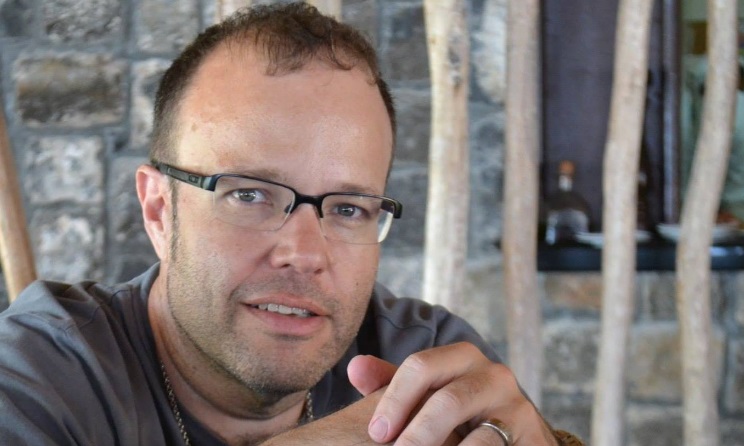
David Alexander says much has changed since he founded Sheer Publishing in 1996.

It is against this backdrop that music can now be easily accessed through downloads and streaming. In addition, technology is also enabling artists not only to record their music but to directly reach out to the consumer.

Music In Africa spoke to David Alexander, managing director of Sheer Publishing – one of the largest independent music publishing companies in South Africa by market share – to get a sense of where the music industry stands and which direction it is taking amid digitisation.

Alexander, who joined the music industry at a time when publishing was dominated by the five multinational record labels – Warner, EMI, BMG, Sony and Universal – said much had changed since he founded Sheer Publishing in 1996.

“Changes from cassette to CD then to DVD and now digital has seen the sales market disappear,” he said. “For instance, we’ve come from selling 10 songs on an album to selling one song on a download and then to a single stream which has taken a lot of value out of the industry for both writers and publishers. We as publishers used to make a large percentage of our income from mechanical royalties, which came from CD sales. This has now been put under a lot of pressure by platforms such as Apple Music, Spotify, Tidal and other music streaming or download sites.”

Physical vs online sales

Since the digitisation of music, subscription streaming services have significantly aided the music industry in terms of publicity. Physical sales are still prevalent in Africa but most CD or cassette albums are used as promotional material to get people to attend live events.

“More recently we are seeing a trend in streaming that has further devalued the sale to the public. Now you’ve gone from buying a CD album for R150 ($10) to R10 a song download to a fraction of a cent stream. How do we compete in this industry?” Alexander said.

“But what has improved over time is the money that comes from public performances. Radio stations are also a good business because we get to cut into a certain percentage of that income via collective societies like SAMRO [the South African Music Rights Organisation]. Composers and publishers have thrived, though record labels are struggling to find an alternative to replace the traditional sales model.”

Alexander said Sheer Publishing had invested in a production service and a stock music library called Skhumba Music to expand the company’s portfolio of services. “We have invested in Skhumba Music and various composers whose businesses we help manage. This has helped us to continue to be relevant while the broadcast environment changes.”

“The administration that backs the three different businesses is solid and focused on providing a solution to each of those separate businesses. I’m grateful that 21 years later we are still functioning and have some of the most awesome songwriter and publisher clients.”

Read part 2 here.

Please log in to post a comment.

Most popular

Disclaimer: Music In Africa provides a platform for musicians and contributors to embed music and videos solely for promotional purposes. If any track or video embedded on this platform violates any copyrights please inform us immediately and we will take it down. Please read our Terms of Use for more.

newsletter banner

Subscribe to our monthly Newsletter

Follow us on social media