


















































Showbiz Conference in Accra dissects state of industry

16 Aug 2022 - 07:34


A fast-changing, hyper-competitive global music space is necessitating frantic revision of existing business models, with forums providing a key convergence point for various stakeholders in the value chain.
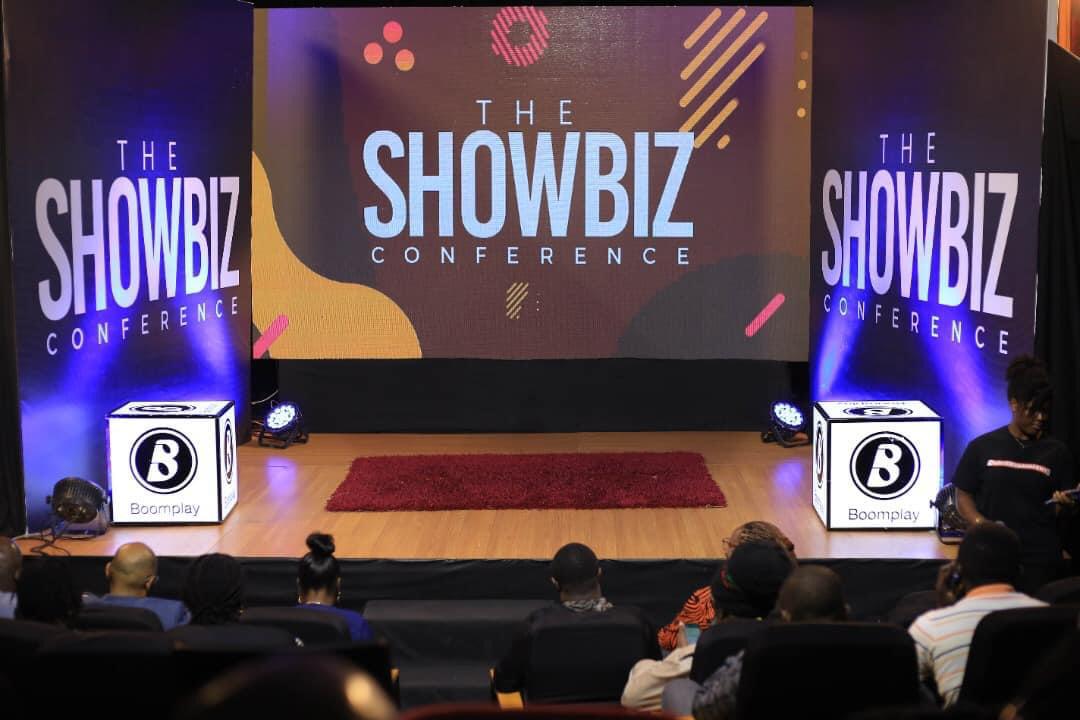
The maiden Showbiz Conference in Accra, Ghana, seeks to add to a growing list of gatherings on the continent aimed at appraising the industry while brainstorming solutions geared toward better harnessing opportunities in the sector which contribute millions to the country’s economy.
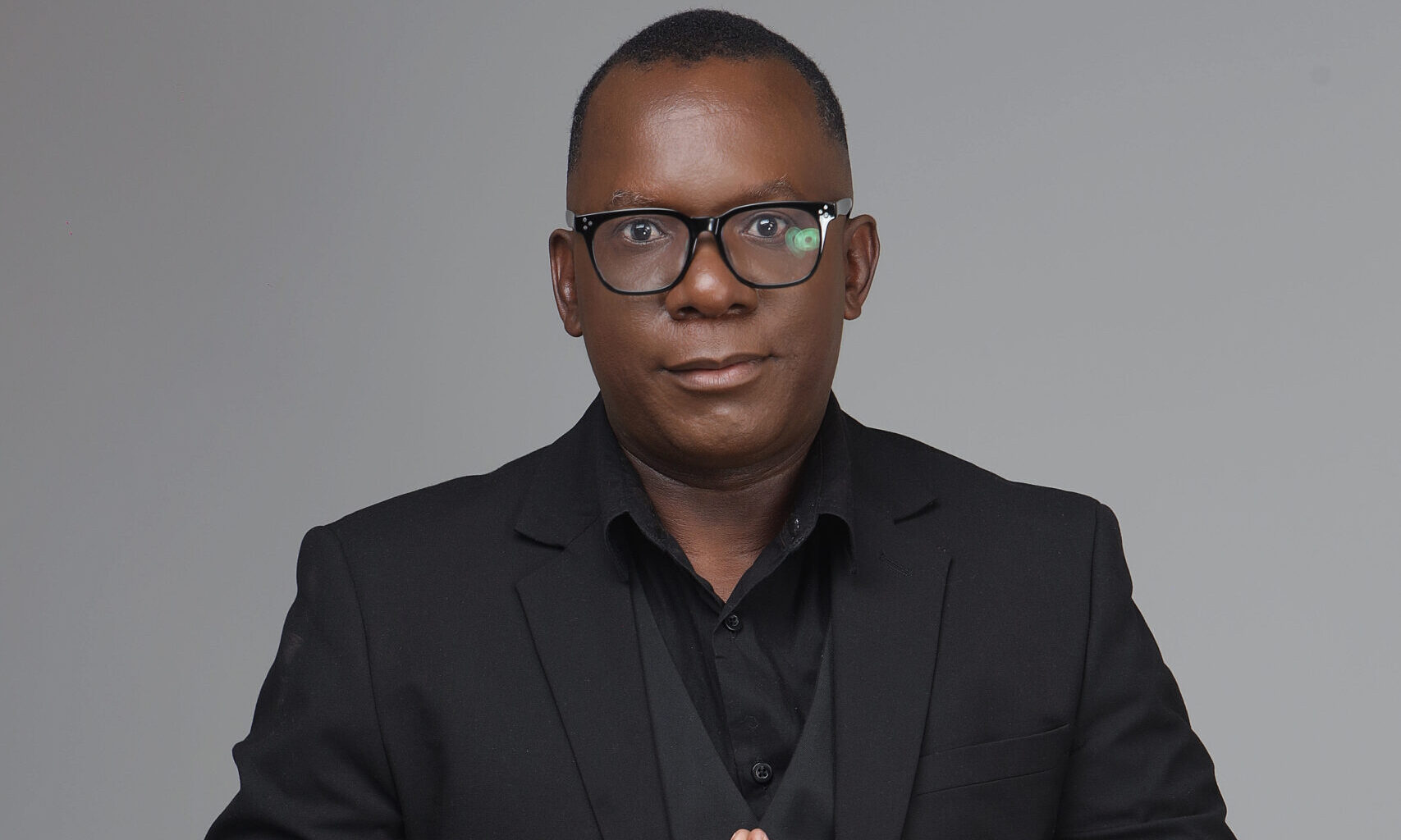
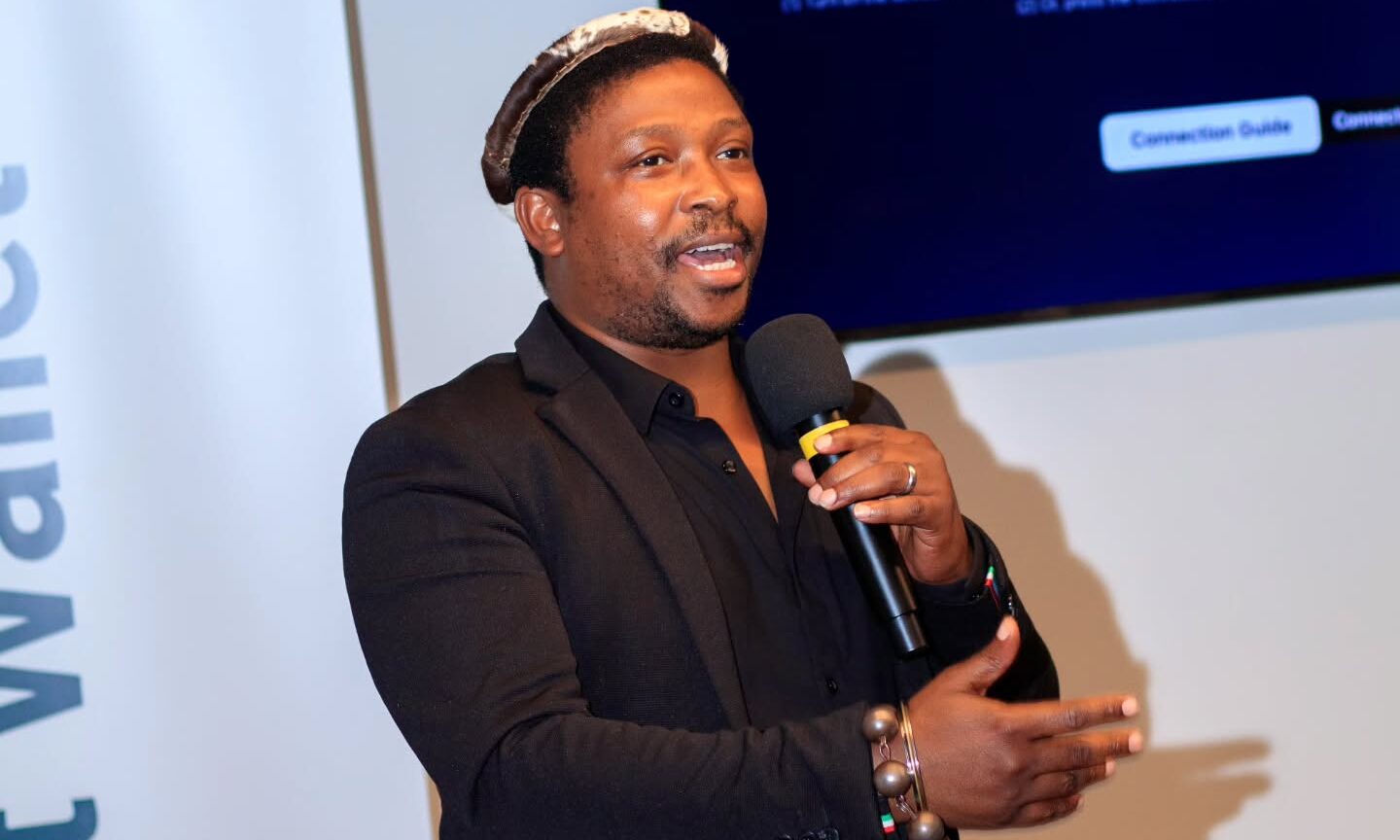
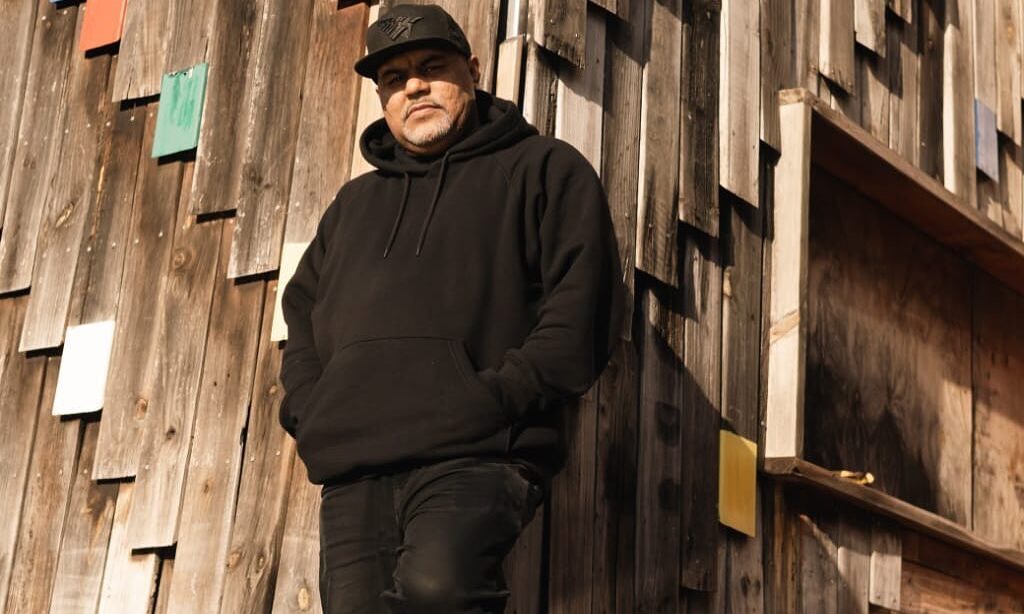
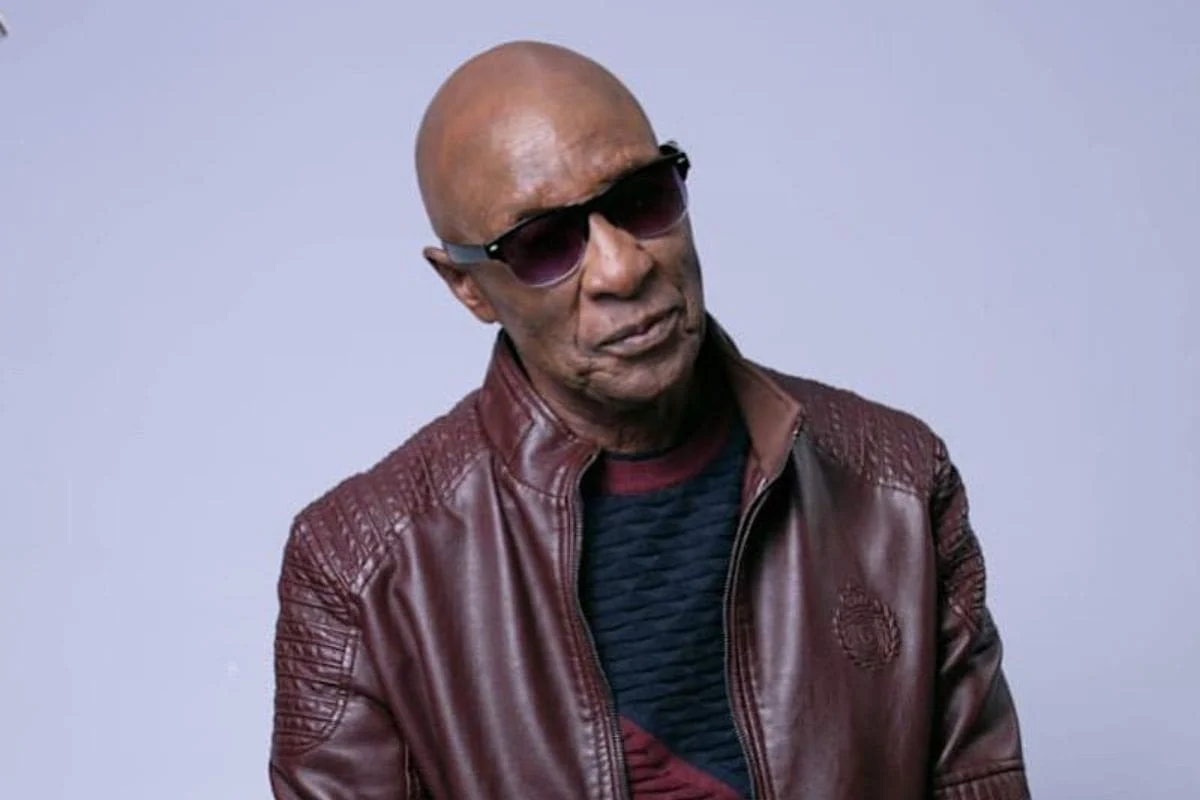
A partnership between 3 Entertainment and Boomplay Ghana, the two-part event, held Last Thursday, tackled the streaming industry and how emerging artists can take better advantage of the digital tools. The first session involved a presentation by Boomplay Ghana’s public relations manager Paul Azumah Ayitey, on music consumption, streaming and marketing, with the second session comprising a panel discussion between industry experts Lyza Ntiamoah-Quarshie (Boomplay Ghana), Ruddy Kwakye (Muse Media Network/AfroNation Ghana), Richie Mensah (Lynx Entertainment) and Victor Bannerman-Chedid (digital transformation expert) on the state of the Ghanaian music industry.
In his submission, Ayitey delved into streaming and marketing, tracing the various phases of music consumption. He also touched on evolving listening habits and their impact on the music business, pointing out that the West almost always leads the digitisation drive, with Africa playing catch-up. Citing a 2022 IFPI report, which pins 65% of global revenues to music streaming, he emphasised the need to “put in place structures that are going to facilitate the same in Africa.”
On music marketing, Ayitey said: “The landscape has changed so much that everything is now connected with the streaming platform. If you want to go about music marketing, you need to understand how platforms really work. The job is on everyone within the ecosystem. Artists must learn about music. The media must have educational programmes, and music groups like GHAMRO and MUSIGA must organise seminars for people to listen and learn.
“The reason this is important is that there is a boom coming and if we do not have the right structures in terms of good internet infrastructure and do not have a good percentage when it comes to mobile penetration, then people can't actually stream.
“Also, we may need government support because the government will need to put the investment in to ensure the internet is affordable and streaming becomes the norm.”
During the panel discussion, the speakers stressed the value of entertainment as an economic venture, lauding the organisers for the initiative and its role in filling the knowledge gap.
“Ghana is behind when it comes to information and knowing how the industry works,” Mensah said. “When you think about the entertainment industry, people always think about the fun, artists and actors. They forget there’s a real business side to it that makes everything happen. You don’t have the global artists making millions and turning that into billions because they created a song. You have that because the business people made sure that the song made millions.”
On the link between the digital landscape and arts and entertainment, Bannerman-Chedid reiterated the importance of the internet as a driving force behind systems that connect people everywhere. He said that while West Africa may already be playing “a losing game” due to a lack of internet infrastructure, we must ensure that “nothing holds us back.”
He called on the government to reconsider exorbitant telecom licence fees which prevent companies from entering the space. “Telcos run huge operations that need a lot of maintenance and physical infrastructure,” he said.
“The reality is Boomplay exists today because they use cheaper handsets which still have pretty good quality to push a pretty solid product. I remember the earlier iterations or some of the things they were pushing on there which were nothing to write home about. But the team has literally grown its capability in terms of delivering services.”
On adapting to a highly dynamic digital landscape, Kwakye said Ghana is “doing pretty decent”, citing the growing number of digital ticketing platforms and DSPs like Boomplay, which boasts an extensive music catalogue and whose methods invariably marked a decline in music piracy and offered income stream for artists.
Discussing her observations of digital streaming during and post-COVID, Ntiamoh-Quarshie explained that the pandemic created heightened competition, with video content leading to a decline in streaming habits on Boomplay. Additionally, artists were not releasing music as regularly as before and had to devise new marketing and music promotion strategies such as Twitter Spaces and short videos.
“Everybody pretty much became an influencer, so they were just concentrating on other things to keep them going. We also noticed that people started to listen to classics as well as news items. People wanted to know how many people were contracting COVID and nobody was really concentrating very much on music. However, as the world is getting back to normal, the numbers are growing day by day. Still, people have adapted short videos, and I see that this has also affected how music is being consumed.”
On maintaining relevance over the past 15 years as a music label, Mensah said: “So many people have asked us what our strategy is, what keeps us at the top. They think there is a template, but there isn’t a template. One thing that helps us is that we’re always changing. The industry keeps changing, and sometimes, you even need to lead the change. We needed to re-invent. Every industry leader is constantly adapting.”
There was a consensus on the panel that creatives must have a proper sense of business right from the onset of their careers and surround themselves with people adept with industry skills. “Understanding how that business works and how it pays you is key,” Bannerman-Chedid said, noting that tools like YouTube and Coursera have brought troves of knowledge to one’s fingertips, ensuring that there are no limits to how much a person can learn.
“The artist’s job is two things. 70% of that is to hone your craft to make sure the show part is perfect,” Mensah said. “As an artist, you need to understand enough to be able to employ or join a team that understands even more than you to be able to push. I took a step back from active music because I realised I had to be the person who knew more than the artist. And I couldn’t do that as an artist, so I had to get knowledgeable.
“If you don’t have the knowledge it means you’ve not tried hard to get it.”
“There are multi-billion dollar companies that drive entertainment built on the back of talents,” Kwakye said. “As a talent, your ability to perform is like a knock on the door. When you come in, that’s when the business starts. So it’s imperative to understand that the ecosystem makes somebody money…Your product is your artistry. That thing needs to pass through a system.”


Most popular
Call for applications: ACCES 2026 Emerging Artist Spotlight Competition
01 Oct 2026

Top amapiano songs of 2026
16 Feb 2026

Top Naija songs of 2026
31 Mar 2026

Top Afrobeats songs of 2026
19 Mar 2026
Open call: 2026 Gender@Work music industry training in Johannesburg
03 Oct 2026
AFRIMA 2026: All the winners
12 Jan 2026
Disclaimer: Music In Africa provides a platform for musicians and contributors to embed music and videos solely for promotional purposes. If any track or video embedded on this platform violates any copyrights please inform us immediately and we will take it down. Please read our Terms of Use for more.

Subscribe to our monthly Newsletter
Follow us on social media


Please log in to post a comment.