


























































South Africa: Amapiano, the dance soundtrack to COVID-19

15 Feb 2021 - 01:55


It’s been a terrible year for South Africa’s cultural and creative industry, the continent’s largest]. The first-wave lockdown in the country’s autumn season, then the second, which prevented end-of-year parties and planned concerts, and negatively impacted musicians' livelihoods across the country.

According to a study commissioned by the South African Cultural Observatory public body, nearly half of South Africa’s live music workers may be forced to quit their jobs because of the shutdown in the industry. Despite the bleak prospects for Africa’s largest economy, there are still grounds for hope: South Africans are dancing like never before.
While Master KG’s hit ‘Jerusalema’ and its dance challenges became the world’s weapon against depression for many last year, amapiano and its equally viral dance steps, including the pouncing cat, shi shi and the Kamo Mphela moonwalk, is on the brink of penetrating the international stage.
There’s no mistaking the signs. After partnering with Nigerian labels such as Chocolate City, which was evidence of the rise of Afrobeats, major music labels have returned to the continent and are eyeing the latest avatar of southern music. For instance, Sony Music Entertainment Africa last year signed Sumsounds, a label owned by DJ Sumbody, one of the early adopters of amapiano. The genre sprung up in the early 2010s from the townships of Katlehong, Soweto and Alexandra all located in Johannesburg, and Mamelodi, Atteridgeville and Soshunguve, all in Pretoria – the country’s capital city.
Through the sounds of Africa that still resonate with Frenchman Ludovic Navarre, better known as Saint Germain, the musician will release an amapiano version of ‘So Flute’ off his album The Tourist, which was released twenty years ago as a reissue. Meanwhile, Nigerian musicians Wizkid and Burna Boy, who have both become Afrobeats icons, feature on the amapiano hit Sponono, given a new twist below by French dancer Wizlex.
The song was produced by Kabza De Small, one of the DJs who first popularised the sound. The musician is the self-proclaimed king of amapiano and was among the most listened to artists on South African music streaming platforms last year. The 28-year-old Mpumalanga native has also struck gold with Scorpion Kings, alongside his 33-year-old frequent collaborator, DJ Maphorisa, who hails from Pretoria.
Like Midas, the two prolific musicians, whose joint album was nominated in the Song of the Year category at the 2020 South African Music Awards, turn their music into gold, while supporting a new generation of DJs such as the brilliant 19-year-old Vigro Deep.
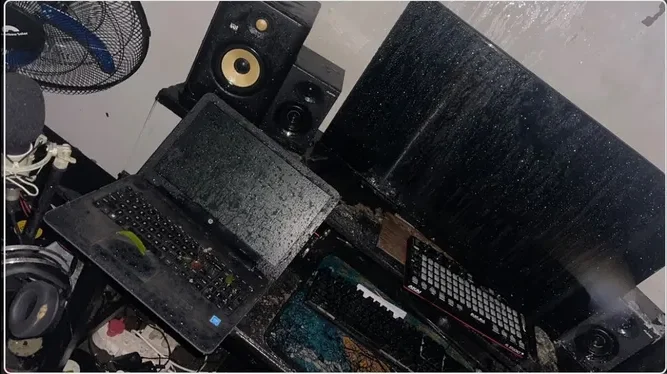
Irony of the story: In late 2019, it was during a festival sponsored by the beer brand Corona that the Scorpion Kings performed at home, bringing the curtain down on a year of success, which sometimes saw them playing at 15 gigs in a weekend. The COVID-19 pandemic has since tarnished Corona’s image, yet the lockdown and social distancing restrictions enforced by President Cyril Ramaphosa have strengthened amapiano’s compelling aura. Typically composed in bedroom studios and producers’ dens, Yanos’, as it is affectionately referred to, mixes are often promoted by masked DJs urging their listeners to stay safe. They have served as both a welcome musical comfort and escape for a generation trapped indoors. One of the most popular online studios is that of Oscar Bonginkosi Mdlongwa, better known as Oskido, former member of the Brothers of Peace band and considered one of the godfathers of kwaito, as well as co-founder of Kalawa JazzMee Records.
From kwaito to amapiano: its basslines and darting keyboard jumps are a direct descendent of kwaito. Not forgetting its gospel mum and dad: The church and club culture. Two standard references for amapiano DJs. In the late 90s, kwaito, with its infrabass, heavy and imposing beats turning on average at 112 BPM alongside pantsula dance steps, appeared ripe enough to make its mark on the international stage. Sadly, it failed.
Meanwhile, Gauteng’s Afro-house, Limpopo’s shangaan electro and Durban’s gqom have established themselves among South Africa’s younger generation. But a bit like 90s hip hop, young people are rediscovering the kwaito of their elders and its late icons such as bad boy Mandoza to diva Lebo Mathosa and the candid Mshoza. Unlike in the 90s, the amapiano scene has been able to count on the emergence of a digital ecosystem to spread, despite the then ostracism of the main national FM radio stations. Thanks to Social media platforms like WhatsApp and TikTok, as well as messaging and file exchange sites Fakaza and DataFileHost, young amapiano artists have quickly emerged from townships, with taxi ranks, shopping malls and shebeens providing free promotion.
Now there’s something for everyone. From the frenzied-bass amapiano linked to bacardi house, a popular sound in Pretoria, to the more elegant club-style private school amapiano, which relies on the performances of singers such as BET award-winning Zimbabwe-born Sha Sha and the brilliant vocalist Samthing Soweto. With amapiano, South Africa is sending a stark reminder to the world that it has produced the most exciting dance music for more than 25 years. It could be, after providing a rhythm for the pandemic, the soundtrack for the sociable spring on the horizon globally. The anthem for the occasion is already set with the popular local hit 'Bella Ciao'… Bring your whistles!


Most popular

Top amapiano songs of 2026
16 Feb 2026

Call for applications: ACCES 2026 Emerging Artist Spotlight Competition
01 Oct 2026

Top Naija songs of 2026
31 Mar 2026

Open call: 2026 Gender@Work music industry training in Johannesburg
03 Oct 2026

Top Afrobeats songs of 2026
19 Mar 2026

AFRIMA 2026: All the winners
12 Jan 2026
Disclaimer: Music In Africa provides a platform for musicians and contributors to embed music and videos solely for promotional purposes. If any track or video embedded on this platform violates any copyrights please inform us immediately and we will take it down. Please read our Terms of Use for more.

Subscribe to our monthly Newsletter
Follow us on social media


Please log in to post a comment.