











































NEFCISA
NEFCISA

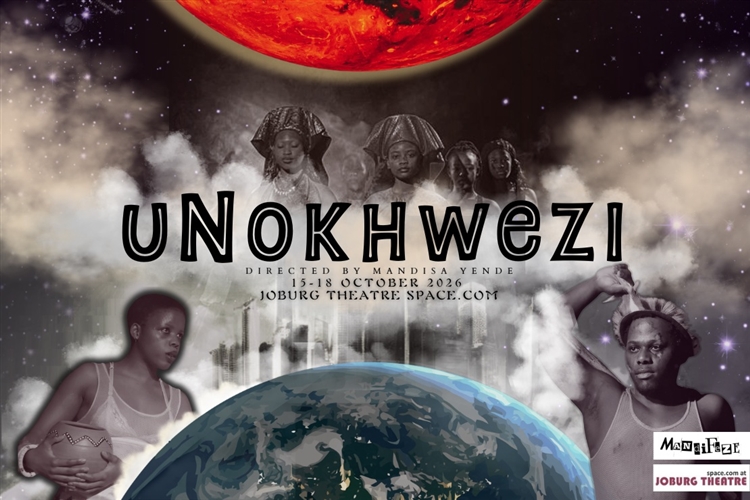
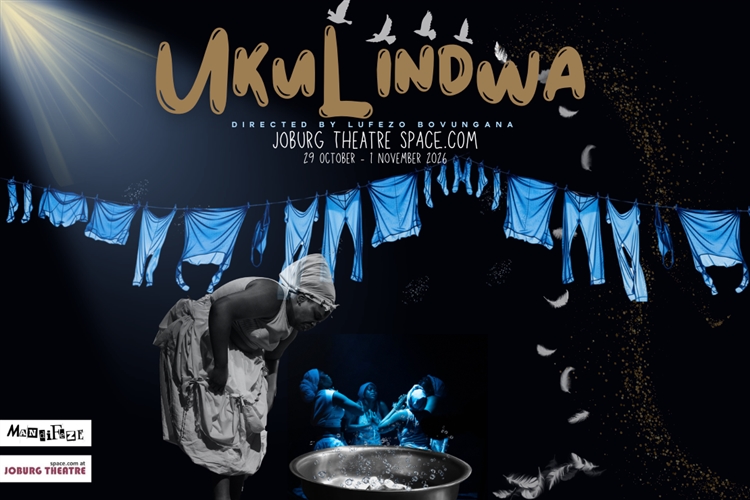
The Music In Africa Foundation (MIAF) is proud of its partnership with the Industrial Development Corporation (IDC) as a Strategic Implementing Partner (SIP) for its Social Employment Fund (SEF). Through this collaboration, MIAF is running a national programme that is creating jobs, addressing skills gaps, and strengthening South Africa's creative industries — in line with the SEF's overarching goal to generate work for the common good and build community value through employment, social contribution, and inclusive economic participation. Operating under the banner NEFCISA (National Employment Facility for Creative Industries in South Africa), the initiative is recruiting and training participants, matching them with host organisations, and has already placed 1 500 workers across the country — surpassing its original target of 1 000. NEFCISA is delivered through a network of 20 host organisations spanning five provinces, who are actively hosting participants and contributing to work for the common good across South Africa's creative and cultural industries. Key Objectives: Support employment and entrepreneurship in the creative industries. Offer skills development and training programmes. Foster partnerships between public and private creative sectors. Promote South African creativity at both provincial and national levels Foster community development through social contribution.

ACCES
ACCES

ACCES Conference and Showcase Festival is Africa's leading music industry gathering, bringing together the people shaping the future of the continent's music business. Artists, entrepreneurs, executives, investors, policymakers and cultural leaders from across Africa and around the world come to ACCES to build partnerships, exchange ideas, discover talent and create new business opportunities. Since its launch in 2017, ACCES has become the continent's premier platform for professional exchange and music market development. Combining a high-level conference with a curated showcase festival, networking, exhibitions and industry programmes, ACCES offers a unique space where creativity meets business and where African music connects with the global industry.

Gender@Work
Gender@Work

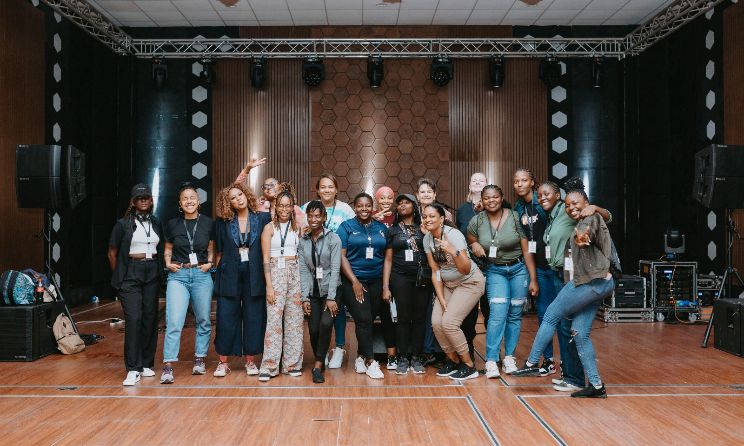
Music In Africa Gender @ Work is a three-year training programme aimed at upskilling and increasing the participation of female professionals in the African music sector. Launched by the Music In Africa Foundation (MIAF) in April 2019, the programme is connected to the MIAF’s ACCES music conference – a pan-African event held in a different African country every year. This connection enables the programme to reach new participants in a different African country every year. The programme marks the beginning of a more concerted effort by the Foundation to support the participation and inclusion of women in all facets of its programmes and the music sector in Africa as a whole. Over the three years, the programme will aim to address gender imbalances in the sector through training, lobbying, facilitating knowledge exchange and dialogues that foster the interest of women. The broader objectives of the programme are to: Provide industry training for women on critical music industry skills, focusing on: Stage management Electronic music production and recording Music business management Technical knowledge Provide an opportunity for both professional and aspiring women to benefit from the Music In Africa network and its broad range of activities in 2019, 2020 and 2021. Provide a solution-based platform in the form of a round table at ACCES with a view to identify challenges, discuss opportunities and lobby for the interests of female practitioners. Offer participants the opportunity to benefit from programmes offered by MIAF’s partners. Increase access to educational materials. Integrate participants in the broader ACCES programme to maximise experience and exposure to the industry. Record and present training materials on the www.musicinafrica.net, including but not limited to tutorials, templates and other best-practice materials. Communicate women-based themes that support the initiatives and messages of the programme. MAIN TRAINING ACTIVITIES Training in first country (Ghana): In the first year, participants will be trained on all aspects of stage management by a team of experienced stage managers from 10 to 17 November 2019. The programme will offer robust classroom training as well as practical, hands-on training in which participants will also be given the opportunity to manage various aspects of the ACCES performance programme. Training in second country: The second training iteration will take place at ACCES 2020 when the programme will diversify its course to include music production lessons and training on other music business topics. A round-table platform will also be introduced to coincide with the ACCES programme. Training in third country: The third training iteration will take place at ACCES 2021 in a different country, offering an advanced course. HOW DO YOU GET INVOLVED?  As a participant, facilitator or trainer: The programme enrolls up to 12 trainees every year. All opportunities are advertised publicly on this website, and will be added to this page. Please keep checking this page for new calls (below under UPDATES & CURRENT OPPORTUNITIES). As a partner Please contact Claire Metais at [email protected]. APPLY The call for applications for 2020 will be announced soon. The Music In Africa Gender @ Work programme is made possible with the support of the Prince Claus Fund, Siemens Stiftung and Goethe-Institut.

Sound Connects Fund
Sound Connects Fund

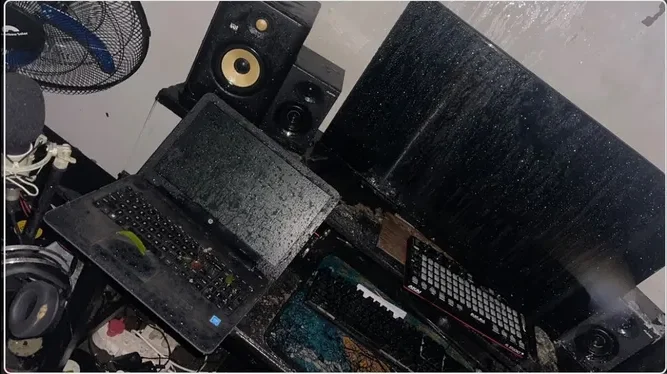
For cultural and creative practitioners and organisations operating in southern Africa, access to funding remains a major challenge. The COVID-19 pandemic has also had a massive impact on government policy, spending and the economy in general, and has seen spending on culture being moved further down the list of priorities. Further, the cultural and creative industries repeatedly cite four main areas where investment is needed for growth, which are increased visibility, mobility including access to new markets, finance and support structures.

Instrument Building And Repair Project

Experience the Vibrations African Instruments Exhibition online in 3D

Reviews

Suleiman Alao Adekunle Malaika – Special Day

06 Oct 2015 - 11:33

cc-img flag-img

Artist: Suleiman Alao Adekunle Malaika
Album: Special Day
Label & Year: Babalaje Music, 2015

Malaika

Suleiman Alao Adekunle Malaika may not be the first name that rings when contemporary fuji music is mentioned in the western part of Nigeria. Still he is not to be pushed aside. Having been in the game for almost three decades, Malaika is an early bird compared to the likes of Remi Aluko, Muri Thunder, Taju Alabi Istijabah, Wale Tekoma or even Saheed Osupa. Thus on his new album, he believes he is deserving of a dais in the household of fuji, a place to plant his travelled feet.

Suleiman Malaika whose fans also love to simply call Mala started his trade in 1985. He started playing and performing music from an early age in a Quranic school in Agege, a Lagos suburb. He paid his dues through 'Were' (the early morning Islamic wake-up music during the Ramadan season) in 1983 before forming his first fuji band in 1985.

With his band Tekoye Fuji Organisation, Mala performed in the United States of America from November 1997, playing around 15 states before returning to Nigeria in April 1998 with expensive musical equipment. Since then he has taken his trade to Germany, Belgium, Holland, Spain, Italy, France, England, China, Austria, Finland, Canada, Malaysia, Ireland, Wales, United Arab Emirates, Qatar, Egypt, Libya, South Africa, Ghana, Cote d’Ivoire, Togo, Benin Republic ensuring that fuji is known in other parts of the world.

So when he says “leave hatred and prejudice aside, I have paid my price and now fully grown in fuji music,” he refers to what the genre owes him: respect.

Special Day, the third in the 'Special' series and Malaika's 19th album overall, reels out bittersweet experiences of the years he has given to fuji. He appreciates his fans and reserves praise for himself for his steadfastness. “Omo eni koni sedi bebeere ka lo fi ileke si idi omo elemiran,” he sings, meaning, "It is high time we gave praises to whom it is due in this game.” Malaika tells of his foray into fuji music. It presents his challenges and explains why he should be seen as a great in this very rhythmical and rich genre of music. It easy to see why he thinks so. But then his contemporaries think they are deserving as well.

Regarding vocals and melody, Special Day recalls the high-note antics of the late Alhaji Ayinde Barrister, as well as the fast and catchy beats of Ayinla Kollington (his mentor). It returns to the lofty and distinguished sounds of the trumpet as introduced into the genre by Wasiu Ayinde Marshal. His tracks are laced with rich proverbs here and there and, as is typical of the genre, there are neologisms.

Fuji music never goes without singing praises of the influential in the society because the genre is greatly influenced by them. So Malaika picks Akanbi Olarenwaju Odetunde (CEO Moonshine and Larryshine Hotels), Alhaji Tao Balinga Gbenga Leo amongs many others. He sings their praise so much, the listener may be jealous.

Enjoyable melody apart, how true is the claim that Malaika has created a niche for himself in fuji? It's hard to tell. Especially as Saheed Osupa still leads the pack in terms of creative command of language. And Pasuma owns the funkiness of the genre. Mala is welcome to claim a niche but the jury is still out on his forte.

Please log in to post a comment.

Most popular

Disclaimer: Music In Africa provides a platform for musicians and contributors to embed music and videos solely for promotional purposes. If any track or video embedded on this platform violates any copyrights please inform us immediately and we will take it down. Please read our Terms of Use for more.

newsletter banner

Subscribe to our monthly Newsletter

Follow us on social media