


























































We thought you may be interested in understanding the steps that go into making a song, right from composing to the stage where it is ready to be broadcast on radio.

8 Steps to Your First Song:
From Idea to Professional Production A Guest Post by Rajiv Agarwal & Crowd Audio It’s always exciting to hit upon a song idea which can be the next big sensation. But translating that idea into a song or an album can be a daunting task, especially if music production is new for you. In this article we will demystify the process of creating songs from scratch. A song starts with either a catchy melody or a set of powerful lyrics. Then music is added to the song, the song is given a structure and then it is recorded and goes for final post production. Let us look at each of these processes in detail.
1. Tune/melody:
The basic starting point is the tune or the melody you have in your mind. To give an example of melody- think of your favorite song. Now just hum the song, without any words. That’s right- the bare humming, without any music or a word is called the melody of the song. It might sound very basic, but it is the heart of the song. The melody has to be catchy and something your listeners can connect to.
2. Lyrics:
The melody needs a good set of lyrics which can express your thoughts and ideas. You can either hire a lyricist or you can write your own. These two steps are interchangeable as well. Sometimes you might have a few lines of lyrics first and then set them to a particular melody. Either approach is fine and there is no right or wrong way.
3. Arrangement:
Adding background music to the melody and lyrics is called arrangement. This includes drums, guitars, bass, strings, percussions or even exotic didgeridoo! If your song falls under the rock, blues, Jazz or similar genre wherein you require live instruments, you need to find some good band mates or session players. (Session players are professional players who will play according to your guidelines, but are not a part of your band. You need to pay them for their services.) You need to decide what kind of music will best suit your song. Your band mates or session musician will help you compose and give a structure to your song, including lead music, beats etc. If your song falls under the electronic genre like club, ambient, drum n bass, you need to hire an arranger who will arrange and compose the entire music for your song. Generally arrangers are a one man army and they have huge sound libraries and virtual instrument collections, which they use to compose the entire music for the song.
4. Pre-production:
Once the music of the song is finalized, you need to practice with your band members till you can play the entire song, with proper feel and without making any mistakes. By now the entire structure of your song is finalized and you pay attention to the vocals, chorus and the entire feel of how the song is being played. You can do improvisations on the tempo or playing to make the song better.
5. Studio Recording:
Once you are confident that your singers and musicians are very well rehearsed, you can book a studio for the final recording. If you have programmed the entire song, you will just need to record the vocals in the studio. But if your genre is rock etc, you will have to record all the instruments (drums, bass, guitars etc.) as well as the vocals in the studio. You might have to play the song multiple times to make sure everything sounds on pitch and right on tempo.
6. Editing:
Once you have recorded the final song and are happy with the recording, the sound engineer will edit the tracks. He will meticulously go over all the recorded tracks and remove errors, mistakes and noises. He might also correct the pitch and adjusts the tempo to make the song more tight.
7. Mixing:
Now the engineer has everything he needs to mix the song. This is the most critical phase of production which will determine the sonic quality of your song. All the different tracks, including the instruments and vocals are leveled, balanced, and EQ’d so that the final song sounds crisp and punchy. Each instrument is given its own stereo space. [Editor's note: if you've decided to do everything yourself up to this point and need help with mixing, we've got a community of engineers ready to help you out.]
8. Mastering:
Mixing is not enough to bring out the true sonic quality of the song. Once the track is mixed, it has to be mastered by a mastering engineer. This is the final step in the production chain. Mastering adds the final shine to the song, making it sound, loud, clean and professional. Generally you hire another studio which specializes in mastering and has a dedicated mastering engineer. Once the song is mastered, your song is ready to be broadcasted! You can use various online marketing services, radios and record companies to market and promote your song. So go on, make some cool songs and you never know you could be the next Beatles!
All the best for your recordings!
This article was originaly published on Music Clout by By Rajiv Agarwal
Rajiv Agarwal is a music producer and audio engineer. He is the owner of the studio Audioshapers, which specializes in professional audio mixing, mastering and audio post production. Please Click here to visit his studio and check out all the services. If you need coaching or expert advice on any aspect of post-production, please feel free to email [email protected].


Most popular

Call for applications: ACCES 2026 Emerging Artist Spotlight Competition
01 Oct 2026

Top amapiano songs of 2026
16 Feb 2026

Top Naija songs of 2026
31 Mar 2026

Top Afrobeats songs of 2026
19 Mar 2026
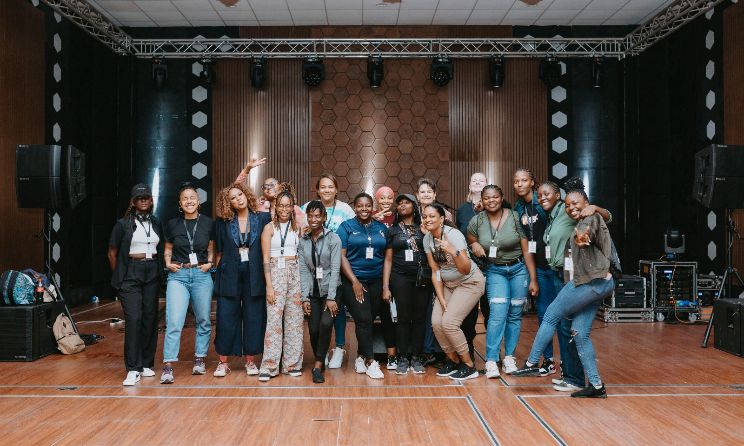
Open call: 2026 Gender@Work music industry training in Johannesburg
03 Oct 2026

AFRIMA 2026: All the winners
12 Jan 2026
Disclaimer: Music In Africa provides a platform for musicians and contributors to embed music and videos solely for promotional purposes. If any track or video embedded on this platform violates any copyrights please inform us immediately and we will take it down. Please read our Terms of Use for more.

Subscribe to our monthly Newsletter
Follow us on social media


Please log in to post a comment.