
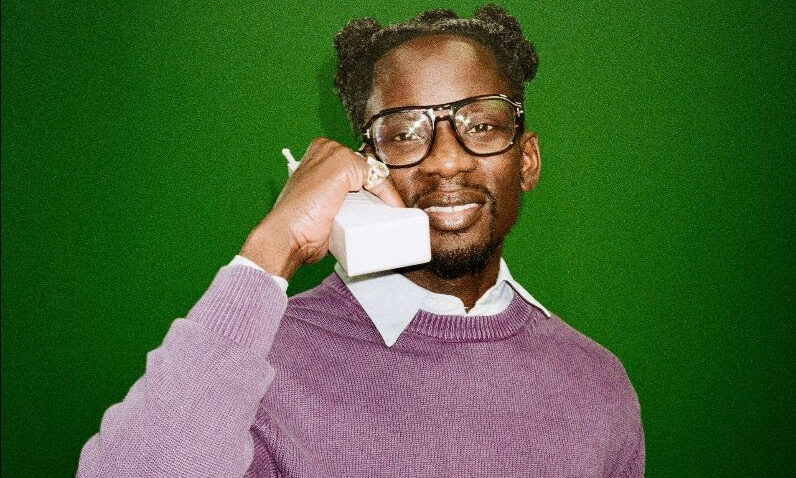
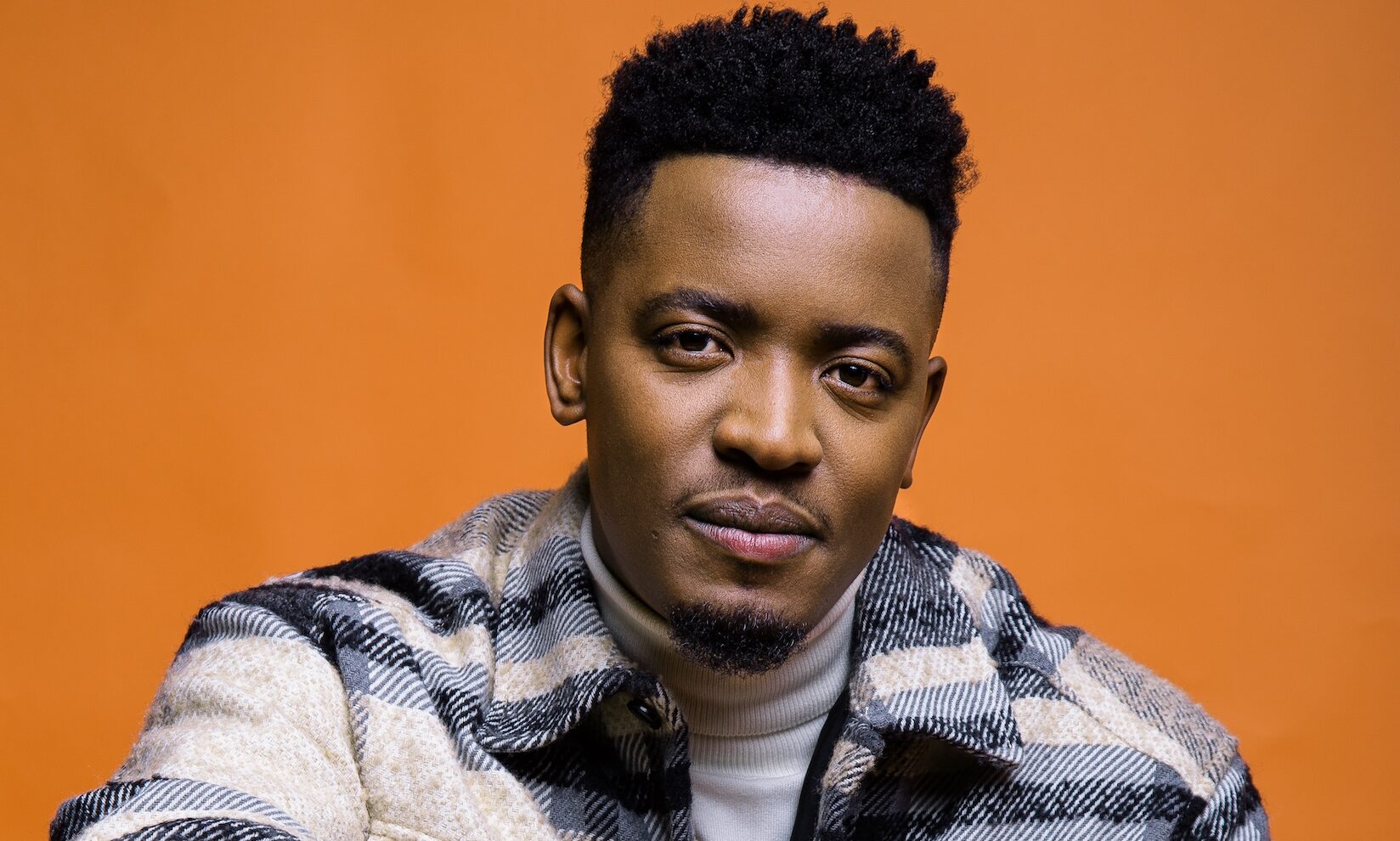
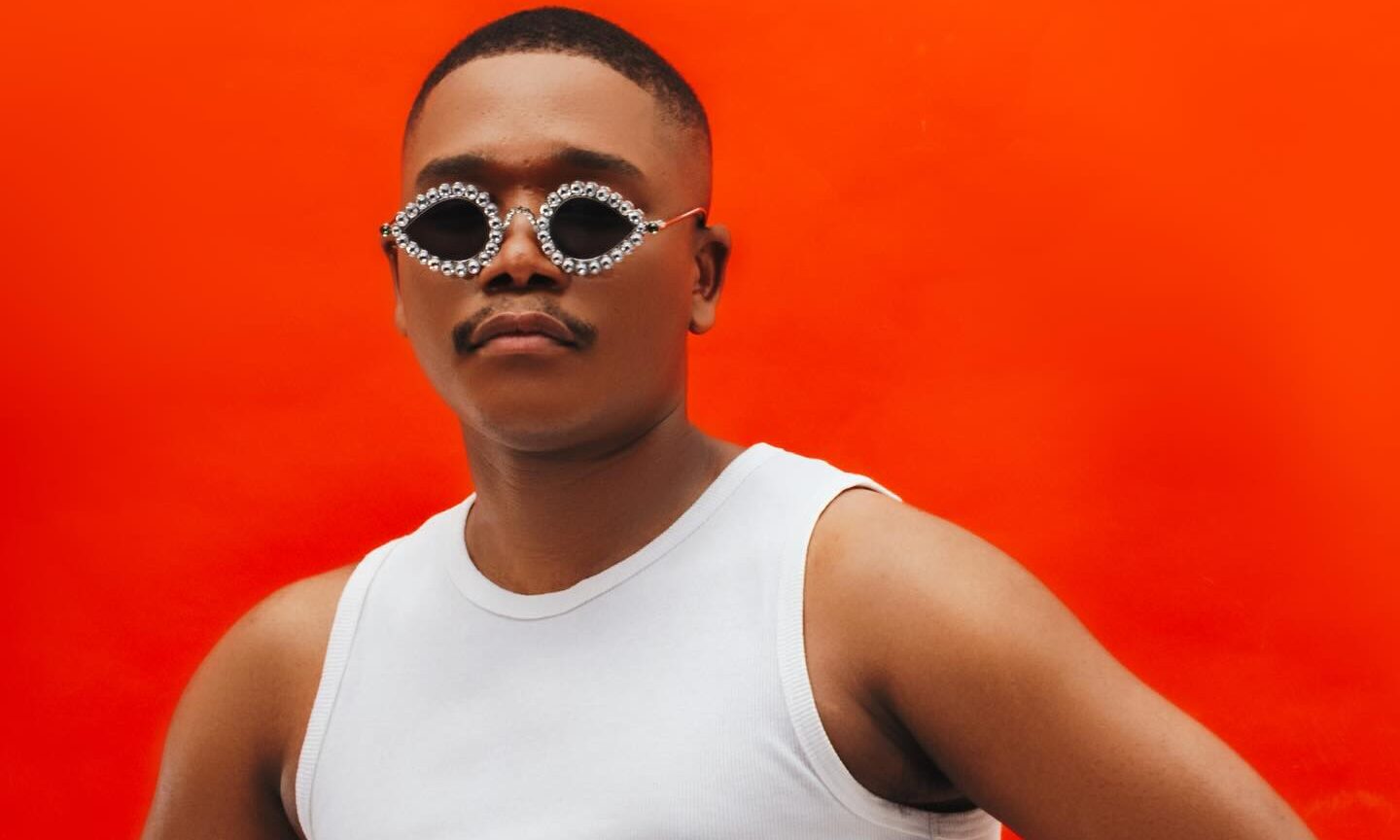
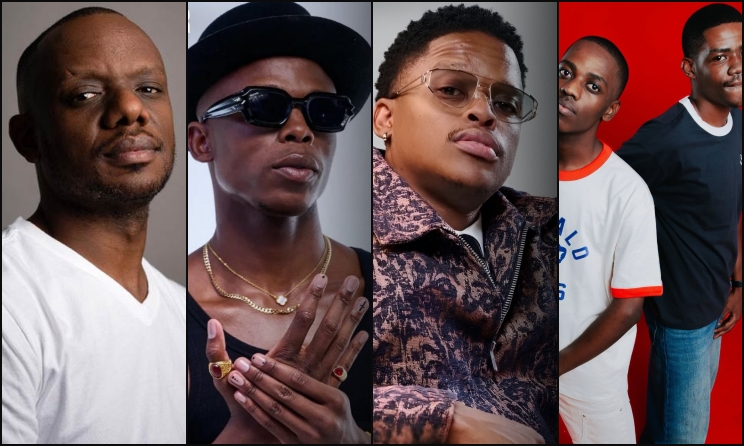











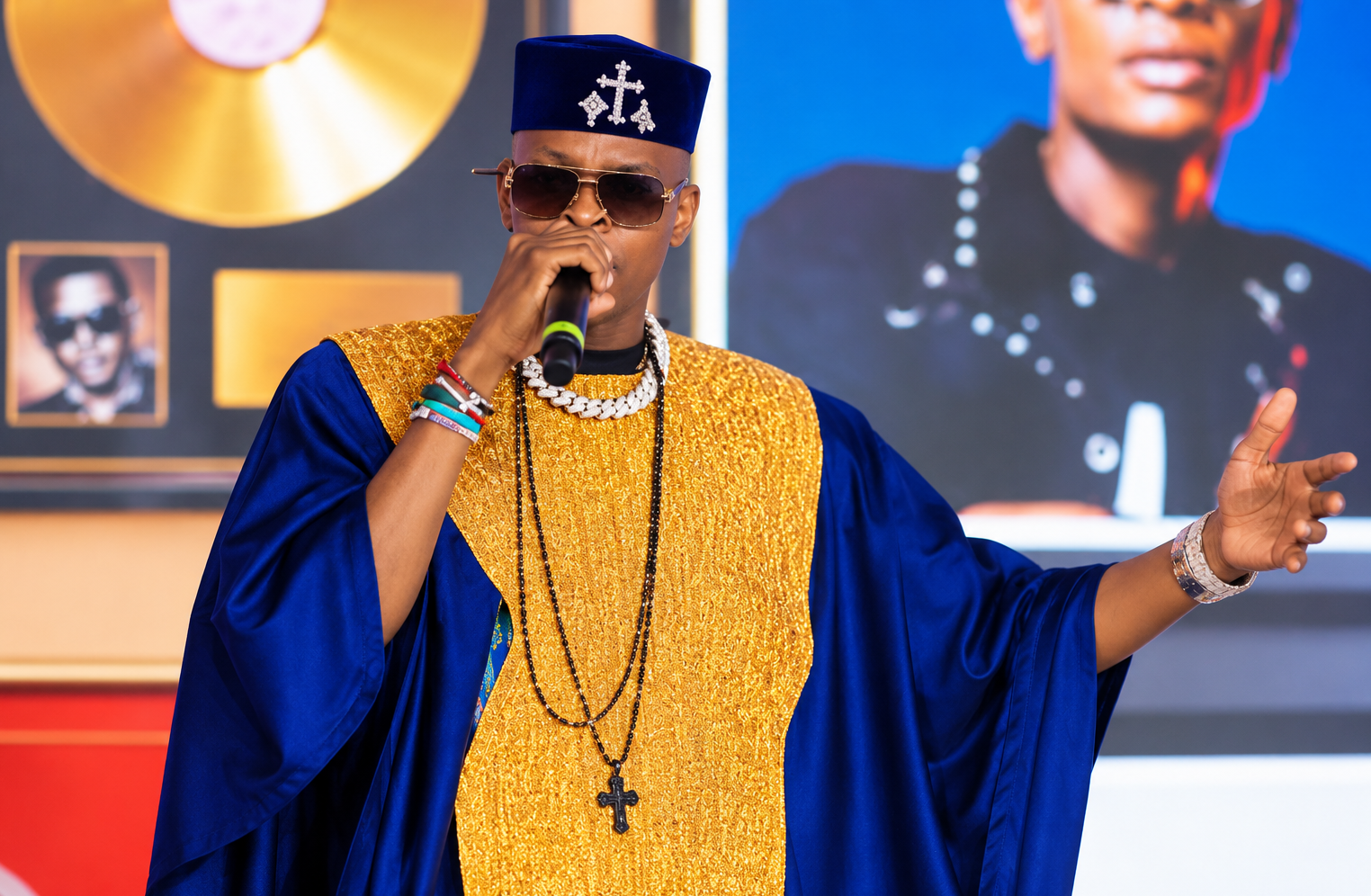
































When Nigerian singer Bloody Civilian stepped onto the Wireless Festival stage in London, the crowd’s reaction was warm but uncertain. Phones went up, a few sang along to ‘I Don’t Like You’, yet as soon as the lights dimmed, the real roar came for Wizkid. Moments like that – fleeting, charged, but fragile – reveal a quiet truth about African independence in global music.
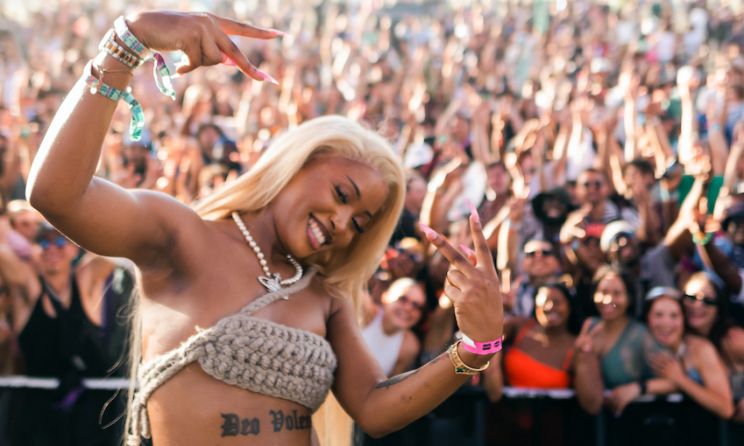
You can share the stage with a star and taste the same spotlight for a few minutes, but headlining that same stage on your own is an entirely different universe. For every artist who breaks through the algorithmic noise from Lagos, Nairobi, or Accra, the path to real-world autonomy stops where the global touring system begins.
The music travels fast; the infrastructure does not. Independence, in Africa’s music scene, often ends at the airport check-in counter. Artists such as Suté Iwar (Nigeria), Amaarae (Ghana), and eSwatini’s Uncle Waffles have built international recognition on their own terms, sometimes without major label contracts, relying instead on social media, streaming virality, and fan communities. But when it comes to live performance, scale is the enemy.
Uncle Waffles’ career is one of the few bright exceptions. In September 2023, she sold out The Great Hall at Avant Gardner in New York for her We Love Waffles show – a milestone for any African act, let alone an independent DJ. A year later, she became the first Black woman to headline the Brooklyn Mirage, a venue that has hosted everyone from Kaytranada to Major Lazer. It was a moment of cultural pride – proof that an African woman could command an international stage with nothing but charisma, amapiano, and hard work. Yet even that victory required partnerships with Western promoters and agencies. Independence, even in its purest form, still leans on the system it resists.
Nigerian rapper ODUMODUBLVCK’s story runs parallel. In 2025, he was announced as the headliner for the Mainland Block Party Summer Edition in New York – a rare achievement for a rapper whose rise came almost entirely from Nigeria’s underground circuit. A few months earlier, he celebrated selling out a show in Canada during his North American tour, another milestone suggesting that Africa’s independent stars can translate their momentum abroad. But behind the headlines were collaborative tours with fellow acts such as fellow artist Shallipopi, sponsorship deals with brands like Native Sound System, and logistical support from teams with international reach. Independence exists, but rarely alone.
The global touring ecosystem simply isn’t built to favour independent African artists. Promoters in London or Berlin assess artists through booking agents, most of whom work at agencies such as CAA, Wasserman, or UTA – and few African independents are represented there. Touring requires layers of support: visa lawyers, backline technicians, travel agents, sound engineers, marketing teams, and insurance coverage. Without a label or a seasoned management company, these costs can exceed $50 000 before an artist even steps on stage.
For many African acts, that’s an entire year’s streaming revenue. Streaming, meanwhile, tells a misleading story. An artist might have 20 million monthly listeners on Spotify, but translating those streams into ticket sales in unfamiliar markets is another challenge. Streams show popularity; they don’t show reach. The global audience is algorithmic, dispersed, and passive – fans of a track, not necessarily followers of a person. Promoters need guarantees: ticket presales, data from previous tours, and sponsorships that cover potential losses. Independence doesn’t give them that.
There’s also the geography problem. Western “independent” artists – such as Americans Chance the Rapper or Frank Ocean – operate within nations that already have world-class touring infrastructure, easy travel routes, and access to institutional funding. African artists face longer flights, complex visa applications, limited rehearsal spaces, and unreliable freight for equipment. For every successful show, countless planned tours collapse under logistical strain. Even stars with international backing – from Rema (Nigeria) to Burna Boy (Nigeria) – have faced cancelled shows and delayed tours due to these barriers.
Then there’s the matter of optics. Many African acts are still booked as cultural flavour, slotted beneath global headliners rather than positioned as main attractions. The line-ups at Glastonbury, Coachella, and even Afro Nation often celebrate inclusion – but inclusion is not equality. When African artists headline, it’s usually at diaspora-driven events where the audience already shares cultural familiarity. True headlining, in the sense of commanding a mainstream audience without regional bias, remains rare.
What independence often looks like, then, is partial freedom – the illusion of control within a larger system still owned by others. Artists self-release music, self-fund videos, and build hype online, yet when it comes to large-scale performance, the gatekeepers remain the same: booking agents, brand sponsors, and Western media networks. Even Uncle Waffles, the most visible example of African independence in performance, relies on those same relationships to scale. But something is shifting.
A growing network of African managers, agencies, and production companies – including The Plug, MAD Solutions, NATIVE Management, and emPawa – are building their own routes into the global market. They are negotiating directly with promoters, developing tour circuits in diaspora-heavy cities, and leveraging social data to prove that African audiences exist outside their home countries. Artists such as Bloody Civilian, Suté Iwar (Nigeria), and Karun (Kenya) are beginning to test smaller headline shows across Europe and North America, experimenting with what self-sufficiency might actually look like on a global scale.
The change won’t happen through virality alone; it will come through infrastructure. Until Africa builds its own global touring economy – with trusted agencies, reliable logistics, and sustainable artist funding – independence will remain both real and performative: a statement of intent rather than a state of existence. Still, the ambition is there. The artists are evolving faster than the systems around them. And one day soon, perhaps, an independent act from Lagos or Nairobi won’t just share the stage with a global star – they will own the night, the lights, and the crowd entirely.
Esther Oluoma is an experienced writer from Nigeria. The views expressed in this article are hers and do not necessarily reflect the views of the publication.
Editing by Ano Shumba.


Most popular

Top Naija songs of 2026
31 Mar 2026

Top Afrobeats songs of 2026
19 Mar 2026
Ghana: Mr Eazi and MOLIY’s ‘Comfort’ earns Urban Music Awards nomination
21 Oct 2026

Top amapiano songs of 2026
16 Feb 2026
Open call: CANEX Music Business Lab and Songwriting Camp
15 Oct 2026
Nigeria: CANEX WKND unveils 2026 programme
21 Oct 2026
Disclaimer: Music In Africa provides a platform for musicians and contributors to embed music and videos solely for promotional purposes. If any track or video embedded on this platform violates any copyrights please inform us immediately and we will take it down. Please read our Terms of Use for more.

Subscribe to our monthly Newsletter
Follow us on social media


Please log in to post a comment.