






















































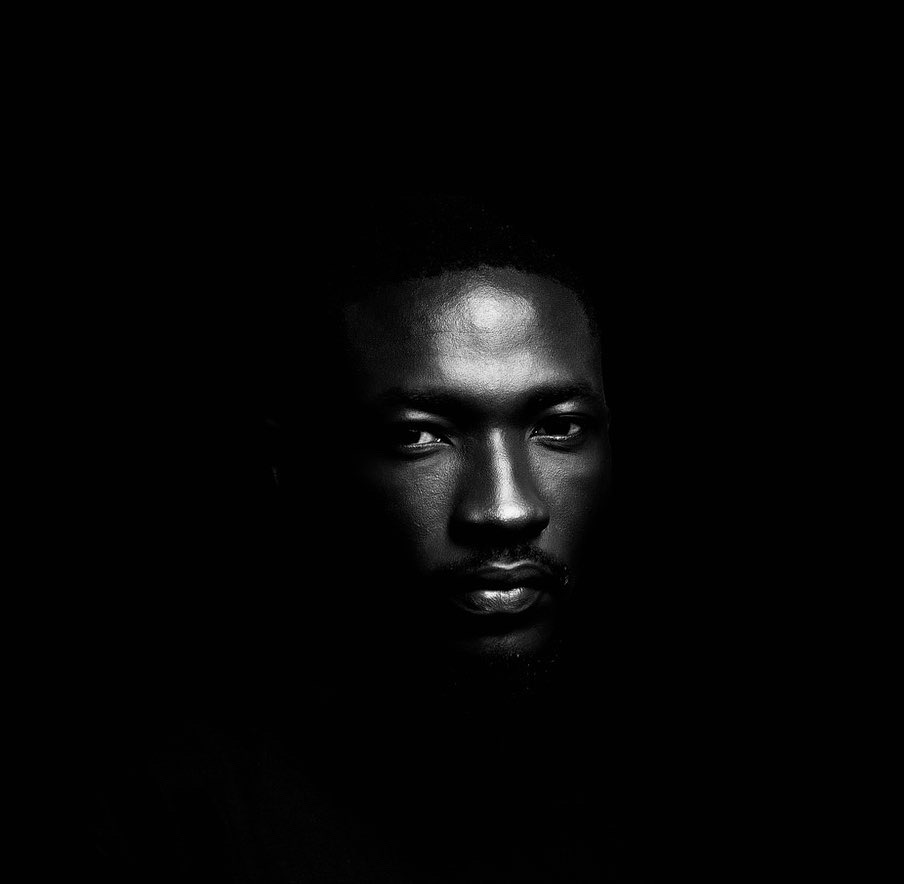


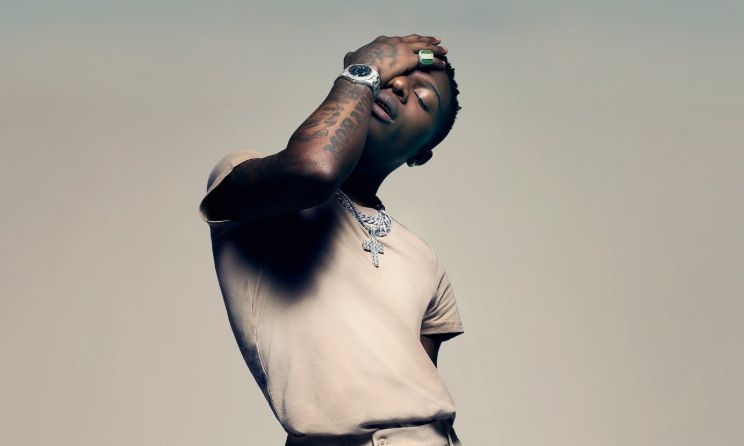
On the 14-track Made in Lagos, named after the Nigerian city that raised him, Wizkid wants no stress whatsoever. Instead, the project, which was led with the singles ‘Smile’ and, well, ‘No Stress’, listens as a joyous celebration of his journey to the summit of Afrobeats. The work, his fourth full-length, also brims with verses about his carnal fondness for the female body. Finally, it illustrates the boundless contagion and merit of the saxophone to Afrobeats and Afro-fusion.
With Nigeria’s politically charged atmosphere in recent weeks, releasing music has become a dicey enterprise. If a song seems to address anything other than the protests against police brutality, summarised under the #EndSARS hashtag, its author is instantly subjected to fierce backlash. Ask Reekado Banks.
Fortunately, his celebrity aside, Wizkid’s outspoken posture at the height of the campaign, together with the album’s title, indemnified him from any such attacks, thus the work, which was delayed due to the protests, has finally been released with express social approval.
On his choice of album title, Wizkid said: “I’m made in Lagos, that’s where I’m from and that’s what I represent. I just really wanted to tell a dope story, no matter the success, no matter how far we go, this is what it is and we make amazing music. As human beings, we all want to grow and evolve in life, so this album is just another step in my music career.”
Like his Afrobeats colleagues, Wizkid’s music sits at the intersection of the African sound and those from other worlds, often resulting in a fusion of Afrobeats, reggae and R&B. Over his career, however, Caribbean inspirations have become his preferred route. We hear that all over Made in Lagos: in Wizkid’s cadence and flow, and particularly, his partnership with Damian Marley, likely the album’s biggest collaborator.
Built around a breezy rhythm and easy melodics, ‘Blessed’, the song Wizkid shares with Bob Marley’s son, is a symbolic convergence point on the project, for it is a moment of reunion for distant relatives separated by centuries of dim history. After trading stories about their respective struggles, the men conclude that it all comes down to life’s little gifts. “I might be rough around the edges, maybe yes/ I keep it nappy and I do what makes me happy/ And nobody can deny me that I’m blessed”, Marley sings on the bridge, setting the tone for an outpouring of gratitude. “See, I don’t wanna talk about the things wey go really really make me down tonight”, recaps Wizkid on the song’s final verse.
In sexual congress, as with Afrobeats, saxophone melody improves everything. A versatile instrument, the horn has proven apt for both political commentary and music themed around pair bonding. And whereas Burna Boy typically deploys it for the former, Wizkid has often leaned toward the latter. When the men unite – on ‘Ginger’– the Wizkid tradition prevails. The sax also maintains its presence, albeit in subtle sprinkles here and there. Beyond that, however, it reiterates fluid chemistry that both artists have built over years, starting with 2013’s ‘Jah Love is True’. Buoyed by lush guitar licks, the singers take turns on a spicy hook built around the beloved rice meal of Jollof, which in turn serves as the base for bedroom innuendos and crafty lines about the fast life.
Wizkid does broach love songs alright; on submissions like the Skepta-assisted ‘Longtime’, ‘True Love’ (featuring Tay Iwar and Projexx), ‘Smile’ (featuring American singer H.E.R) and ‘Essence’ (featuring Tems). For the singer, however, affection bereft of a lustful touch is hardly complete. And so, though he sings of permanent commitment, he also doesn’t hesitate to draw the link between a female lover’s midriff movements and bassline arrangements in music.“The love wey I get for you pass any money” is soon followed by confessions of being “tempted to touch” and alerting the neighbours with amorous exclamations. The next moment, “say my love, say na guarantee o/ Make dem talk say na jealousy o”.
But, away from Wizkid’s obsession with sex, Made in Lagos shines a much-needed light on a new generation of artistic voices from Nigeria. For the likes of Tems, Tay Iwar and Starboy signee Terri, securing guest spots on this album represents a singular marketing platform and an introduction to a wider listenership than they are typically used to. And so, via alternative R&B, soothing dancehall and cheerful pop takes, these emerging voices provide an impressive snapshot of what the next few years of African pop will sound like.
In discussing Made in Lagos, it is difficult to not raise Sounds From the Other Side (2017), its predecessor and Wizkid’s major-label debut. For one thing, the titles suggest similar motives: this is the story of an African child with the advantage of a global range. For another, themes discussed on both projects are unsurprising about Wizkid: dance and sex tales, mostly. Again, like Sounds, Made in Lagos listens like it was intended more for audiences beyond the Lagos ear. Else, why does the album surrender significantly to Western and Caribbean persuasions?
Wizkid, who gave us the authentically charming ‘Ojuelegba’ is the same man on the Drake-assisted ‘One Dance’ and Beyoncé’s ‘Brown Skin Girl’. Of the aforementioned songs, those that leaned westward garnered more impact within global pop circles and grew Wizkid’s mileage beyond his home continent. Therefore, even without openly admitting it, could the task of keeping prominence within international music discussions have determined the sonic direction of Made in Lagos? Alternatively, shall fans of Wizkid’s music make do with the theory that he’s a free bird who will at some point come home to roost?
Whichever hypothesis appeals to you, Made In Lagos is a Wizkid album. By that, I mean that its success is guaranteed. This also implies that even without characteristics that truly anchor it as an African album, it is bound to grow on listeners – even the Lagos ear.
Stream Made in Lagos here.
Artist: Wizkid
Album: Made in Africa
Year: 2020
Label: Starboy/ RCA


Most popular
Open call: 2026 Gender@Work music industry training in Johannesburg
09 Oct 2026

Top amapiano songs of 2026
16 Feb 2026

Top Naija songs of 2026
31 Mar 2026

Call for applications: ACCES 2026 Emerging Artist Spotlight Competition
01 Oct 2026

Top Afrobeats songs of 2026
19 Mar 2026
Gambia: Suntou Susso announce UK tour for ‘The Path of a Griot’
09 Oct 2026
Disclaimer: Music In Africa provides a platform for musicians and contributors to embed music and videos solely for promotional purposes. If any track or video embedded on this platform violates any copyrights please inform us immediately and we will take it down. Please read our Terms of Use for more.

Subscribe to our monthly Newsletter
Follow us on social media


Please log in to post a comment.