






















































By Jean-Christophe Servant
Half a century after the golden age of Zambian rock, the country still vibrates to the sound of its local cultures blended with the music of the moment. But while many artists are dreaming of fame and fortune, rapper Pilato (alias Fumba Chamba) is taking advantage of his popularity to wade into the socio-political debate – even if it means making enemies in high places.
So what about Zambia? According to Western ears of this new century, it can be summed up like this: For listeners who value African reissues, this landlocked country in southern Africa, the continent’s second-largest producer of copper, takes the guise of Rikki Ililonga from the group Musi O Tunya (the name for Victoria Falls in the Tonga language). The native of the North-Western province is one of the last survivors of a generation of Zambian musicians affected by HIV/AIDS, who in the mid-1970s created the sound that the late Zambian radio journalist Manasseh Phiri would christen ‘Zamrock’ ‒ an enthralling seam of psychedelic rock that still delights those who like to unearth continental gems.
For younger listeners and urban music enthusiasts, modern Zambia has the attitude, allure and flow of the Australian-Zambian artist Sampa the Great, whose video for ‘Final Form’, taken from her latest award-winning album The Return, marks her homecoming.
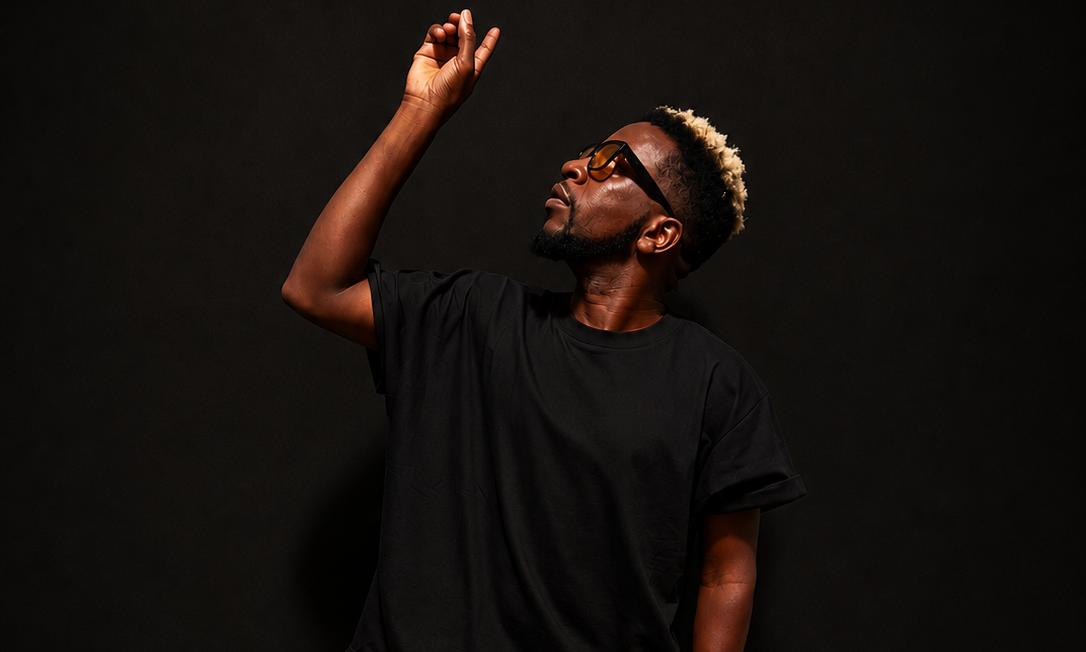
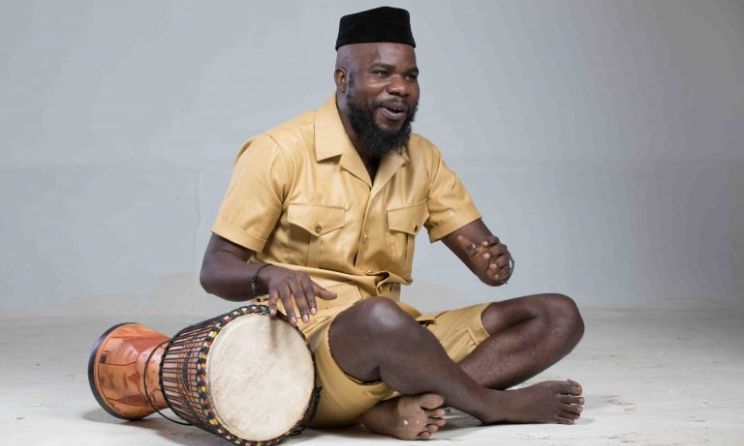
The reputation of the 36-year-old rapper Pilato, whose stage name is an acronym for ‘People in Lyrical Arena Taking the Power’, instead remains confined to the younger generation and the inhabitants of the townships in a country of 18 million. But it won’t take long before this reputation reaches beyond the borders of southern Africa. On stage and in his daily life, Pilato is both a calm rebel in Zambian civic society and one of the pet peeves of the ruling Patriotic Front party. Next year, Zambians will take part in a repeat election that in 2016 pitted the incumbent President Edgar Lungu against businessman and United Party for National Development president Hakainde Hichilema. Pilato’s influence in the country’s township communities will be significant.
Passionate about poetry and a student of philosophy, Pilato primarily raps and sings in Bemba, the most widely spoken vernacular language across Zambia ‒ from the banks of the Zambezi River to the Copperbelt, the mineral-rich region from which Pilato hails. Released on social media on 4 July, Here I Live, his fourth album that is set with the raw accounts of Zambians from the streets, affirms his uniqueness on the domestic hip hop scene. Pilato expresses himself through music influenced by that of the sub-region, but also by kalindula, the traditional music of northwest Zambia, popularised by the late PK Chishala during the regime of the father of the nation, Kenneth Kaunda. The themes the rapper brings up in pictorial vignettes are those that concern the 60% of Zambians living on less than $2 a day: pollution linked to the copper industry, the high cost of living, corruption, street kids, women’s rights.
When he’s not rapping, Pilato is on social media leading political interventions and taking part in debates on solutions to the growing social inequalities in the country. “Where the voice of many singers identifies itself with the few powerful elites who abuse the public trust, rob the poor, manufacture inequality, serve as the midwifery of injustice and erode Zambia’s democracy, Pilato raises his voice to pour criticism on the action of such elites, to attend to the pain of those who suffer and to serve the silent and oppressed,” notes Zambian historian and university professor Sishuwa Situla.
The name Fumba Chamba began circulating among Zambians in 2013. Hopes carried by the populist stanzas of president-elect Michael Sata, nicknamed ‘The Cobra’, were turning sour.
“When he came to power, he announced that he was going to build roads, give jobs to young people, industrialise our economy, and so on. When we saw that nothing had been started, we wrote a song called ‘Lies’,” Pilato says.
Sata died while in office. In 2015, when Lungu was narrowly elected to see out the term of his deceased predecessor, Pilato got himself talked about once again with ‘Lungu Anabwela’, which took casual aim at the new head of state. The song earned him his first arrest by the Zambian police for defamation. A year later, Lungu was re-elected as the country’s leader after a particularly hard-fought duel with Hichilema. On 29 September 2017, while the national budget was being presented in Parliament, a group of six activists including Pilato organised a peaceful demonstration denouncing the misuse of public funds. The result was his arrest and indictment for breaches of public order law.
In late 2017, a new song forced Pilato, who had received death threats, to take refuge in South Africa for about five months. The song was ‘Koswe Mumpoto’ (A Rat in the Pot), a metaphor for the corruption that reigns among Zambia’s circles of power.
Since Pilato’s return to the country in May 2018, human rights have continued to deteriorate in Zambia amid diminishing food safety and an external debt time bomb. The economic crisis caused by the COVID-19 pandemic now places the country at an “unsustainable” level of debt, of which Zambians themselves will once again be the first victims.
Pilato recognises that the release of his new album “has sparked a number of interesting debates and conversations about economic inequalities in Zambia and the fact that the Zambian masses are the sole owners of solutions to these problems.”
However, he does not intend to get behind any particular political party: “I’m committed to the idea that the real power to motivate change is that of the people. Nobody elected me to be an artist: it’s a privilege that I take seriously and with grace. It allows me complete freedom and flexibility.”
This article was sourced by Music In Africa from French publication #AuxSons, through a media partnership aiming to promote the work and efforts of African musicians on the continent and in the diaspora.


Most popular
Open call: 2026 Gender@Work music industry training in Johannesburg
09 Oct 2026

Top amapiano songs of 2026
16 Feb 2026

Top Naija songs of 2026
31 Mar 2026
Call for applications: ACCES 2026 Emerging Artist Spotlight Competition
01 Oct 2026

Top Afrobeats songs of 2026
19 Mar 2026
AFRIMA 2026: All the winners
12 Jan 2026
Disclaimer: Music In Africa provides a platform for musicians and contributors to embed music and videos solely for promotional purposes. If any track or video embedded on this platform violates any copyrights please inform us immediately and we will take it down. Please read our Terms of Use for more.

Subscribe to our monthly Newsletter
Follow us on social media


Please log in to post a comment.