









































NEFCISA
NEFCISA

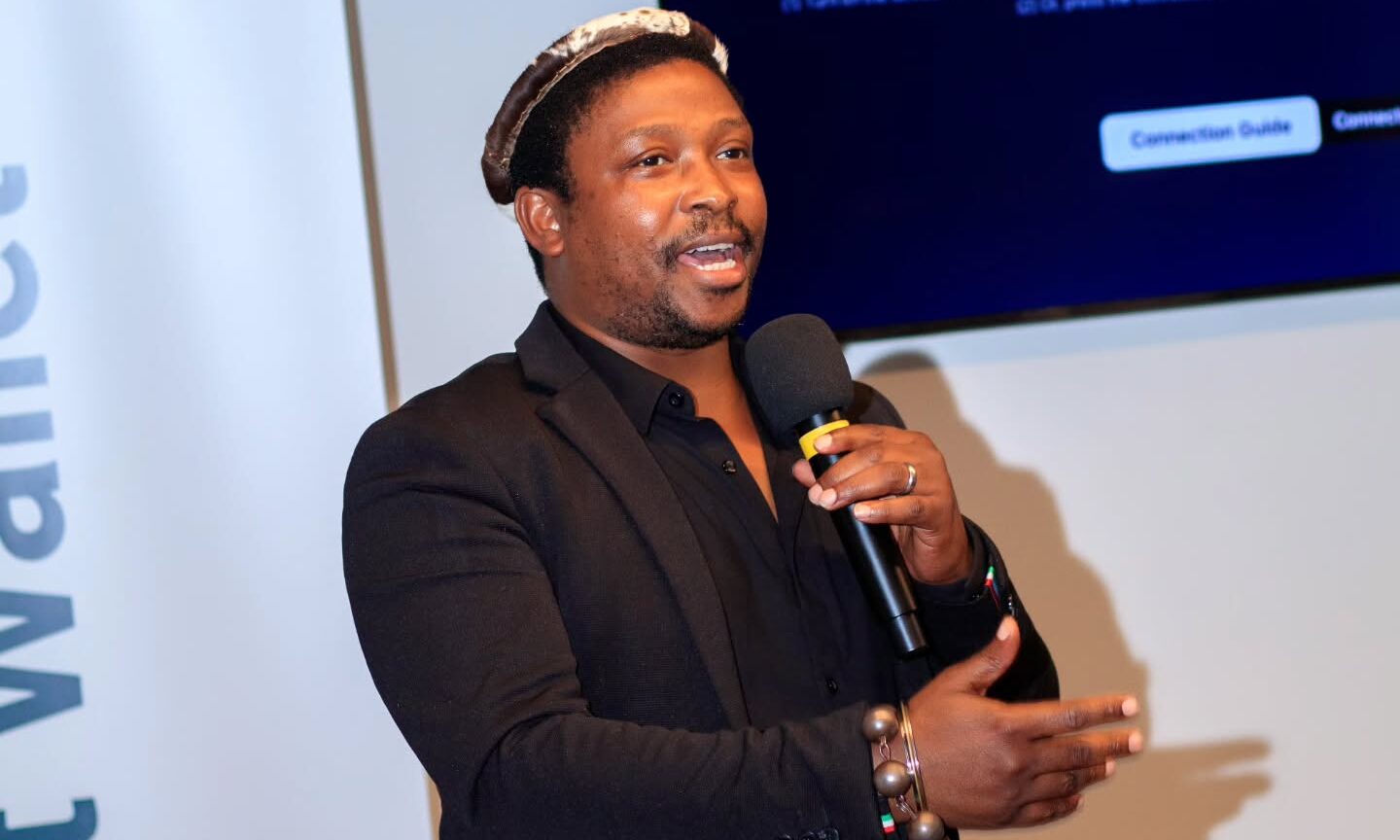
The Music In Africa Foundation (MIAF) is proud of its partnership with the Industrial Development Corporation (IDC) as a Strategic Implementing Partner (SIP) for its Social Employment Fund (SEF). Through this collaboration, MIAF is running a national programme that is creating jobs, addressing skills gaps, and strengthening South Africa's creative industries — in line with the SEF's overarching goal to generate work for the common good and build community value through employment, social contribution, and inclusive economic participation. Operating under the banner NEFCISA (National Employment Facility for Creative Industries in South Africa), the initiative is recruiting and training participants, matching them with host organisations, and has already placed 1 500 workers across the country — surpassing its original target of 1 000. NEFCISA is delivered through a network of 20 host organisations spanning five provinces, who are actively hosting participants and contributing to work for the common good across South Africa's creative and cultural industries. Key Objectives: Support employment and entrepreneurship in the creative industries. Offer skills development and training programmes. Foster partnerships between public and private creative sectors. Promote South African creativity at both provincial and national levels Foster community development through social contribution.

ACCES
ACCES

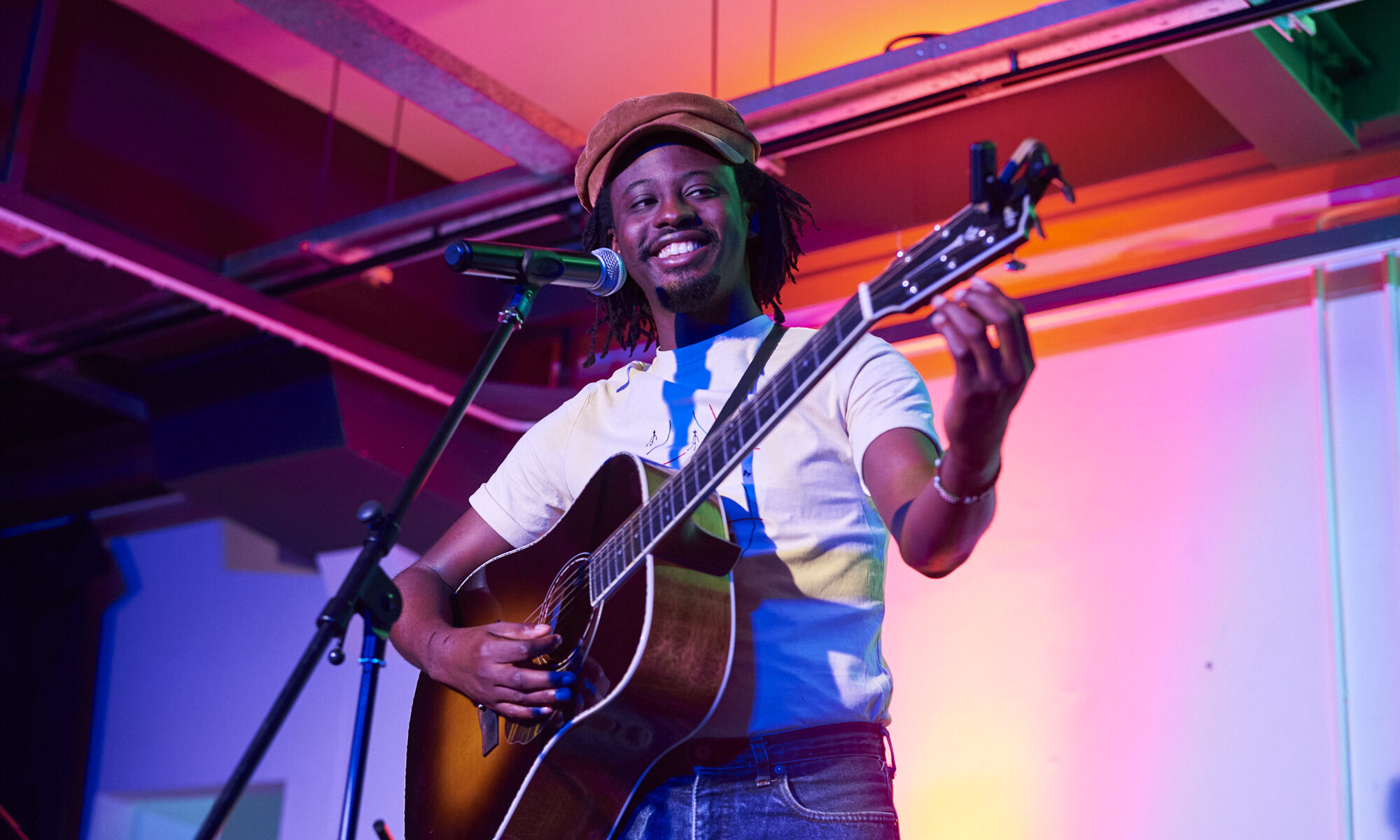
ACCES Conference and Showcase Festival is Africa's leading music industry gathering, bringing together the people shaping the future of the continent's music business. Artists, entrepreneurs, executives, investors, policymakers and cultural leaders from across Africa and around the world come to ACCES to build partnerships, exchange ideas, discover talent and create new business opportunities. Since its launch in 2017, ACCES has become the continent's premier platform for professional exchange and music market development. Combining a high-level conference with a curated showcase festival, networking, exhibitions and industry programmes, ACCES offers a unique space where creativity meets business and where African music connects with the global industry.

Gender@Work
Gender@Work

Music In Africa Gender @ Work is a three-year training programme aimed at upskilling and increasing the participation of female professionals in the African music sector. Launched by the Music In Africa Foundation (MIAF) in April 2019, the programme is connected to the MIAF’s ACCES music conference – a pan-African event held in a different African country every year. This connection enables the programme to reach new participants in a different African country every year. The programme marks the beginning of a more concerted effort by the Foundation to support the participation and inclusion of women in all facets of its programmes and the music sector in Africa as a whole. Over the three years, the programme will aim to address gender imbalances in the sector through training, lobbying, facilitating knowledge exchange and dialogues that foster the interest of women. The broader objectives of the programme are to: Provide industry training for women on critical music industry skills, focusing on: Stage management Electronic music production and recording Music business management Technical knowledge Provide an opportunity for both professional and aspiring women to benefit from the Music In Africa network and its broad range of activities in 2019, 2020 and 2021. Provide a solution-based platform in the form of a round table at ACCES with a view to identify challenges, discuss opportunities and lobby for the interests of female practitioners. Offer participants the opportunity to benefit from programmes offered by MIAF’s partners. Increase access to educational materials. Integrate participants in the broader ACCES programme to maximise experience and exposure to the industry. Record and present training materials on the www.musicinafrica.net, including but not limited to tutorials, templates and other best-practice materials. Communicate women-based themes that support the initiatives and messages of the programme. MAIN TRAINING ACTIVITIES Training in first country (Ghana): In the first year, participants will be trained on all aspects of stage management by a team of experienced stage managers from 10 to 17 November 2019. The programme will offer robust classroom training as well as practical, hands-on training in which participants will also be given the opportunity to manage various aspects of the ACCES performance programme. Training in second country: The second training iteration will take place at ACCES 2020 when the programme will diversify its course to include music production lessons and training on other music business topics. A round-table platform will also be introduced to coincide with the ACCES programme. Training in third country: The third training iteration will take place at ACCES 2021 in a different country, offering an advanced course. HOW DO YOU GET INVOLVED?  As a participant, facilitator or trainer: The programme enrolls up to 12 trainees every year. All opportunities are advertised publicly on this website, and will be added to this page. Please keep checking this page for new calls (below under UPDATES & CURRENT OPPORTUNITIES). As a partner Please contact Claire Metais at [email protected]. APPLY The call for applications for 2020 will be announced soon. The Music In Africa Gender @ Work programme is made possible with the support of the Prince Claus Fund, Siemens Stiftung and Goethe-Institut.

Sound Connects Fund
Sound Connects Fund

For cultural and creative practitioners and organisations operating in southern Africa, access to funding remains a major challenge. The COVID-19 pandemic has also had a massive impact on government policy, spending and the economy in general, and has seen spending on culture being moved further down the list of priorities. Further, the cultural and creative industries repeatedly cite four main areas where investment is needed for growth, which are increased visibility, mobility including access to new markets, finance and support structures.

Instrument Building And Repair Project

Experience the Vibrations African Instruments Exhibition online in 3D

banner image

Le makossa au Cameroun

Home/Non classé/Le makossa au Cameroun

L’origine du makossa

Née entre 1952 et 1962, le makossa est une danse initiée par Nelle Eyoum, inspirée de l’ambassbey[i], l’assiko bassa[ii], l’essewe[iii], le bolobo[iv]. Le terme makossa  dérive de M’akossa qui signifie les contorsions et de Kossa, cris d’exhortation pour éveiller l’ardeur des musiciens et des danseurs.[v]

Les principaux artistes du makossa

Les acteurs importants du Makossa se répartissent en quatre périodes : 1956-1966, 1966-1976,  1976 à 1986, 1986 à nos jours. Si la première correspond à la fondation de son identité par Nelle Eyoum, Lobe Lobe Rameau, Mouelle Guillaume, la seconde à sa maturation enrichie en orchestration par Manu Dibango, Francis Bebey, Ekambi Brillant, Toto Guillaume, Ebanda Manfred, Eboa Lottin.

La période 1976-1986, celle de son hégémonie rappelle ‘l’ Equipe Nationale de  Makossa’ représentée par Manu Dibango, Slim Pezin, Jean Dikoto Mandeng, Vincent Nguini et Toto Guillaume, Aladji Touré, Jean Claude Naimro, Ebeny Donal Wesley, Jimmy Mvondo Mvele, Belinga Ben’s, Freddo, Jean-Marie Ahanda. Elle donnera naissance et lancera d’autres artistes tels que : Dina Bell, Ben Decca, Nkotti François, Bella Njoh.[vii]

La génération 90 et 2000, assiste à la prolifération de plusieurs écoles pro Toto Guillaume et pro Aladji Touré. Elle est dominée par l’avènement de la musique assistée par ordinateur représentée par Albert Broeuk’s[viii], de célèbres bassistes tels qu’Etienne Mbappé, Noel Assolo, Richard Bona, de chanteurs comme Jean Pierre Essome, Hugo Nyame, Séba Georges, Petit Pays, Charlotte Mbango, Rachelle Tsoungui, Bébé Manga, Nadia Ewande, Coco Mbassi, Sissi Dipoko, Rosy Bush, Nguéa la Route, Charlotte Dipanda, Samy Diko, Sergeo Polo, Njohreur, Jacky Kinguè, Guy Manu.

Le succès du makossa au Cameroun

Le succès du makossa a été amplifié au Cameroun par l’avènement de la télévision, diffuseur d’influences exogènes. Des rythmes étrangers qui vont marquer sa structure musicale, vont lui permettre de côtoyer leur seuil de renommé. Le gospel et le chant classique des églises baptistes de Douala contribuent à la formation de Doumbé Eyango et Lottin A Samé qui influenceront Manu Dibango, Eboa Lottin.[ix] La musique high-life, qui émerge entre 1920 et 1930 au Ghana, inspire une structure ‘guitaristique’ au Makossa.[x] Le merengue dominicain entre 1950 et 1960 devient sa nouvelle source d’inspiration[xi].

Au Congo voisin, la rumba submerge l’Afrique et refaçonne le makossa avec Nico, Franco et l’orchestre Cercul Jazznde Brazaville.[xii] Le Funky Disco représentée par de grandes stars comme James Brown, apporte de la nouveauté au makossa avec des cuivres, de nouveaux rythmes de batterie et de jeu de basse.[xiii] La fusion entre les deux styles aboutit aux emprunts même de noms de scènes américains par les artistes locaux tels que Blacks Styles et Georges Dickson.[xiv] 

Ces influences contribuent à son hégémonie nationale amplifiée par l’avènement de la Cameroon Radio and Television (CRTV) en 1985 qui jouira d’un monopole de diffusion jusque dans les années 90. Ce rayonnement est favorisé par l’Equipe Nationale du Makossa, creuset du succès de plusieurs stars telles que Ben Decca[xv], Bell à Njoh[xvi].

[video:https://www.youtube.com/watch?v=V9T4pjG8Pkc autoplay:0]

Le succès international du Makossa

Le succès  international du Makossa s’explique par la qualité de son discours musical, l’expatriation en France et  l’avènement de la radio. Entre 1976 et 1986, le Makossa n’est plus seulement une musique figée  par 2 à 3 accords parfaits jouée en gamme majeur, de préférence en Sol.[xvii]  Au contact des rythmes étrangers, il s’enrichit du ‘finger picking’. Trois guitares, une batterie, des percussions, un synthétiseur, des cuivres, parfois la philarmonique forment de nouvelles figures d’orchestration. Le makossa s’affirme à la Berkley School of Music à New-York où ses lignes de basse sont enseignées entre 1970 et 1980.[xviii]    

Le makossa doit aussi son succès international à la prolifération des maisons de disques en France. On peut citer entre autre : Awards International Record, Afro vision Paris, Bbz production, Disques Jojo, Disques Tourena, Dragon Phénix, Eddy’son, Ebeny Record Production, Eyab’s, Fiesta.[xix]. A côté de celles-ci, l’apport d’Africa no1,  première radio gabonaise  internationale créée en 1981, qui diffuse le makossa en Afrique, en Europe et en Amérique du Nord à travers son programme Africa-son.[xx]

Le statut actuel et futur du makossa

Si son  exportation en Europe a favorisé son hégémonie, cet atout lui sera fatal. Les rythmes locaux, seront dévalorisés au détriment des rythmes étrangers. L’Equipe National du Makossa qui façonne de grandes stars tombe en crise à la suite d’un désamour entre Aladji Touré défenseur d’un makossa moderne et Toto Guillaume, favorable pour un makossa ‘roots’. Le conflit aboutit à l’avènement d’écoles au sein desquelles  perdure l’antagonisme.  Cette situation est suivie par la baisse de la production du makossa atteint par la crise de la gestion des droits d’auteur[xxi].

Toutefois, le makossa n’arrête  pas sa marche. Certains artistes comme Richard Bona, André Manga, Vincent Nguini, Etienne Mbappé, Charlotte Dipanda, Henry Dikongue, Coco Mbassi vont redorer son blazon.

L’influence socio culturelle du makossa

Le makossa  a enrichi d’autres genres musicaux tels que le Bikutsi. En effet, c’est à travers lui que l’influence guitaristique  de la musique high Life a marqué le bikutsi. Du makossa naîtra des sous genres que  sont le mangabolo, le bikutsi Makossa, l’ambassbey-makossa, l’assiko-makossa.[xxii] Son contact avec d’autres rythmes internationaux a donné naissance au soul makossa, salsa makossa, reggae makossa , disco makossa , funky makossa, makossa pop, makossa zouk, soukous makossa,  makossa jazz, zingué, afro pop[xxiii].                 

Le makossa insuffle la mode kaba ngondo, tenue traditionnelle douala qui sera convoitée. Dina Bell, introduit le port du chapeau dit “casquette” Dina Bell,[xxiv] Ekambi Brillant inspire le nom d’une nouvelle chaussure en polyester appeléeEkambi” [xxv], Manu Dibango dont Soul Makossa  est piraté par Michael Jackson dans l’album Thriller, donne naissance au Toyota makossa, inspirée par une promo que l’artiste camerounais fera pour une nouvelle marque de voiture japonaise très célèbre au Cameroun.[xxvi]

Aperçu discographique du makossa   

Nous présentons ici quelques albums importants de makossa sortis au Cameroun. « Scène from my life » de Richard Bona sorti en 1999,  « African soul » de Manu Dibango publié en 1972, « Mispa » de Charlotte Dipanda lancé en 2008, « C’est la vie » de l’artiste Henry Dikonguè sorti en 1997, « Bwanga bwan » de Ben Decca publié en 1995, « Salamalekum » de Petit Pays paru en 1988. Comme démontré ci-haut,  le makossa est l’héritage culturel du Cameroun et de l’Afrique ; certains artistes camerounais sont contraint d’adopter d’autres styles musicaux pour des raisons commerciales mais n’ont toutefois pas abandonné lemMakossa, la musique du pays.



[i]   Danse traditionnelle de la baie d’Ambas située au large de Douala
[ii]  Le Makossa emprunte des cadences syncopés et rapides modulés par un ralentissement du tempo 
[iii] Danse funéraire douala qui lui inspire son mouvement  du balancement du corps 
[iv] Danse initiatique des futurs époux dont il s’enrichit de thèmes et de chorégraphie
[v]  Jean Maurice Noah, Le Makossa, une musique africaine moderne, l’Harmattan, Paris, 2010, P.23
[vi]  Ibid, P.P 63-70
[vii]  Ibid.
[viii]  Auteur-compositeur, ingénieur qui délocalise son studio Dobell 16 de Paris pour Douala.
[ix]   Jean Maurice Noah, le Makossa, une musique africaine moderne, P.33, Paris, l’Harmattan, 2010
[x]   Ibid, P.34
[xi]   Ibid, P.35
[xii]  Ibid.
[xiii]  Ibid, P.36
[xiv]  Ibid, P.37
[xv]   Artiste de l’année 1987
[xvi]  Mambo penya , meilleur clip en 1989 nominé par la CRTV
[xvii]  Jean Maurice Noah, le Makossa, une musique africaine moderne, P.44, Paris, l’Harmattan, 2010
[xviii] Vicky Edimo est un modèle parmi les musiciens Makossa qui introduit le doigté funcky.
[xix]  Ibid, P.125
[xx]   Ibid, P.135
[xxi]  En effet, après une succession de plusieurs sociétés de gestion collective telles que SOCINADA,   SOCILADRA, CMC, SOCAM, la gestion des droits des artistes fait toujours face à la   corruption et aux incompétences des administrateurs
[xxii]  Ibid, P.52
[xxiii]  Rythme actuellement en vogue  au Nigéria.
[xxiv]  Ibid, P.96
[xxv]   Ibid, P.98


newsletter banner

Subscribe to our monthly Newsletter

Follow us on social media