







































NEFCISA
NEFCISA

The Music In Africa Foundation (MIAF) is proud of its partnership with the Industrial Development Corporation (IDC) as a Strategic Implementing Partner (SIP) for its Social Employment Fund (SEF). Through this collaboration, MIAF is running a national programme that is creating jobs, addressing skills gaps, and strengthening South Africa's creative industries — in line with the SEF's overarching goal to generate work for the common good and build community value through employment, social contribution, and inclusive economic participation. Operating under the banner NEFCISA (National Employment Facility for Creative Industries in South Africa), the initiative is recruiting and training participants, matching them with host organisations, and has already placed 1 500 workers across the country — surpassing its original target of 1 000. NEFCISA is delivered through a network of 20 host organisations spanning five provinces, who are actively hosting participants and contributing to work for the common good across South Africa's creative and cultural industries. Key Objectives: Support employment and entrepreneurship in the creative industries. Offer skills development and training programmes. Foster partnerships between public and private creative sectors. Promote South African creativity at both provincial and national levels Foster community development through social contribution.

ACCES
ACCES

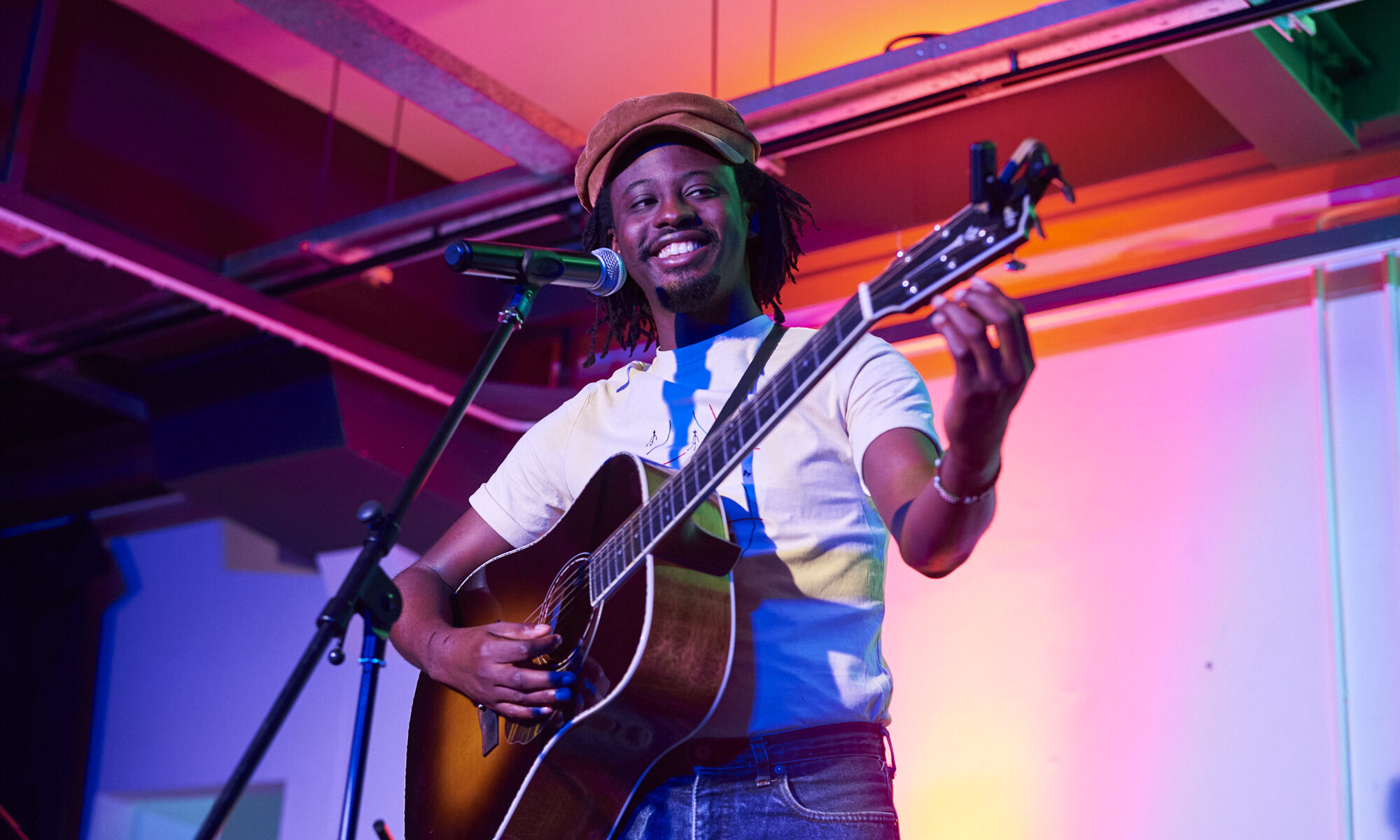
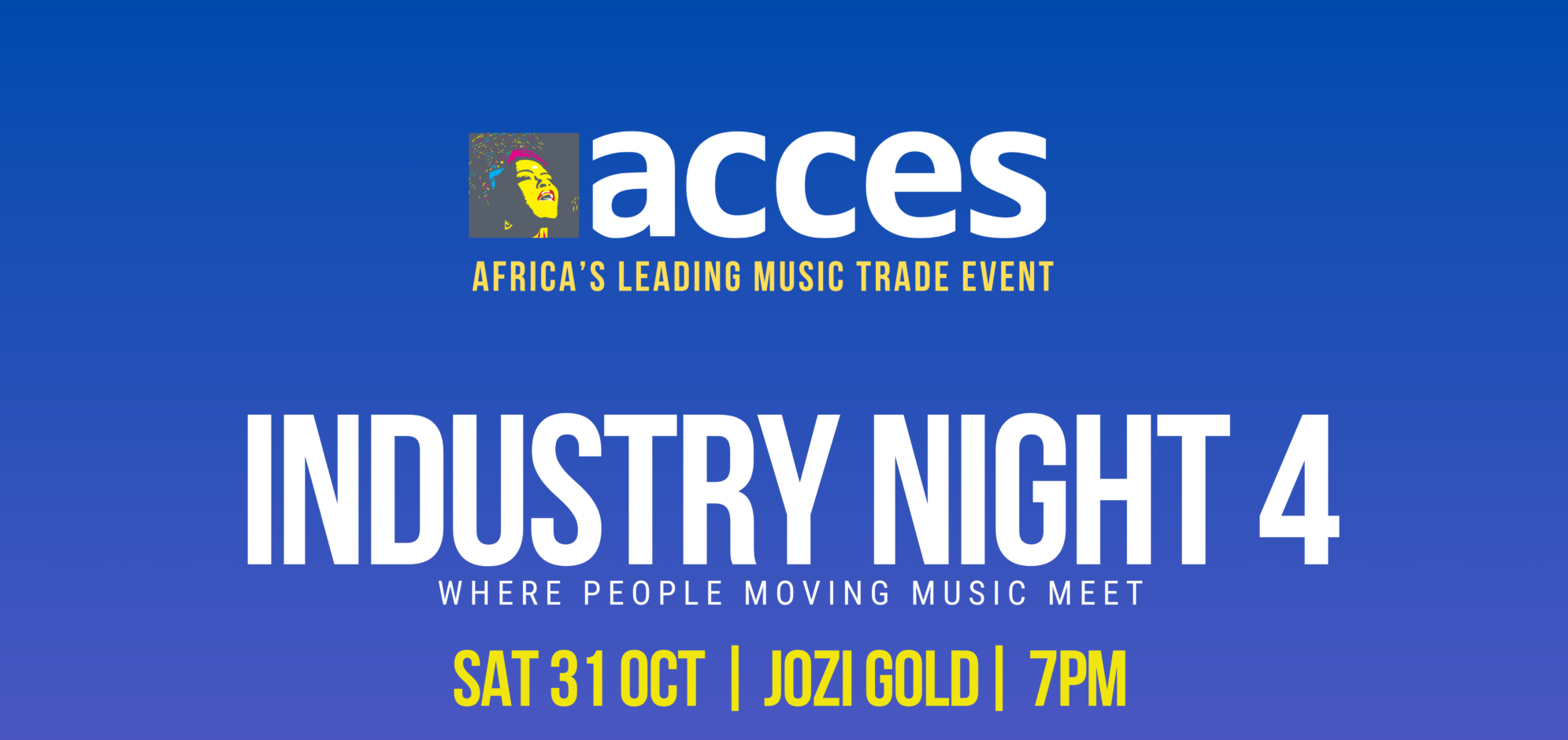
ACCES Conference and Showcase Festival is Africa's leading music industry gathering, bringing together the people shaping the future of the continent's music business. Artists, entrepreneurs, executives, investors, policymakers and cultural leaders from across Africa and around the world come to ACCES to build partnerships, exchange ideas, discover talent and create new business opportunities. Since its launch in 2017, ACCES has become the continent's premier platform for professional exchange and music market development. Combining a high-level conference with a curated showcase festival, networking, exhibitions and industry programmes, ACCES offers a unique space where creativity meets business and where African music connects with the global industry.

Gender@Work
Gender@Work

Music In Africa Gender @ Work is a three-year training programme aimed at upskilling and increasing the participation of female professionals in the African music sector. Launched by the Music In Africa Foundation (MIAF) in April 2019, the programme is connected to the MIAF’s ACCES music conference – a pan-African event held in a different African country every year. This connection enables the programme to reach new participants in a different African country every year. The programme marks the beginning of a more concerted effort by the Foundation to support the participation and inclusion of women in all facets of its programmes and the music sector in Africa as a whole. Over the three years, the programme will aim to address gender imbalances in the sector through training, lobbying, facilitating knowledge exchange and dialogues that foster the interest of women. The broader objectives of the programme are to: Provide industry training for women on critical music industry skills, focusing on: Stage management Electronic music production and recording Music business management Technical knowledge Provide an opportunity for both professional and aspiring women to benefit from the Music In Africa network and its broad range of activities in 2019, 2020 and 2021. Provide a solution-based platform in the form of a round table at ACCES with a view to identify challenges, discuss opportunities and lobby for the interests of female practitioners. Offer participants the opportunity to benefit from programmes offered by MIAF’s partners. Increase access to educational materials. Integrate participants in the broader ACCES programme to maximise experience and exposure to the industry. Record and present training materials on the www.musicinafrica.net, including but not limited to tutorials, templates and other best-practice materials. Communicate women-based themes that support the initiatives and messages of the programme. MAIN TRAINING ACTIVITIES Training in first country (Ghana): In the first year, participants will be trained on all aspects of stage management by a team of experienced stage managers from 10 to 17 November 2019. The programme will offer robust classroom training as well as practical, hands-on training in which participants will also be given the opportunity to manage various aspects of the ACCES performance programme. Training in second country: The second training iteration will take place at ACCES 2020 when the programme will diversify its course to include music production lessons and training on other music business topics. A round-table platform will also be introduced to coincide with the ACCES programme. Training in third country: The third training iteration will take place at ACCES 2021 in a different country, offering an advanced course. HOW DO YOU GET INVOLVED?  As a participant, facilitator or trainer: The programme enrolls up to 12 trainees every year. All opportunities are advertised publicly on this website, and will be added to this page. Please keep checking this page for new calls (below under UPDATES & CURRENT OPPORTUNITIES). As a partner Please contact Claire Metais at [email protected]. APPLY The call for applications for 2020 will be announced soon. The Music In Africa Gender @ Work programme is made possible with the support of the Prince Claus Fund, Siemens Stiftung and Goethe-Institut.

Sound Connects Fund
Sound Connects Fund

For cultural and creative practitioners and organisations operating in southern Africa, access to funding remains a major challenge. The COVID-19 pandemic has also had a massive impact on government policy, spending and the economy in general, and has seen spending on culture being moved further down the list of priorities. Further, the cultural and creative industries repeatedly cite four main areas where investment is needed for growth, which are increased visibility, mobility including access to new markets, finance and support structures.

Instrument Building And Repair Project

Experience the Vibrations African Instruments Exhibition online in 3D

banner image

Thione Seck au bal des faux-monnayeurs

Home/Non classé/Thione Seck au bal des faux-monnayeurs

En effet, l’affaire Thione Seck ne doit pas être lue sous l’angle judiciaire stricto sensu, mais de façon plus profonde comme une crise de la société sénégalaise embourbée dans de violentes contradictions. Thione Seck est victime d’un système dont personne n’ignore les méthodes.

Tout le monde est au fait des immenses sommes d’argent qui circulent dans le showbiz dakarois. Le train de vie insolent de certains artistes a souvent provoqué des interrogations légitimes, vite réprimées par une machine qui tenait à constamment vendre du rêve sans laisser place à une lecture lucide.   

Ce train de vie est d’autant plus surprenant qu’on est en Afrique dans un contexte d’absence d’industrie musicale structurée et de marché restreint, avec un pouvoir d’achat faible des consommateurs. Pourtant, les concerts sont le lieu de distribution, avec toute la symbolique du « m’as tu vu », d’énormes sommes d’argent dont l’origine licite n’est jamais démontrée.

A force de vivre dans cette bulle où les liasses de billets répondent aux louanges chantées et aux épopées familiales entonnées, une société du spectacle, une étrange communauté affublée du titre idiot de jet set, a pris en otage la culture et tient ses acteurs par la corde du gain facile.

Le cas Thione Seck est la traduction concrète de la fin de la méritocratie dans la société sénégalaise. Le rêve ultime dans le pays : réussir par magie, par un coup d’éclat. Les idoles fabriquent du rêve jusqu’au jour de leur crépuscule. On est en face du symptôme saisissant d’une société profondément malade, mais qui feint de ne rien voir derrière ses paillettes et ses icônes.La prise de conscience sur une triple crise de valeur, d’éthique et de représentation devrait pourtant constituer une lame de fond qui doit conduire à l’identification urgente d’un modèle pour la jeunesse.  

Mais, hélas, nous sommes dans une absence de réflexion structurelle sur la place de la culture dans notre pays et dans l’accompagnement de son ambition économique. La culture n’est guère vue comme un impératif d’éducation du peuple, de son élévation intellectuelle et de la capacité de déclinaison d’un dessin national commun. Le ministère de la culture est attendu dans ce sentier. Mais il est totalement absent de ce combat d’avant-garde.

Au Sénégal, où on vante chaque jour les valeurs de ngor, fit et kersa, la société a permis à certains de s’arroger le droit de vivre à l’aise financièrement sans travailler, et d’autres celui de faire étalage de leur fortune devant le regard complice des médias et connivent de l’Etat.

Depuis l’éclatement de l’affaire Thione Seck, son traitement médiatique et ses répercussions dans l’espace public renseignent sur le degré de profondeur, au Sénégal, des liaisons dangeureuses entre artistes, religieux, médias et politiques. Parmi ces castes, des voix ont constamment demandé la libération de l’artiste en invoquant une situation « triste pour l’homme et sa famille. »

Selon quel principe ? Pourrait-il y avoir une justice pour tout le monde, sauf les célébrités ? Certains pourraient ainsi se soustraire au principe d’équité et d’égalité devant la loi, au mépris de la promesse d’égalité républicaine ?

newsletter banner

Subscribe to our monthly Newsletter

Follow us on social media