




















































Zouglou in Côte d’Ivoire
Côte d’Ivoire has a very rich musical heritage and many of the legendary singers of the country’s popular music, such as Amédé Pierre, Allah Therèse and many others, drew on the musical traditions of their regions for inspiration and sung in their regional languages. As a side-effect, the music of these artists was not seen as truly nationally representative in a country that has more than 60 different ethnic groups.
The popularity of zouglou music partly stems from its position as a supra-ethnic, national musical genre – it not associated with any particular region or ethnic group. As a new, urban musical form, zouglou distinguishes itself through its use of the street-slang spoken in Abidjan.
The Origins of Zouglou
The musical roots of zouglou lie in the local Ivorian musical styles tohourou and aloucou from western Côte d’Ivoire, which became popular in the urban centres in the 1960s and 70s. The direct musical base of zouglou music grew out of what is known as ambiance facile or woyo: chants to percussive music on improvised instruments such as metal scrapers, glass bottles and of course drums. This music grew out of the songs that accompanied sports competitions in Côte d‘Ivoire‘s schools during the 1980s. Groups of students that called themselves “supporters committees” would accompany sports teams to the games and make up songs to encourage their teams. As school teams and their supporters committees travelled to matches against other schools across the country, they picked up new melodies and rhythms along the way.
Ambiance facile and woyo music sessions also became a popular past-time in Abidjan’s working class (popular) neighborhoods. In these multi-ethnic neighborhoods, children and teenagers would teach each other songs from their home regions. This mostly unrecorded leisure music is still popular across Côte d’Ivoire. Through the sports matches and neighborhood sessions, ambiance facile drew on rhythms and melodies from many different regions of Côte d’Ivoire. Zouglou music also drew on these rhythms and melodies and thus became the first musical style that was considered to be multi-ethnic and nationally representative of Côte d’Ivoire.
In 1990, zouglou was invented first as a dance among university students residing in the Yopougon student accommodation at the University of Cocody in Abidjan, now known as Felix Houphouet-Boigny University. This dance consisted of throwing one’s arms in the air with angular movements, mimicking an imploration to God to help the university students that were suffering under the budgetary cuts in the education sector (fewer scholarships, inadequate student housing, catering and transport, etc.).
Through the creative energy of the university students, the word “zouglou” became known to the general public. But why “zouglou”, and what does that mean? “Zouglou” in fact is a made-up word, a sort of inside joke to describe this particularly eccentric manner of dancing. However, in a seminal newspaper article about this new genre, this word was interpreted as referring to the Baoulé expression “be ti lè zouglou” (they’re piled up like rubbish). This was a reference to the poor housing conditions in the student dormitories.
First Generation
This was the beginning of a new genre. These budding artists soon became local superstars in the recording studios of Abidjan, where zouglou developed into the format that is today popular across francophone West Africa. The combination of charismatic young singers, melodies and rhythms from across the country and a good dose of synthesizer keyboards propelled this genre to national fame.
The first recorded zouglou songs are ‘Glogbo Koffi’ (1991) by Didider Bilé et les Parents du Campus Ambiance[i] and ‘Zomamanzo’ (1991) by Poignon and Zougloumania[ii] as well as ‘Ziopin (Faut pas fâcher)’ (1992) by Les Potes de la Rue[iii].
Since these beginnings, Zouglou has been known for its direct, outspoken song texts. Its earliest songs described the deteriorating living conditions of university students or poked fun of ethnic stereotypes. This revolutionized Ivorian music, which until then had typically carried subtler, coded messages.
The group Zougloumania took zouglou music out of the student milieu and to the working class neighborhoods of Abidjan, which were of course already familiar with the sound through ambiance facile. Another one of the most famous groups of the time was Système Gazeur, whose lead singer Lago Paulin is still active with a solo career. These groups made up what became known as the first generation of zouglou musicians, or the generation of precursors.
Second Generation
During the mid-1990s, zouglou was said to be undergoing a severe crisis. Bands had split up, some of the key figures had left the country, and there were disputes and allegations of plagiarism among artists. However, along came two new groups that revolutionized the genre with very sharp satirical and politically engaged song texts: Yodé & Siro (then known as Poussins Chocs) with the song ‘Asec Kotoko’ (1996)[iv] and Les Salopards with their album Génération Sacrifiée (1997)[v]. This was the establishment of second generation of zouglou musicians, which includes some of the most popular zouglou groups, such as the Garagistes with the album Tapis Rouge (2003)[vi] and Espoir 2000 with the album Gloire à Dieu (2006)[vii].
Through its emphasis on social and political criticism, zouglou developed into a form of Ivorian counter-culture. Zouglou musicians represent the perspective of marginalized youth and social underdogs and have been very critical of the devastating behavior of the wealthy and politically powerful in Côte d’Ivoire. Zouglou artists see their role as speaking truth to power, because, according to a famous nouchi (Ivorian street slang) saying, gbê est mieux que drap: “the truth is better than shame”. Zouglou music gave the youth in Abidjan a platform from which to participate in the public debate.
The second generation was also the generation that was to take zouglou to international fame. In 2000 the song ‘Premier Gaou’ by the group Magic System[viii] became a hit across Africa as well as in the French charts. Magic System have since remained a presence in the French charts, mixing their zouglou with dance music.
Third Generation: Live Performances
Despite their popularity, many zouglou groups in Côte d’Ivoire were finding it difficult to survive financially from their music due to widespread copyright piracy. Zouglou music is predominantly locally produced and recorded, and pirated CDs and VCDs dominate the market. These informal modes of circulation have made the diffusion of zouglou music possible, while at the same time undermining the financial viability of the Ivorian music industry. Widespread copyright piracy has also put great financial pressure on Ivorian record labels: in late 2008, Showbiz, Côte d‘Ivoire’s largest record label that housed up to 80% of local releases, closed down as it was running at a loss. A large number of smaller labels have also closed due to bankruptcy.
Concerts and performances have remained a major source of income for zouglou musicians. Yet until recently zouglou singers performed live primarily via playback or backing tracks. Performances were also hampered by the lack of appropriate venues and the high cost of existing venues. For example, Abidjan’s showcase concert venue, the Palais de la Culture, is one of the most expensive in West Africa.
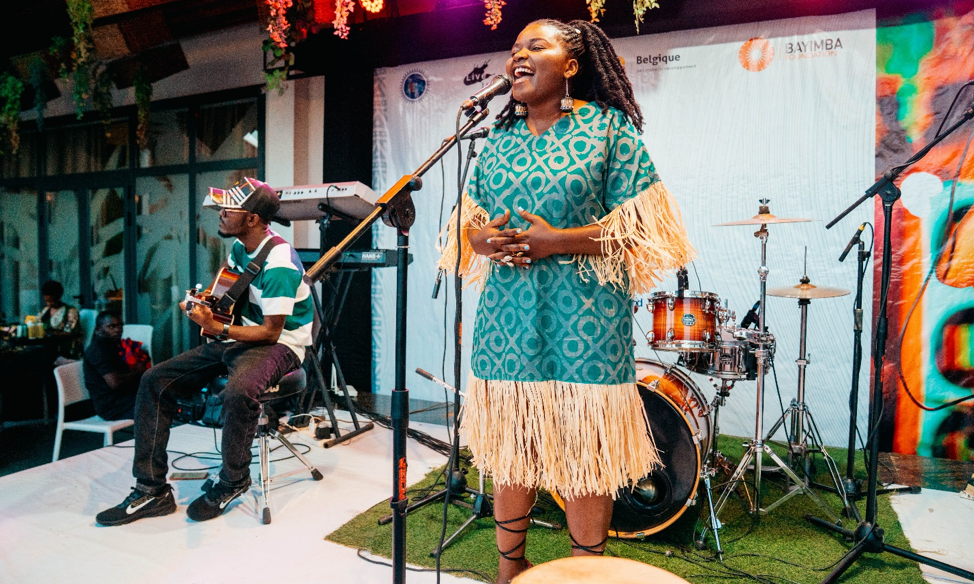
However, since the late 2000s there has been a new development: many new maquis (open air restaurants) have opened as new affordable performance spaces in which artists now perform live, rather than via playback. This trend is part of the growing professionalism of this musical genre. Les As du Zouglou, Les Pro du Zouglou, Connexion and Zouglou Makers (with their acclaimed album Djamo Djamo in 2014)[ix] are some of the groups of the third generation that regularly perform live in Abidjan. A number of zouglou artists also own and manage such live venues, which have become reference points for Abidjan’s nightlife.
Within a span of 20 years, zouglou music has gone from being the unrecorded past-time of university students to one of most popular musical genres of Côte d’Ivoire and a key part of Ivorian cultural identity. The genre’s popularity has spread beyond national borders across francophone West Africa. Despite the challenges posed by piracy, thanks to its innovative artists zouglou looks set to remain an important part of the country’s cultural landscape for many years to come.



